Coffee Lists
-
History of Brazil: The Largest Coffee Consumer's Coffee Kingdom and Characteristics of Red Bourbon Coffee Beans
As early as the beginning of the 18th century, coffee was introduced to the country. The story goes that in 1727, the Brazilian government sent a brave soldier - Lieutenant Colonel Francisco de Mello Palheta - under the pretext of mediating a border dispute to smuggle coffee seeds from French Guiana. It is said that the governor's wife was attracted to this lieutenant, and at a farewell state banquet, she presented him with a bouquet filled with
2021-07-31 largest coffee consumption Brazil kingdom history story red bourbon coffee beans characteristics -
What Are Fermented Coffee Beans? Why Ferment? What Fermentation Methods Exist? Honduras Lychee Orchid
Fermentation enhances the sweetness, body, and acidity of coffee. From bread to wine, fermentation is the latest buzzword in the food industry. Now it's making its way into the coffee world. Roasters worldwide are using fermentation techniques to unlock exotic flavors and profiles in coffee. So what exactly is fermented coffee? Fermented coffee, also known as cultured coffee, refers to coffee that has undergone fermentation after harvesting
2021-07-31 coffee beans why ferment what coffee which methods Honduras -
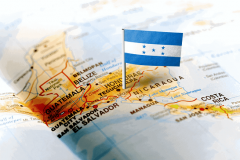
Honduran Coffee History Story: Introduction to Flavor Characteristics of Honduran Marau Estate Godfather Coffee
While you may have heard of coffees from Brazil, Colombia, and other countries, there are actually many other coffee-producing nations (such as Honduras) that are well worth trying. In fact, Starbucks frequently features Honduran coffee, helping it reach new heights in recent years. Honduran coffee comes from Honduras, a Central American country with a warm climate and diverse landscapes. This
2021-07-31 Honduras coffee history Marau estate Godfather flavor characteristics introduction -
Introduction to Honduras' Six Major Coffee Regions: Flavor Differences Between Mocca Estate Sherry and Lychee Orchid Coffee Beans
Honduras has six main coffee-growing regions: Copán, Opalaca, Montecillos, Comayagua, El Paraíso, and Agalta. Copán is Honduras' most famous growing region. They produce sweet coffee at elevations of 3,300 to 5,000 feet, with citrus, chocolate, and caramel flavors. Their coffee has a different profile compared to some other growing regions.
2021-07-31 Honduras coffee six major regions introduction Mocca Estate Sherry Lychee beans -
The Best Time to Drink Coffee Daily: What is the Impact of Drinking Coffee Before or After Breakfast on Blood Sugar
From one episode to a billion episodes, and from one binge-watching session to countless more, the already scarce sleep time becomes even more insignificant in the face of these damn temptations. The result is clear to everyone: from struggling with the decision to call in sick or resign when the alarm goes off, to rushing into the office and gulping down coffee to stay awake and survive. In fact, regardless of whether you slept well the night before, there will be more and more
2021-07-30 daily coffee best time before breakfast after blood sugar impact what is -
How to Brew Indian Monsoon Malabar Coffee? Historical Stories and Flavor Differences of Coffee Beans from Various Indian Regions
Coffee from India's southern Malabar region uses the monsooned natural processing method, which FrontStreet Coffee will introduce to everyone in the upcoming knowledge sharing session. This coffee has lower acidity and a very distinctive mouthfeel. Next, we'll introduce how to brew this type of coffee. Recommended brewing method: Pour-over Dripper: KONO dripper Water temperature: 87-88°C Coffee dosage: 15g Coffee-to-water ratio: 1:15
2021-07-30 India Monsoon Malabar coffee brewing methods different growing regions historical stories -
Kenya Washed Coffee Cultivation and Processing Flavor Characteristics Introduction to Gikirima Coffee Washing Station
Africa once dominated the global coffee market, with African countries occupying four of the world's top ten coffee-producing nations during peak production periods. Today, African coffee beans continue to shine in the competitive world coffee market. Kenya is one of the largest specialty coffee exporters on the African continent. FrontStreet Coffee invites everyone to explore the cultivation and processing of Kenyan coffee together. The GIKIRIMA factory is located in Mount Kenya
2021-07-30 Kenya washed coffee cultivation processing flavor characteristics washing station gikirima -
Introduction to India's Seven Major Coffee Brands and the Unique Flavor Characteristics of Indian Monsoon Natural Process Coffee Beans
India has long been a cultivator of coffee beans, in fact, it is the world's sixth largest coffee producer. However, in most parts of the country, the vast majority of Indians prefer to start their day with tea, and traditionally, if you ordered coffee in a restaurant, you were more likely to receive a sad cup of Nestlé coffee rather than real coffee. But in recent years, this situation has changed
2021-07-30 India seven major coffee brands stories introduction monsoon natural process coffee beans -
Kenya SL28 34 Pour-over Temperature? Kenya Coffee Varieties K7 Batian Ruiru Characteristics and Historical Stories
FrontStreet Coffee has recommended the Assalia coffee beans from Kenya to everyone more than once, and we believe everyone is already very familiar with the brewing details of this coffee bean. Dripper: V60 dripper Water temperature: 90-92°C Coffee amount: 15g Coffee-to-water ratio: 1:15 Grind size: Medium-fine grind (80% pass-through rate with China standard #20 sieve) Brewing method: Segmental extraction Using 30g of water for blooming, bloom
2021-07-30 Kenya SL28 34 pour-over temperature coffee varieties K7 Batian -
Cinnamon Roast Kenya AA Coffee Beans Flavor Profile - Taste Differences Between Dark and Light Roast Kenyan Coffee
When ranking the world's finest coffees, only a few important coffee-growing regions consistently rank at the top. One of the most renowned countries is undoubtedly Kenya. Kenyans enjoy various roast levels, but most prefer light to medium roasts to better emphasize the beans' subtle fruity notes. Although different classifications (Kenya AA, AB, peaberries) respond differently to heat, the distinction in flavor profiles between roasting levels remains significant.
2021-07-30 cinnamon roast Kenya coffee beans flavor taste coffee dark roast light roast difference -
Kenya PB Grade? Flavor Profile Characteristics of Peaberry Coffee Beans - Kenya Coffee's 8 Grading System and Standards
Peaberry refers to a single coffee bean growing inside a coffee cherry instead of two. Due to its rounder shape that minimizes sharp edges, it allows the beans to roll more easily in the roasting chamber and roast slightly more evenly, resulting in highly consistent flavor. Kenya peaberry coffee has a similar taste to Kenya AA coffee. Kenya PB peaberry coffee beans come from coffee trees
2021-07-30 Kenya coffee peaberry flavor taste characteristics grading standards -
Kenya Muranga Nyeri and Other Coffee Growing Regions, Thika Assamia Starbucks Kenya Coffee Bean Flavor
Although coffee cultivation in Kenya started relatively late, the industry has gained and maintained an impressive reputation. Since beginning production, Kenyan coffee has been recognized for its high quality, careful preparation, and refined flavors. Position in world production: #18 Average annual production: 800,000 (60kg bags) Common Arabica varieties: SL28, SL34, K7,
2021-07-30 Kenya Muranga Nyeri Coffee Growing Region Thika Assamia Starbucks -
Panama Hartman Estate Geisha Flavor: Characteristics of Slow-Dried Natural Red Wine Processing
Panama Hartman Estate Geisha Slow-Dried Natural Process. Region: Ojo de Agua Palo Verde. Altitude: 1,400-2,000 meters. Variety: Geisha. Soil: Volcanic soil. Grade: SHB. Processing: Slow-dried natural process. Harvesting: Hand-picked. Certifications: Bird-friendly. Estate founded: 1912. Planted area: 16 hectares. Estate size: 110 hectares
2021-07-29 Panama Hartman Estate Geisha Flavor Slow Dried Natural Red Wine -
Flavor Characteristics and Brewing Methods for Yunnan Sun-Dried Catimor Coffee Beans | Major Coffee Growing Regions in China
The typical layout of coffee farms in southwestern Yunnan features 5,000 coffee trees per hectare, growing in sun-drenched plantation-style settings. Catimor is the preferred variety for farmers in this region, selected for its low susceptibility to disease and higher, faster yields. Farmers use the washed harvesting method, which in recent years has included mechanical mucilage removers. For a long time, Yunnan has been known for its fertile highlands
2021-07-29 Yunnan sun-dried Catimor coffee beans flavor characteristics brewing methods China coffee major growing regions -
Introduction to Typica Variety Elephant Bean Pacay - Panama Hartmann Estate Pacamara Coffee Bean Flavor Profile
Hartmann Estate is located in the Baru Volcano region, where the soil consists of nutrient-rich volcanic earth. Towering primitive forests provide the ideal shade-grown environment. Shade-grown coffee grows more slowly, developing higher sweetness and brighter acidity. The Chiriqui Volcan highland microclimate also creates an excellent foundation for Hartmann coffee
2021-07-29 Typica variety Elephant Bean Pacay introduction Panama Hartmann estate Pacamara -
How to Detect the Three Signs of Over-Extraction in Coffee by Taste? Where Does Astringency Come From and How to Solve Coffee Over-Extraction?
The first point is that coffee has an overwhelming bitterness. Bitterness is a misunderstood flavor dimension. The world's best coffees still carry a hint of bitterness, typically expressed in notes of dark chocolate, spices, or wood. These lower notes make the taste more rounded, balancing sharper acids and are generally pleasant in a full cup. This is not the type of bitterness we're referring to.
2021-07-29 taste discover coffee over-extraction three major signs astringency how to solve coffee extraction -
A Century of Legendary Hartmann Estate: Bird-Friendly Certified Wine Process Coffee Beans - How to Brew for Perfect Flavor?
Hartmann Coffee: A Harmony with Nature's Environment. Finca Hartmann is a third-generation family business located in Santa Clara, Renacimiento. It consists of two farms - Santa Clara Finca Hartmann and Ojo de Agua - situated between 1,300 to 2,000 meters above sea level, with nearly 100 hectares of forest protection area adjacent to Parque Nacional de L
2021-07-29 century legend Hartmann estate bird-friendly certification wine process coffee beans brewing -
Panama Washed Geisha Coffee Bean Flavor - Hartman Estate's Growing Advantages in Baru Volcanic Region
Hartman Estate is located in the Baru volcanic region, with nutrient-rich volcanic soil. Towering primeval forest provides the ideal shade-growing environment. Shade-grown coffee matures more slowly, developing higher sweetness and brighter acidity. The Chiriqui Volcanic highland microclimate also creates the perfect foundation for Hartman coffee.
2021-07-29 Panama washed Geisha coffee beans flavor Baru volcanic region Hartman Hartman Manor -
Flavor Differences Between Ethiopian Heirloom Coffee Beans from Guji and Sidamo Regions & Brewing Suggestions for Arsi Native Varieties
Although Ethiopia has over 10,000 unique varieties, large-scale cultivation of any single variety can be challenging. Each variety has its unique requirements and is typically suited to specific regions within the country. Heirloom varieties actually refer to Arabica coffee beans that have survived in their place of origin for a very long time and can still be found in the wild today. However, due to
2021-07-29 Ethiopia Heirloom Coffee Beans Guji Sidamo Flavor Differences Arsi Native Varieties -
World Champion Panama Natural Geisha Coffee Flavor Profile & Hartman Family Coffee Pioneer Story
Origin: Chiriquí Province, Santa Clara • Altitude: 0-1800 meters • Estate: Hartman Estate • Variety: Geisha • Processing: Natural • Method: Natural Process • Harvest: Hand-picked • Certification: Bird-Friendly Certified Today FrontStreet Coffee will introduce you to the premium selection of Natural Geisha coffee beans from Panama's Hartman Estate - the 2015 World Roasting Championship champion beans, from a renowned family-owned coffee estate that has pioneered sustainable farming practices in the highlands of Panama. This exceptional lot showcases the distinctive floral and citrus notes that have made Panamanian Geisha coffee famous worldwide, with a delicate jasmine aroma, bright bergamot acidity, and lingering honey sweetness that define the Hartman family's commitment to quality and innovation in coffee cultivation.
2021-07-29 World Champion Panama Natural Geisha Coffee Beans Flavor Characteristics Hartman Family