How to Detect the Three Signs of Over-Extraction in Coffee by Taste? Where Does Astringency Come From and How to Solve Coffee Over-Extraction?
Overwhelming Bitterness
The first sign is that the coffee's bitterness becomes overwhelming.
Bitterness is a misunderstood flavor realm.
Even the world's best coffees carry a hint of bitterness, usually expressed as dark chocolate, spices, or woody notes. These lower notes make the taste rounder, rein in sharper acidity, and are often pleasant within a full cup.
That is not the kind of bitterness we're talking about here.
We mean harsh bitterness — the kind that doesn't add depth or complexity to the other flavors but simply bulldozes them.
This bitterness comes from extracting a raft of bitter chemical compounds out of the grounds. Beyond caffeine, these compounds are usually the last things to dissolve — they come out after everything else.
Coffee roasted very dark tends to contain more of these bitter compounds from the start. So if you buy beans from a company that roasts super dark, your coffee will taste over-extracted no matter what you do.
Thin and Tasteless Sensation
The second sign is a thin, tasteless sensation.
Over-extracted bitterness isn't just overwhelming. Sometimes it kills the other flavors outright, leaving your coffee lifeless, dull, and bland.
Have you ever sipped a coffee you expected to be great, only to find it flat and empty? As long as your beans aren't stale and old, this may well be over-extraction at work.
Under-extracted coffee can also taste thin and dull, but that's a different situation: there, a strong acidity stands out because the balancing flavors haven't been pulled from the grounds yet.
Dry Sandpaper Mouthfeel
The third sign is a dry, sandpaper-like mouthfeel.
Have you ever tasted a coffee that leaves your tongue dry and rough? Have you felt as if the coffee sucked every trace of moisture out of your mouth?
That sensation is called astringency. The same thing happens with black tea or a dry wine, but in coffee it's a classic sign of over-extraction.
It is usually caused by polyphenols, micronutrients common in all kinds of plants. These compounds taste bitter and bind with the proteins in saliva, soaking up your tongue's natural lubricants and leaving it parched.
Sometimes the effect is so strong your tongue feels like sandpaper. Sometimes, as you swallow, you can almost feel something gently scraping the back of your tongue.
It's not a pleasant experience — and it's a textbook case of over-extraction.
FrontStreet Coffee's Solutions for Over-Extraction
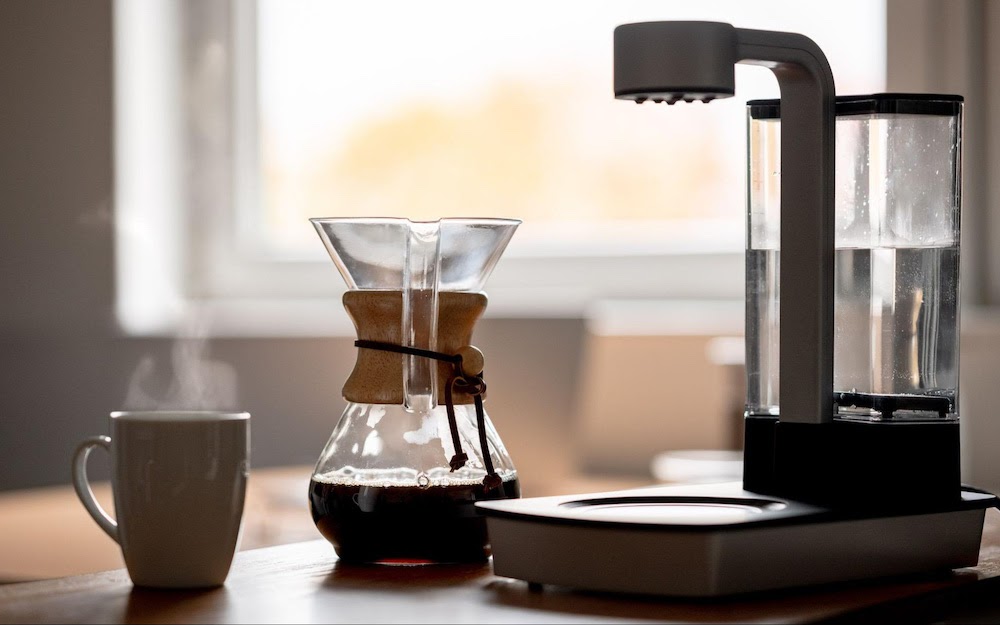
For over-extracted coffee, FrontStreet Coffee has three suggestions to fix it:
- Design the extraction time properly. Extraction time is the main variable here. If you rush the brew, you can't extract enough of the sugars from the beans. If it steeps too long, you'll over-extract and drift into bitterness.
- Grind size matters enormously. Try different grind settings yourself, note how each one changes the cup, keep refining, and find the balance point.
- Adjust the coffee-to-water ratio.
FrontStreet Coffee Recommendation
During roasting, three elements decide a coffee's final flavor and must be kept in check: sourness, sweetness, and bitterness. The darker the roast, the more bitter and heavy the cup; the lighter, the more acidic and delicate. If what you want is balance — the opposite of that harsh, over-extracted edge — start with medium-roasted beans.
If you dislike both sour and bitter, FrontStreet Brazil Queen Estate is a great pick. It comes from Brazil, the world's largest coffee producer, grown from the local Yellow Bourbon variety. Gentle and sweet, at a medium roast it shows aromas and sweetness of creamy peanut, chocolate, toasted bread, and sugarcane, and it works just as well in a moka pot or espresso machine as it does as a pour-over.
For a sweeter medium roast, try FrontStreet Strawberry Candy, a blend famed for its fruit character that pairs two celebrated origins: a honey-process coffee from Costa Rica and a washed Geisha from Panama. Roasted medium to showcase its best, it offers both orange-blossom honey notes and rounded sweetness, and it shines as a cold brew, pour-over, or espresso — a refreshingly lifted cup from the first sip.
Important Notice :
FrontStreet Coffee is a long-established specialty coffee roaster in Guangzhou China, selling freshly roasted beans from its own farm in Yunnan as well as dozens of carefully selected single-origin beans from around the world for both pour-over and espresso. The products deliver consistently excellent quality and great value, with shipping within 24 hours. Guangzhou's FrontStreet Coffee shop is recommended by many coffee lovers, and the beans are now available online at the Tmall 。
FrontStreet Coffee has moved to a new address:
FrontStreet Coffee Address: 315,Donghua East Road,GuangZhou
Tel:020 38364473
 Scan and follow the En Gafei WeChat official account. Please indicate that the reprint comes from "En Gafei".