Why Yemen Mocha Coffee is Expensive_ Introduction to Yemen Mocha Coffee's Flavor Profile Characteristics
For professional coffee knowledge exchange and more coffee bean information, please follow Coffee Workshop (WeChat public account: cafe_style).
A Highly Representative Specialty Coffee: Costa Rican Alma Negra!
Friends, gather around! This is a one-time opportunity, so act quickly - GO GO GO...
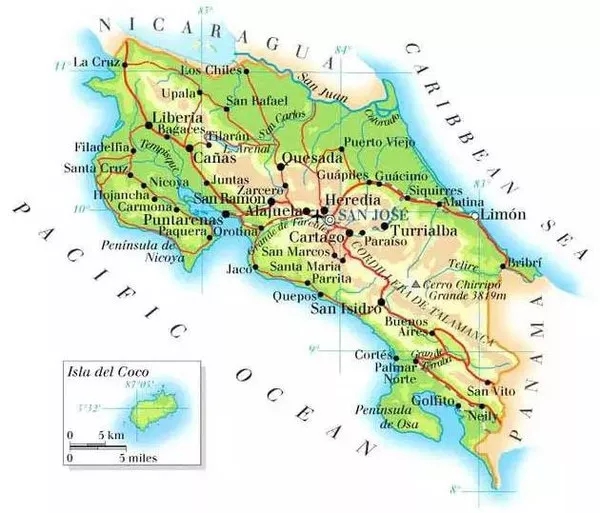
Coffee beans grown in the high-altitude regions of Costa Rica are world-renowned for their rich yet mild flavor and vibrant acidity. The beans here are meticulously processed, which is precisely why they reach such high quality. Costa Rica's Tarrazú region lies south of the capital San José, making it one of the country's most prized coffee-growing areas.
Las Lajas: A Pioneer in Organic and Alternative Processing
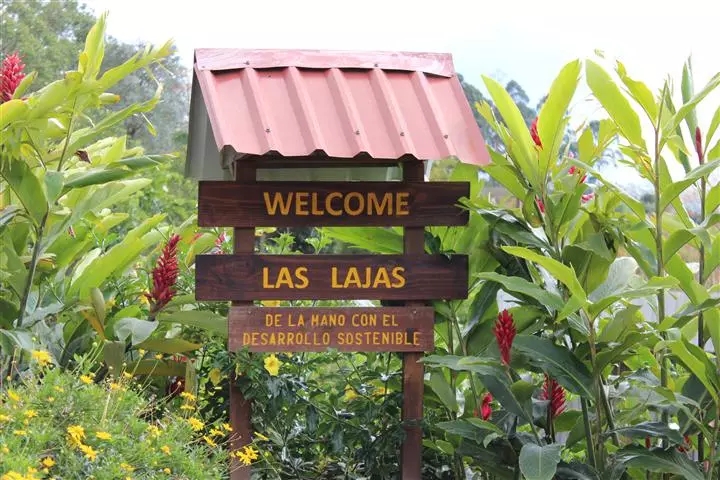
Costa Rica has eight coffee-producing regions, of which three are recognized as the finest: Tarrazú, Central Valley, and Western Valley. Las Lajas sits in Sabanilla de Alajuela, in the Central Valley region, at the foothills of the Poás Volcano. "Las Lajas" is the name of the Chacón family's mill, and their farms include Finca La Mirella and Finca San Luis, where this coffee is produced. Francisca and Oscar Chacón are the third-generation operators of the small Las Lajas processing facility, a business the Chacón family has run for more than 80 years since their grandfather's generation.
In 1995, Oscar's father passed away from cancer, and the family suspected that the chemical fertilizers and pesticides used on the farm were to blame. From that point on, they stopped using toxic chemicals entirely, switched to natural, homemade compost, and adopted environmentally friendly farming with shade-grown cultivation under native trees. After five years of organic cultivation - and only once soil, branch, leaf, and fruit analyses all met the required standards - Las Lajas became Costa Rica's first organically certified farm in 2000.
Innovation in Processing Methods
Las Lajas was also the first mill in Central America to adopt honey processing and natural sun-drying methods. Sun-drying is a very traditional approach that uses minimal resources, but because so many factors lie beyond the producer's control, achieving excellent results is extremely difficult. Francisca introduced numerous innovations, such as using a Brix meter (a tool common in the wine industry) to measure the sugar content of the fruit. Based on Brix readings, she determines the optimal harvest time and processing method: only cherries with sugar content above 20% are selected for natural drying. For reference, typical Brix values are 14 for apples, 12 for lemons, and 18 for passion fruit - yet Las Lajas coffee cherries can reach 21-22%. The mill produces not only natural and honey-processed coffees but also washed coffees. The farm grows the Caturra, Catuai, and Villa Sarchi varieties, and has also introduced small amounts of Kenyan varieties such as SL28, along with Obata.
The Meticulous Natural Processing
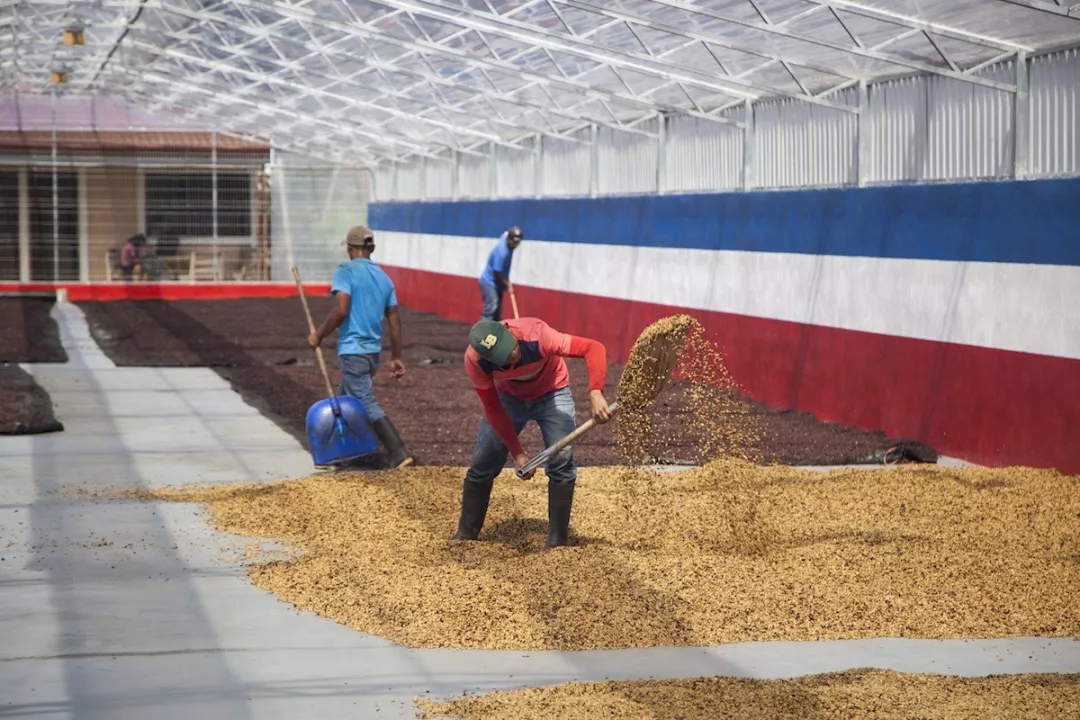
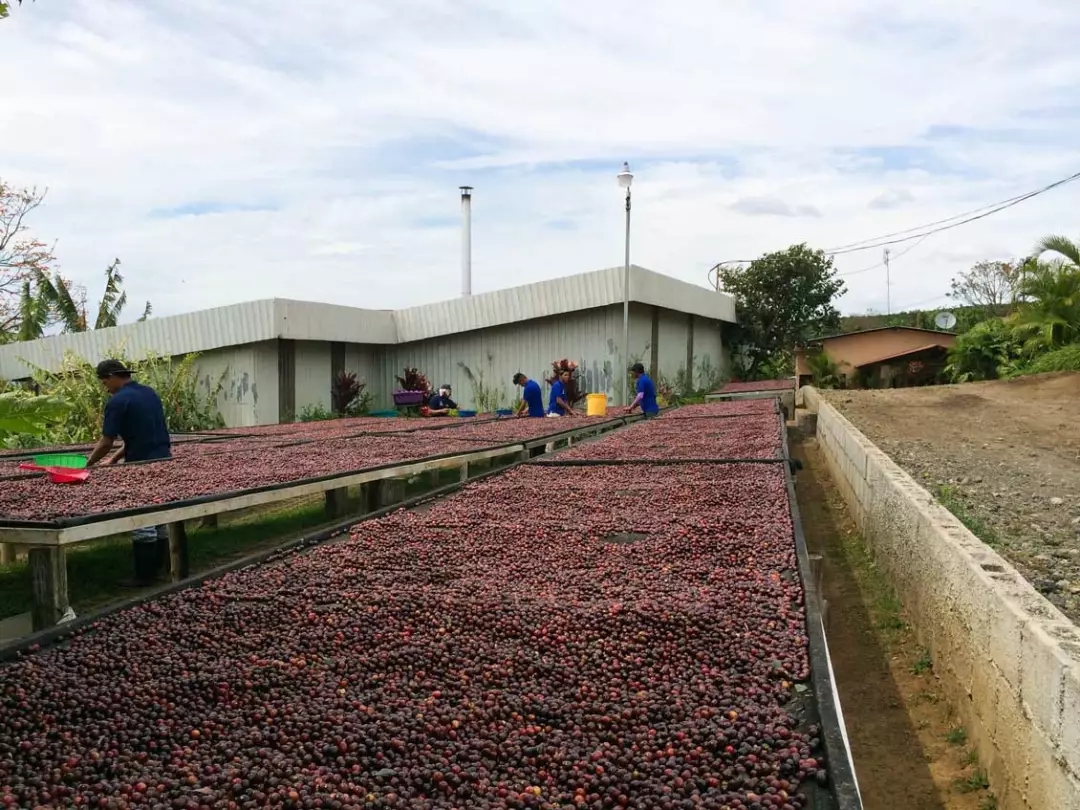
Francisca's natural process is remarkably labor-intensive. Hand-picked, high-sugar cherries are first laid out on African raised beds to sun-dry for about 10 days, then moved into a greenhouse covered with plastic sheeting, where the trapped heat continues the drying until the moisture content reaches 11.5%. This slow drying allows the green beans to develop more natural sweetness from within, but it also demands careful attention and precise calculation of the turning frequency. By the end, the bright red cherries have turned black, emitting aromas of fruitcake, brown sugar, and even sherry wine - the sign of a successful batch.
Las Lajas offers two types of natural process:
Perla Negra (Black Pearl): Natural process, dried on raised beds with regular turning.
Alma Negra (Black Soul): Natural process, dried on raised beds with only a few turns per day.
The Exceptional Alma Negra
Compared with Perla Negra, Alma Negra is turned less often, which produces greater fermentation - and also a greater risk of failure. Under Las Lajas' careful handling, however, this "Black Soul" has become an exceptional example among naturally processed coffees, with rich flavors, a thick and rounded mouthfeel, and a long-lasting aftertaste. Comparing different processes from the same mill reveals distinctly different flavor profiles, and comparative tasting offers special insights of its own.
Brewing Recommendations for Costa Rican Alma Negra
Pour-Over Method
FrontStreet Coffee suggests brewing this coffee by hand:
Recommended method: Pour-over
Dripper: Hario V60
Water temperature: 90°C
Coffee-to-water ratio: 1:15
Grind size: BG 5R (58% pass-through rate on China standard #20 sieve)
Technique: Bloom with 32g of water for 32 seconds, then pour in stages up to 126g. When the water level drops and the coffee bed is about to be exposed, continue pouring to 228g and stop. Once the water level drops again and the bed is about to be exposed, remove the dripper. (Timing starts from the bloom.) Total extraction time is 1 minute 50 seconds.
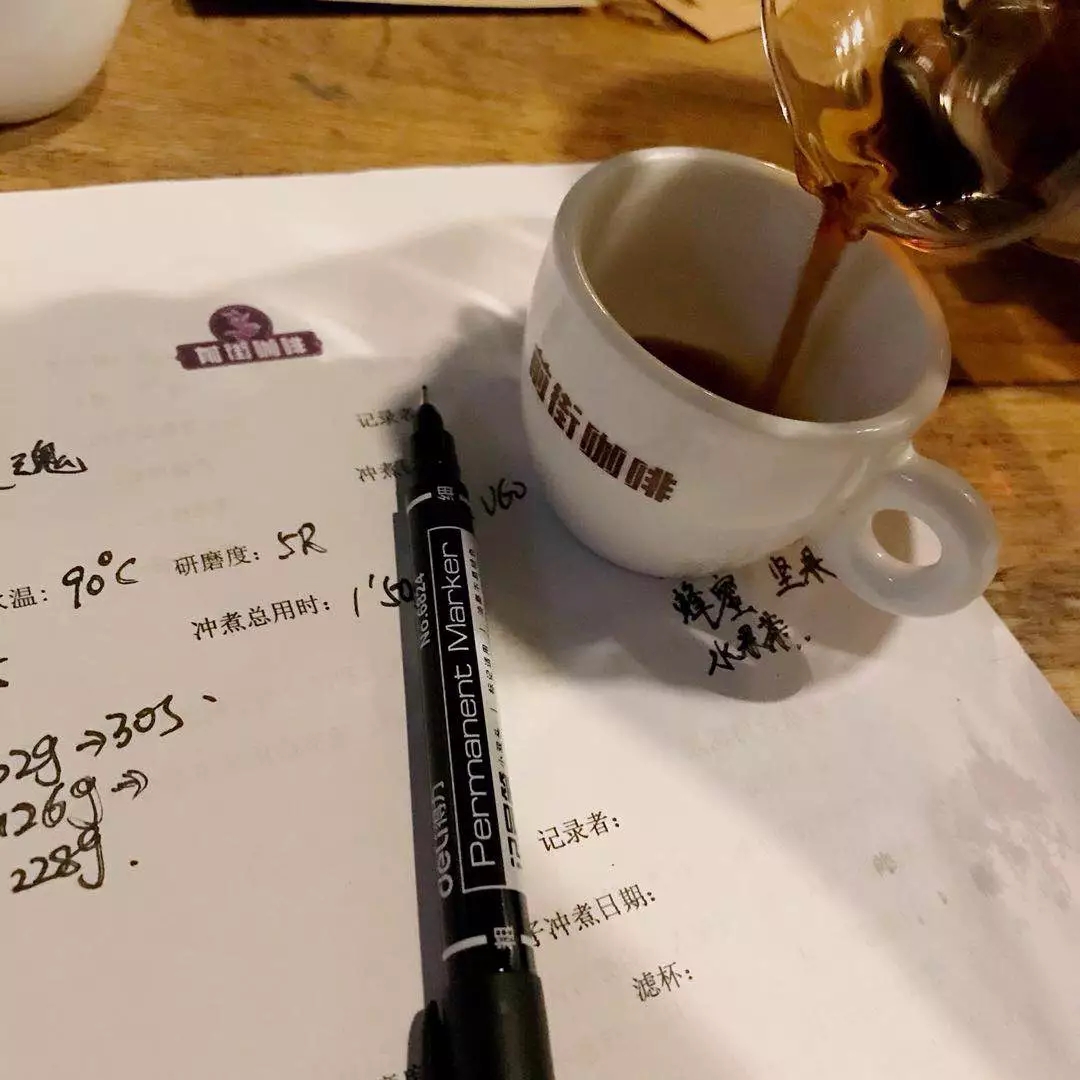
Flavor profile: The aroma reveals subtle fermented wine notes and an almond fragrance. On the palate you'll find the tartness of dark plum, citrus, and green apple. The mid-section brings dark chocolate and nuts, while the finish carries a light brown sugar sweetness. As the cup cools, the entry shows tropical fruit-like sweetness and acidity, the mid-section unfolds into creamy, honeyed sweetness, and the aftertaste has the character of fruit tea.
Syphon Method
Unlike the V60 dripper, the syphon is primarily an immersion method, producing a more balanced flavor and a richer mouthfeel in the finished cup.

The main principle of siphon extraction is the pressure differential. First, the water in the lower chamber is heated to boiling, then the upper chamber is inserted, creating high pressure in the lower chamber. Because of the pressure difference between the lower and upper chambers, hot water rises to meet the coffee grounds in the upper chamber and extraction begins. When extraction ends, the heat source is removed from the lower chamber, and the pressure difference between the chambers drops instantly. The resulting suction pulls the brewed coffee back down into the lower chamber.
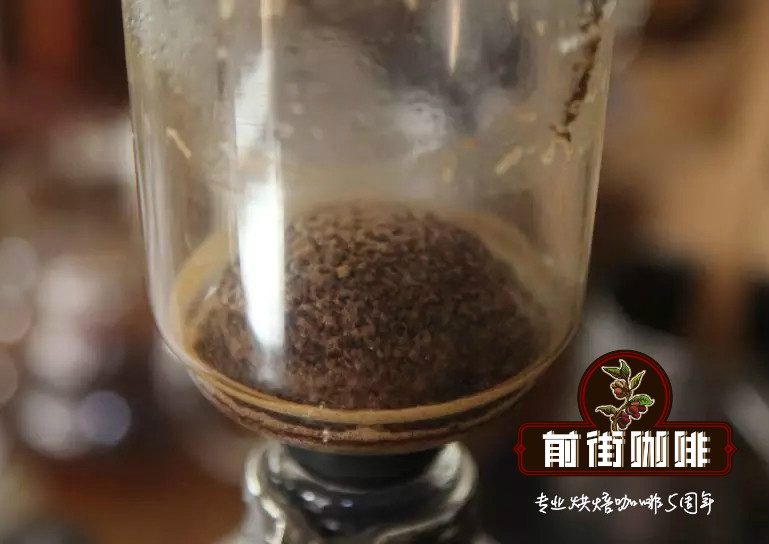
Parameters and technique: Grind size: BG 5R (58% pass-through rate on China standard #20 sieve); water temperature: 91°C; coffee-to-water ratio: 1:13.
Using a post-addition method, wait until the water has risen from the lower chamber to the upper chamber, then add 20g of grounds and stir to ensure full contact between coffee and hot water. At 35 seconds, give three stirs to boost extraction. At 55 seconds, remove the heat source and stir twice. The brewed coffee takes 1 minute 38 seconds to return to the lower chamber.
Flavor profile: The aroma carries clear fermented fruit notes. On the palate, you'll taste citrus, blueberry, grapefruit, and raspberry. The mid-section brings the sweetness of liqueur chocolate, and the finish carries a genmaicha (brown rice tea) fragrance. As the cup cools, the dark plum acidity grows more pronounced, backed by a lasting brown sugar sweetness.
END
FrontStreet Coffee Recommendation: Fruit-Forward Light Roasts for Lovers of Natural-Process Sweetness
If the winey, fruitcake-laden sweetness of Alma Negra appeals to you, FrontStreet Coffee's Ethiopia Huakui is a natural next step. One of the most celebrated star beans of the specialty scene in recent years, Huakui bursts with tropical fruit aroma - strawberry, passion fruit, jackfruit, even lychee - with pronounced sweetness and very little bitterness. The entry is silky and juice-like, which is why drinkers often call it "the coffee that least tastes like coffee." For anyone whose palate prefers bright fruit over traditional roasty bitterness, a light roast like this can completely reshape what you expect from a cup.
Important Notice :
FrontStreet Coffee is a long-established specialty coffee roaster in Guangzhou China, selling freshly roasted beans from its own farm in Yunnan as well as dozens of carefully selected single-origin beans from around the world for both pour-over and espresso. The products deliver consistently excellent quality and great value, with shipping within 24 hours. Guangzhou's FrontStreet Coffee shop is recommended by many coffee lovers, and the beans are now available online at the Tmall 。
FrontStreet Coffee has moved to a new address:
FrontStreet Coffee Address: 315,Donghua East Road,GuangZhou
Tel:020 38364473
 Scan and follow the En Gafei WeChat official account. Please indicate that the reprint comes from "En Gafei".