Which is better: Mandheling or Italian-style flavor coffee? The differences and characteristics of Mandheling coffee beans and Italian-style coffee beans
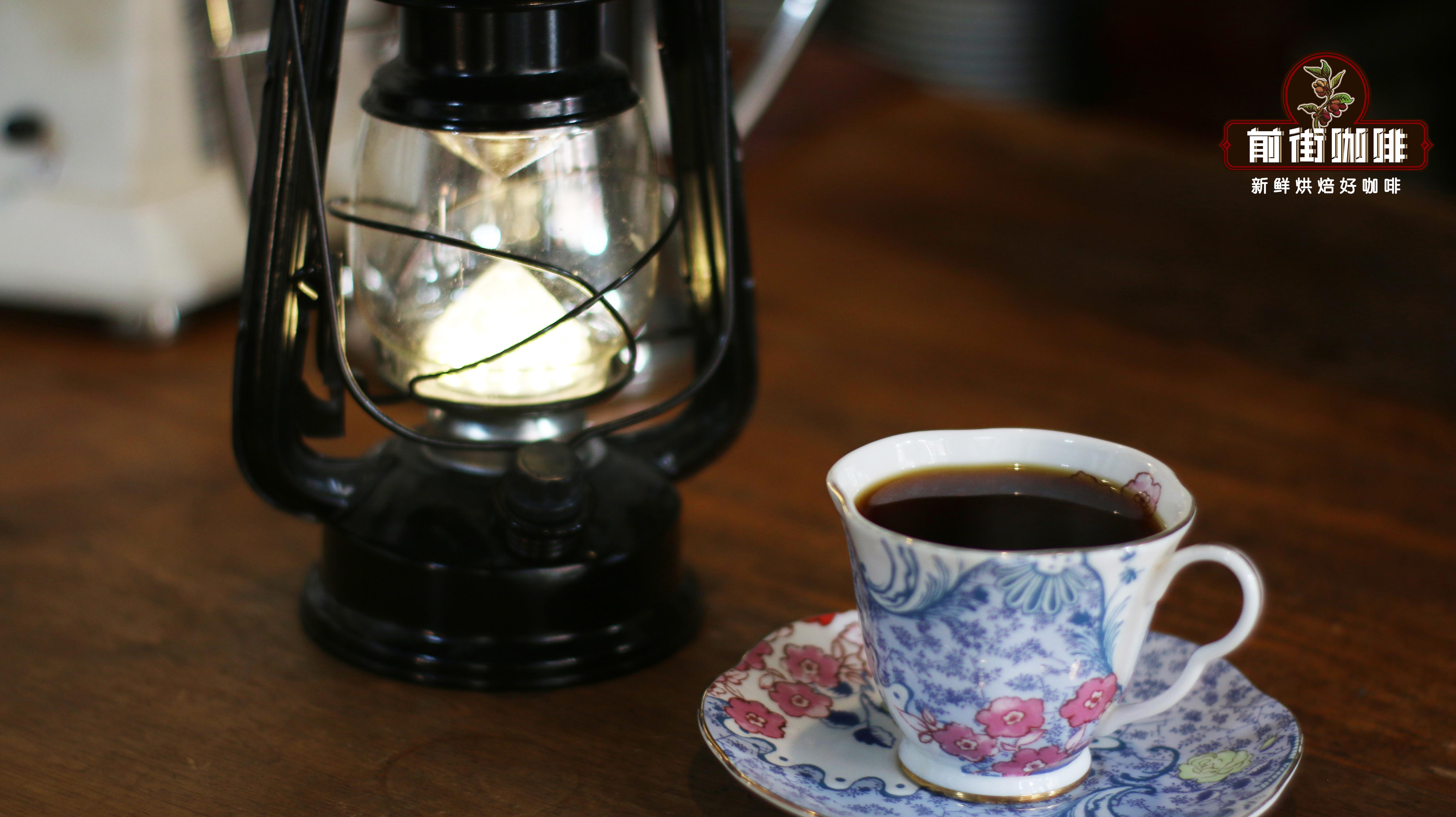
FrontStreet Coffee's Mandheling comes from the Sumatra region of Indonesia. It is a single-origin bean, usually brewed as pour-over coffee, with a rich aroma and mellow taste. Espresso, by contrast, is the concentrated, pressure-extracted coffee liquid produced by an espresso machine, with an intense, punchy flavor.
In recent years, as fast-paced espresso culture has spread, coffee shops of every style have opened across the country. It takes only two minutes to brew a small cup of rich, flavorful coffee, which has won over countless young people. Many of them now want to buy equipment and make it at home. In this article, FrontStreet Coffee walks through the differences between espresso and pour-over single-origin coffee.
Understanding Espresso Coffee
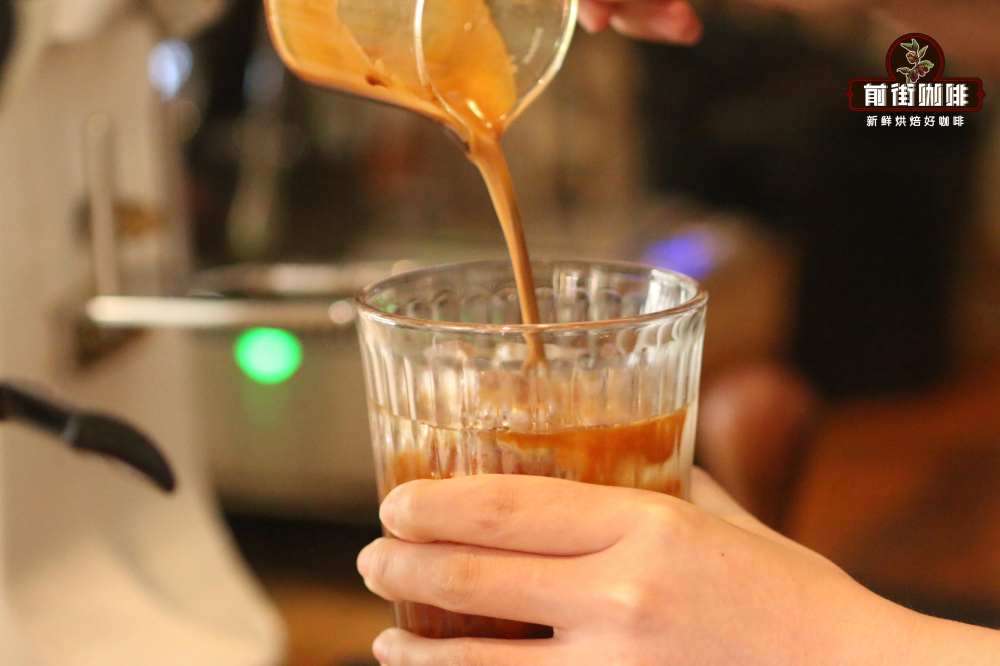
"Espresso" refers to coffee extracted by a semi-automatic or fully automatic espresso machine, yielding a thick coffee liquid crowned with a layer of dense crema. As espresso spread worldwide, people adapted it to local tastes, building popular drinks such as the Americano, Latte, and Mocha on an espresso base — all of which belong to the espresso family.
When we pull a shot of espresso, the extraction happens in a very short time: finely ground coffee is packed into a compact puck, and near-boiling water is forced through it under pressure to dissolve the coffee's soluble compounds quickly. Pour-over coffee, on the other hand, is drip coffee: hot water is poured through permeable grounds at normal atmospheric pressure, and the grounds absorb and release their soluble aromatics over a much longer period.
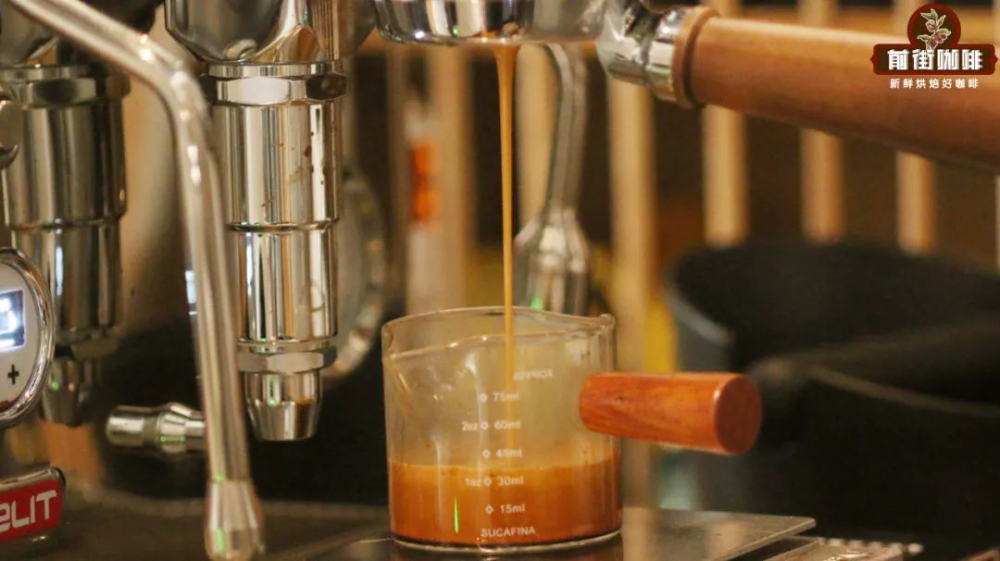
Pressurized extraction concentrates every flavor the coffee has to offer, which is why espresso tastes so intense — and why people usually dilute it with water or milk before drinking. Pour-over coffee, with its longer brew time and higher water volume, produces a fresh, elegant cup that is typically enjoyed straight after brewing.
Espresso Beans vs. Pour-over Single-origin Beans
Because espresso and pour-over extract so differently, the beans used should be chosen to match. Take the same light-roasted single-origin bean: brewed as pour-over, it will show sweet, fresh floral and fruity aromas; pulled as espresso, the same bean can taste sharply sour. That is why espresso beans are usually roasted slightly deeper, developing more caramelized compounds to balance the shot.
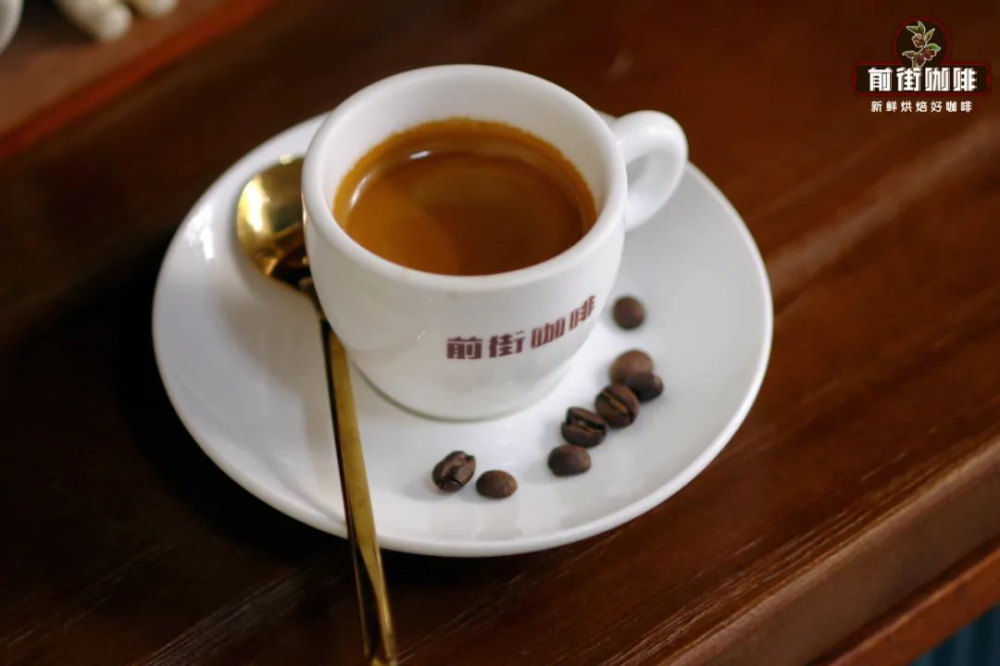
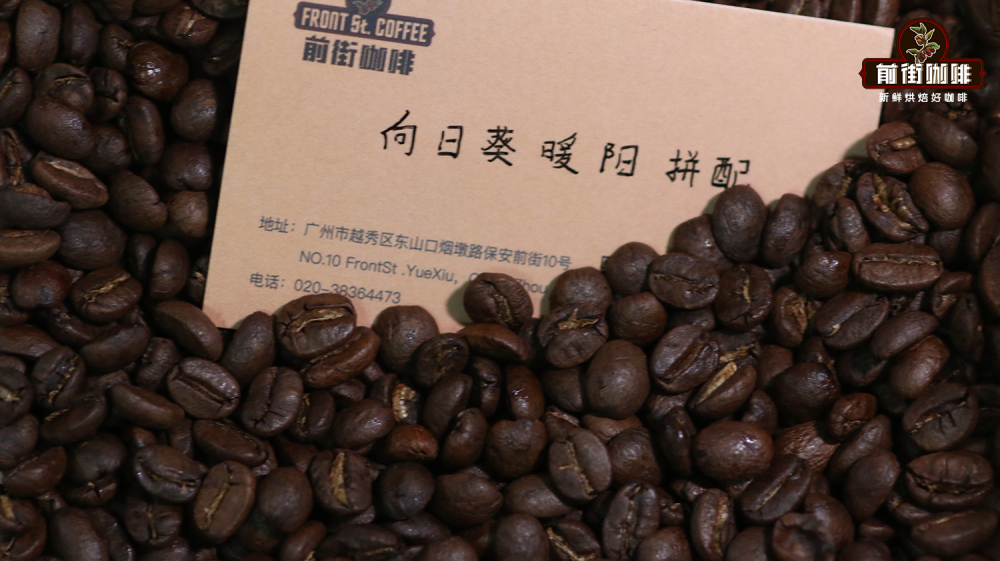
An espresso blend is created when roasters select beans from different origins with different flavor profiles, then mix and roast them together (or roast them separately and blend in set proportions) to produce espresso with a rich yet balanced flavor. For example, the Sunflower Warm Sunshine Espresso Blend served in FrontStreet Coffee's stores is built from the Honduras Sherry (whiskey-barrel fermented) and the Ethiopia Natural Red Cherry, blended at a 7:3 ratio. The resulting espresso has thick crema, a clear whiskey aroma, soft berry acidity, and a rich, balanced taste.
As specialty coffee culture matures, regional character has become the pursuit of many coffee professionals. Many shops now pull espresso from high-quality single-origin beans — what we commonly call SOE. As FrontStreet Coffee has noted, however, if you want espresso that expresses regional character without losing balance, you need to adjust the roasting curve; otherwise, the regional character is lost. For home espresso, FrontStreet Coffee recommends using a dedicated espresso blend or a medium-dark roasted single origin, which makes extraction more forgiving and stable.
Recommended Single-origin Beans for Pour-over
If you are new to coffee, FrontStreet Coffee suggests starting with classic regional flavors. We have selected several of the world's most iconic coffee regions, covering different varieties, and released them as the FrontStreet Coffee Daily Bean series in 100g packages — the signature beans of their respective regions, letting you learn each region's fundamental flavors: the jasmine florals and lemon acidity of Yirgacheffe, the herbal spice notes of wet-hulled Mandheling, the cream and chocolate of Brazil, and more.
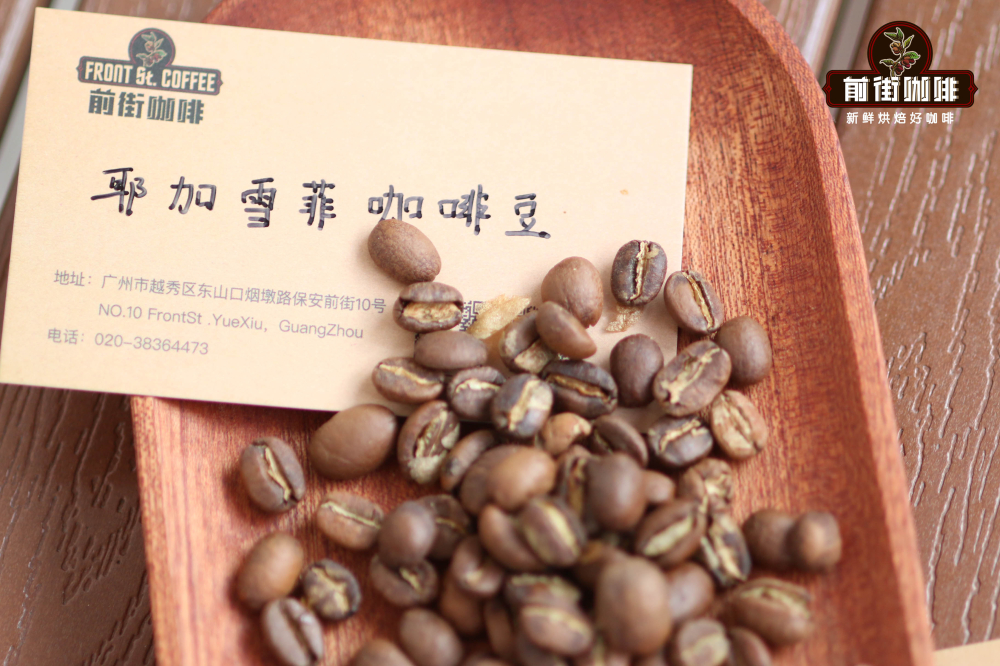
FrontStreet Coffee's Yirgacheffe coffee comes from Ethiopia, the birthplace of coffee. Unlike the traditional natural method, Yirgacheffe is washed processed, which greatly reduces defect rates while bringing fresh floral aroma and a bright, uplifting acidity. Its distinctive flavor has made it an unforgettable favorite for many coffee drinkers.
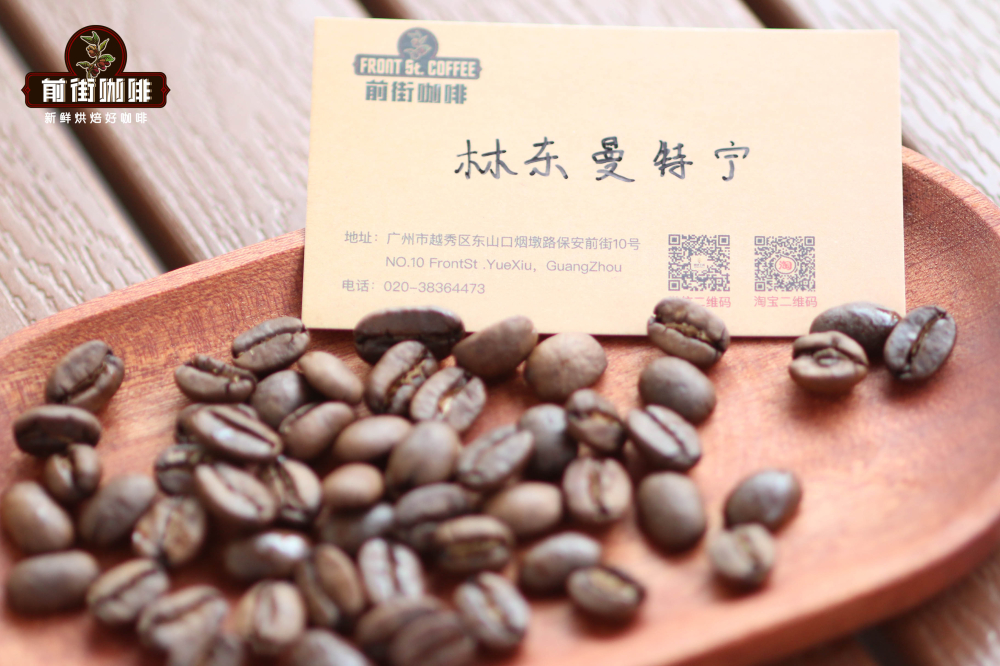
As a classic mellow choice among pour-over single origins, FrontStreet Coffee's Mandheling remains enduringly popular. Indonesia's humid, hot climate gave rise to the unique wet-hulling method: the parchment layer covering the green beans is stripped off "forcibly" before the beans are fully dry, so the beans finish drying in an exposed state, absorbing moisture from the air. The coffee carries woody, herbal, and spicy aromas, and after roasting it shows black chocolate and nutty mellowness, with a distinctive pine and herbal character.
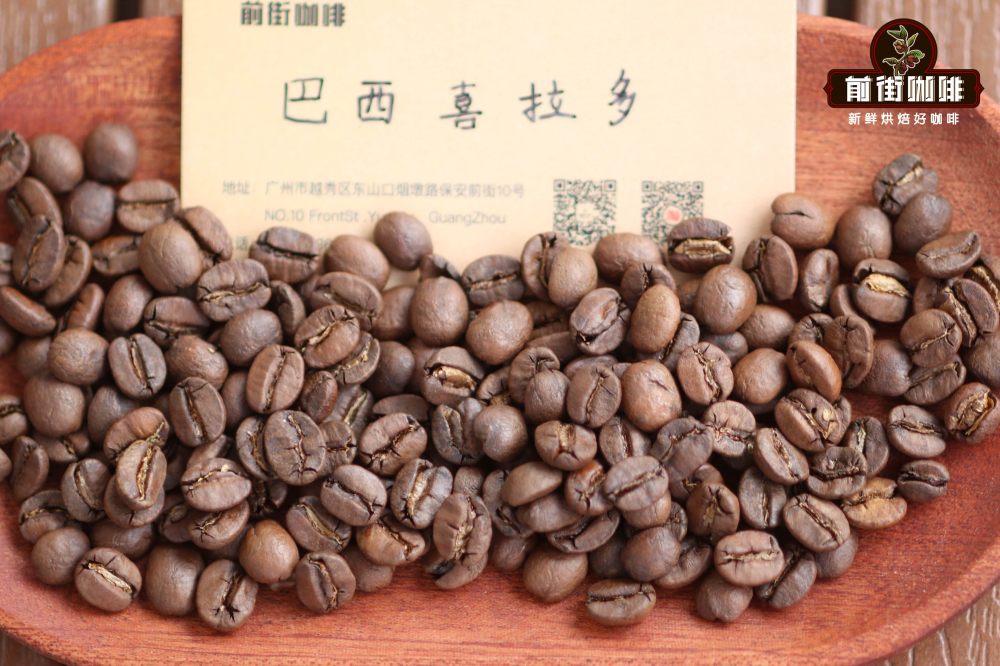
As the world's largest coffee producer, Brazil and its classic cream and nut flavors have underpinned the mellow body of many espresso blends. This FrontStreet Coffee Brazil Daily Bean is selected from the Cerrado region of Minas Gerais state and belongs to the Red Bourbon variety. The pulped natural (semi-dry) processing method reduces off-flavors while enhancing the coffee's fruity aroma and sweetness.

Colombian coffee is world-famous for its smooth texture and rich nutty-chocolate mellowness. This Daily Bean uses the high-quality Caturra variety from the renowned Huila region, whose unique microclimate creates abundant aromatic complexity. Washed processed, FrontStreet Coffee's Huila offers chocolate, caramel, and a smooth, pleasant fruit acidity.
Recommended Espresso Coffee Beans
The taste of espresso is determined first and foremost by the beans. To balance the flavors and achieve a mellower cup, most shops choose medium-dark roasted blends. Drawing on a deep understanding of the flavor profiles of beans from different regions, FrontStreet Coffee uses varied proportions so that the components complement one another, and after repeated comparative testing has released four espresso blends.
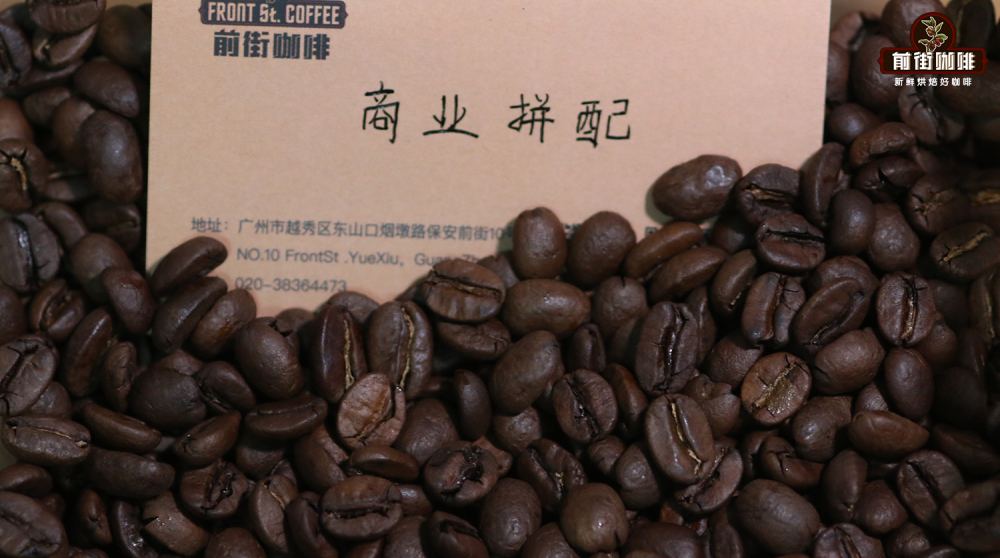
Classic Mellow — FrontStreet Coffee Commercial Blend
Washed Robusta (10%) + washed Colombia (30%) + Brazil semi-dry (60%)
The espresso it produces has rich golden crema and a nutty aroma. On the palate you get an aromatic bitterness — and more importantly, a creamy, full-bodied texture. After swallowing, the bitterness fades and a lingering aroma remains, easily meeting the daily needs of a coffee shop.
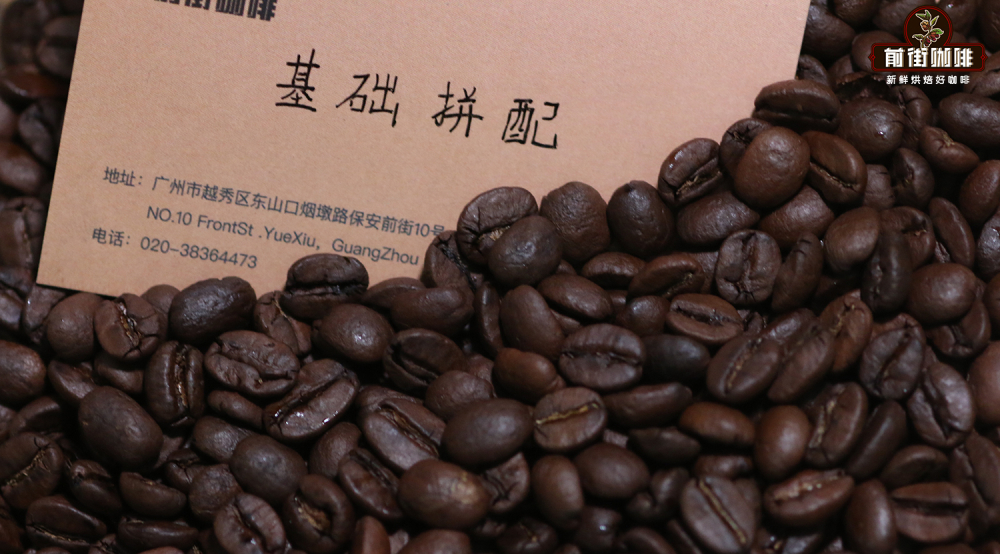
Lightly Bright and Mellow — FrontStreet Coffee Basic Blend
Washed Yunnan Arabica (30%) + Brazil semi-dry (70%)
The soft acidity of Yunnan Arabica pairs with the mellow aroma of Brazil Cerrado, yielding espresso with caramel, nuts, and a gentle plum acidity. This cost-effective blend suits shops and home users who prioritize value over intricate flavor demands.
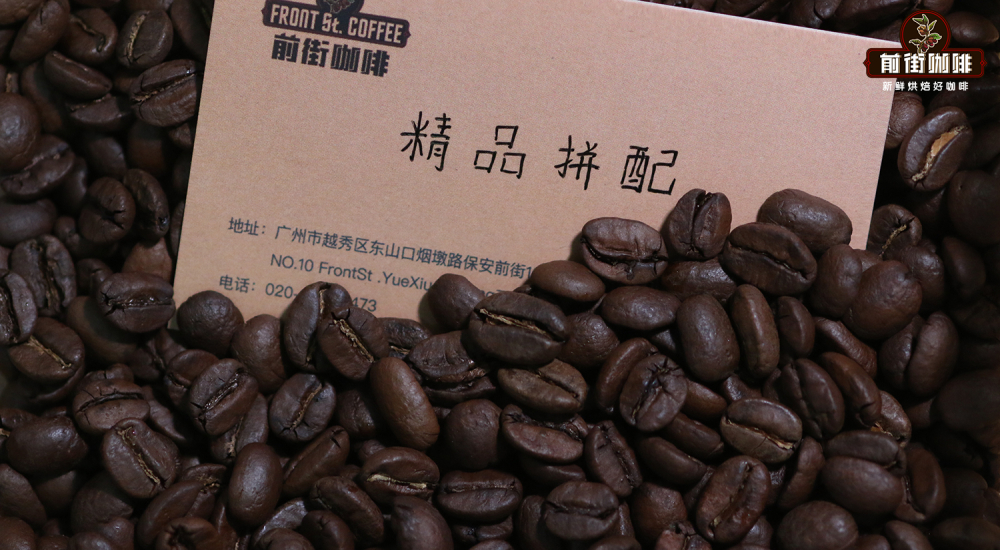
Balanced and Rich — FrontStreet Coffee Premium Blend
Washed Colombia (30%) + Brazil semi-dry (70%)
Colombian coffee is layered onto classic Brazilian nuttiness, producing espresso with dark chocolate, caramel sweetness, and full roast aromatics — well suited to a shop's everyday production.
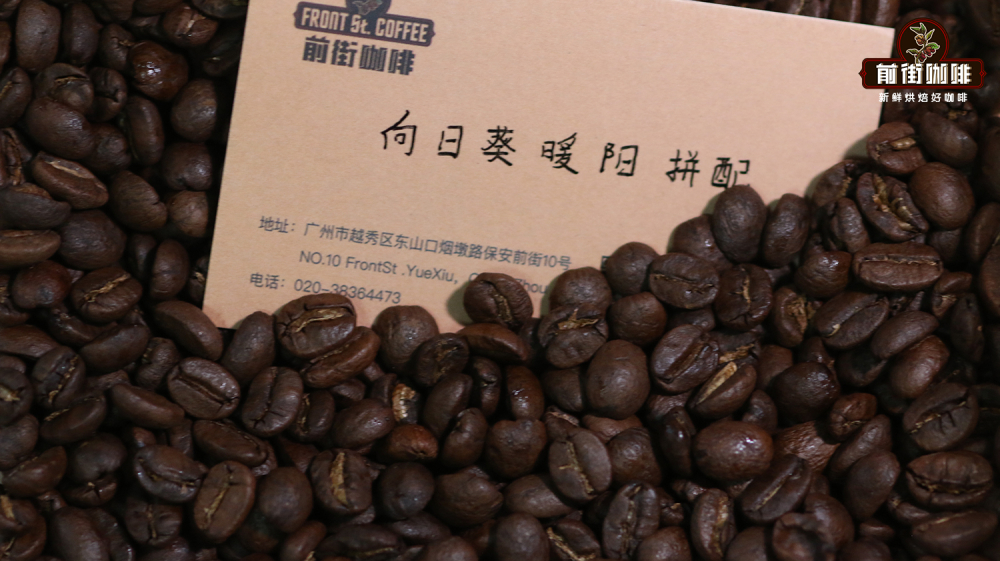
Delicate Wine Aroma — FrontStreet Coffee Sunflower Warm Sunshine Blend
Ethiopia Natural Red Cherry (30%) + Honduras Sherry Barrel (70%)
Pulled as espresso, it opens with rich dark chocolate and strong caramel aromas, and the fragrance it releases after swallowing lingers endlessly. Whether diluted into an Americano or enriched with milk in a latte, both drinks show a rich aroma and taste.
To make sure every order arrives freshly roasted, FrontStreet Coffee ships beans roasted within the last 5 days, so they may still be in the degassing stage when they reach you. Roasted blends need 7-10 days of degassing before entering their peak flavor window, at which point the espresso you extract will be noticeably more stable.
For professional coffee knowledge exchange and more coffee bean information, please follow Coffee Workshop (WeChat public account: cafe_style)
For more specialty coffee beans, please add private WeChat FrontStreet Coffee, WeChat ID: qjcoffeex
FrontStreet Coffee Recommendation: PWN Golden Mandheling for a Bold, Mellow Cup
Among the pour-over classics above, FrontStreet Coffee especially recommends the PWN Golden Mandheling, the definitive expression of Sumatra's wet-hulled style. Sourced from Indonesia's PWN company, it is screened to beans of 18# size and above, held to the top G1 grade with fewer than 3 defective beans per 300g sample, and hand-sorted three times — yielding exceptional cleanliness and sweetness. Roasted medium-dark, it shows caramel sweetness over a thick, heavy body with herbal and spice notes. FrontStreet Coffee suggests pour-over at 87-88°C, 15g of coffee at a 1:15 ratio, a coarse-sugar grind, and a three-stage pour to bring out its full body and caramel sweetness.
Important Notice :
FrontStreet Coffee is a long-established specialty coffee roaster in Guangzhou China, selling freshly roasted beans from its own farm in Yunnan as well as dozens of carefully selected single-origin beans from around the world for both pour-over and espresso. The products deliver consistently excellent quality and great value, with shipping within 24 hours. Guangzhou's FrontStreet Coffee shop is recommended by many coffee lovers, and the beans are now available online at the Tmall 。
FrontStreet Coffee has moved to a new address:
FrontStreet Coffee Address: 315,Donghua East Road,GuangZhou
Tel:020 38364473
 Scan and follow the En Gafei WeChat official account. Please indicate that the reprint comes from "En Gafei".