Flavor Characteristics of the Queen of Coffee Beans - The Relationship Between Yirgacheffe and Queen of Coffee Beans
FrontStreet Coffee's Guji flavor profile: Passion fruit, rose floral aroma, strawberry jam, berry sweetness and acidity, juicy peach sensation, and a tea-like finish.
FrontStreet Coffee's Yirgacheffe flavor profile: Lemon, sweet orange, tangerine, grapefruit, white floral notes, nuts, and a green tea finish.
When it comes to refreshing, uplifting single-origin coffees, Ethiopian beans spring to mind first. The bright, lemon-like acidity of washed Yirgacheffe and the juicy, full-bodied natural Guji are unmatched favorites among light-to-medium roast enthusiasts. Both come from Ethiopia — so why do they show such different sweet and acidic characters? Let FrontStreet Coffee take you into its two famous producing regions: Yirgacheffe and Sidamo.
The Sidamo Coffee Region
Sidamo lies in southern Ethiopia, extending east to the Arsi and Bale administrative zones and west into Gamogofa. Its coffee trees are typically cultivated at 1,400-2,000 meters. Agriculture dominates the local economy, with coffee growing concentrated around the Great Rift Valley.

With Sidamo's rapid development in recent years, it has become an important coffee export hub. Its flavors are remarkably diverse — different soils, microclimates, and countless native varieties give each town's coffee its own character. Because Sidamo's beans are so rich in floral and fruit aromatics, most cherries here are natural processed, amplifying the floral-fruity sweetness and juicy body.
Why Does Natural Processing Create Rich Fruity Flavors?
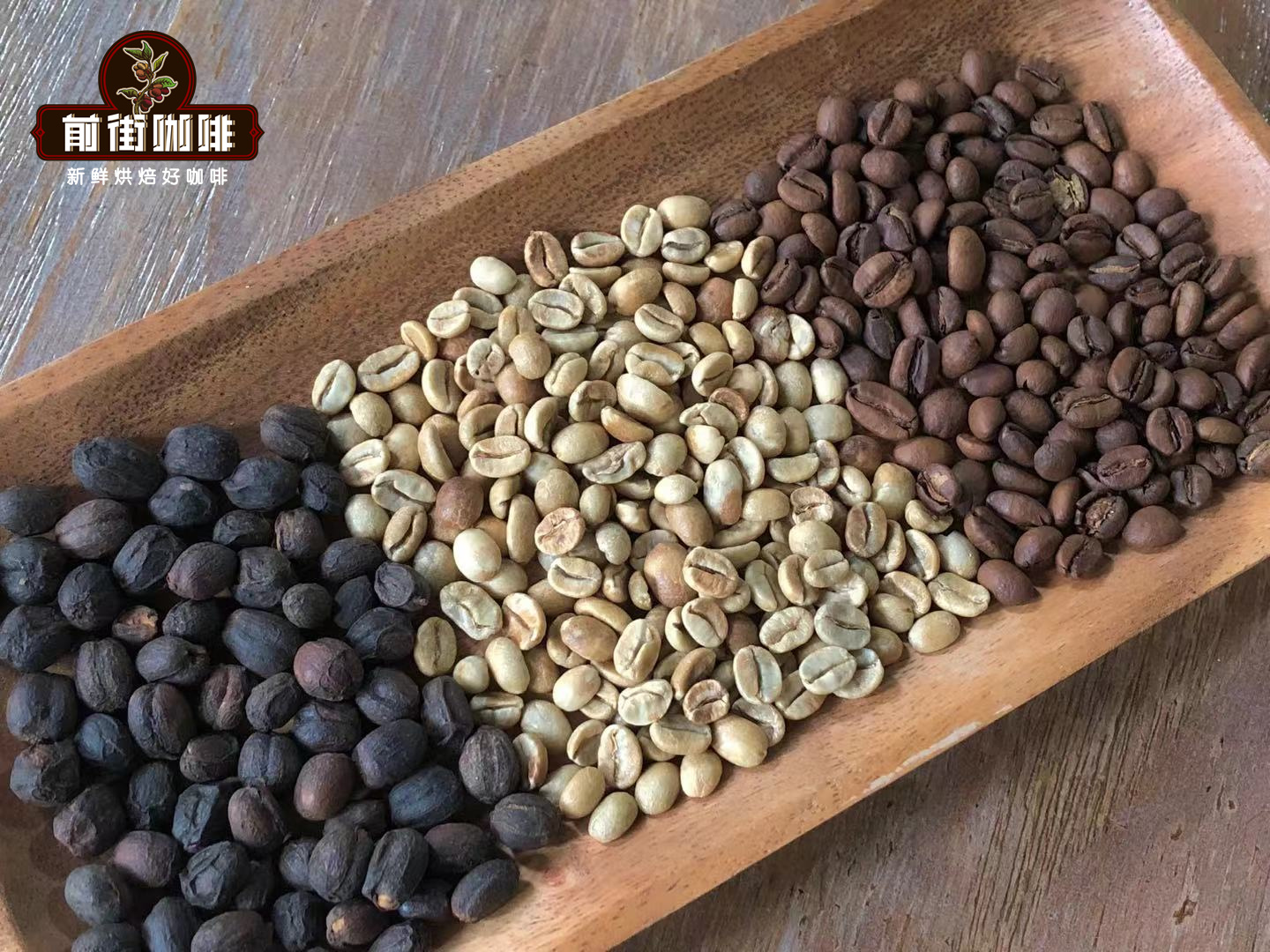
Natural processing — also called the Dry Process or sun-dried method — simply dries whole coffee cherries in full sun. Compared with other methods it is far simpler: with good weather, the cherries are spread out to soak up the sun, whether on African drying beds or clean cement courtyards.

Because the whole fruit dries intact, its moisture content far exceeds that of fully depulped, demucilaged washed beans, so drying takes longer — typically twice as long as washed processing. In sun-drenched Ethiopia, it takes at least 3 weeks to dry the cherries completely for storage. In Central and South America, some well-equipped estates build specialized wooden drying beds or shaded structures to slow the fruit's drying, creating varying degrees of fermentation — such slow natural drying usually requires 4-5 weeks.
Once sun-drying brings the moisture down to 11-13%, the skin, pulp, and mucilage are removed. During drying, the beans absorb sugars from the pulp and mucilage, and over a month of drying they have ample time to do so — creating juice-like sweet-sour flavors. Meanwhile the pulp ferments mildly in the sun, and those fermented notes absorbed by the beans give the brewed coffee its full, smooth sensation. FrontStreet Coffee sums up natural processing's signatures as rich fruit aromas, mild fermentation, noticeable sweetness, and a smooth mouthfeel.

Guji coffee beans come from the Hambella region of Sidamo, processed by the local natural method. Unlike other Sidamo beans, only natural-processed lots from the Buku processing station in Hambella may be called "Guji Coffee." Since coffee is an agricultural product and flavors shift each year with climate and soil, batches after the award-winning Guji of 2017 carry an X.0 label — the 2021 batch was "Guji 5.0," and the latest 2024 batch is, naturally, "Guji 8.0."
FrontStreet Coffee: Sidamo · Guji 8.0 Coffee Beans
- Country: Ethiopia
- Region: Sidamo · Guji Zone
- Altitude: 2,250-2,350 meters
- Variety: Local native varieties
- Processing Method: Natural
- Flavor: Floral notes, jackfruit, dried fruit, apricot, juicy sensation
The new-crop Guji 8.0 shows more intense fruit in the dry aroma than the 7.0 — dense guava, jackfruit, apricot, dried fruit, citrus, and pink floral notes; add hot water and honey, berry, and chocolate sweetness emerges.

Cupping the 8.0, FrontStreet Coffee first finds multiple fruit sweetness and acidity interweaving — dried mango, jackfruit, sweet orange, passion fruit — with clear juice sensation and a rounded mouthfeel. As the cup cools, peach's sweet clarity and bright berry acidity emerge; after swallowing, a tea-like aftertaste lingers with incredibly rich layers.
The Yirgacheffe Coffee Region
Yirgacheffe, in Ethiopia, was originally a sub-region of Sidamo, known for bright, delicate flavors forming a style distinct from the broader Sidamo region. So recognizable was that style that farmers competed to produce beans "with Yirgacheffe character," and the region broke away to become today's renowned Yirgacheffe. FrontStreet Coffee notes that beyond its innate terroir, Yirgacheffe owes much of its style to washed processing.

Ethiopia's high altitude and abundant sunshine make sun-drying cherries easy, and Yirgacheffe originally focused on naturals. The traditional method simply spread cherries on the ground to dry — no sorting, no flotation — so quality swung wildly. Not until the 1970s did the town of Yirgacheffe establish Sidamo's first washing station, and farmers gradually adopted washed processing.
As more farmer cooperatives formed, people wanted washed processing plants to improve export quality — raising incomes while serving several communities. Unlike natural processing, washing stations need water resources first, then depulping machines, then enough hands. So places with people, water, and roads are ideal washing-station sites — and Yirgacheffe was exactly that treasure.

The town, in the Gedeo Zone, sits downstream of large lakes, with abundant springs and rivers providing plenty of freshwater for washing stations. FrontStreet Coffee also notes that in Ethiopia's ancient language, "Yirgacheffe" combines two words: Yirga (ይርጋ), meaning "to settle down" or "calm down," and Cheffe (ጨፌ), referring to marshy wetlands — hence Yirgacheffe means "let us settle down in this wetland."
Why Does Washed Processing Make Coffee Bright and Uplifting?
Washed processing starts by floating the harvested cherries to skim off low-density fruit. Machines then remove skin and pulp, and the beans go into water tanks for dry or wet fermentation to break down the mucilage. After fermentation, the beans are rinsed clean, then sun-dried to a moisture content of 11-13%.
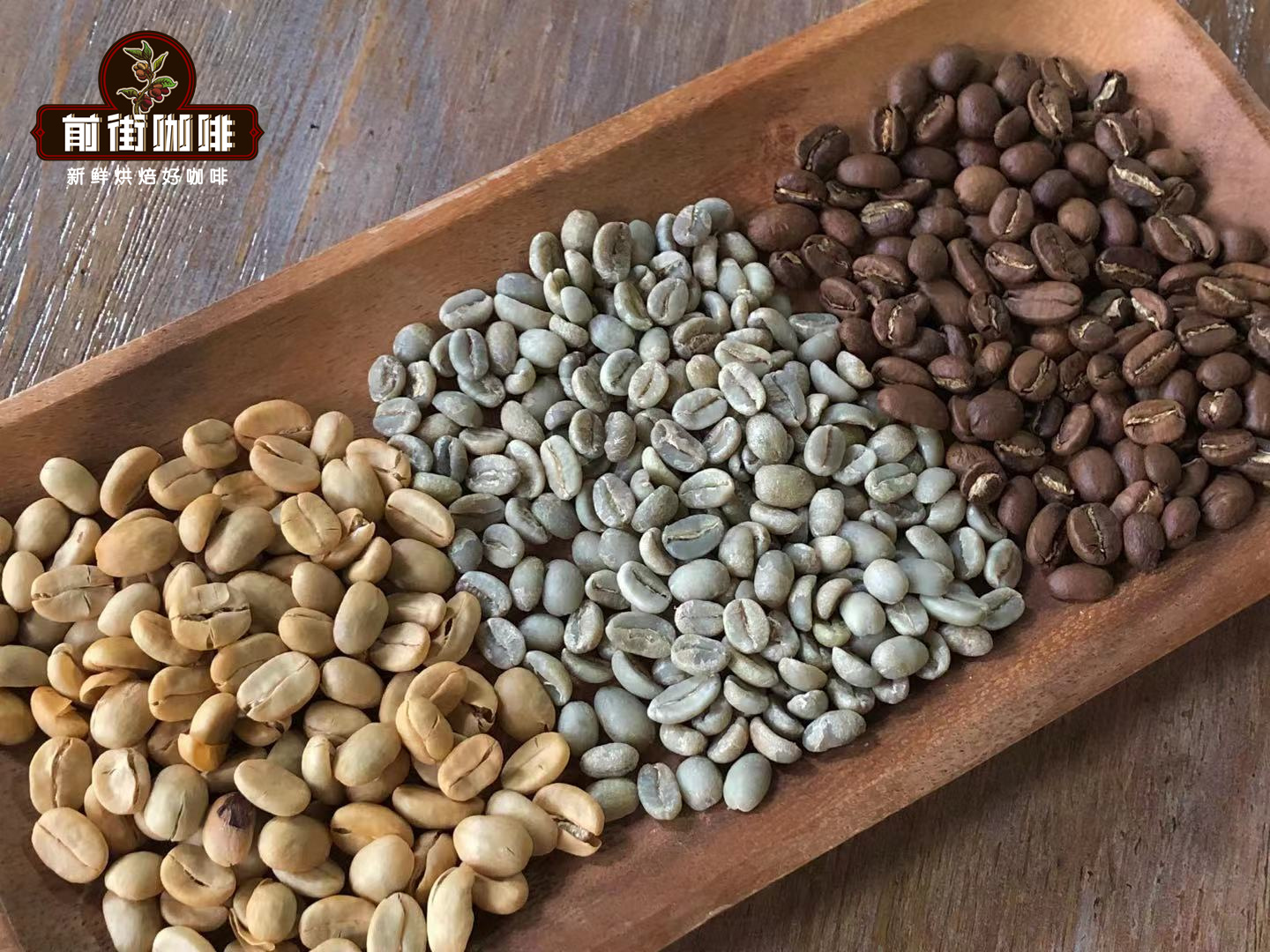
Every step removes impurities and defective beans, so green quality is more uniform and commands higher trading prices than naturals. Washing not only cuts defect rates sharply but also gives Yirgacheffe its fresh citrus and elegant white florals — bright, delicate, clean. FrontStreet Coffee's Yirgacheffe daily bean is washed, with the classic Yirgacheffe profile, and suits pour-over, cold brew, French press, and more.

Is everything from Yirgacheffe washed, then? Not necessarily. Alongside the washed beans that made its name, some cooperatives keep the traditional natural method: the natural Red Cherry and Konga beans on FrontStreet Coffee's shelf are both famous natural Yirgacheffe lots.
Brewing Yirgacheffe & Sidamo: Do You Need to Adjust Techniques?
FrontStreet Coffee roasts both regions light-to-medium to preserve their rich acidity. But their acidity differs — washed Yirgacheffe shows bright lemon, while natural Sidamo shows soft berry — so water temperature and pouring technique can be adjusted accordingly.

Keep a 1:15 coffee-to-water ratio and a medium-fine grind (78% pass-through on the China standard #20 sieve). Too coarse, and the body compounds never extract, leaving the cup thin; too fine, and high water temperatures tip into over-extraction and bitterness.
FrontStreet Coffee also recommends brewing freshly roasted beans to taste the fullest flavor. All beans shipped are roasted within 5 days — freshness matters enormously — and with a degassing period of about 4-7 days, your coffee arrives right at peak flavor.
For washed Yirgacheffe, FrontStreet Coffee selected beans from the Gotiti Cooperative — originally part of the Worka Cooperative until coffee hunters spotted its exceptional quality and it became an independent cooperative, proof of how outstanding Gotiti's washed Yirgacheffe is.
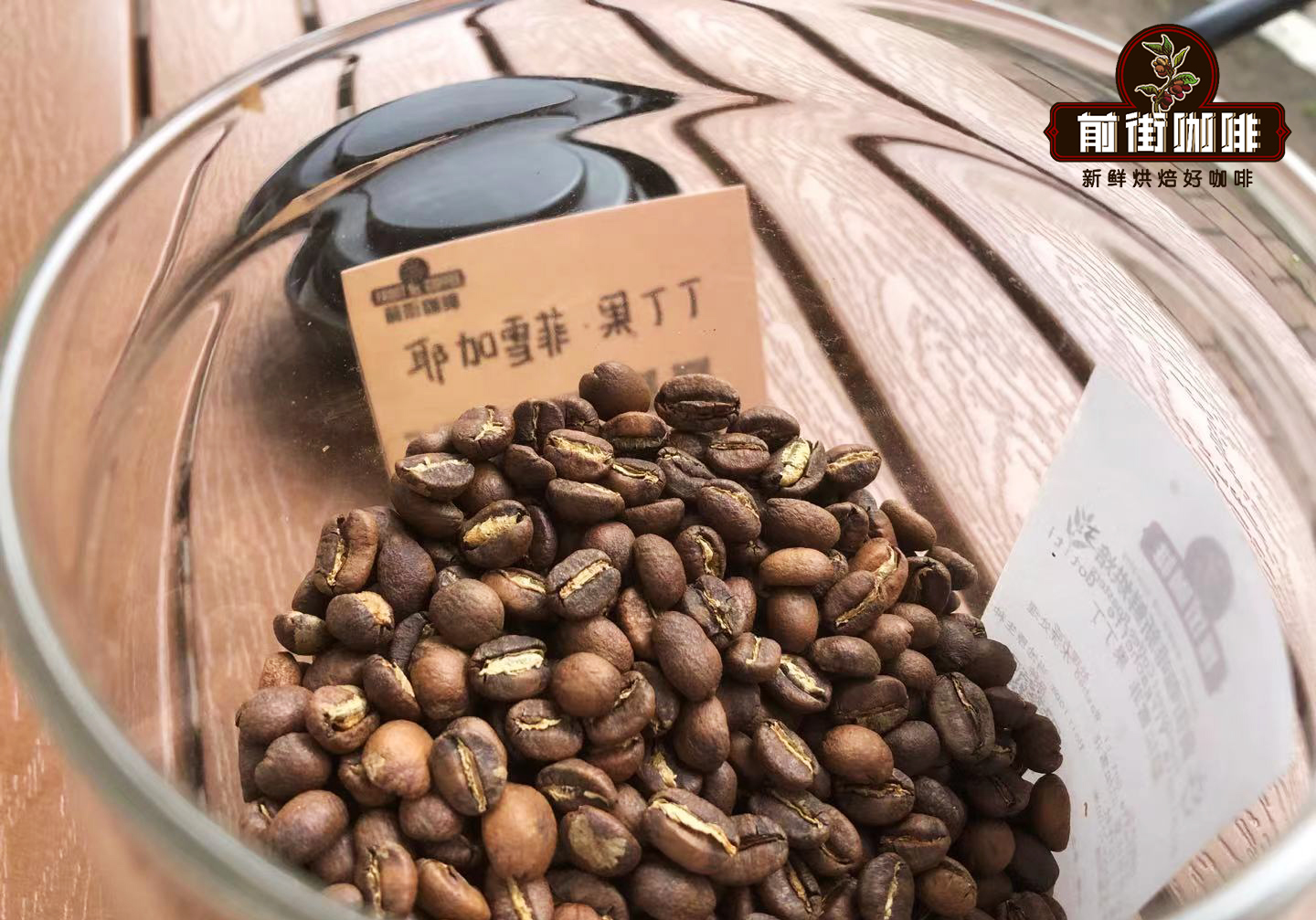
Washed Yirgacheffe (Gotiti) Brewing Adjustments:
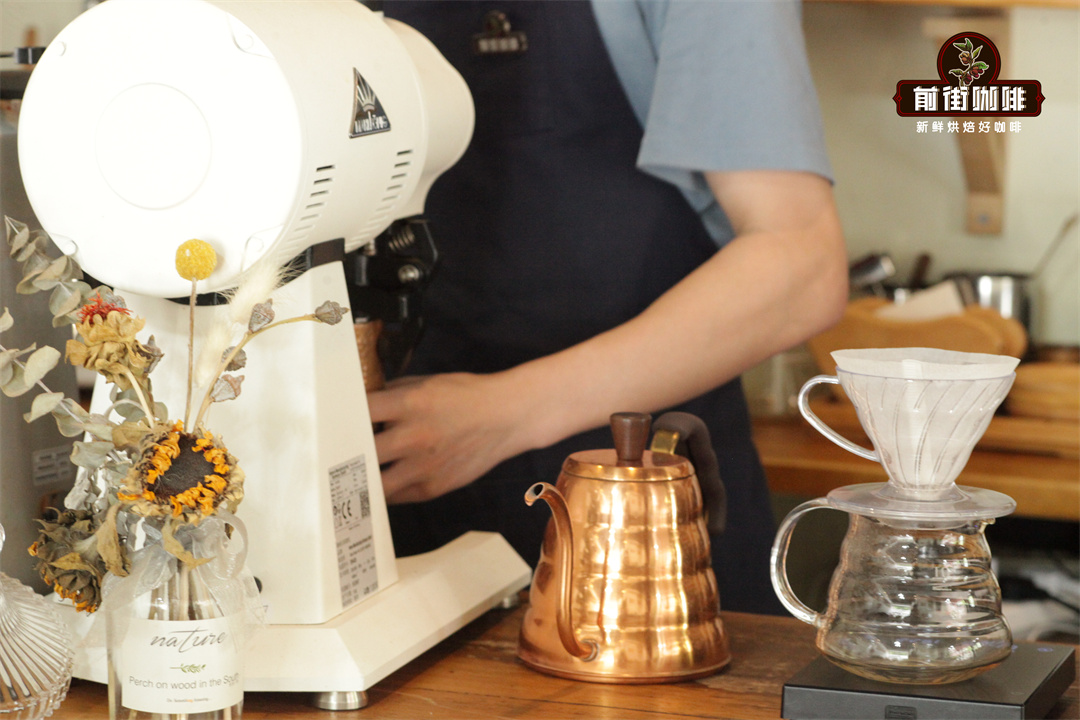
Brew at 90-91°C for bright, uplifting acidity with a tea-like finish; brew at 92-93°C for fuller acidity and enhanced body. Cupping shows the beans express different delicate flavors — white florals, green tea, and more — at different temperatures, so FrontStreet Coffee uses a three-stage extraction, letting each flavor compound express itself as the coffee bed gradually heats.

For natural Sidamo, FrontStreet Coffee considers Guji the most representative. Many fans know "Guji" means a natural-processed bean from Ethiopia's Hambella region, full name "Ethiopia Guji Hambella Buku Abel." Broadly, it is a champion bean from the Guji region; more precisely, a natural batch from the small Hambella Buku Abel processing station. Its celebrated nickname means "Champion of a Hundred Flowers." Reputation, quality, juicy fruit flavors, an affordable price, and easy extraction make Guji stand out among Ethiopian coffees — and the first choice for many friends trying single-origin coffee for the first time.
Natural-Processed Sidamo Brewing Adjustments:
To highlight natural Sidamo's sweetness and juice sensation, FrontStreet Coffee brews at 91-92°C to enhance body. Cupping shows a full mouthfeel with clear juice and sweetness, so a center-pouring method is used, letting the bed extract sweet and sour compounds stably at a constant temperature.

Three-Stage Pouring:
Freshly ground, Guji 8.0 smells of honey and creamy strawberry. Pour the grounds into a V60, wet the bed with twice the coffee weight in water, and bloom for 30 seconds. Then pour in small concentric circles from inside out to 125g, pausing until the bed drops to half the dripper's height. Continue with the same fine stream to 225g, let the drawdown finish, and remove the dripper. Total time should be about 2 minutes, with a 10-second margin.
FrontStreet Coffee Recommendation: Take the Two Regions Home
Why choose between Yirgacheffe and Sidamo when you can taste both? For the washed side, FrontStreet Coffee's Yirgacheffe daily bean delivers the classic jasmine florals, lemon-citrus brightness, and green tea finish — brew it at 90-91°C for lift or 92-93°C for body, always with a 1:15 ratio and a 78% pass-through grind on a #20 sieve. For the natural side, pick up Guji 8.0: beans from 2,250-2,350 meters in the Hambella highlands, sun-dried whole for over three weeks, pouring out jackfruit, apricot, passion fruit, and a peachy juice sensation. Brewed three-stage — 30g bloom for 30 seconds, then 125g, then 225g in about two minutes — it shows exactly why "Champion of a Hundred Flowers" earned its crown.
Important Notice :
FrontStreet Coffee is a long-established specialty coffee roaster in Guangzhou China, selling freshly roasted beans from its own farm in Yunnan as well as dozens of carefully selected single-origin beans from around the world for both pour-over and espresso. The products deliver consistently excellent quality and great value, with shipping within 24 hours. Guangzhou's FrontStreet Coffee shop is recommended by many coffee lovers, and the beans are now available online at the Tmall 。
FrontStreet Coffee has moved to a new address:
FrontStreet Coffee Address: 315,Donghua East Road,GuangZhou
Tel:020 38364473
 Scan and follow the En Gafei WeChat official account. Please indicate that the reprint comes from "En Gafei".