
The Unique Characteristics of Cold Brew Coffee Flavor Is Cold Brew Better Than Hot Coffee What Are the Differences

Iced coffee offers a refreshing, cleansing taste. Even in the dead of winter, customers still come to FrontStreet Coffee to order it. Because iced and hot coffee extract on different principles, their flavor profiles differ too.
The Origin of Cold Brew Coffee
Cold brew coffee is made by steeping grounds in cold water at low temperatures, letting aromatic compounds release gradually over time — a low-temperature extraction method. Both the ice-drip coffee and the immersion cold brew we see in shops belong to this cold-brew family, and over time people have come to simply say "cold brew" for short.

Cold brew originated in Europe. In the sixteenth century, the Dutch had no hot water for brewing coffee on long sea voyages, so they made do with steeping grounds in cold water — and unexpectedly discovered the result was quite special: smooth and mellow, nothing like the punchy flavor of hot coffee. Soon this cold-steeped method spread along shipping routes to more regions, and ice-drip coffee — drip-style, low-temperature extraction — spread thanks to the ice-drip towers built by the Japanese.
The Difference Between Cold Brew and Pour-Over
Whichever method you use, water is the crucial ingredient. During extraction, water and coffee undergo a series of chemical reactions, and water temperature directly shapes how quickly different compounds dissolve.
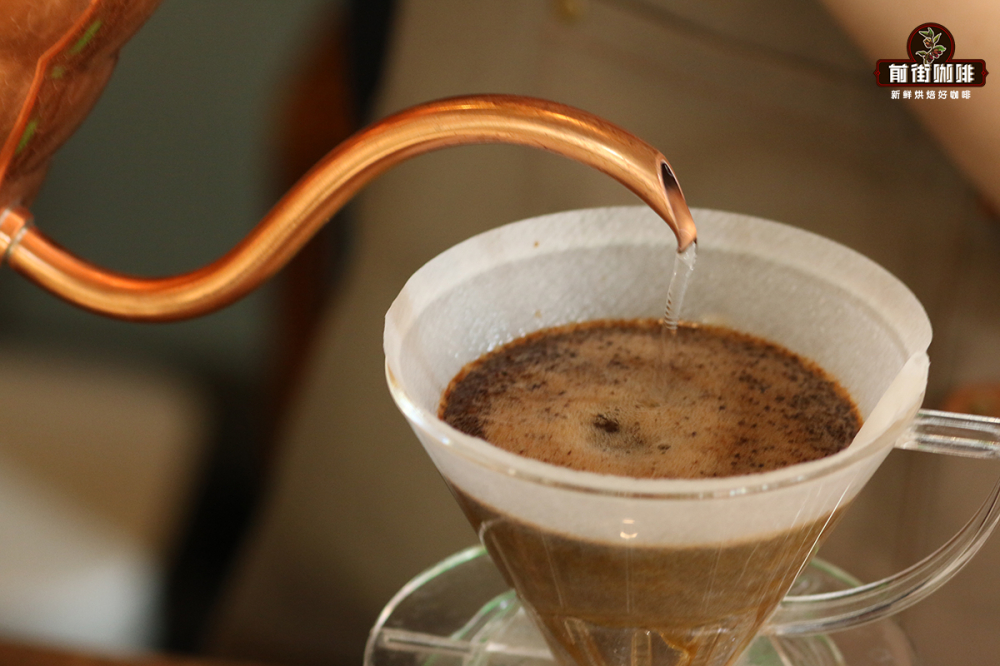
For pour-over, near-boiling water is poured over evenly ground coffee to extract flavor compounds. FrontStreet Coffee recommends keeping the water between 87-93°C: too hot makes the coffee bitter and burnt, too cool can't fully extract the flavors. Pouring technique, timing, and grind size all shape the taste as well.
Cold brew, extracted by low-temperature slow steeping, reacts far more slowly in cold water than pour-over, so it needs a much longer time to release enough aromatics. FrontStreet Coffee typically steeps cold brew for 12 hours, while ice drip runs at a flow rate of 7-8 drops per 10 seconds and generally finishes in 7-8 hours.
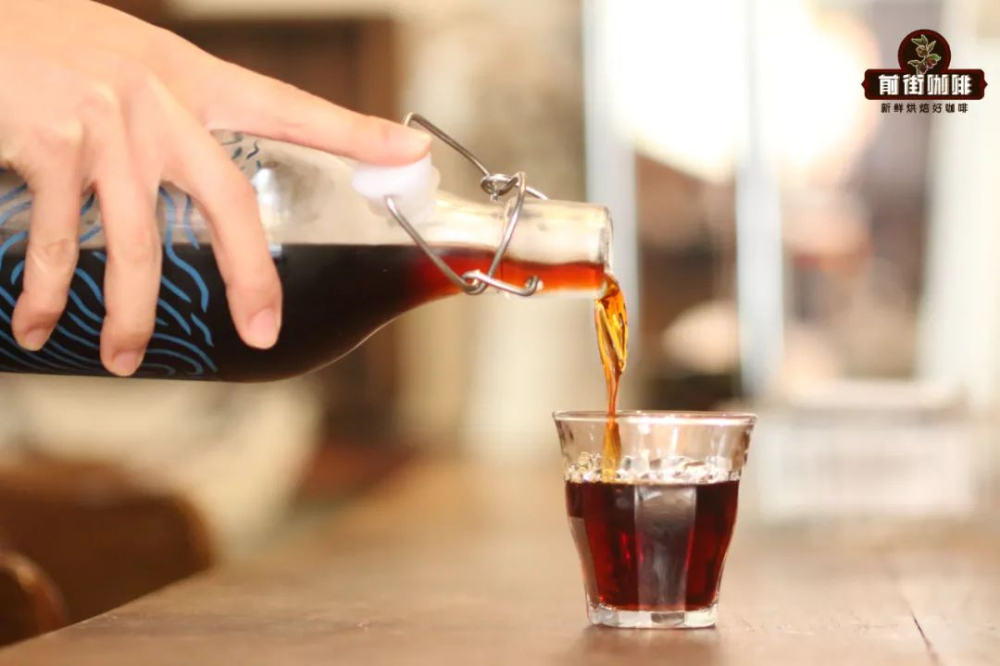
In brewing, the small molecules of fruit acid emerge first, then the sweet molecules, and finally the bitter large molecules — and as temperature rises, extraction accelerates, with every variable affecting the taste. That's why pour-over demands careful control of all the parameters. Cold extraction in a low-temperature environment yields far fewer bitter and astringent compounds than hot water. The catch: a coffee's richness and body come mainly from those bitter compounds, so without them the mouthfeel can turn thin and the aftertaste short.
Some customers ask FrontStreet Coffee about the difference between cold brew and iced pour-over, and which tastes better. As noted above, iced pour-over is hot-water, high-temperature extraction that is chilled with ice afterwards, while cold brew happens entirely in a low-temperature environment with slow-moving coffee compounds. Both are refreshing, but the flavors differ in distinct ways — and if you're curious, FrontStreet Coffee suggests asking your barista first to get the most from the tasting.

Recommendations for Making Cold Brew
Cold brew only requires fresh beans, a grinder, and a sealed container, which makes it wonderfully hassle-free. Although cold brew rarely suffers from over-extraction, a delicious batch still depends on a few small details. FrontStreet Coffee has summarized several points for reference.
1. Choose Freshly Roasted Coffee Beans
Whatever the extraction method, the first prerequisite is freshly roasted beans. Coffee enters its optimal flavor window after 4-7 days of post-roast resting; beyond that, aroma dissipates faster and the flavor character noticeably fades. FrontStreet Coffee takes freshness seriously and ships beans roasted within 5 days, so they arrive at peak flavor.
Where pour-over pursues full, complex layers, cold brew aims for a cool, sweet-tart cup with fermented fruit aromas. FrontStreet Coffee therefore recommends the following three beans.

A Refreshing Floral-Fruity Aroma — FrontStreet Coffee Flower Butterfly Coffee Beans
These beans come from Panama, where nutrient-rich volcanic ash soil produces coffee with rich floral and fruity aromas. The washed process highlights clear white florals and citrus, and FrontStreet Coffee's cold brew from these beans tastes sweet-tart, like pomelo green tea.
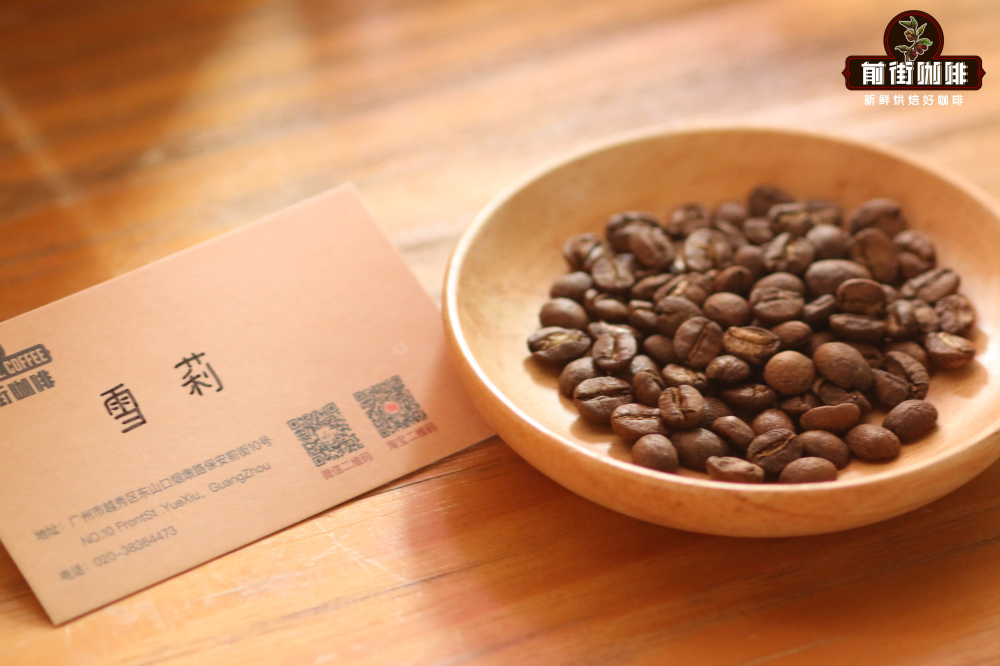
A Fermented Wine Aroma — FrontStreet Coffee Honduras Sherry Barrel Coffee Beans
The Honduras Sherry uses whiskey-barrel fermentation processing, presenting rich vanilla, cream, and whiskey aromas. It is one of the most popular beans on FrontStreet Coffee's menu, and as a cold brew it delivers deep fermented wine notes along with honeyed sweetness.
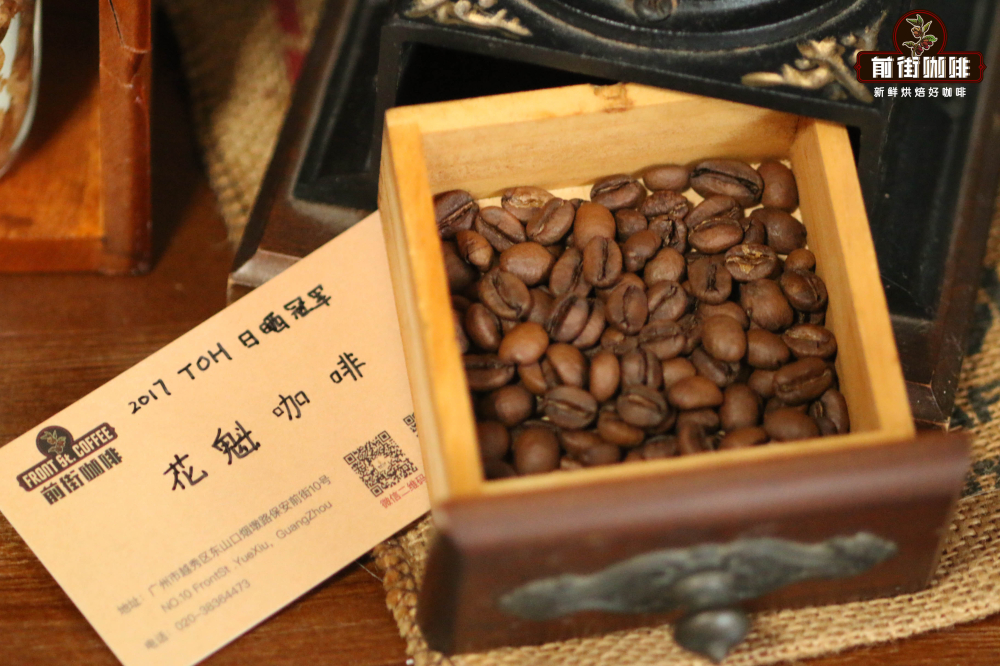
A Rich Fruit-Tea Style — FrontStreet Coffee Natural Huang Gui Coffee Beans
The natural-processed Huang Gui beans are made from fully mature cherries with pulp sugar content as high as 30%. The fructose ferments in the sun, letting the inner beans develop full fruit sweetness. Cold brew from these beans offers vibrant berry and passion-fruit sweet-tart notes with a distinct juice quality and a black tea fragrance in the aftertaste.
2. Grind Size and Coffee-to-Water Ratio
As with pour-over, cold brew grind size matters: too coarse or too fine easily turns the coffee bitter or bland. FrontStreet Coffee recommends a slightly finer grind than for pour-over, with an 85% pass rate through a #20 standard sieve as the reference. Strength also depends on the coffee-to-water ratio — FrontStreet Coffee suggests 1:10 to 1:12. The finished brew can be drunk straight or diluted with ice to taste.

3. Steeping Time and Storage
FrontStreet Coffee usually prepares cold brew the night before, steeping for approximately 12-14 hours, then filters out the grounds the next day to obtain the finished liquid.
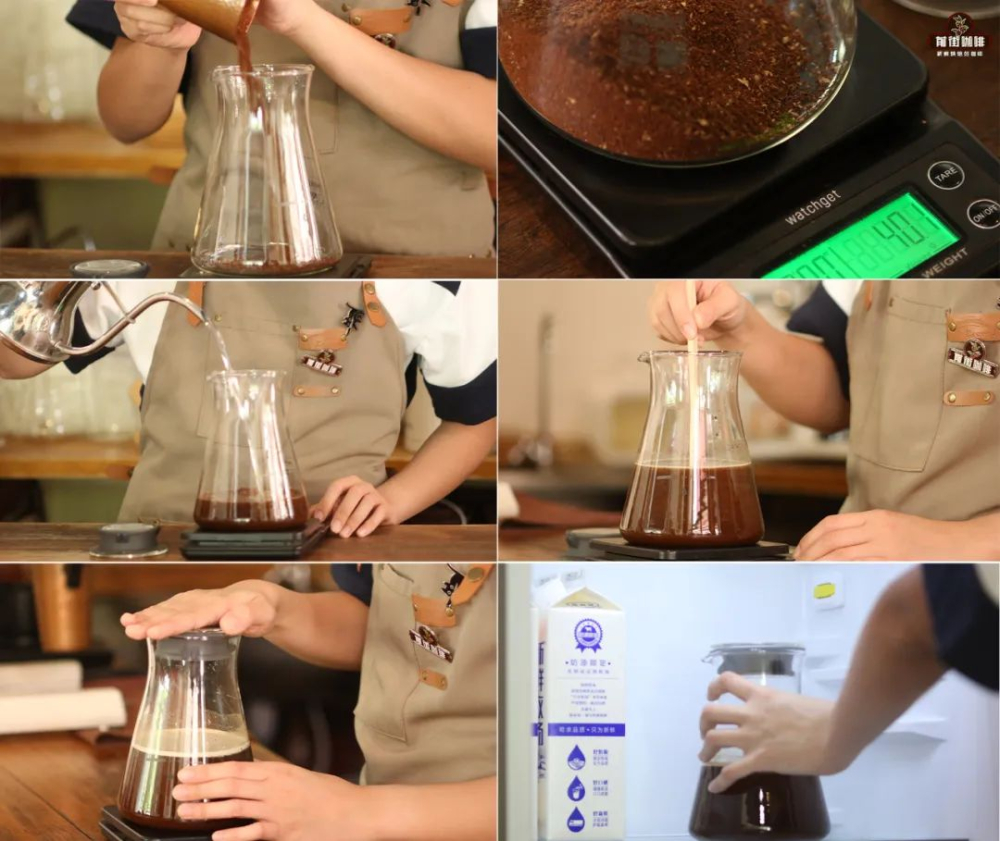
We once left a batch steeping for more than a day by accident and ended up with bitter, harsh coffee — so watch your extraction time and don't let it go to waste. Coffee also absorbs aromas from whatever air it's stored in: if you keep it in a home refrigerator, FrontStreet Coffee recommends a well-sealed container to prevent flavor contamination.
FrontStreet Coffee Recommendation
Cold brew amplifies floral and fruity tones while softening woody and roast notes, so light-to-medium roasted beans suit it best. If you love a fragrant iced coffee, the natural-processed FrontStreet Huakui from Ethiopia is a standout: sun-dried in the whole cherry, the beans absorb abundant sweetness and yield magnolia, creamy strawberry, dried mango, guava, and black tea in cold brew — so smooth and juicy that many call it "the coffee for people who don't like coffee."
For a full juice-like cup, choose the FrontStreet Kenya Cherry Tomato from Thika: SL28 and SL34 grown at 1,550-1,750 meters and finished with Kenya's 72-hour double-washed fermentation. Under cold extraction its cherry tomato, snow pear, black plum, and dried dark plum tones shine — low bitterness, full acidity, and wonderfully refreshing over ice. And since cold brew uses more grounds than pour-over, you can blend the FrontStreet Colombia Sidra with Costa Rica Tarrazu at a 1:2 ratio to keep the passion-fruit florals and add clean citrus acidity at a friendlier price.
For parameters, FrontStreet Coffee suggests a grind slightly finer than pour-over (about an 85% pass rate on a #20 sieve), a coffee-to-water ratio of 1:10 to 1:12, and a 12-14 hour refrigerated steep; dilute with ice to your preferred strength and store it in a tightly sealed container.
Important Notice :
FrontStreet Coffee is a long-established specialty coffee roaster in Guangzhou China, selling freshly roasted beans from its own farm in Yunnan as well as dozens of carefully selected single-origin beans from around the world for both pour-over and espresso. The products deliver consistently excellent quality and great value, with shipping within 24 hours. Guangzhou's FrontStreet Coffee shop is recommended by many coffee lovers, and the beans are now available online at the Tmall 。
FrontStreet Coffee has moved to a new address:
FrontStreet Coffee Address: 315,Donghua East Road,GuangZhou
Tel:020 38364473
 Scan and follow the En Gafei WeChat official account. Please indicate that the reprint comes from "En Gafei".

What Coffee Bean Variety is Hana Kui 6.0? Is Hana Kui Coffee Bean from Yirgacheffe Region? Introduction to Hana Kui SOE Coffee Flavor and Taste Characteristics
