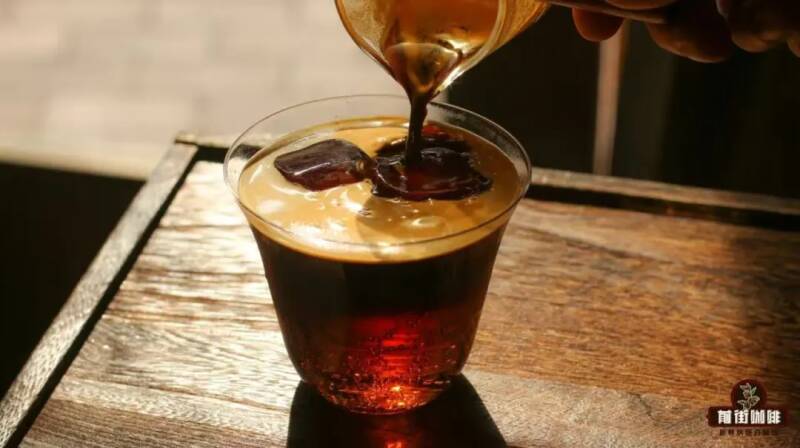
Can a mocha pot make lattes? How to mix the ratio of milk and coffee in a mocha pot? How to make Australian white coffee in a mocha pot? How to make mocha pot milk coffee the strongest?
"It works like an espresso machine" — that's the reason many people decide to buy a mocha pot. Like an espresso machine, the mocha pot uses pressurized extraction and can produce coffee more concentrated than normal-pressure brewing. And most people want that concentrated coffee for one thing: adding milk to make a mellow, rich latte.
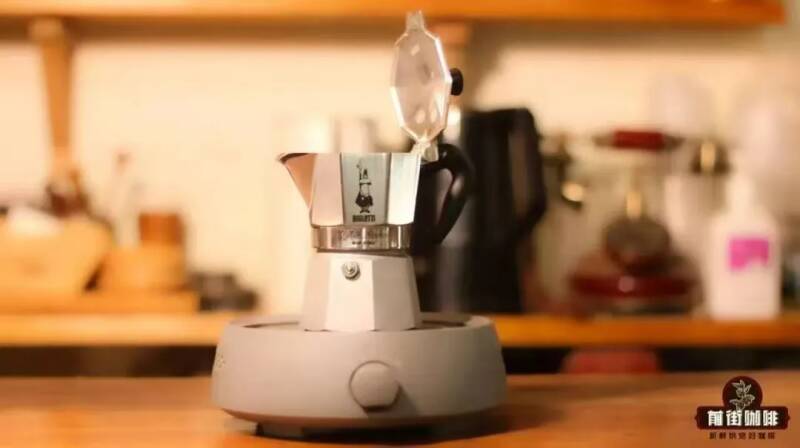
But — here's the problem. Many people find that the "latte" they mix from mocha pot coffee and milk falls far short of expectations. It's not as strong as the latte from a coffee shop, and it tastes watery — like coffee-flavored milk diluted with a lot of water.

FrontStreet Coffee can certainly picture that outcome, and there are two reasons for it. First, although the mocha pot is also a pressurized brewer, its pressure is far lower than an espresso machine's, so it simply cannot produce coffee as intense as true espresso — only closer to it than other brewing methods.
Second, the parameters weren't adjusted! Many people follow the parameters recommended by manufacturers or bloggers. Those parameters are correct — but they're meant for a cup of black coffee, where concentration doesn't need to be high. If you want to use mocha pot coffee as a base for milk coffee, you need to modify the parameters and raise the coffee's concentration, so the milk doesn't overshadow it and the drink doesn't turn thin from all the extra water.
The method is simple! Below, FrontStreet Coffee explains how to make a mellow, strong "latte" with a mocha pot.
Coffee beans determine the character of the drink, so step one is choosing a bean that suits your taste. If you like a mellow, aromatic, acid-free milk coffee, go with traditional medium-to-dark roast Italian beans or blends — for example, the FrontStreet Coffee Classic Blend from our bean menu. The espresso-style extraction it yields has rich crema, a mellow taste, and non-acidic flavors of chocolate, nuts, cream, and cookies.
If you prefer a milk coffee with more pronounced flavor, a lighter body, and a fresher profile, choose a medium roast or slightly lighter. For example, the FrontStreet Coffee Italian Espresso from our bean menu: the extraction carries the aromas of strawberry, white flowers, and berries, with balanced, smooth, rounded taste.
Once you've picked the beans, it's time to extract. Since the goal is a base strong enough to carry milk, we need to maximize concentration. The best way is to control the amount of water: with the extraction rate held constant, the less water you use, the higher the concentration. But cutting water also cuts extraction efficiency, lowering the extraction rate. To keep the extraction rate up while using less water, "fine grinding" is the answer.
A finer grind increases the resistance of the coffee bed and extends the extraction time, while enlarging the water-contacting surface area of the grounds so hot water dissolves flavor compounds more easily. That way, even with less water, the extraction rate doesn't drop much and the concentration rises sharply. Simply put: less water, finer grind, longer extraction — and you get a high-concentration mocha pot coffee perfect for milk coffee! Now, FrontStreet Coffee will demonstrate the exact parameters and steps. This time we used the FrontStreet Coffee Classic Blend:
Grind size: Flour-fine, espresso-style. If you're having a merchant grind for you, request this fineness (at least, this is what FrontStreet Coffee uses — see photo above).
Dose: 20g. If your mocha pot is small, adjust accordingly.
Coffee-to-water ratio: 1:4 — for 20g of coffee, use 80ml of water.
Starting water temperature: 100°C. This means the temperature of the water you pour into the boiler; it can be slightly below 100°C, but hot water is best.
With everything ready, brew in order: 1. Pour hot water into the lower chamber. 2. Fill the basket with coffee and set it lightly into the lower chamber. 3. Assemble the mocha pot and place it on the heat. 4. Use high heat until the coffee begins to flow; then turn the heat down or off and let residual heat finish the extraction.
Now you have a high-concentration mocha pot coffee — about 45ml. The last step is mixing it with the right amount of milk.
Since mocha pot coffee isn't as concentrated as espresso, don't copy espresso milk ratios — use less milk so the coffee's flavor isn't buried. FrontStreet Coffee's example: we used the Classic Blend, a medium-to-dark roast whose roasted aroma is strong enough to stand up to milk, so a 1:4 ratio works — that is, 180ml of milk for 45ml of mocha pot coffee. (The photo below shows the "latte" made with mocha pot coffee.)
For a hot latte, first heat and texture the milk to 65°C to activate the sweetness of the lactose before blending it with the coffee — the drink will taste sweeter. For an iced latte, if you plan to add ice, reduce the milk and replace part of it with ice so melting cubes don't water the drink down. If you're using a gentler, fresher style like the FrontStreet Coffee Italian Espresso or the Strawberry Candy, pull the ratio back to about 1:3.5 so the milk doesn't override the coffee.
That's really all there is to it. The same logic works for other brewing methods, too — drip bags, French press, and so on can all produce a concentrated coffee (though not as intense as a mocha pot or espresso machine) to be lengthened with milk into a mellow, satisfying milk coffee. Give it a try yourself!
- END -
FrontStreet Coffee Recommendation: Beans That Stand Up to Milk
The base beans make or break a mocha pot latte. FrontStreet Coffee's Premium Blend and Black Cocoa Blend are the finest milk-coffee partners: dominated by Brazil coffee, they bring complex almond, walnut, and nut notes to a latte — silky, smooth, and lingering. If you want abundant golden crema and extra body, choose the Classic Blend or Commercial Blend, whose touch of Robusta delivers richness and caramel aroma that slice right through the milk. And for a fruit-forward twist, the Strawberry Candy Blend — a popular fruit-style espresso blend — offers a bright strawberry-gummy sweetness, delicious over milk either hot or iced. Whichever you pick, extract strong and fine: 20g dose, 1:4 water, and let the milk meet its match.
Important Notice :
FrontStreet Coffee is a long-established specialty coffee roaster in Guangzhou China, selling freshly roasted beans from its own farm in Yunnan as well as dozens of carefully selected single-origin beans from around the world for both pour-over and espresso. The products deliver consistently excellent quality and great value, with shipping within 24 hours. Guangzhou's FrontStreet Coffee shop is recommended by many coffee lovers, and the beans are now available online at the Tmall 。
FrontStreet Coffee has moved to a new address:
FrontStreet Coffee Address: 315,Donghua East Road,GuangZhou
Tel:020 38364473
 Scan and follow the En Gafei WeChat official account. Please indicate that the reprint comes from "En Gafei".

How long is the best time to brew hand-brewed coffee? What should I do after 2 minutes of making coffee by hand and not filtering it? How long is it normal to brew coffee by hand?