How Many Classifications Are There for Gesha Coffee Beans? What Do the Different Grades Like Gold Label, Red Label, Green Label, and Blue Label Mean?
If you drink coffee regularly, the term "Geisha coffee" needs no introduction. As Geisha's reputation has grown, more and more coffee lovers want to understand how this variety is graded and classified. In this article, FrontStreet Coffee walks you through the major quality tiers of Geisha and what labels like Gold Label, Red Label, Green Label, and Blue Label actually mean.
The Origin of Geisha
In 1931, a team of botanists on an expedition in southwestern Ethiopia came across the Geisha variety. The trees were remarkably tall, and their seeds were larger than those of typical Ethiopian coffee. The seeds were sent to a laboratory in Kenya for cultivation, and five years later the resulting fruit samples were taken on to Uganda and Tanzania for further research. In 1953, Costa Rican research institutions brought the variety in from Tanzania.
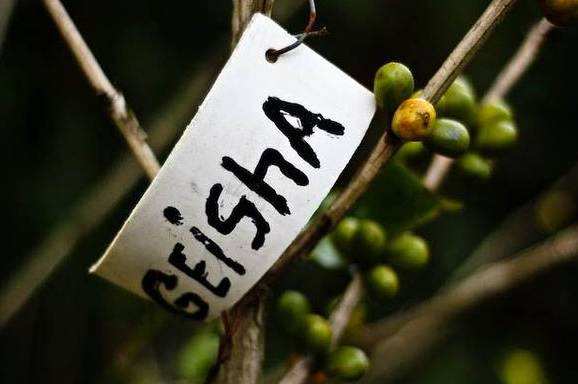
By 1963, Panama was working to revitalize its coffee industry and was importing varieties from around the world. Pachi Serracin, former owner of Don Pachi Estate, brought Geisha back from Costa Rica, and the variety took root in Panama. It was not until 2000 that Daniel Peterson, of the third generation of the family behind Hacienda La Esmeralda, recognized Geisha's uniqueness and moved the trees to higher altitudes. In 2004, that high-altitude Geisha finally reached commercial harvest. Hacienda La Esmeralda entered it in that year's Best of Panama (BOP) competition and took first place, earning widespread acclaim — the elegant jasmine, peach, and bergamot aromatics, layered and refined, left an unforgettable impression on countless coffee lovers.
Below, we look at Geisha's birthplace and its rise to fame to understand the different grades of this exceptional coffee.
Ethiopia - Geisha Village
In 2007, documentary filmmaker Adam Overton and his wife Rachel Samuel first visited the coffee forest where Geisha was originally discovered, while shooting a coffee documentary for the Ethiopian government. Captivated by Ethiopian coffee, the couple dreamed of running their own estate. After consulting judges and industry consultants, they traveled in 2011 to Bench Maji, Geisha's birthplace, in search of the most original Geisha coffee.

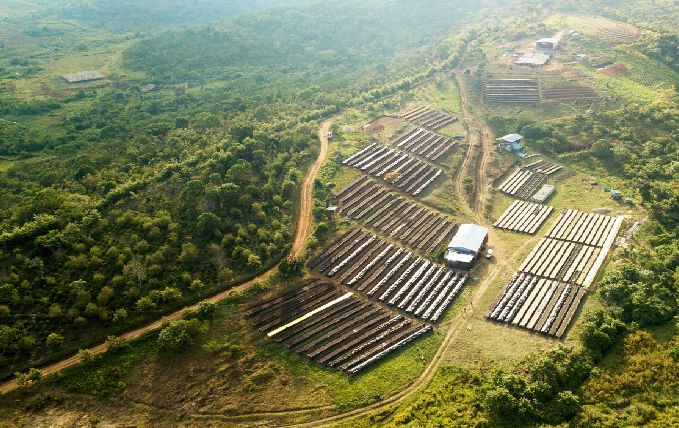
Guided by BOP judge Willem Boot, Adam searched the Gori Gesha forest for native Geisha trees, eventually identifying wild Geisha among the coffee growing there. They collected seeds, returned to Geisha Village for screening, and began planting. The couple went on to establish Geisha Village Coffee Estate, nearly 500 hectares, close to the Gori Gesha forest.
Most Ethiopian coffee is grown by smallholder farmers with limited production and processing capacity, but Geisha Village is a large-scale operation. Adam and Rachel built their own washed processing station and laboratory and grow only Geisha varieties on the estate. Drawing on the standardized practices of Geisha estates in Panama, they numbered each planting plot and kept detailed records for traceability and flavor analysis.
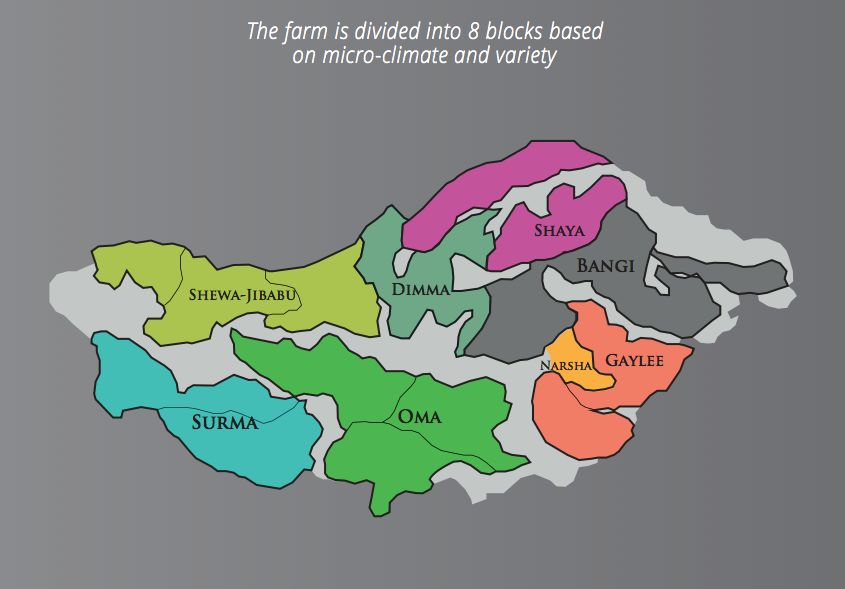
The estate map shows that the western plots sit at the highest elevations — OMA, SURMA, and SHEWA-JIBABU, at 1900-2069 meters, with SHEWA-JIBABU having the highest average altitude. The southern part of the estate carries more shade cover, while the north receives longer sun exposure. Across the estate's eight plots, Adam matched varieties to microclimates — altitude, soil, and shade — so that each plot could express its own flavor character.
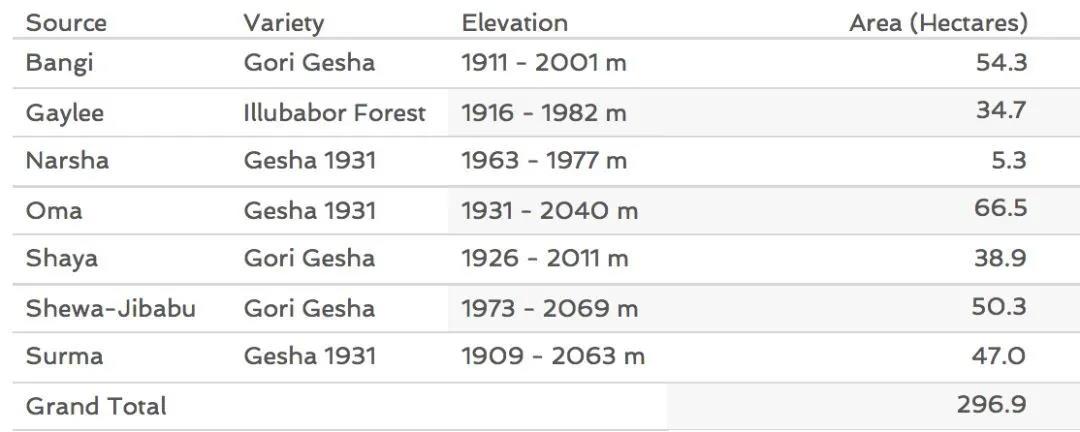
To guarantee quality, Adam set up a strict grading system that divides the Geisha harvest into tiers: Auction, Gold Label, Red Label, Green Label, and CHAKA.

Geisha Village Auction
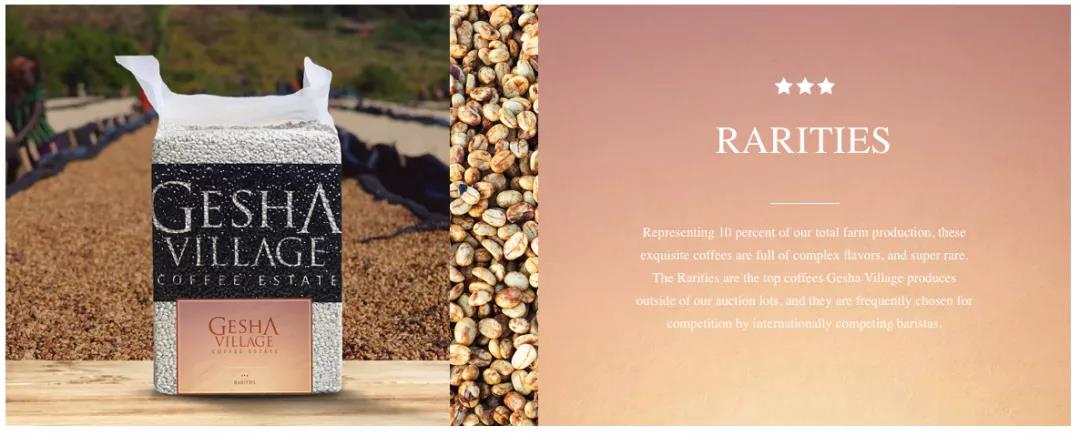
The auction lots are the estate's very highest grade, available only through buyer bidding. Auction Geisha accounts for just 3.7% of annual production, and every lot passes multiple rounds of rigorous screening.
Geisha Village Gold Label
Gold Label Geisha is a frequent choice of competitors in international barista competitions and of quality-driven roasters. It represents about 10% of annual production and comes with detailed traceability, so buyers can look up the exact plot and processing details behind their lot. FrontStreet Coffee's Gold Label batch offers complex, layered flavors — from the distinctive dry fragrance to the sip, mouthfeel, and finish, it lingers long after cupping.
FrontStreet Coffee: Geisha Village Estate Gold Label Geisha
Region: Bench Maji, Ethiopia
Estate: Geisha Village Estate Oma Plot
Altitude: 1900-2040 meters
Variety: Geisha 1931
Processing: Natural Process
Flavors: Citrus, Berries, Cream, Caramel, Melon, Honey
Geisha Village Red Label
Red Label also carries complete traceability information and makes up 15% of total annual production. These are premium lots scoring above 88 points on the SCA cupping scale. While the flavor intensity and complexity may not reach the Gold Label and Auction lots, Red Label delivers classic Geisha Village character. FrontStreet Coffee considers it excellent value for money and a worthy purchase for any Geisha enthusiast.
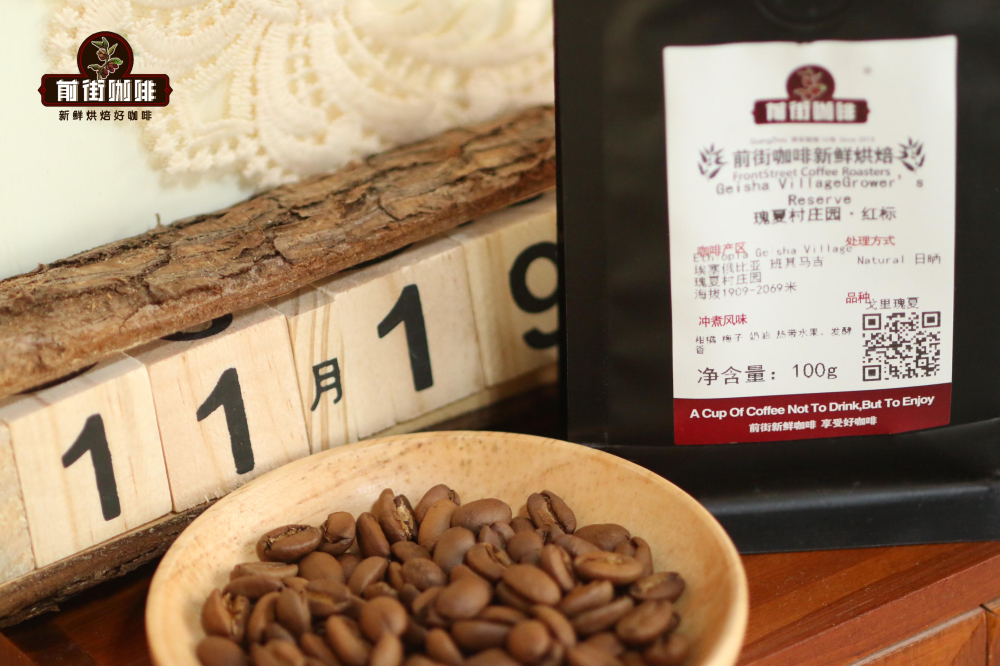
FrontStreet Coffee: Geisha Village Estate Red Label Geisha
Region: Bench Maji, Ethiopia
Estate: Geisha Village Estate Shewa-Jibabu Plot
Altitude: 1973-2069 meters
Variety: Gori Gesha
Processing: Natural Process
Flavors: Lemon, Plum, Citrus, Tropical Fruits, Floral Tea
Geisha Village Green Label
Green Label batches are single-plot, single-variety lots. Each batch number comes with full traceability — farm plot name, variety, and processing date. Unlike Red Label and Gold Label, Green Label carries no cupping score requirement, making it an entry point to single-plot Geisha Village coffee.
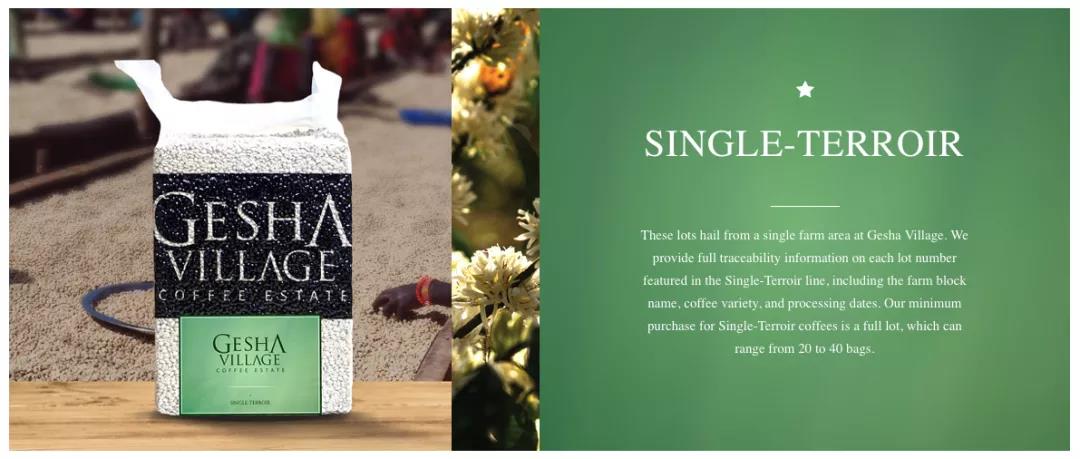
FrontStreet Coffee Ethiopia Geisha Village Estate Green Label Geisha
Region: Bench Maji, Ethiopia
Estate: Geisha Village Estate Bangi Plot
Altitude: 1911-2001 meters
Variety: Gori Gesha
Processing: Natural Process
Geisha Village CHAKA
Unlike the estate's other tiers, CHAKA blends Geisha from every plot across the entire harvest season, including all three Geisha varieties grown at Geisha Village: Geisha 1931, Gori Gesha, and Illubabor.
Panama - Hacienda La Esmeralda
If you love Geisha coffee, you already know the estate that made it famous: Hacienda La Esmeralda.
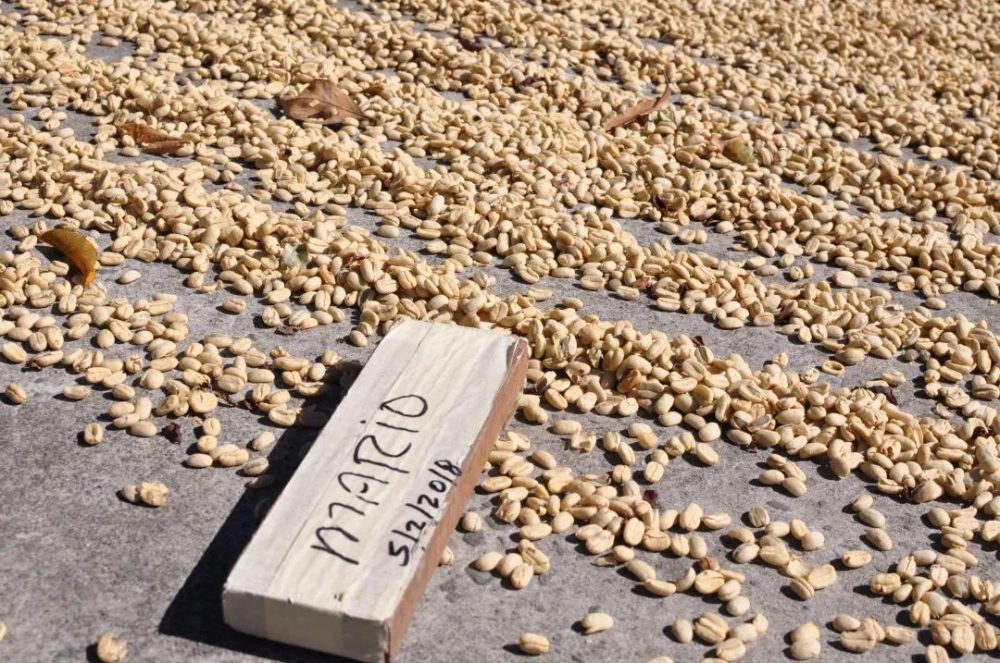
Hacienda La Esmeralda sits in the Boquete region of Panama. Blessed with a distinctive microclimate and rich volcanic soil, and with the wide day-night temperature swings that come with high altitude, coffee cherries here ripen slowly and accumulate more nutrients — the foundation of the estate's rich jasmine aromatics and complex fruit character. Hacienda La Esmeralda operates three farms: El Velo, Cañas Verdes, and Jaramillo.
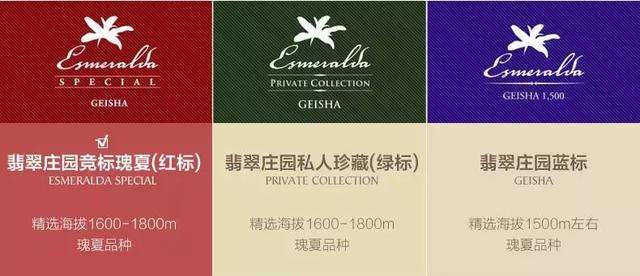
After winning the 2004 BOP, the estate poured even more attention into cultivating and managing Geisha. Daniel and Rachel of the third generation introduced a strict grading plan to position the estate's Geisha as a premium brand. Hacienda La Esmeralda developed its own marketing structure, dividing Geisha into five brands by cupping profile, variety, and plot. Three of them are Geisha: Esmeralda Special, Private Collection, and Geisha 1500 — corresponding to the Red Label, Green Label, and Blue Label on FrontStreet Coffee's menu.
Esmeralda Auction
In 2022, Hacienda La Esmeralda spun Esmeralda Auction off from the Red Label tier as a standalone brand, sold mainly through buyer bidding. The estate's annual auction is one of the most closely watched events in the specialty coffee world, and each year's top price becomes a talking point among Geisha fans.
Esmeralda Red Label
Apart from the exceptional auction lots, Esmeralda Red Label is Hacienda La Esmeralda's highest-grade Geisha brand, also known as Esmeralda Special. It consists of Geisha grown between 1600 and 1800 meters that cups above 90 points — the estate's very best beans, selected from plots in Jaramillo and Cañas Verdes and typically processed using natural or washed methods. The flavors generally show rich florals alongside diverse, complex fruit acidity and sweetness.
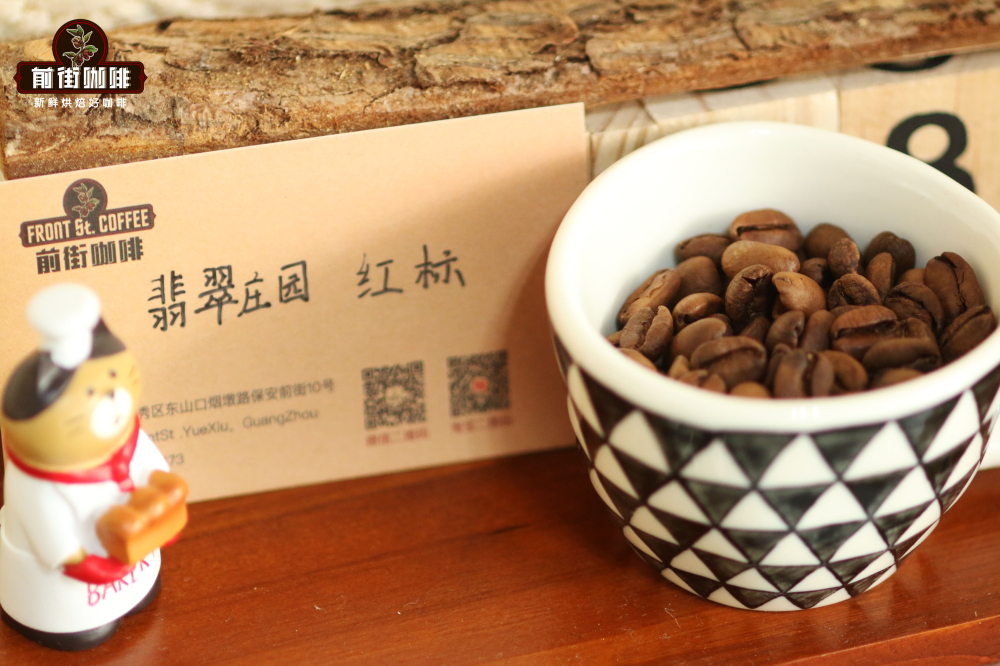
FrontStreet Coffee: Red Label Geisha Coffee Beans
Region: Boquete Region
Estate: Hacienda La Esmeralda Cañas Verdes
Altitude: 1700+ meters
Variety: Geisha
Processing: Natural Process
Flavors: Lemon, Honey, Berries, Orange Peel, Mango, Cream
Esmeralda Green Label
The Green Label Geisha, also known as Private Collection, does not enter competitions on its own. It is grown at the same altitudes as Red Label, but without emphasis on specific plots, so Green Label blends Geisha from multiple plots across the estate. Though less headline-grabbing than Auction and Red Label, it still delivers the classic Hacienda La Esmeralda Geisha profile, and washed Green Label Geisha shows the estate's character with particular transparency.
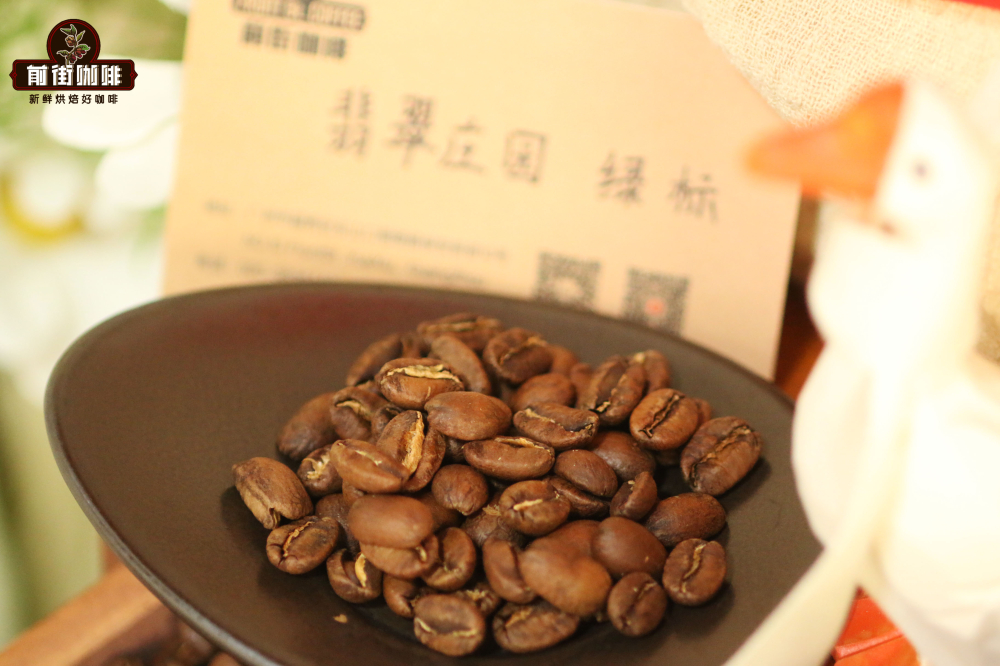
FrontStreet Coffee: Green Label Geisha Coffee Beans
Region: Boquete Region
Estate: Hacienda La Esmeralda Cañas Verdes
Altitude: 1700 meters
Variety: Geisha
Processing: Washed Process
Flavors: Jasmine, Ginger Flower, Sweet Orange, Lemon, Honey
Esmeralda Blue Label
Geisha 1500, the Blue Label, is drawn from Geisha grown at 1400-1500 meters and harvested from different plots across the estate's three sub-farms. Geisha from this elevation was exported and sold as Volcanic Geisha beans, with a flavor profile identical to the original Blue Label. The Blue Label brand has since been discontinued by Hacienda La Esmeralda, and these lots are now sold internationally as Volcanic Geisha. The Volcanic profile offers delicate florals and fruit acidity and sweetness, with a somewhat lighter body than the other two tiers.
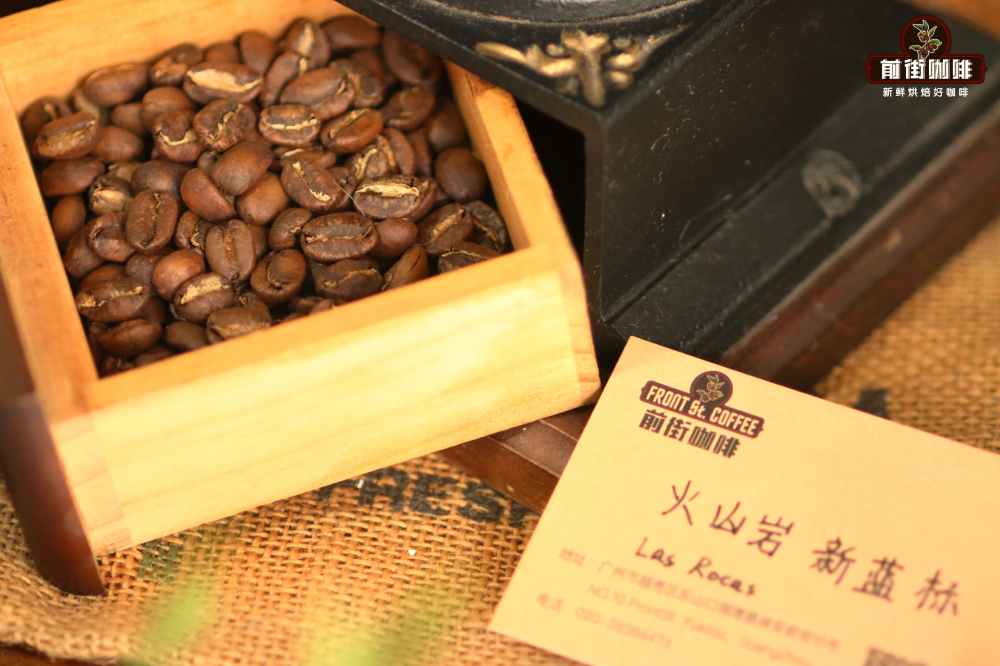
FrontStreet Coffee: Panama Volcanic Geisha Coffee Beans
Region: Boquete Region, Panama
Estate: Hacienda La Esmeralda
Altitude: 1500 meters
Variety: Geisha
Processing: Washed Process
Flavors: Citrus, Floral, Bergamot, Honey
How to Brew Great Geisha Coffee
Having covered the various Geisha grades, let's talk about brewing. Here, FrontStreet Coffee uses two of our most popular beans: Esmeralda Red Label Geisha and Geisha Village Red Label.
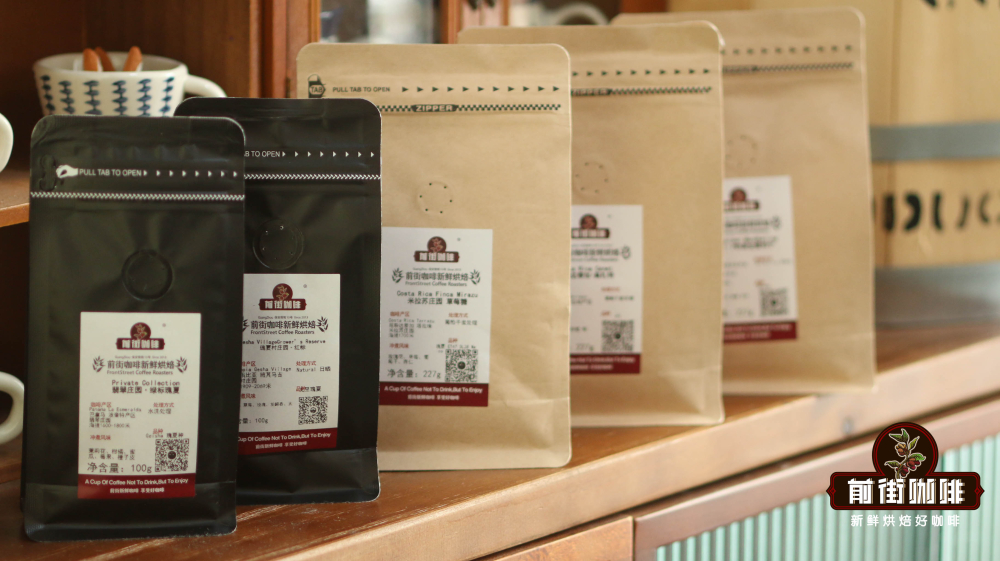
Preparation matters. With beans this special, FrontStreet Coffee recommends freshly roasted coffee so you can experience the full aromatic range. All coffee has a window of peak flavor, typically within 7-30 days of roasting; brewing inside that window ensures these exceptional beans are not wasted. Beans shipped by FrontStreet Coffee are roasted within 5 days of dispatch, so orders arrive right at the start of the optimal tasting period.
Ethiopian and Panamanian Geisha grow at high altitudes, which produces dense, hard beans. To preserve the delicate acidity of floral and fruity coffees, FrontStreet Coffee's roasters typically apply a light to medium-light roast. Because a light roast barely alters the beans' internal structure, our baristas pair it with higher water temperatures and finer grinds to draw out Geisha's aromatics.
Dripper: V60
Water Temperature: 91-92°C
Coffee Amount: 15g
Coffee-to-Water Ratio: 1:15
Grind Size: Fine sugar size (80% passes through #20 sieve)
Three-Stage Extraction: First stage, use 30g of water for a 30-second bloom, pouring in even circles to form a dome. Second stage, pour 95g of hot water. When the coffee bed drops to half, begin the third stage with 100g until all the coffee has dripped through. Start pouring from the center and keep a gentle flow in small circles throughout to avoid uneven extraction.
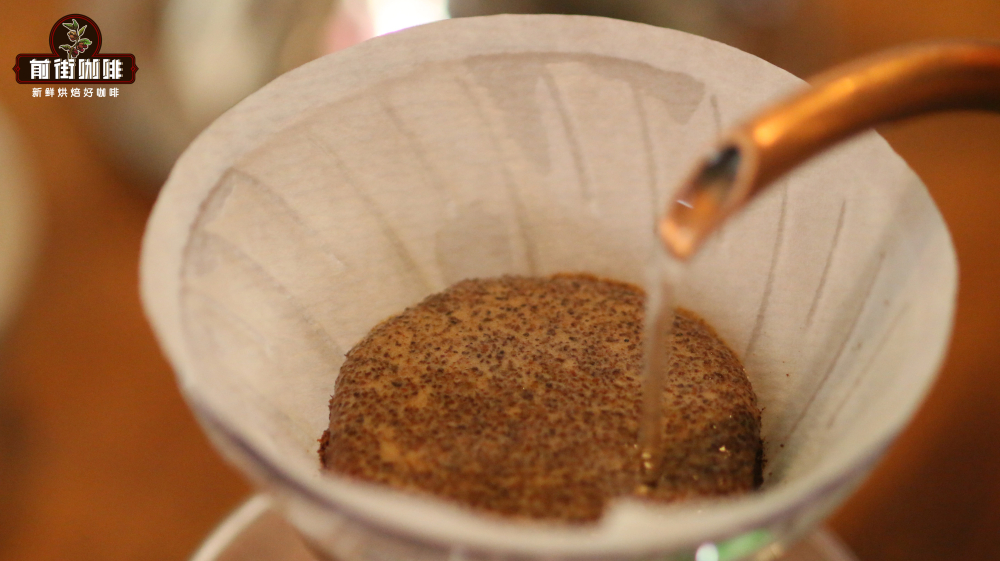
Geisha Village Red Label's Gori Gesha offers tropical fruit, bergamot, and lemon notes with creamy sweetness and a hint of fermentation; as the cup cools, jasmine gradually emerges. Esmeralda Red Label Geisha opens with vivid fruit, delicate florals, and a soft tea-like mouthfeel, finishing with berry sweetness and a persistent aftertaste.
For more coffee knowledge and specialty bean information, follow FrontStreet Coffee.
FrontStreet Coffee Recommendation: Geisha for Every Level, from Entry to Estate
If you want a first taste of the legendary "Geisha profile" without a premium price, FrontStreet Coffee recommends our Boquete Gesha from Panama — an entry-level Geisha that delivers the classic orange-honey sweetness, an oolong-tea-like texture, and delicate fruit acidity with clear layering. For Ethiopian Geisha, the Genlana Estate Gesha is a fine starting point: medium-light roasted, it keeps pleasant white florals while highlighting the sweet-tart character of orange, guava, and citrus, with a clean, refined finish. Ready to go further? Try FrontStreet Coffee's Geisha Village Gold Label (Geisha 1931, natural process, about 10% of the harvest) or Red Label (Gori Gesha, 88+ SCA points) — large-estate Geisha grown beside the original Gori Gesha forest. Brew it pour-over with 91°C water at roughly 1:16 for the most captivating aromatics.
Important Notice :
FrontStreet Coffee is a long-established specialty coffee roaster in Guangzhou China, selling freshly roasted beans from its own farm in Yunnan as well as dozens of carefully selected single-origin beans from around the world for both pour-over and espresso. The products deliver consistently excellent quality and great value, with shipping within 24 hours. Guangzhou's FrontStreet Coffee shop is recommended by many coffee lovers, and the beans are now available online at the Tmall 。
FrontStreet Coffee has moved to a new address:
FrontStreet Coffee Address: 315,Donghua East Road,GuangZhou
Tel:020 38364473
 Scan and follow the En Gafei WeChat official account. Please indicate that the reprint comes from "En Gafei".