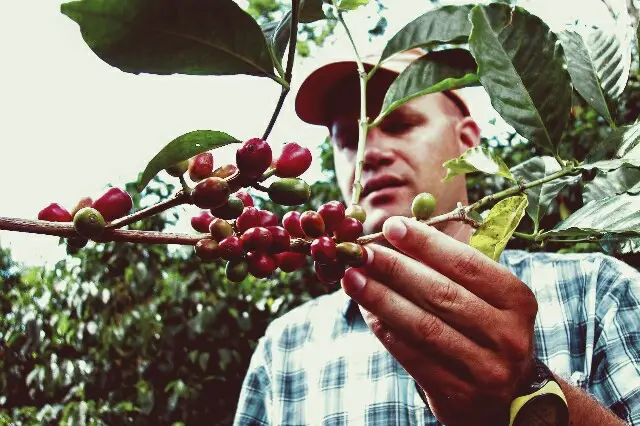
Flavor Profile of Colombian Coffee Beans - Main Characteristics of Huila Coffee Region

For more premium coffee knowledge, follow FrontStreet Coffee.
Introduction to Colombian Coffee
When mentioning Colombia, a country rich in natural resources, FrontStreet Coffee thinks of its famous "four treasures": coffee, flowers, gold, and emeralds. One of those treasures — coffee — has become a whole series in FrontStreet Coffee's bean selection. Colombia is currently the world's third-largest coffee-producing country, behind only Brazil and Vietnam.
Colombian coffee is one of the few specialty coffees sold worldwide under a country name, and its overall quality earns unmatched praise. Compared with other origins, Colombia invests more in product development and production promotion, and combined with superior geography and climate, its coffee is high-quality, flavorful, and world-renowned.

Colombia's geography is ideal for coffee. The growing regions sit in the Andes Mountains with a mild climate and humid air. Three Cordillera ranges run north-south into the Andes, with coffee planted along their highlands. The terraced terrain creates diverse microclimates, making Colombia a year-round harvesting country where different coffees mature in succession. Among FrontStreet Coffee's selection, several Colombian coffees are customer favorites — such as the Rose Valley from the Santander region, whose strawberry and fermented notes leave a deep impression.
Colombia sits in northwestern South America, bordering Panama in Central America. In 1808, a priest first introduced coffee to Colombia from the French Antilles via Venezuela. Today Colombia is the world's third-largest coffee exporter, producing almost entirely Arabica — and exporting more Arabica than any other country.
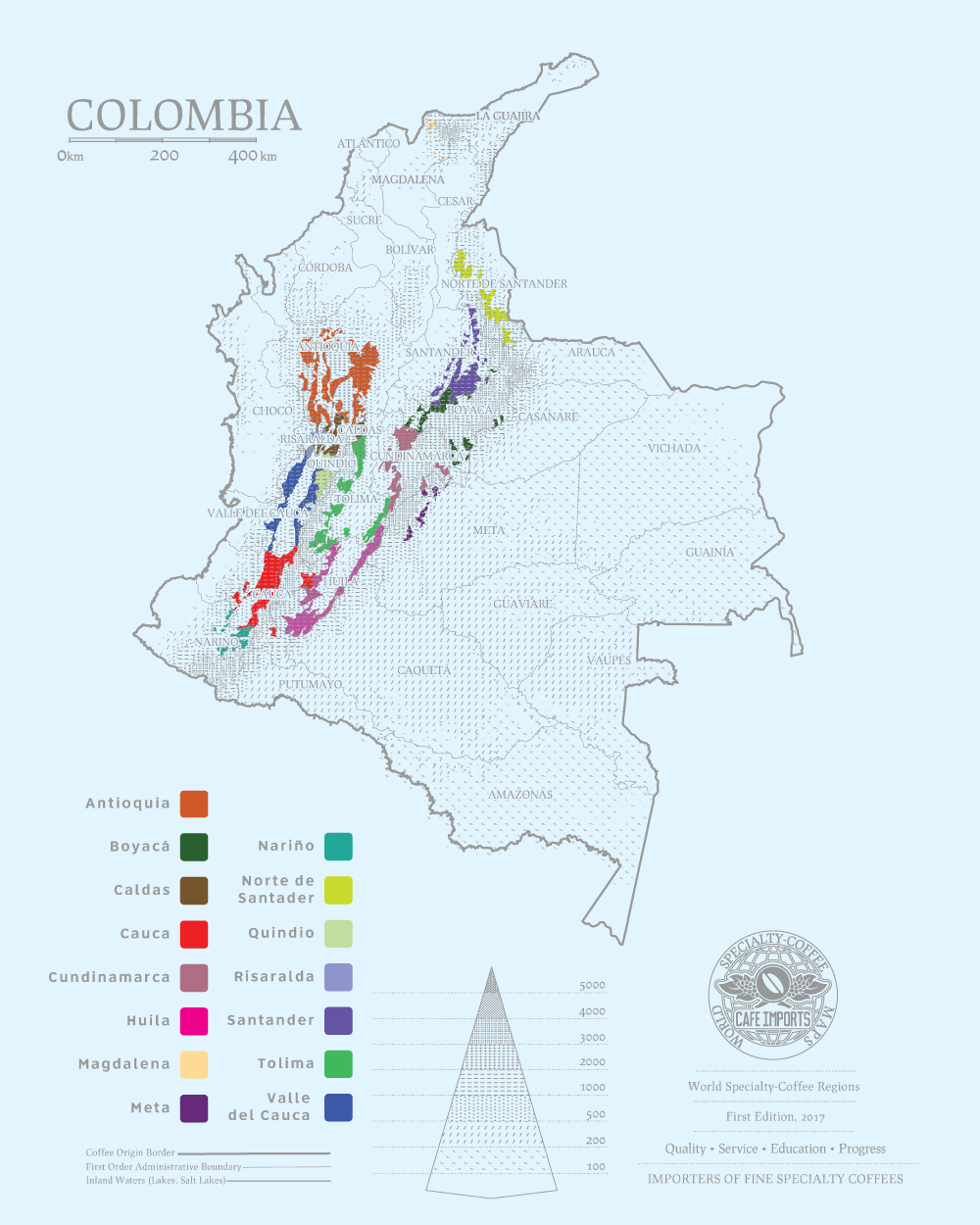
Coffee Producing Regions
Colombian coffee comes mostly from small estates, with high-quality coffee harvested twice a year. The Andes average over 4,000 meters in elevation, with small farms on their steep slopes between about 1,000 and 3,000 meters — these are Colombia's coffee lands. The specialty bean regions are mainly in the south, above 1,500 meters: San Agustin in Huila, Popayan in Cauca, Nariño, and Tolima.
From north to south, Colombia's main producing regions include:
Santander/North of Santander: In northern Colombia, bordering the Magdalena River to the west, with cultivation at about 1,400-1,600 meters. Beans here are known for intense flavor, a long aftertaste, and unique fresh herbal notes.

Antioquia: In north-central Colombia, with 126,000 hectares of coffee cultivation producing 18% of the country's coffee — second only to Huila. Most of the province is Andean high mountain terrain, tempered by warm Caribbean sea breezes. The capital, Medellin, is Colombia's second-largest city and an important coffee region in its own right.
Tolima: Bordering Huila and Cauca, this area features the north-south Andes and Cordillera ranges, with the Magdalena River running south to north between them.
Huila: Located on the southern end of Colombia's central mountain range, it is the country's most famous specialty coffee region — hills surrounded by mountains, cultivated above 1,500 meters, where Colombia's most important rivers converge, bringing abundant water and moisture.

Cauca: A Colombian origin-certified region with an average elevation of 1,758m, reaching up to 2,100m at its highest. Topography, precipitation, temperature, and volcanic soil all suit coffee; 80% of the area is mountainous, with parallel ranges in the east and center forming part of the Andes, and two main volcanoes — Sotara and Petacas — in the central range.
Nariño: Bordering the Pacific to the west and Ecuador to the south, with the Andes traversing the province and many rivers flowing south. It's one of Colombia's high-altitude coffee zones, home to many small specialty coffee farmers, and was Colombia's first producing region named as an origin denomination.

Colombian coffee shows balanced flavors with a smooth mouthfeel — a gentleman among coffees: steady and refined. The aroma is rich and full-bodied, with bright, high-quality acidity.
Coffee Bean Grading
Colombia has over 200 different grades. "Supremo" is the highest grade, followed by "Excelso." Only Supremo beans above screen 18 (18/64 inch in diameter) can qualify as specialty coffee.
Coffee Bean Processing Methods
Colombian beans are primarily washed-processed. Frequent buyers of FrontStreet Coffee's daily bean series know most of those beans are washed too — because washed processing expresses a region's baseline flavor profile and is the starting point for understanding regional character. Compared to natural processing, washed gives better quality control, mainly by keeping the coffee clean and slowing fermentation. But it demands lots of water, so it's less common in water-scarce countries.
Coffee Bean Varieties
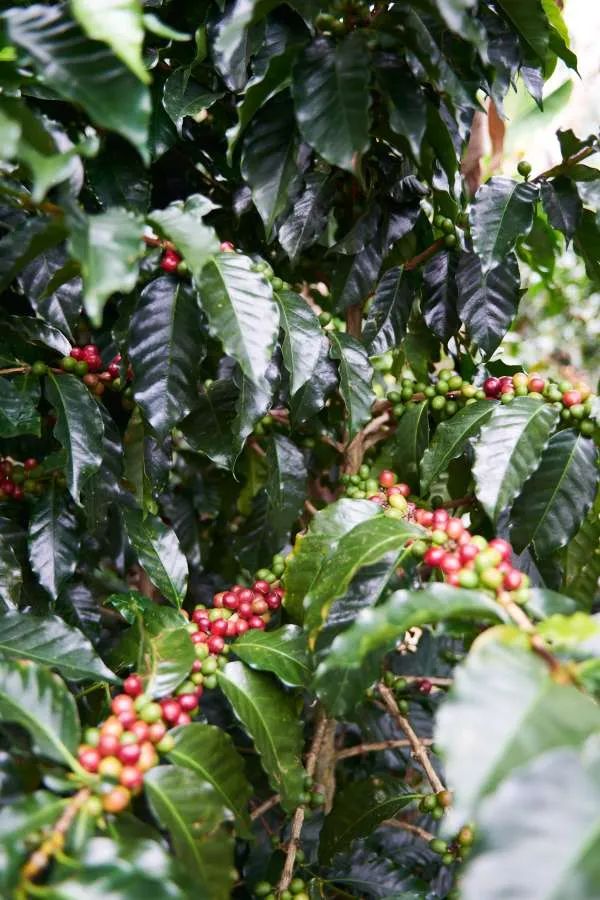
Besides the varieties common across the Americas — Caturra, Bourbon, Typica, Pacamara — Colombia has three unique disease-resistant varieties: Castillo, Tabi, and the Colombia variety (named after the country). There are also rare gems like Gesha, small-bean Mocca, Rume Sudan, Eugenioides, Laurina, Maragogipe (Maracaturra), and Pink Bourbon.
Typica
Typica is a long-established variety in Colombia, first introduced around the late 16th to early 17th century by a priest from the French Antilles via Venezuela. It offers excellent flavor — delicate florals, outstanding acidity, full body — but low yields and high agronomic costs mean most farmers plant higher-yielding varieties; only a few regions still grow Typica. This year, FrontStreet Coffee cupped an anaerobic natural Typica from Colombia's Pearl Estate featuring quality citrus acidity, passion fruit, and fermented aromas.

Bourbon
Bourbon is a variant of Typica with rounder beans, superior acidity, and wine-like notes. It officially reached South America in 1860 — first to Brazil to replace low-yielding Typica, then spreading to Colombia — though it was never widely planted there. FrontStreet Coffee once offered a Pink Bourbon from the Paraiso Estate in Cauca whose clear, clean acidity with lemon and cherry-tomato notes evoked Kenyan coffee.
Caturra
Caturra is a natural Bourbon variant. Its advantages: sun tolerance (no shade trees needed), compact size (easy to harvest), and more branches (high yield), with flavor comparable to Bourbon — which is why it became Colombia's main variety. Interestingly, Caturra was discovered in a Minas Gerais plantation in Brazil and screened by the Instituto Agronômico de Campinas (IAC) in São Paulo, but experimental results in Brazil were unimpressive. In Colombia, it was transformed and planted nationwide. FrontStreet Coffee's Karyeon and Rose Valley are both Caturra.
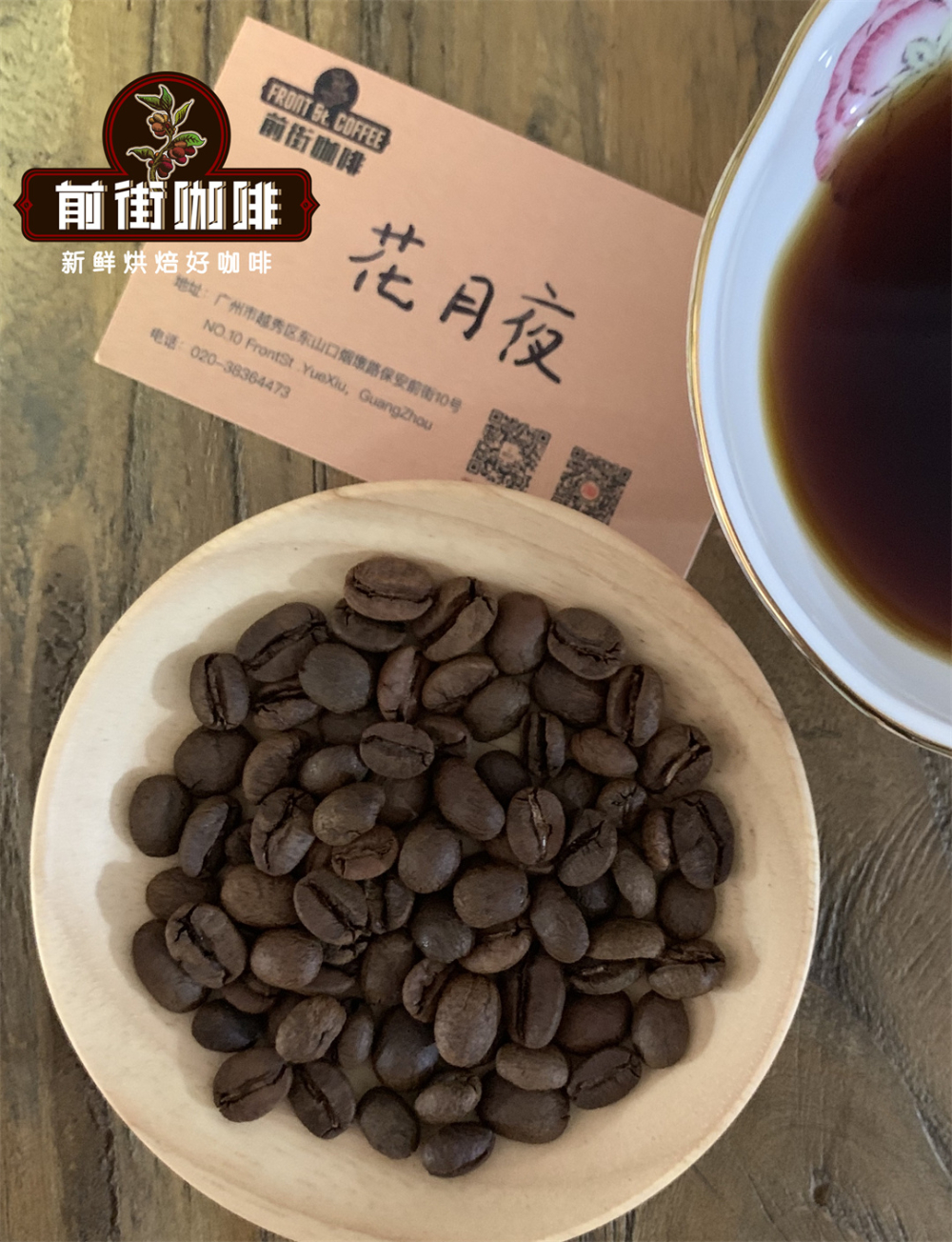
Colombia
To combat leaf rust, Colombia's National Coffee Research Center (Cenicafé) developed an improved, multi-generation backcross of Catimor in 1980. Through successive generations its Robusta genes were further diluted. The government named the variety "Colombia" after the country — both to distinguish it from first-generation Catimor and to promote nationwide cultivation.
The Colombia variety performs excellently in disease resistance and yield, but its flavor falls a bit short of Caturra, so it's mostly used for commercial-grade exports. It remains one of Colombia's main varieties.

Castillo
Castillo is a new-generation leaf-rust-resistant variety jointly developed by the Colombian Coffee Growers Federation (FNC) and Cenicafé, aiming for higher yields, greater resistance, and Caturra-comparable quality. After 23 years of research and testing, Cenicafé released the fifth generation of Castillo, officially promoted for commercial cultivation in 2005. Castillo is known for smoothness, aroma, and lemon acidity; according to Cenicafé's blind test results, its flavor can match Caturra and Bourbon, and Colombia is promoting its cultivation nationwide.
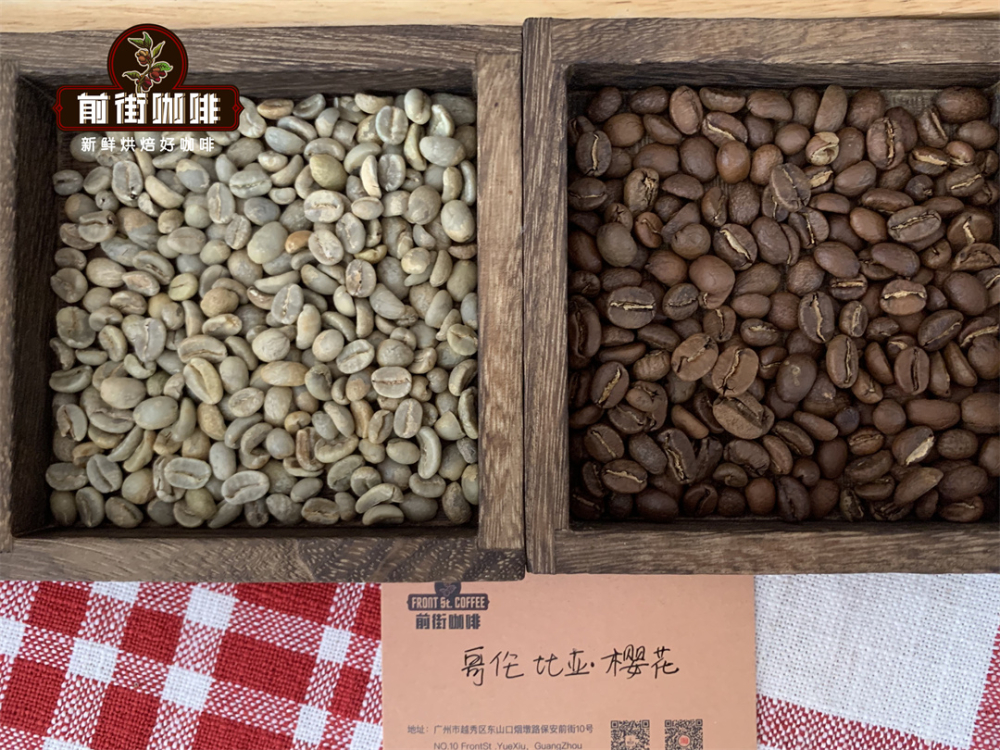
That said, FrontStreet Coffee has yet to taste Castillo processed by traditional methods (natural or washed), so we reserve judgment on whether its flavor matches the official description. The Castillo FrontStreet Coffee currently offers is "Sakura" from Paradise Estate, double-anaerobic washed, presenting aromas of mugwort, mint, and eucalyptus with flavors of berries and strawberry candy.
FrontStreet Coffee also carries a Gesha from Colombia: the "Hanami" Gesha blend from Montblanc Estate in Huila. The estate originally planted Caturra and Catuai; in 2016 the owner and his team introduced Gesha varieties from Panama, which first bore fruit in 2020 and entered full production in 2021 — making this Montblanc Estate's first Gesha ever sold on the market.
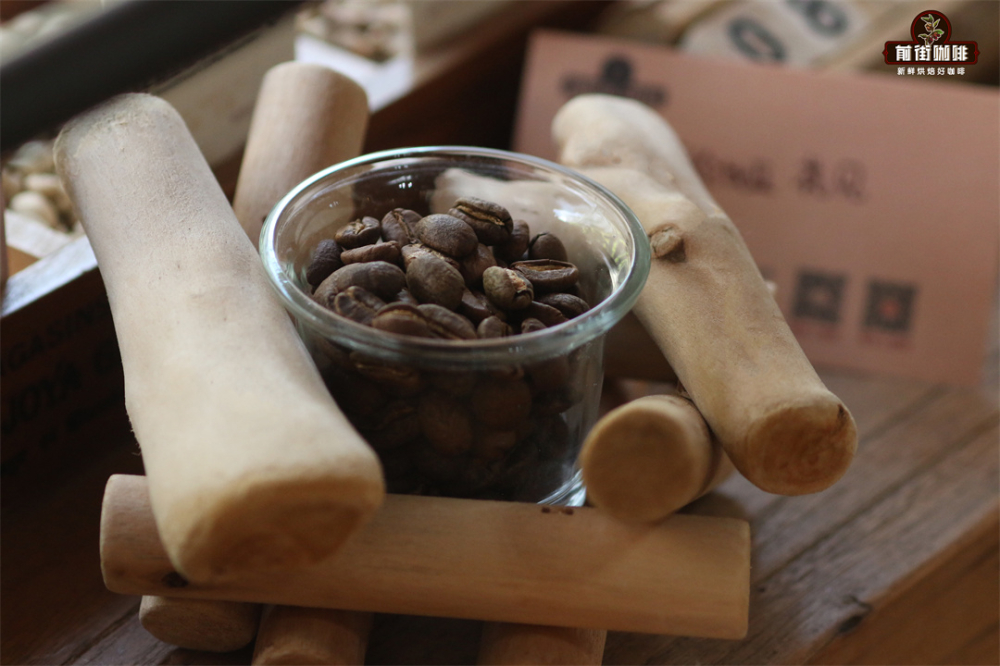
FrontStreet Coffee Colombian Gesha Blend · Hanami Coffee Beans
Region: Huila, Colombia
Estate: Montblanc Estate
Altitude: 1,900 meters
Variety: Gesha, Caturra, Catuai
Processing Method: Washed
Flavor: Pink pepper, chamomile, tangerine, honey, almond
FrontStreet Coffee brewed this Colombian bean to explore its flavor characteristics.

Colombian Coffee Brewing Method
Cupping shows Colombian beans are generally soft and balanced, so we recommend brewing at 90-91°C with a 1:15 coffee-to-water ratio, medium-fine grind (78% retention rate on a #20 standard sieve), and a V60 #01 filter.
FrontStreet Coffee's three-stage method: pour 30g of water for a 30-second bloom, then continue in small circles to 130g and pause. When the level drops and is about to expose the bed, pour to 240g and stop. Once the bed is about to surface again, remove the dripper. (Timing starts from the bloom.) Total extraction time: 2'15".
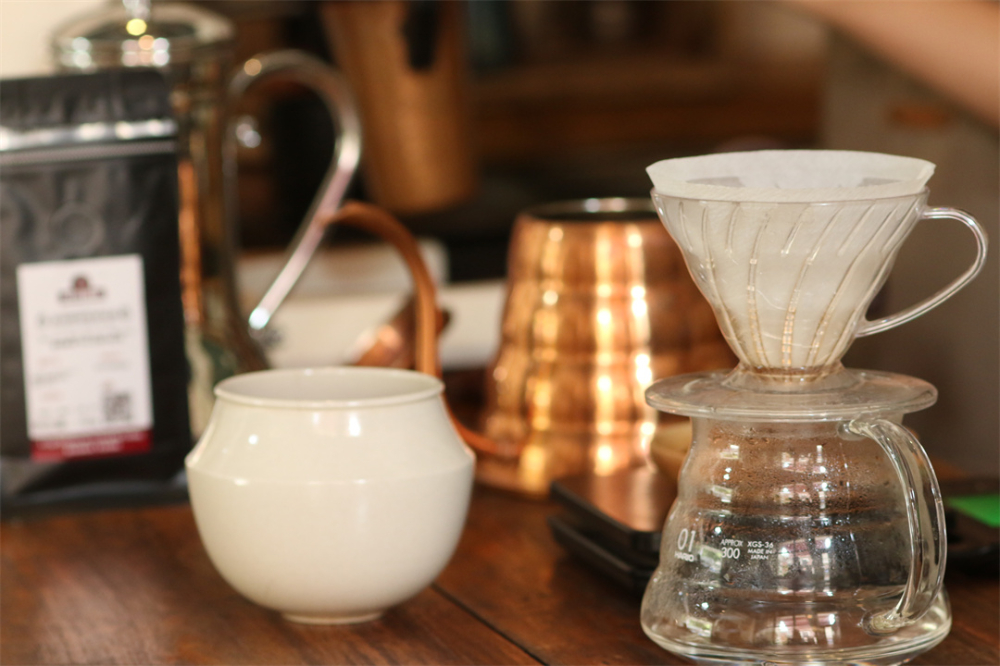
Brewed this way, the Hanami Gesha reveals floral notes, soft orange and tangerine acidity, honey-like sweetness, and a tea-like aftertaste.
FrontStreet Coffee Recommendation
If Huila's balanced, gentlemanly profile won you over, FrontStreet Coffee's Washed Huila is the daily-bean version of that character: roasted medium-dark to bring out black chocolate and nutty sweetness with a smooth body — great as pour-over or French press, and equally at home in a moka pot or espresso machine.
And don't overlook Brazil as a partner origin: FrontStreet Coffee's pulped natural Cerrado Red Bourbon serves up creamy peanut, toast, caramel, and hazelnut with zero acidity, while the Queen Estate Yellow Bourbon — a rare Red Bourbon mutation from Mogiana's red volcanic soil — adds a sugarcane sweetness and fruit-chocolate complexity you won't find elsewhere. Together with Colombia, Brazilian beans form the backbone of FrontStreet Coffee's espresso blends, supplying chocolate, cream, and the stable, balanced extractions that make Americanos and lattes shine.
Important Notice :
FrontStreet Coffee is a long-established specialty coffee roaster in Guangzhou China, selling freshly roasted beans from its own farm in Yunnan as well as dozens of carefully selected single-origin beans from around the world for both pour-over and espresso. The products deliver consistently excellent quality and great value, with shipping within 24 hours. Guangzhou's FrontStreet Coffee shop is recommended by many coffee lovers, and the beans are now available online at the Tmall 。
FrontStreet Coffee has moved to a new address:
FrontStreet Coffee Address: 315,Donghua East Road,GuangZhou
Tel:020 38364473
 Scan and follow the En Gafei WeChat official account. Please indicate that the reprint comes from "En Gafei".