
Panama La Esmeralda Estate: World's Top 10 Coffee Estates and Characteristics of Blue, Green, and Red Label Geisha Coffee Beans
Panama Coffee
When it comes to Panama coffee, FrontStreet Coffee must mention La Esmeralda Estate. La Esmeralda Estate is both the discoverer of Geisha flavor and the promoter of Geisha coffee. From the Geisha varieties they have launched, we can see their emphasis on Geisha and quality assurance. When it comes to La Esmeralda Estate's quality control capabilities, FrontStreet Coffee must mention their grading system. La Esmeralda Estate has created its own grading system, dividing Geisha coffee beans into different grades.
Climate has shaped Panama's coffee. Panama borders Costa Rica and Colombia, and the east-to-west environment allows cold air currents to flow through the central mountains, converging at altitudes above 6,500 meters. This creates a very unique microclimate in the Boquete and Piedra de Candela regions, with temperatures and rainfall perfect for plant growth. This microclimate region is the main production area for Panama coffee. In addition to climate, the land surrounding this area is rich in nutrients, and the fertile soil provides perfect cultivation conditions for coffee growth, shaping numerous unique, high-quality coffees.
In addition to natural factors, FrontStreet Coffee also understands that there is another important reason why Panama coffee has gained worldwide attention. FrontStreet Coffee believes that since the late 20th century, Panama coffee development has had a privileged start. Because the United States helped build the Panama Canal in the late 20th century and independently controlled it for a period, a large number of American elites moved south to Panama, partly for work needs and partly to explore business opportunities. La Esmeralda Estate is a witness to this elite trend era.
Janson Estate
In 2013, the Best Panama Coffee Award presented by the Specialty Coffee Association of Panama (SCAP) had a new finalist! It was the Geisha variety from Janson Estate, owned by Carl Janson! Also known as "the champagne of the coffee world." It has full jasmine fragrance and delicate berry notes, with a clean taste, honey, and lychee flavors.
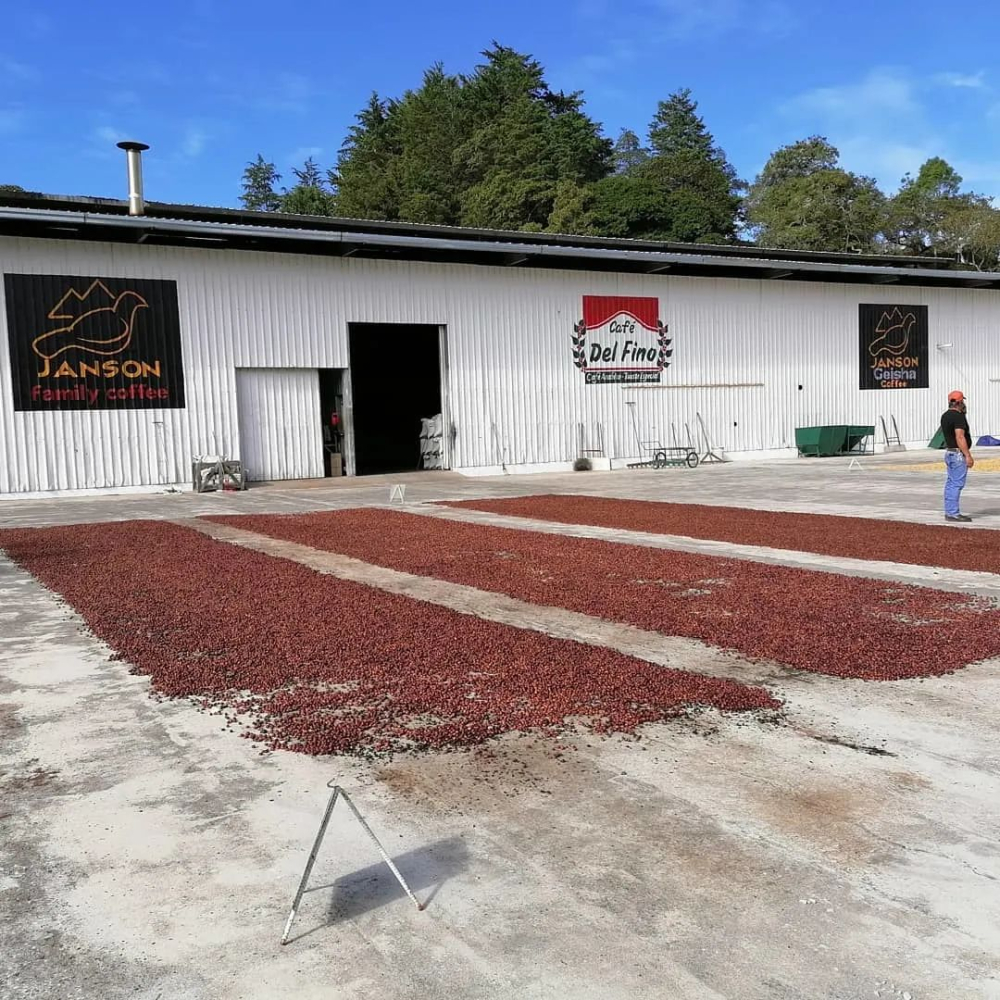
Geisha has rich sweetness, an extremely clean taste, and rich aromas that extend from berries and citrus to mango, papaya, and peach flavors. A very distinct bergamot-like aftertaste is also its typical cupping attribute. To date, Geisha has remained the champion among coffee varieties. Janson Geisha is relatively less heard of domestically because Janson Estate focuses mainly on domestic sales and does not export. Under the conditions of high altitude, nutrient-rich volcanic soil, abundant rainfall, and suitable temperatures, Janson Estate has gradually become the second-largest Geisha-producing estate among Panama's estates, with 50% of the estate planted with Geisha variety coffee trees.
Hartmann Estate
At Panama's Hartmann Estate, we see that people here always follow green environmental requirements when planting coffee. The farm's compost is made from pulp and cherry skins. Curious about what kind of coffee flavor would be nurtured in such an environment, FrontStreet Coffee couldn't wait to brew a cup of Hartmann. It has pure flavor, sweet and bright tones, with rich honey aroma, and carries the sweet fragrance of drupes. Every inch of the mouth has rich milk chocolate flavor, and it still tastes good even when cooled. In addition to the superior local climate conditions, careful cultivation and strict picking and selection, its perfect taste also comes from special processing methods - red wine processing.
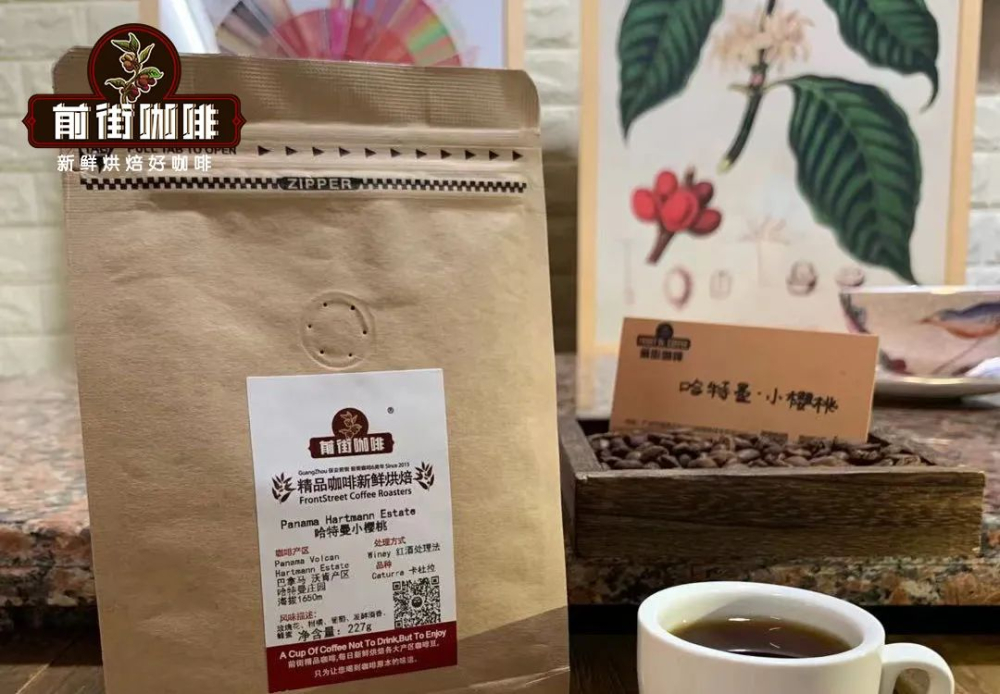
Hartmann Estate's coffee varieties are very diverse, including Typica, Caturra, Catuai, Bourbon, Pacamara, Maragogipe, and Geisha.
La Esmeralda Estate (Boquete)
La Esmeralda Estate is located at a corner of Baru Volcano, so the coffee beans produced in this area were mostly named after Baru Mountain before they became famous. The surrounding area of Boquete is scenic, with many leisure hotels, villas, vacation estates, and even built along the important river Rio Caldera. La Esmeralda Estate is located in Jaramillo on the right side of this river, and later planted coffee at higher altitudes in Canas Verdes on the left side of the river. This is all thanks to Rudolph Peterson's decision to purchase this property back then.
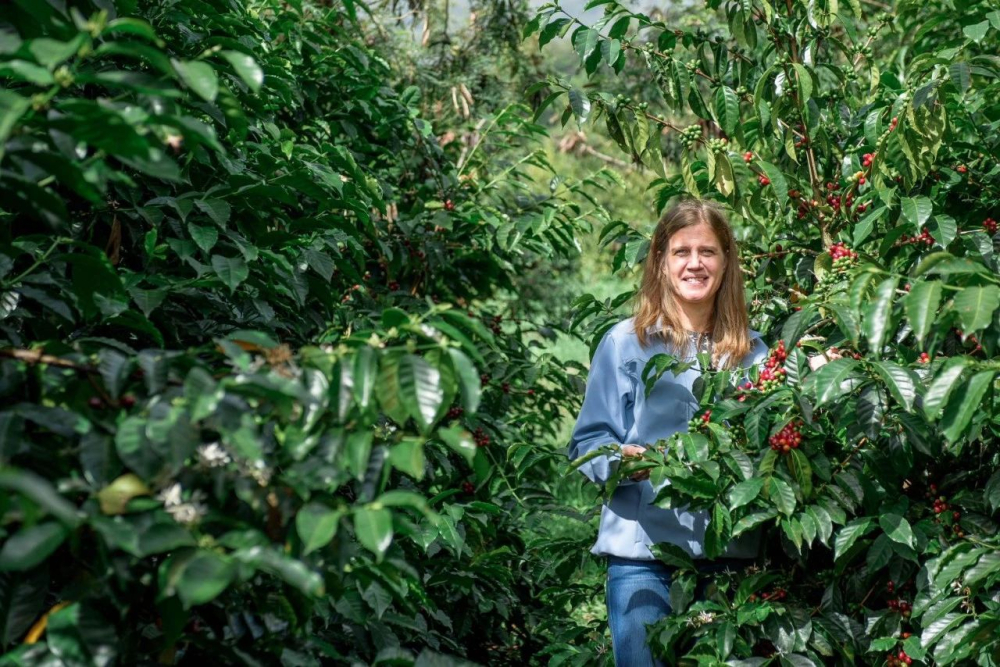
Rudolph A. Peterson, first generation owner of La Esmeralda Estate
In 1964, Swedish-American financier Rudolph A. Peterson retired, moved to Panama, and bought La Esmeralda Estate in Boquete, focusing on dairy farming. He had served as president of Bank of America and was a major figure in the financial circles of that time. Rudolph bought Hacienda La Esmeralda just for vacation and later retirement use, probably not expecting that this estate would become world-famous and even become a representative of Panama's specialty coffee estates. In 1973, his son Price Peterson earned a Ph.D. in neurochemistry in the United States but returned to Boquete to help his father run the farm. After Price took over, he segmented the market into three major brands based on altitude and microclimate, cupping performance, and planted varieties (Esmeralda Special, Diamond Mountain grows, Palmyra), and added Geisha in 2012, making it four brands.
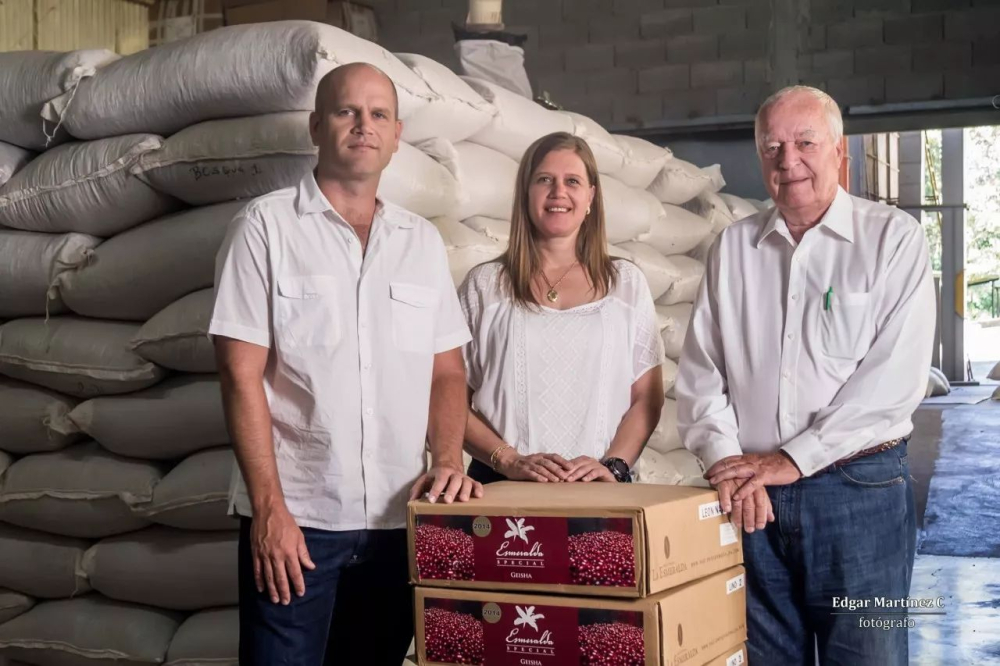
[La Esmeralda Estate] actually includes 4 farms: Cañas Verdes, El Velo, Jaramillo, and Palmira. All coffee beans are sent to these 4 farms for post-processing. The first farm purchased by the Peterson family was Palmira.
1. Esmeralda Special
This is La Esmeralda Estate's own independent auction, completely composed of Geisha, divided by production area names, with each area further subdivided into small batches for auction. Only Geisha batches that the estate puts out for independent auction can use the Esmeralda Special name. Since 2013, Esmeralda Special has had nine batches.
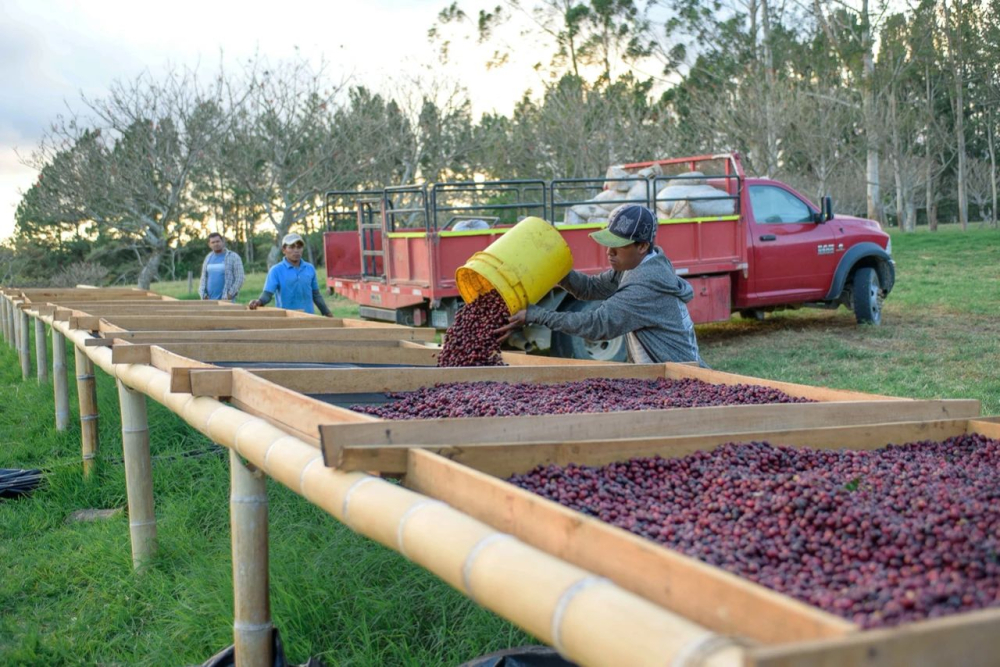
El Velo Farm of La Esmeralda Estate
El Velo Farm was acquired by La Esmeralda Estate in 2012 and is the newest farm in the estate. FrontStreet Coffee understands that this farm has obtained Rainforest Alliance Certification, proving La Esmeralda Estate's coffee base's friendliness and protection awareness towards the environment. El Velo Farm covers 50 hectares. In addition to planting Geisha and Catuai varieties, the farm also grows a small number of exotic varieties such as Laurina, Pacamara, Mocha, and SL28, as well as over 400 other varieties obtained from CATIE, all planned as part of the farm's long-term commercial exploration.
Although the land of this farm winds upward along the mountain range with an altitude of up to 3,900 meters, the coffee planting altitude is between 1,650 and 1,900 meters. FrontStreet Coffee also understands that there is a nature reserve here, home to the famous resplendent quetzal and other endangered birds.
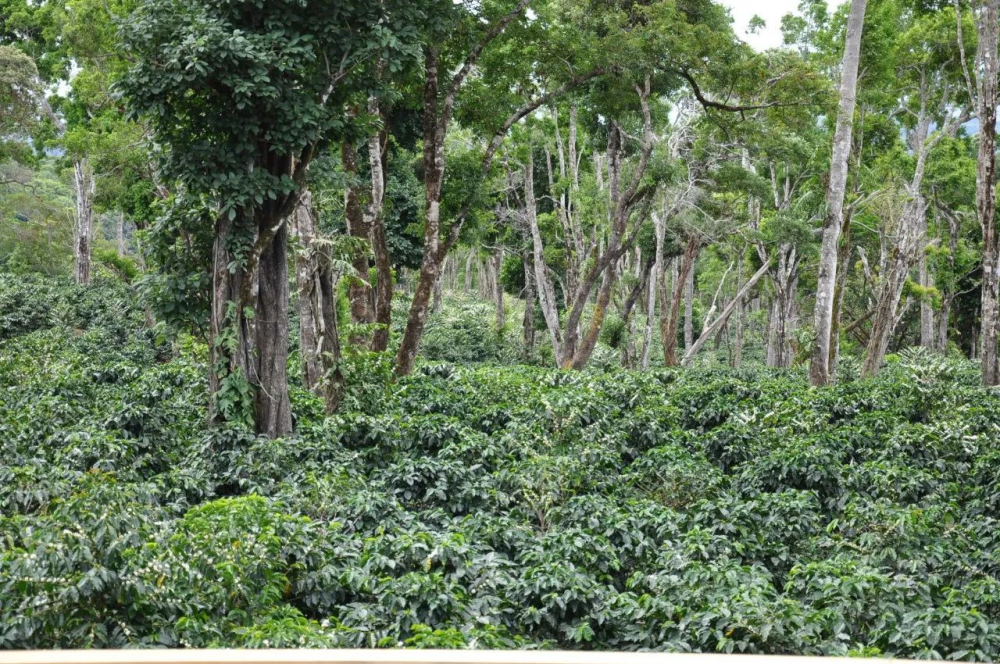
La Esmeralda Estate's special micro-batches are called Prueba batches. "Prueba" means "experiment, test" in Spanish. In the relentless pursuit of improving coffee quality, La Esmeralda Estate continuously tries new methods in processing, in addition to relentless efforts in variety selection and planting processes. Prueba 4 belongs to a special innovative batch from La Esmeralda Estate's special reserve plots. Since 2004, this rare coffee planting reserve area has won more than 15 international awards. The coffee produced here does not participate in La Esmeralda Estate auctions and is sold in small batches through direct trade.
Currently, La Esmeralda Estate mainly has three estates growing Geisha varieties: El Velo, Cañas Verdes, and Jaramillo. In 1996, they acquired nearby Jaramillo, which had superior geographical environment and good original coffee variety flavors. El Velo was acquired by La Esmeralda Estate in 2012. FrontStreet Coffee believes that La Esmeralda Estate's decision to acquire estates with good production and high altitude was unique at that time, which also enabled La Esmeralda Estate to occupy a certain position in the coffee industry.
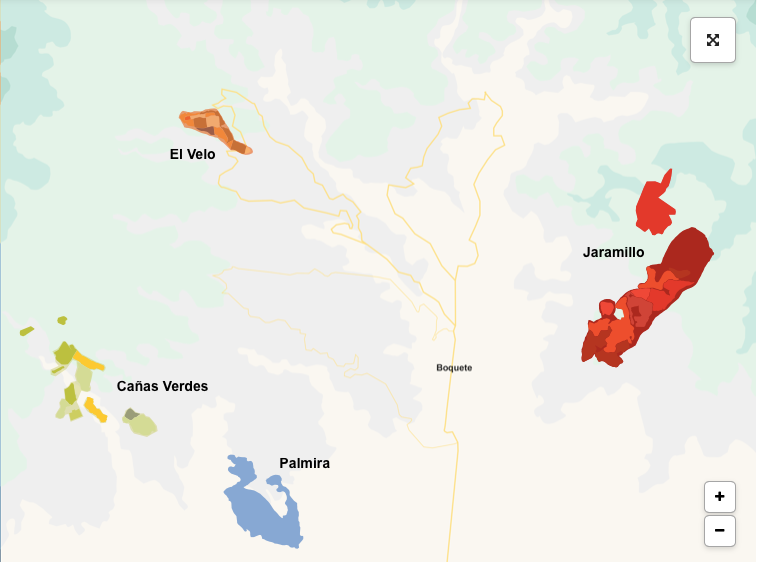
FrontStreet Coffee understands that although La Esmeralda Estate initially discovered coffee beans with flavor performance, for precision, they cup-tested coffee beans from different areas in the estate and determined planting plots based on altitude. This is why we now have the Red Label, Green Label, and Blue Label Geisha grades, all classified by altitude.
Starting from winning the championship in the 2004 Panama Best of Panama (BOP) green bean competition, it has been astonishing all the way. Later, after expert identification, it was discovered that this coffee bean was the Geisha variety from Ethiopia. Afterward, the Peterson family focused most of their energy on developing infrastructure to support excellent batch separation and fine processing.
Geisha Red Label, Green Label, and Blue Label
FrontStreet Coffee believes that the biggest difference between La Esmeralda Estate's marketing strategy and other estates is that they are divided into five major brands based on cupping performance, planted varieties, and planting plots. The Geisha varieties have three brands: Esmeralda Special, Private Collection, and Geisha 1500. The Catuai varieties have two brands: Diamond Mountain grows and Palmyra.
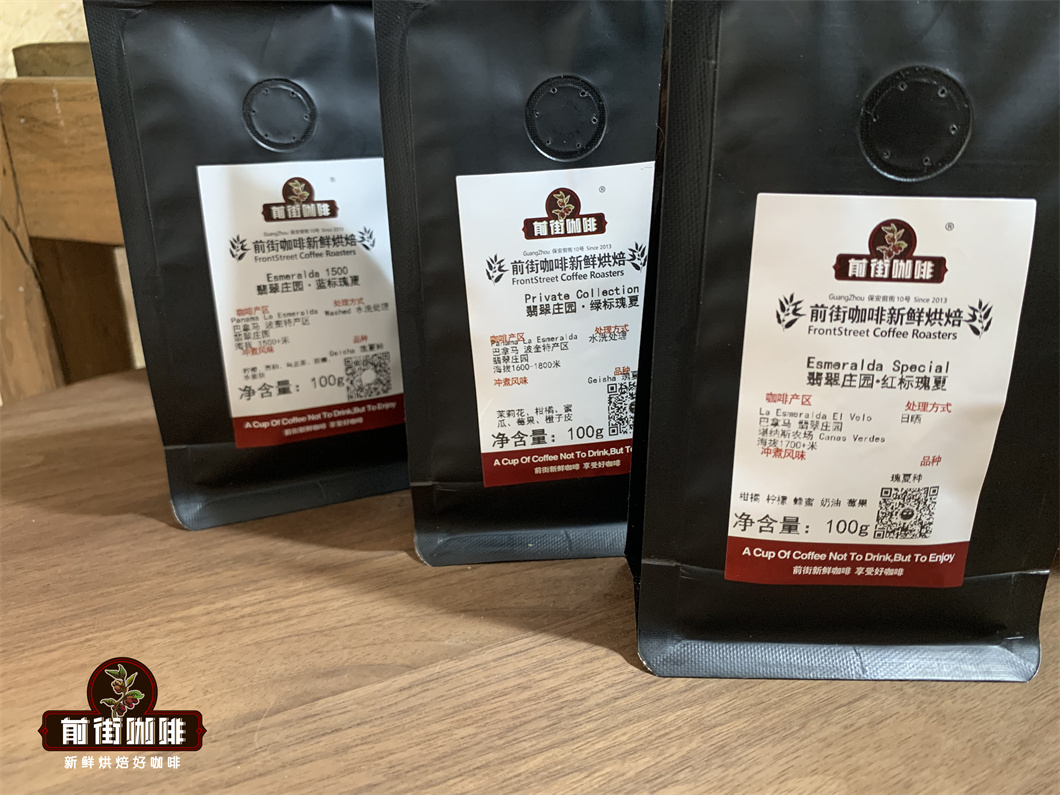
Red Label Geisha
The Geisha produced by Esmeralda Special is what we commonly hear as Red Label.
Selected from Geisha beans grown at altitudes of 1600-1800 meters, with cupping scores above 90 points, produced from the two regions of Jaramillo and Cañas Verdes.

The independent auction held by La Esmeralda Estate, the Geisha batches taken out for auction from the divided plots, are the auction Red Labels. Customers often ask whether auction Red Labels taste better than regular Red Labels. In fact, non-auction Red Labels and auction Red Labels come from the same plot, the difference being whether they participate in the auction or not. FrontStreet Coffee believes it's not necessary to drink auction-level coffee; first, the price is indeed quite high, and second, if you just want to try it, the Red Label is also a good choice.
Coffee at this level will be processed into natural or washed green beans. Yeast processing was added in 2018, and can only be purchased through the annual global auction. The flavors have special, bright floral aromas and citrus aromas.

Green Label Geisha
Private Collection, commonly known as Green Label, are batches that do not participate in independent competitions but are still of excellent quality. Selected from Geisha varieties grown at altitudes of 1600-1800 meters, produced from micro-batch mixed beans from different plots such as Jaramillo and Cañas Verdes.
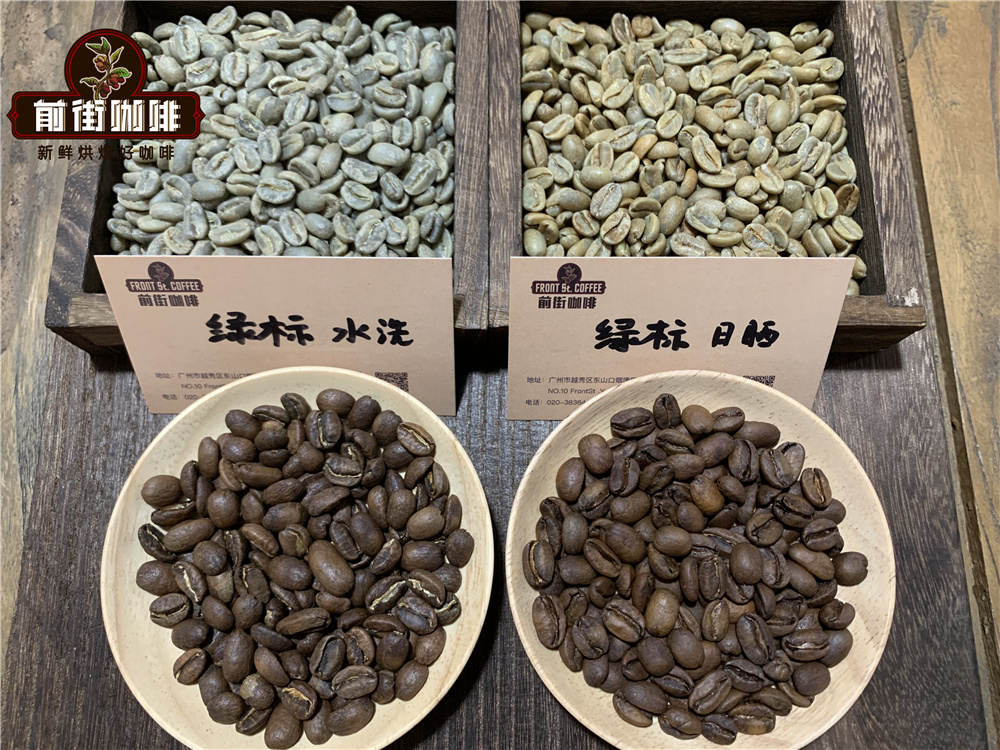
People often ask what the difference between Red Label and Green Label is. FrontStreet Coffee gives the most straightforward answer: Red Label can be traced back to which small plot, while Green Label is a mixed bean that cannot be traced. Because it uses a mixed bean model without detailed plot markings, sometimes the flavor similarity between Green Label and Red Label can be very high, but the next batch might be different. FrontStreet Coffee feels that drinking Green Label is like buying a lottery ticket - maybe this batch you taste has the flavor of Red Label.
Although Green Label is not as high-grade as Red Label, it still carries the classic flavors of Geisha: floral aroma, fruit aroma, citrus acidity, and thick, juicy texture. Green Label Geisha also has both washed and natural processing.

Blue Label Geisha
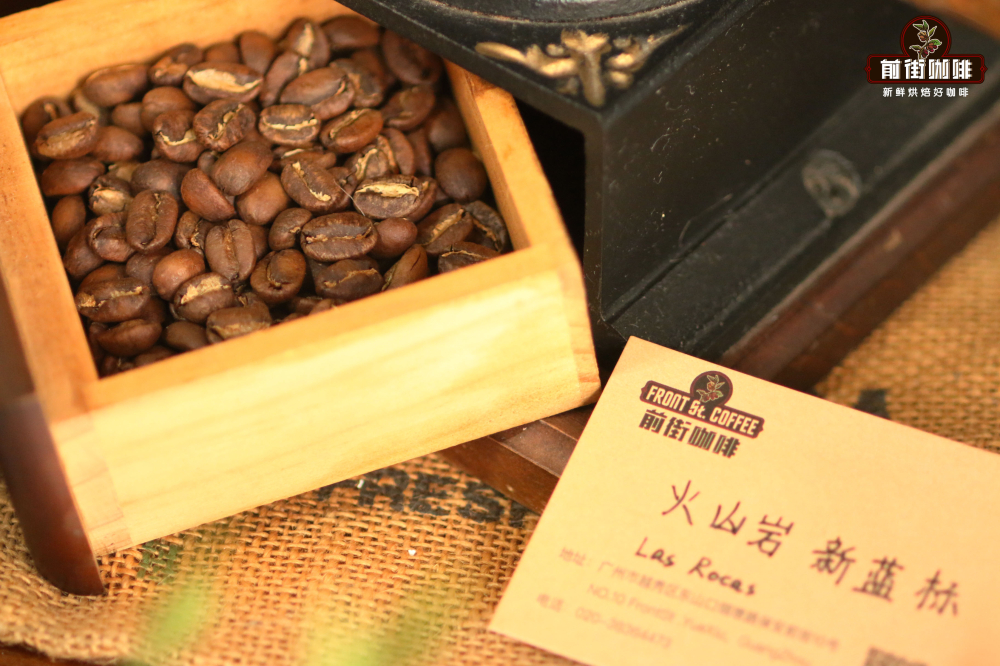
The Geisha 1500 brand is what we commonly know as Blue Label Geisha. Selected from mixed beans from three different plots at altitudes of 1400-1500 meters: Jaramillo, Cañas Verdes, and El Velo. The flavor has light floral notes, fruit acidity, and sweetness, with a less full-bodied texture. Currently, the Blue Label brand has been discontinued by La Esmeralda Estate, and this batch of Geisha is sold for export, becoming Volcanic Rock Geisha coffee beans. The Geisha produced in this region is sold for export, becoming Volcanic Rock Geisha coffee beans, with the same flavor as the original Blue Label. The Volcanic Rock flavor has light floral notes, sweet and sour fruit, and is not as full-bodied as the other two brands.
2. Geisha
This is the Geisha variety, but not an independent competition batch. It is composed of high-quality beans from various production areas that do not participate in auctions mixed into this brand. It is still the Geisha variety. This brand strategy has been used since 2012.
3. Diamond Mountain grows
These are La Esmeralda's traditional varieties, planted in the Cañas Verdes and Jaramillo regions at altitudes of approximately 1400-1700 meters. The coffee has complex flavors, with obvious chocolate and spice sweetness. The planted coffee varieties are standard Central American mixes, including Typica, Bourbon, and Catuai. Diamond Mountain is eco-friendly, Rainforest Alliance Certified coffee.

4. Palmyra
This brand's coffee is located near the Baru Volcano Park area and belongs to La Esmeralda Estate's commercial beans. At altitudes of 1100-1200 meters, all planted are Catuai varieties. Although this is not specialty grade, it has typical Panama Boquete coffee flavor - acidity that's not too stimulating, with nutty sweetness and vanilla.
Roasting Suggestions and Cupping Flavors
When FrontStreet Coffee roasts these three different grades of Geisha coffee beans, the main approach is still to highlight Geisha's rich floral aroma and bright, changing fruit acidity characteristics, using light roasting techniques. However, FrontStreet Coffee considers that the growing environment of each grade is different, so adjustments must be made in roasting details.

Red Label Geisha
Dry aroma: Jasmine, citrus
Wet aroma: Citrus, lemon, honey
Taste: Lemon, honey, berries, orange peel, mango, cream, citrus, tea sensation
Green Label Geisha
Dry aroma: Jasmine, ginger flower
Wet aroma: Lemon, sweet orange
Taste: Lemon, sweet orange, honey, cream, almond, tea sensation
Blue Label Geisha
Dry aroma: Floral, citrus
Wet aroma: Citrus, lemon
Taste: Citrus, lemon, honey, nuts, tea sensation
Brewing Suggestions
FrontStreet Coffee's brewing suggestions for La Esmeralda Estate's Red Label, Green Label, and Blue Label Geisha:
FrontStreet Coffee recommends using these brewing parameters: Hario V60 dripper, 91°C water temperature, 15g coffee dose, 1:15 coffee-to-water ratio, grind size EK43s setting 10 (Chinese standard 20-mesh sieve pass rate 80%).

Brewing Method
FrontStreet Coffee uses segmented extraction, also called three-stage brewing. Use 30g of water for 30-second blooming, then pour water in a small circular motion to 125g for segmentation. When the water level drops and is about to expose the coffee bed, continue pouring to 225g and stop pouring. When the water level drops and is about to expose the coffee bed, remove the dripper (timing starts from blooming). Extraction time is 2'00".
Flavor Descriptions
Red Label: Has bright rose and citrus aromas, brown rice, berries, apricots, complex fruits, honey, with a rich juice sensation, rich flavor layers, and obvious sweetness.
Green Label: Rich jasmine fragrance, high sweetness, citrus, berries, juice sensation, cream, green tea, orange peel, cantaloupe, with overall rich flavor layers and lasting floral and citrus aftertaste.
Blue Label: Floral aroma, with gentle lemon and grapefruit acidity upon entry, honey sweetness in the middle, oolong tea sensation and brown sugar sweetness in the finish, with a relatively clean and bright mouthfeel.

For more specialty coffee beans, please add FrontStreet Coffee's private WeChat: kaixinguoguo0925
FrontStreet Coffee is a long-established specialty coffee roaster in Guangzhou China, selling freshly roasted beans from its own farm in Yunnan as well as dozens of carefully selected single-origin beans from around the world for both pour-over and espresso. The products deliver consistently excellent quality and great value, with shipping within 24 hours. Guangzhou’s FrontStreet Coffee shop is recommended by many coffee lovers, and the beans are now available online at the Tmall 。
Important Notice :
前街咖啡 FrontStreet Coffee has moved to new addredd:
FrontStreet Coffee Address: 315,Donghua East Road,GuangZhou
Tel:020 38364473

- Prev
What is Coffee Over-Extraction? How to Judge Under-Extraction vs Over-Extraction and Their Effects on Coffee Flavor
Extraction: The process of extracting compounds from raw materials, such as drawing flavor compounds from coffee beans using hot water. Over-extraction occurs when coffee grounds remain in contact with hot water for too long, extracting undesirable compounds along with desirable ones, resulting in bitter, harsh flavors.
- Next
How to Distinguish Between Hacienda La Esmeralda's "Red Label," "Green Label," and "Blue Label"?
Master the differences between Hacienda La Esmeralda's red label, green label, and blue label! Through years of experimentation, Hacienda La Esmeralda discovered that only Geisha beans harvested from coffee trees growing at altitudes above 1,400 meters can showcase the distinctive flavors that characterize this exceptional variety. Therefore, the primary classification system is based primarily on growing altitude, supplemented by actual cupping results, to create the red, green, and blue label distinctions.
Related
- How to make bubble ice American so that it will not spill over? Share 5 tips for making bubbly coffee! How to make cold extract sparkling coffee? Do I have to add espresso to bubbly coffee?
- Can a mocha pot make lattes? How to mix the ratio of milk and coffee in a mocha pot? How to make Australian white coffee in a mocha pot? How to make mocha pot milk coffee the strongest?
- How long is the best time to brew hand-brewed coffee? What should I do after 2 minutes of making coffee by hand and not filtering it? How long is it normal to brew coffee by hand?
- 30 years ago, public toilets were renovated into coffee shops?! Multiple responses: The store will not open
- Well-known tea brands have been exposed to the closure of many stores?!
- Cold Brew, Iced Drip, Iced Americano, Iced Japanese Coffee: Do You Really Understand the Difference?
- Differences Between Cold Drip and Cold Brew Coffee: Cold Drip vs Americano, and Iced Coffee Varieties Introduction
- Cold Brew Coffee Preparation Methods, Extraction Ratios, Flavor Characteristics, and Coffee Bean Recommendations
- The Unique Characteristics of Cold Brew Coffee Flavor Is Cold Brew Better Than Hot Coffee What Are the Differences
- The Difference Between Cold Drip and Cold Brew Coffee Is Cold Drip True Black Coffee