Cold Brew Coffee Preparation Methods, Extraction Ratios, Flavor Characteristics, and Coffee Bean Recommendations

For more specialty coffee knowledge, please follow our WeChat official account: FrontStreet Coffee.
A Simple Approach to Iced Coffee: Ice Extraction
When it comes to iced coffee, ice drip and cold brew are usually the first methods that come to mind. Today, FrontStreet Coffee is sharing another remarkably simple way to make iced coffee: ice extraction.
First, let's clarify how the three methods differ. Ice drip involves ice water dripping drop by drop through coffee grounds, extracting and filtering the coffee liquid as it goes. Cold brew, also known as cold immersion, typically steeps coffee grounds in cold water, extracting the coffee at low temperature. Ice extraction, by contrast, relies on direct contact between ice cubes and coffee grounds. The equipment this method requires is minimal: a large filter cup, ice cubes, and coffee grounds. The operation is just as straightforward - line the filter cup with filter paper, add the grounds, place the ice cubes on top of the coffee bed, and let time do the rest.

Some of you may have tried this ice-extraction approach long ago, while others may have stumbled onto it independently while experimenting with iced coffee. The principle and the general procedure are almost identical across versions, with differences usually confined to a few parameter details. So even if you already know the method, it's worth comparing notes on the parameters below.

Coffee Bean Selection and Preparation
For bean selection, FrontStreet Coffee recommends choosing beans with rich, pronounced flavor profiles. For this demonstration FrontStreet Coffee is using its own Sidra beans, which yield an iced coffee with grape, blueberry, and passion fruit flavors and a full, juice-like sensation.
As for how much coffee to use, you'll need to consider the size of your filter cup. The coffee grounds should not fill more than half the height of the cup, since you also need room for the ice. FrontStreet Coffee uses a Hario V60 size 02 dripper with 30 grams of grounds. The grind size should be coarser than for pour-over: aim for a 65-68% pass rate through a #20 sieve.

The Ice Extraction Process
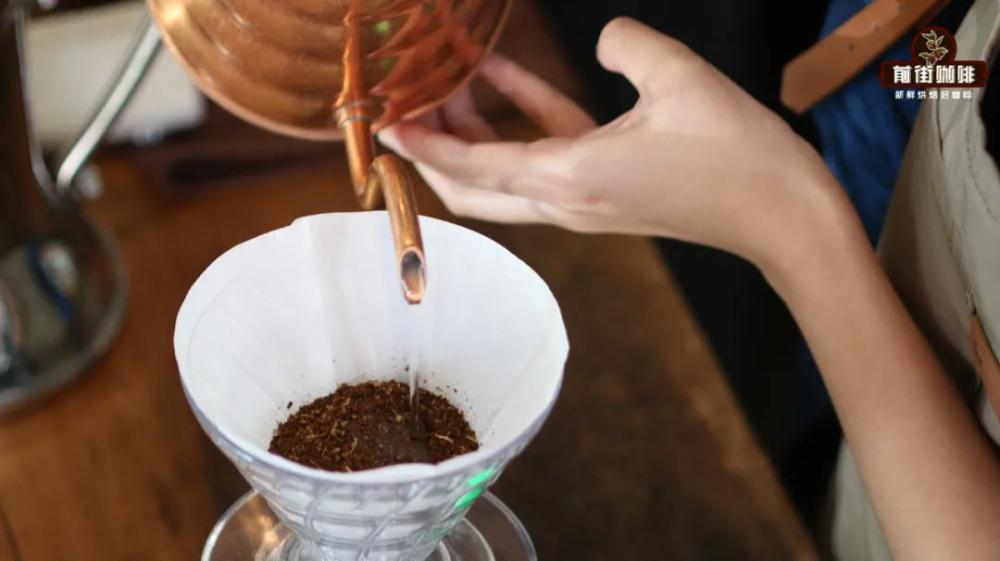
After grinding, pour the coffee into the filter cup and tap gently to level the bed, then pour 30ml of cool water over the grounds to moisten the coffee layer. This prevents severe extraction unevenness once the ice starts melting.
Next, place the ice cubes on top of the grounds. FrontStreet Coffee uses homemade large hard ice cubes, which melt more slowly. If you're using small cubes or soft ice, it's best to run the extraction in the refrigerator. The ice is added at a 1:10 ratio, meaning 300 grams of ice.
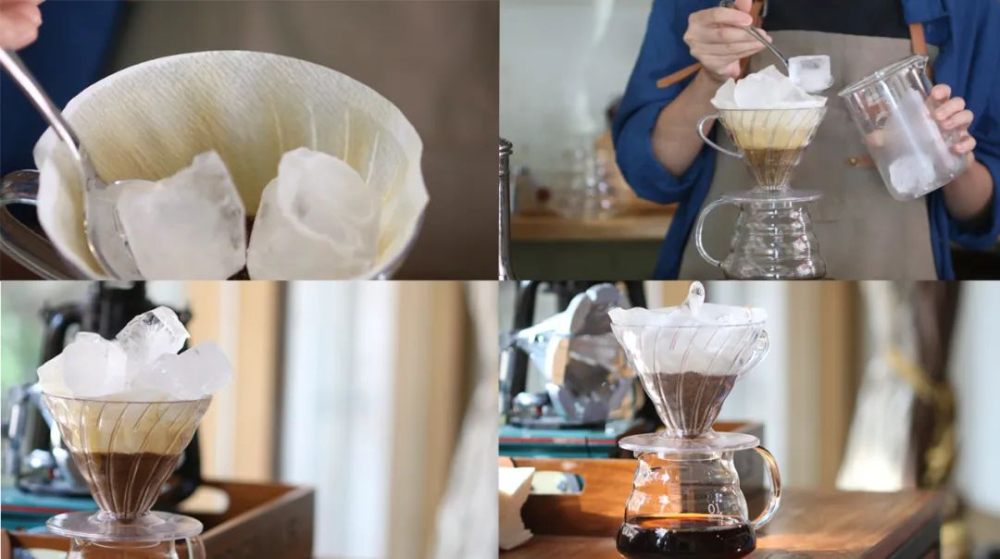
Now set the cup aside and wait at room temperature for the ice to slowly melt and percolate through the coffee.
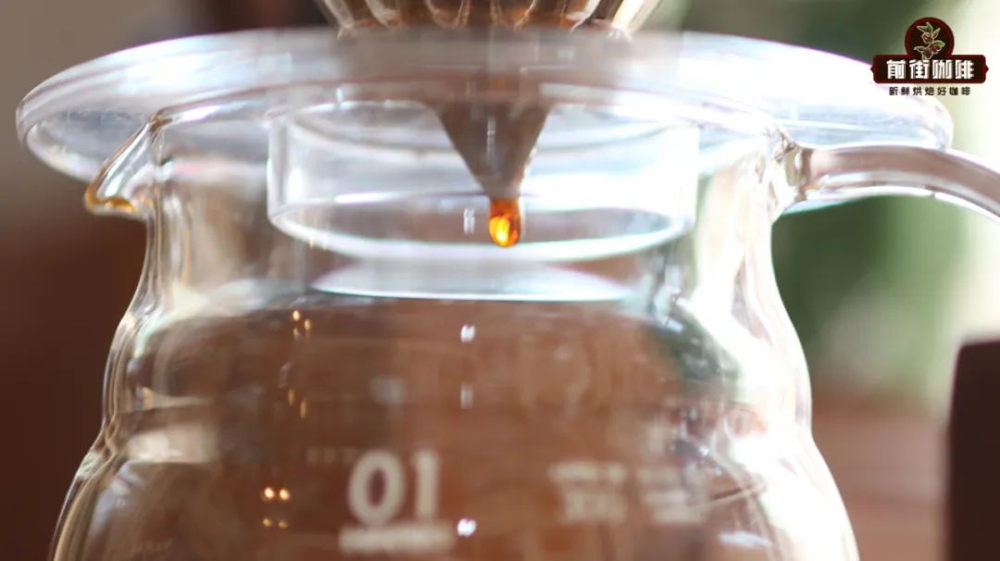
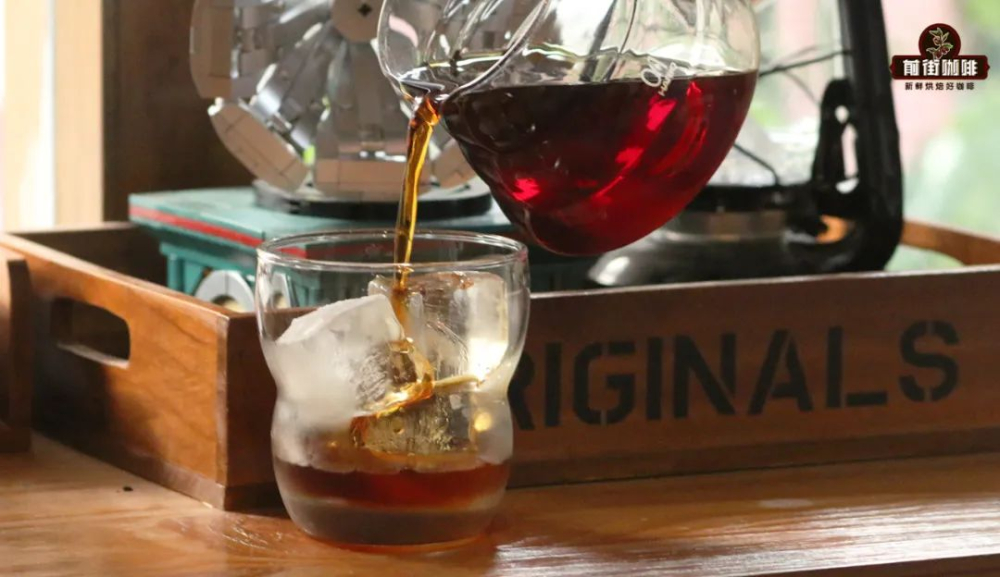
Complete melting takes roughly 5 hours. Once all the ice has dissolved, remove the filter cup. The extracted coffee can be drunk straight away. To serve, add 1-2 large ice cubes to keep the coffee properly chilled, or pop it in the refrigerator for a while before drinking.
Conclusion
Admittedly, this ice extraction method involves plenty of variables you can't fully control - the melting speed of the ice, the path the meltwater takes through the bed - yet in practice the fault tolerance is very high. For everyday drinking, coffee made this way tastes genuinely good.
Besides, the whole method prizes simplicity and convenience. Essentially anyone who can make pour-over coffee at home can make iced coffee this way, and the process itself is great fun. Give it a try.
FrontStreet Coffee Recommendation: Beans Built for Cold Extraction
Cold and ice extraction amplifies floral and fruity notes while muting woody, roasty flavors, so light-to-medium roasts shine brightest here. FrontStreet Coffee's Natural Ethiopia Huakui - grown in Ethiopia, the birthplace of coffee - absorbs abundant sweetness from its fruit during natural drying, yielding magnolia, creamy strawberry, dried mango, guava, and black tea notes in cold brew. For a fuller, juicier cup, try the Kenya Cherry Tomato: its cherry tomato, snow pear, black plum, and dried dark plum acidity is vivid at low extraction temperatures, with low bitterness. And for a value-driven option, FrontStreet Coffee's washed Ethiopia Yirgacheffe Guodingding delivers sweet berries, layered depth, and honeyed notes - a household staple that suits cold brew beautifully.
Important Notice :
FrontStreet Coffee is a long-established specialty coffee roaster in Guangzhou China, selling freshly roasted beans from its own farm in Yunnan as well as dozens of carefully selected single-origin beans from around the world for both pour-over and espresso. The products deliver consistently excellent quality and great value, with shipping within 24 hours. Guangzhou's FrontStreet Coffee shop is recommended by many coffee lovers, and the beans are now available online at the Tmall 。
FrontStreet Coffee has moved to a new address:
FrontStreet Coffee Address: 315,Donghua East Road,GuangZhou
Tel:020 38364473
 Scan and follow the En Gafei WeChat official account. Please indicate that the reprint comes from "En Gafei".