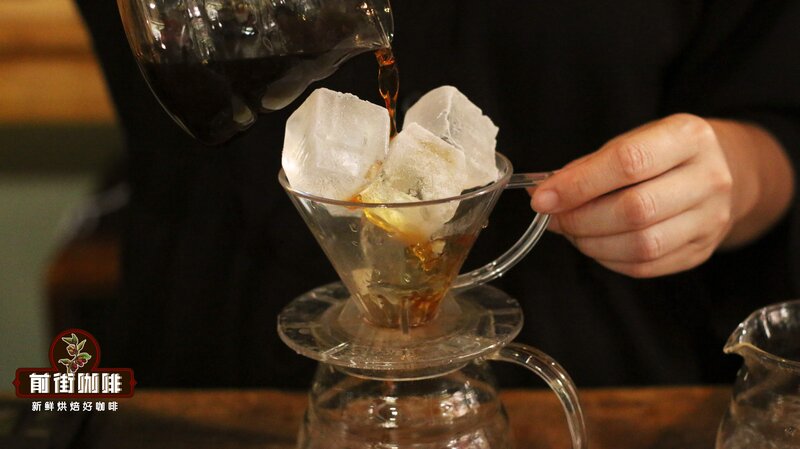
Taste Differences Between Pour-Over Coffee and Fresh-Brewed Coffee: Which is Better, Pour-Over or Coffee Machine?
Introduction to Black Coffee
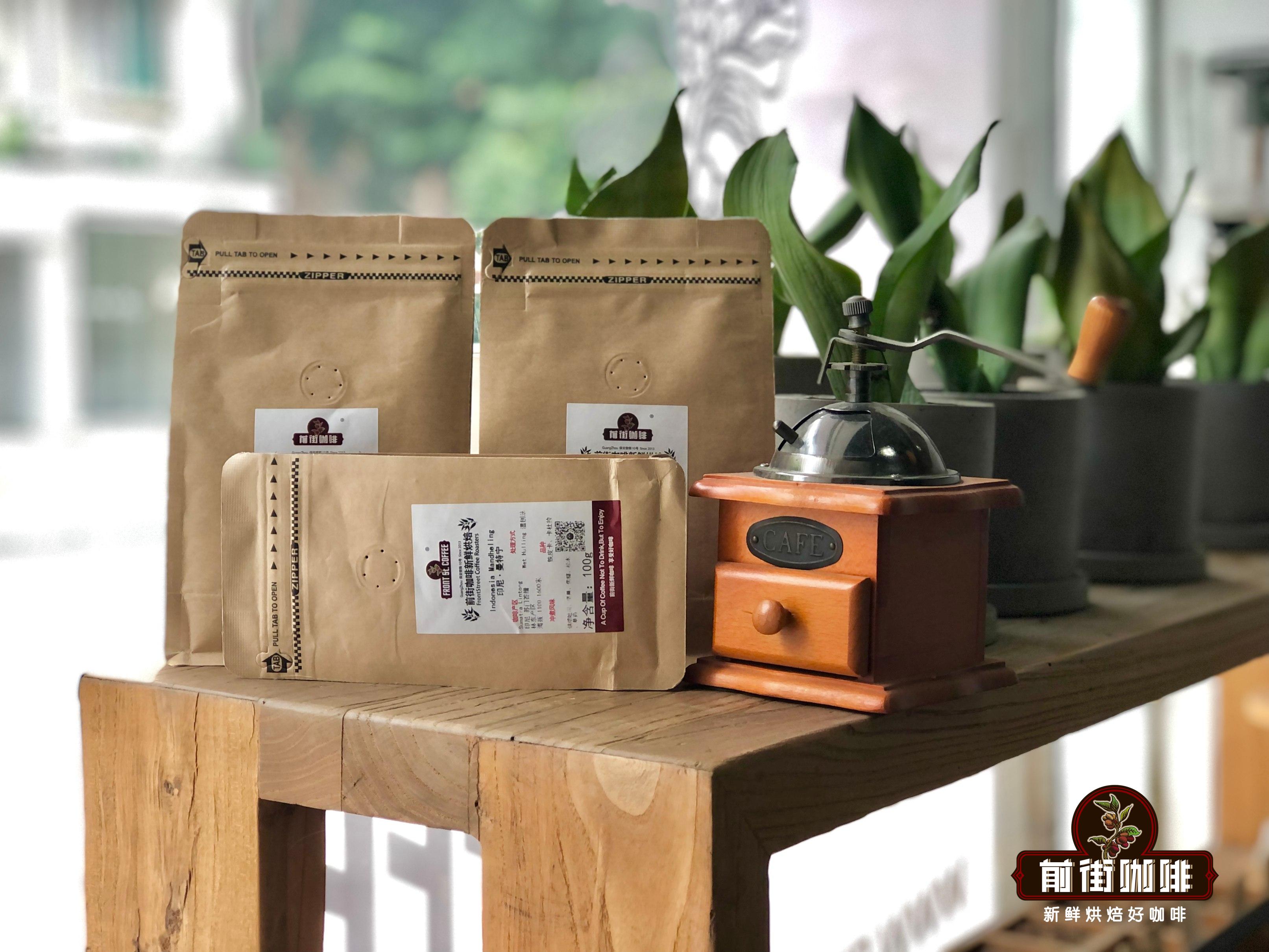
In the past, when black coffee was mentioned, many people's first reaction was Blue Mountain coffee or American coffee. However, when black coffee is brought up in front of the millennial generation, what first comes to mind might be drip-style coffee that resembles a chemistry experiment, such as pour-over coffee and coffee from American drip coffee machines.
Pour-Over vs. Machine Coffee
Is pour-over coffee really better tasting than machine coffee? Addressing this question, FrontStreet Coffee conducted a special experiment and found that the water injection method, temperature, and other aspects of coffee machines are all factory-set, so there are many uncontrollable factors. The flavor and mouthfeel are different from pour-over coffee, which can be customized.
Fundamentals of Pour-Over Coffee
The basic knowledge of pour-over coffee requires mastering pour-over coffee temperature and the standard for coffee grind coarseness. Speaking of pour-over coffee being like a chemistry experiment, FrontStreet Coffee believes this description isn't entirely wrong. Those who have been exposed to pour-over coffee for some time know that pour-over coffee places great emphasis on factors such as water temperature, grind coarseness, and time. If one is even more particular, even the number of water injection stages and the water flow rate are very important. Looking at it this way, pour-over coffee is truly like a hybrid of chemical and physical experiments.
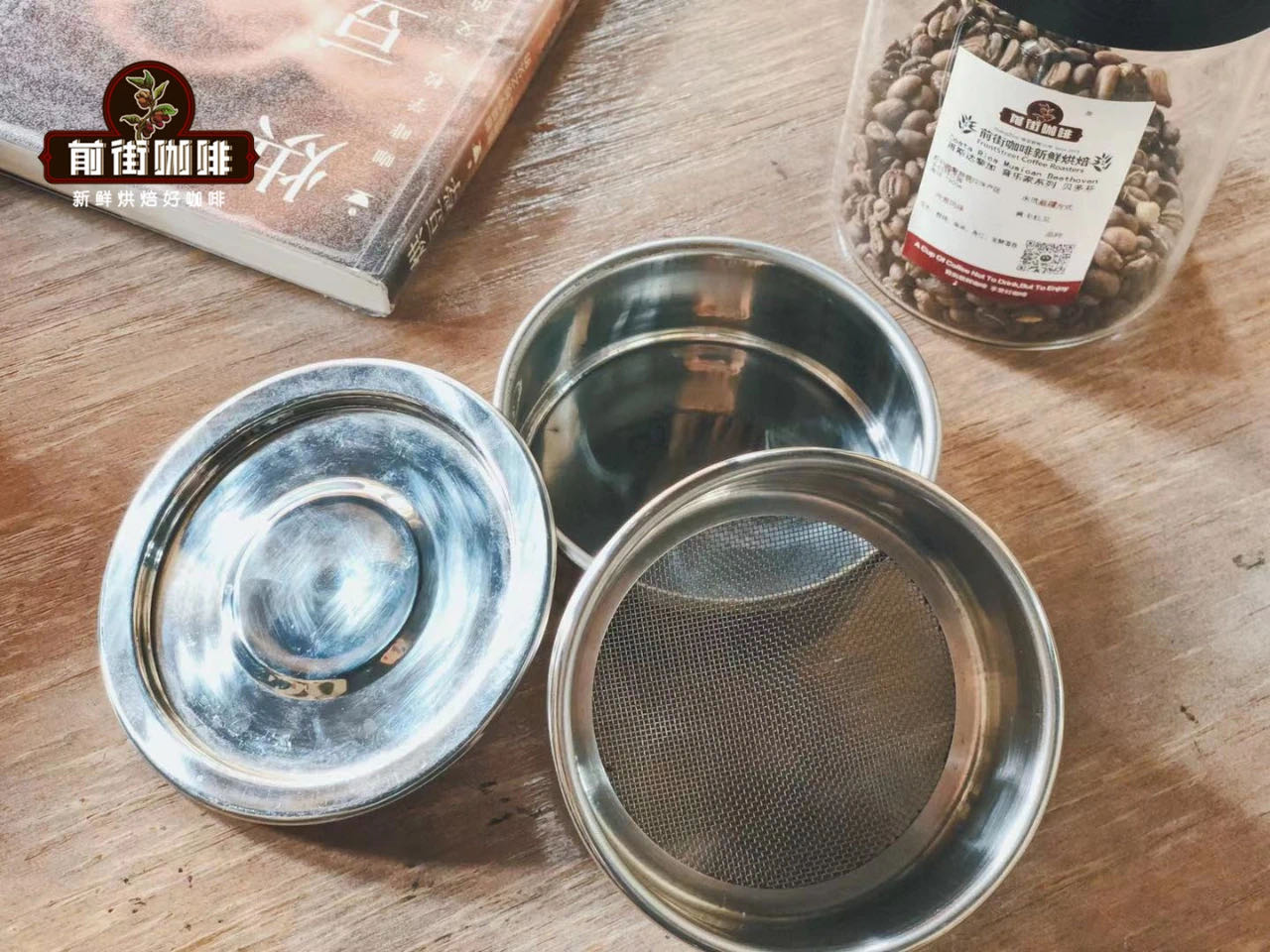
The factors mentioned above also correspond to different combinations depending on the type of beans. The simplest example: lightly roasted coffee beans, due to the slow dissolution rate of coffee substances, require higher water temperatures (93°C) and finer grinds (80% pass-through rate on China standard #20 sieve). However, to avoid over-extraction and bitter flavors caused by excessively high water temperatures, a faster-flowing dripper is used (FrontStreet Coffee commonly uses Hario V60).
When the coffee beans are medium to dark roasted, due to the faster dissolution rate of substances in the beans, lower water temperatures (88°C) and coarser grinds (70% pass-through rate on China standard #20 sieve) are used. However, to obtain coffee with a richer, smoother mouthfeel and avoid under-extraction due to low water temperatures, a slower-flowing dripper is used (FrontStreet Coffee recommends the KONO dripper).
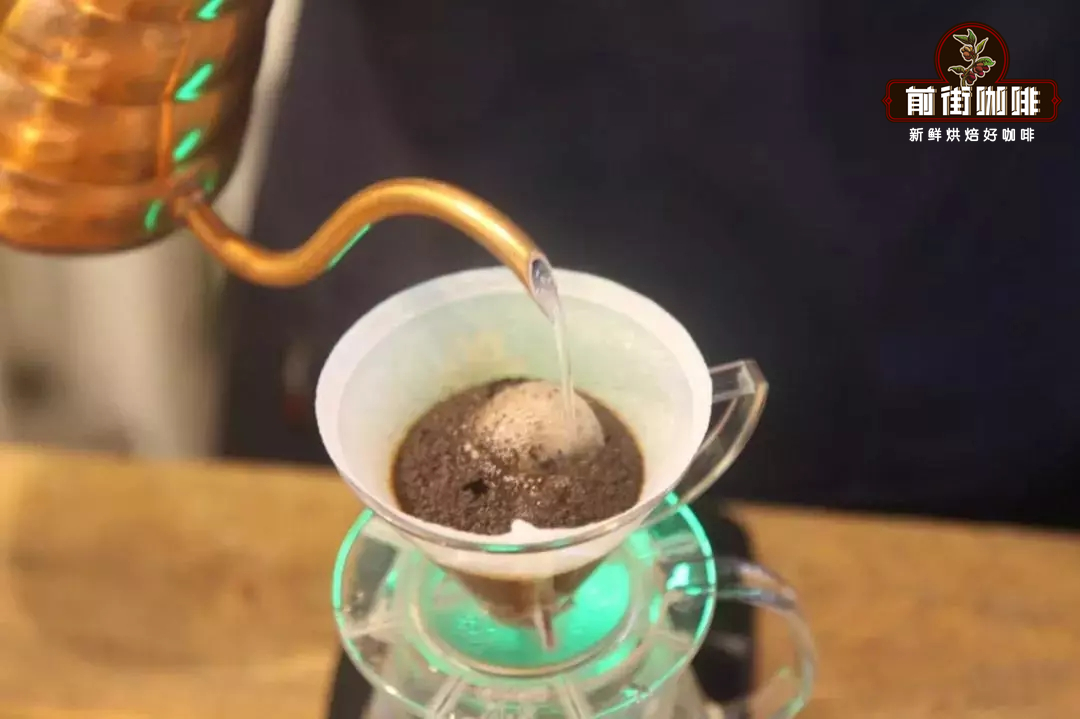
In terms of water injection methods, FrontStreet Coffee's previous articles have mentioned the one-pour method, the three-stage method, the four-six method, the Rao-style stirring method, and so on. Those who frequently read FrontStreet Coffee's other articles and have visited FrontStreet Coffee's stores know that FrontStreet Coffee's baristas have always used the three-stage water injection method to extract coffee grounds.
Compared to the one-pour method, the three-stage extraction method produces a heavier mouthfeel and clearer, richer flavors. Overall, the flavors are more complete than those from the one-pour method.
Coffee Bean Recommendations
After all this discussion, friends in front of the screen might be getting eager to try it themselves. But hold on - let FrontStreet Coffee give you some pour-over coffee bean recommendations so you can practice while finding your favorite regional flavors.
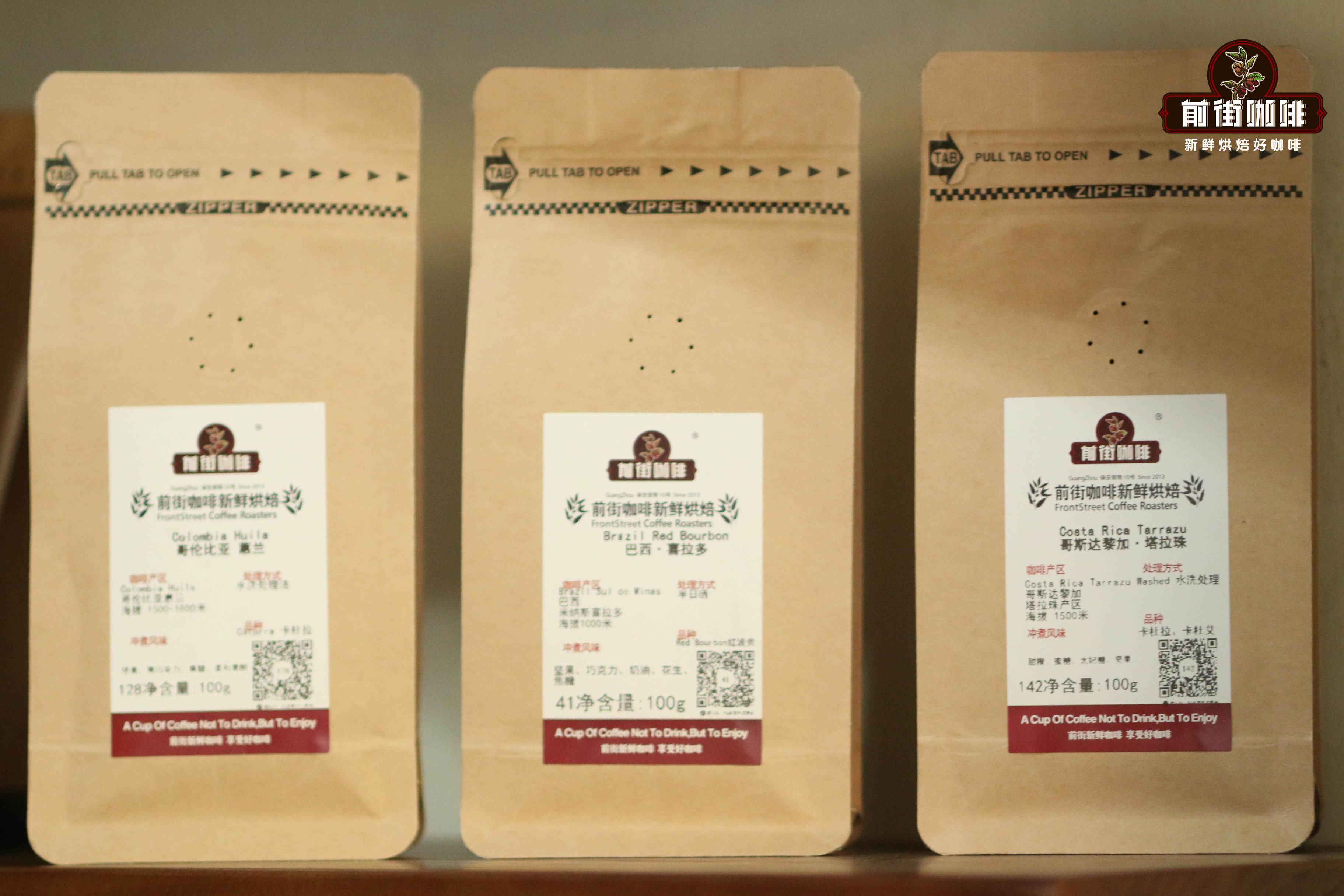
Those who follow FrontStreet Coffee's bean list know that FrontStreet Coffee has launched a daily bean series. This series includes many classic coffee regions. At the same time, to let everyone taste the most basic regional flavors, these daily beans are mostly processed using the washed method. Of course, there are some special cases like Brazil's pulped natural and Indonesia's wet-hulled method, which are determined by the local traditional coffee processing methods. Next, FrontStreet Coffee will select 5 varieties for your reference.
Ethiopia
Ethiopia is recognized worldwide as the origin of coffee, which means there are numerous coffee bean varieties in Ethiopia's domestic production areas. However, possibly out of a desire to protect the genetic confidentiality of local coffee varieties, exported Ethiopian coffee beans are often labeled as local native varieties. But this doesn't hinder people's love for Ethiopian coffee.
Among Ethiopian coffees, sun-dried Sidamo and washed Yirgacheffe are the most well-known to coffee beginners. FrontStreet Coffee understands that many friends who are new to single-origin pour-over coffee have tasted beans from these two regions before visiting FrontStreet Coffee's stores. And how could FrontStreet Coffee's daily beans pass up Ethiopia, the origin of coffee? FrontStreet Coffee chose washed Yirgacheffe as the representative of African beans. Washed Yirgacheffe features rich white floral aromas, lemon-like acidity, and a clean, refreshing mouthfeel.
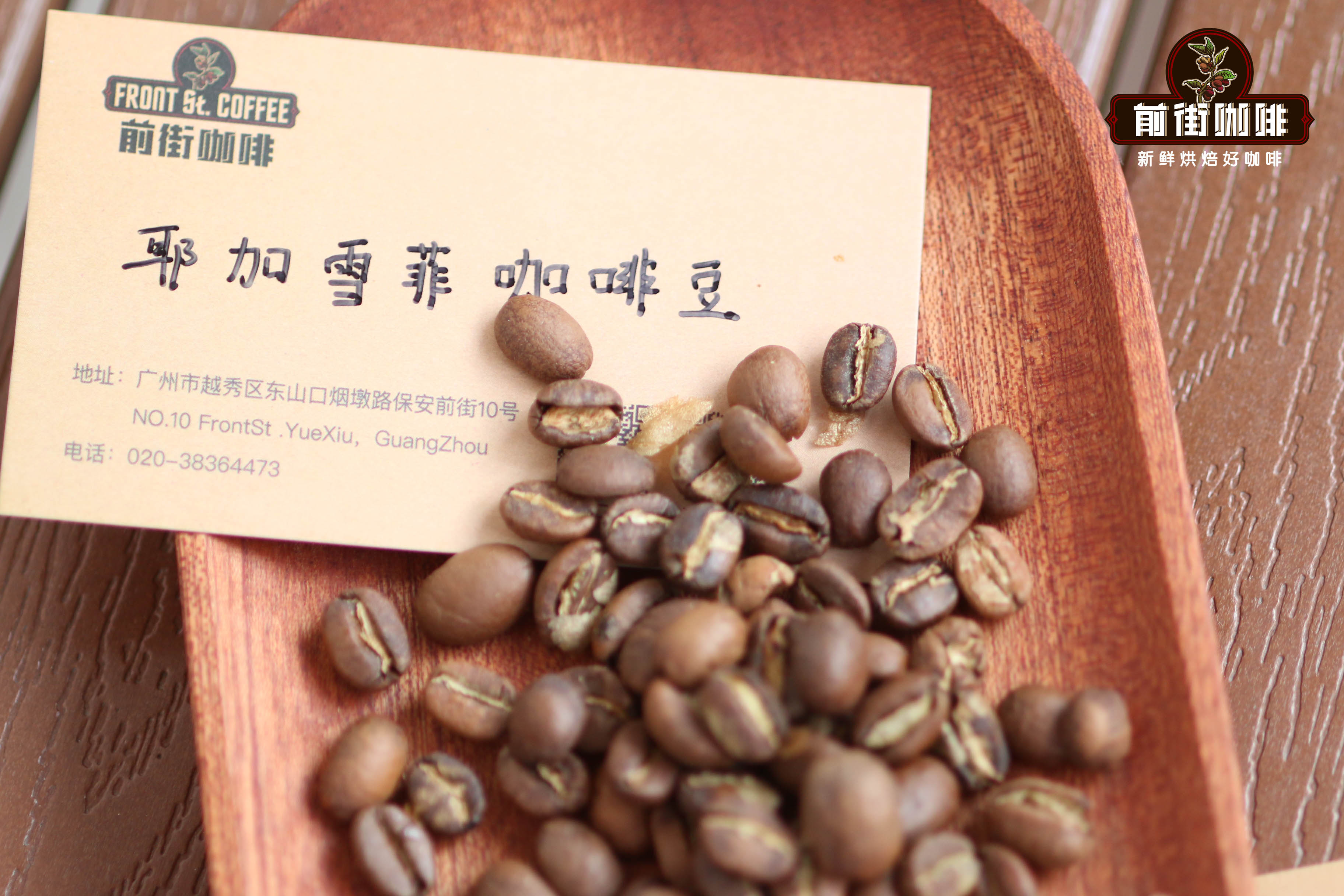
FrontStreet Coffee Washed Yirgacheffe
Region: Ethiopia Yirgacheffe Region
Altitude: 1800-2000 meters
Variety: Local native varieties
Processing: Washed method
Brewing flavors: Jasmine, berries, lemon, citrus
Indonesia
Indonesia's Sumatra region is rich in coffee beans. Due to frequent local rainfall and limited sunshine time, coffee beans are mostly processed using water. However, due to limited local economic conditions and insufficient funds for complete washing processes, a distinctive semi-washed processing method emerged: the wet-hulled method.
The special feature of the wet-hulled method is that before the second drying stage, the parchment layer covering the green coffee beans is removed, exposing the green coffee beans directly to air for drying. Coffee processed through the wet-hulled method has intense flavors, even with spicy and herbal plant aromas, and the mouthfeel becomes distinctly viscous and smooth.
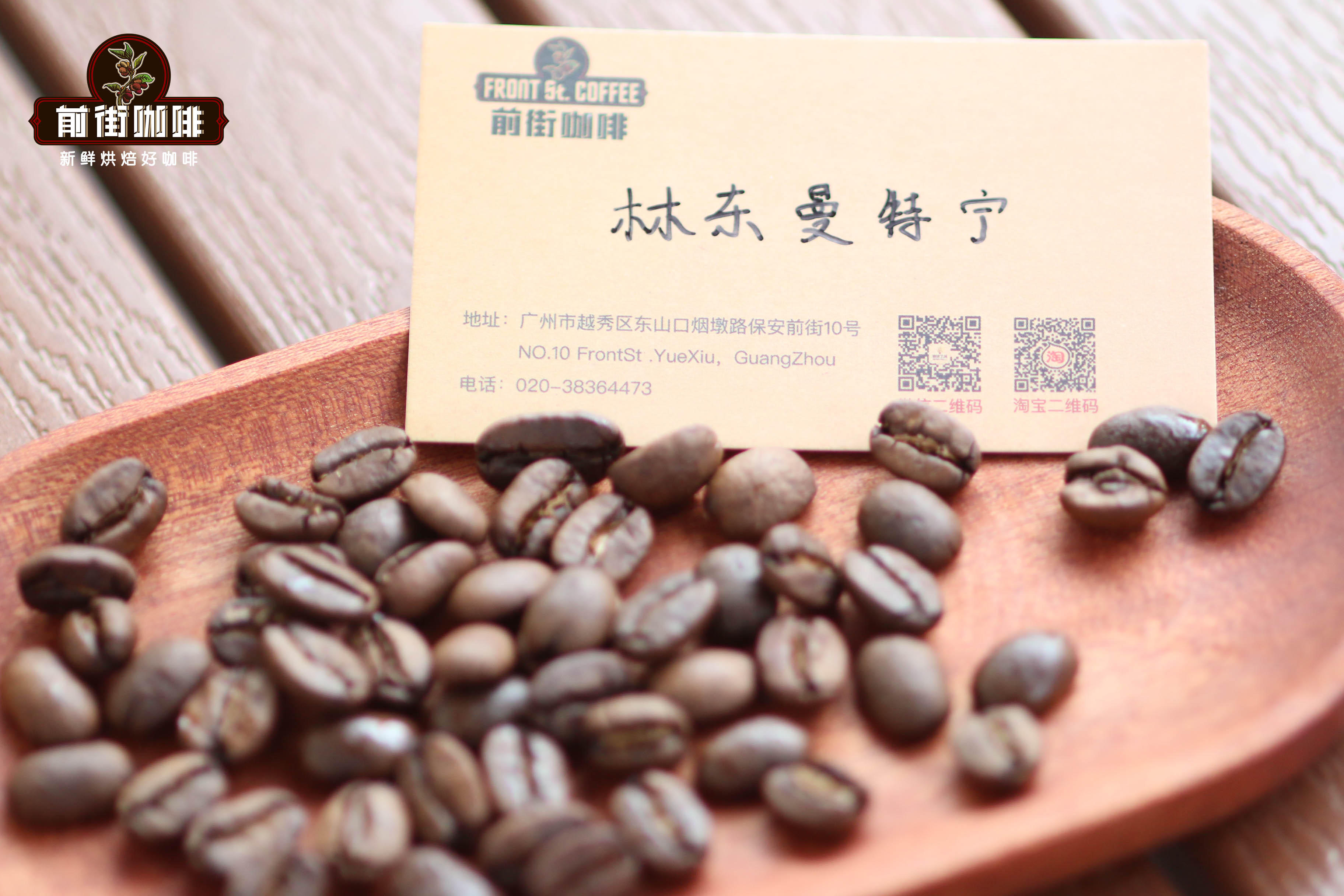
FrontStreet Coffee Indonesian Mandheling
Region: Indonesia Sumatra Lintong Region
Altitude: 1100-1600 meters
Varieties: Tim Tim, Ateng
Processing: Wet-hulled method
Brewing flavors: Toasted bread, nuts, caramel, pine, herbs
Brazil
When FrontStreet Coffee learns that friends don't like the acidity of African beans or the bitterness of Mandheling, FrontStreet Coffee's baristas will bring out Brazilian coffee beans. Brazil's coffee varieties in the late 19th century were Bourbon varieties, which have more prominent sweetness. Additionally, Brazil's coffee cultivation mostly uses sun-grown planting, where coffee cherries mature rapidly in a short time, resulting in Brazilian coffee having weak acidity, a smooth mouthfeel, and overall balance.
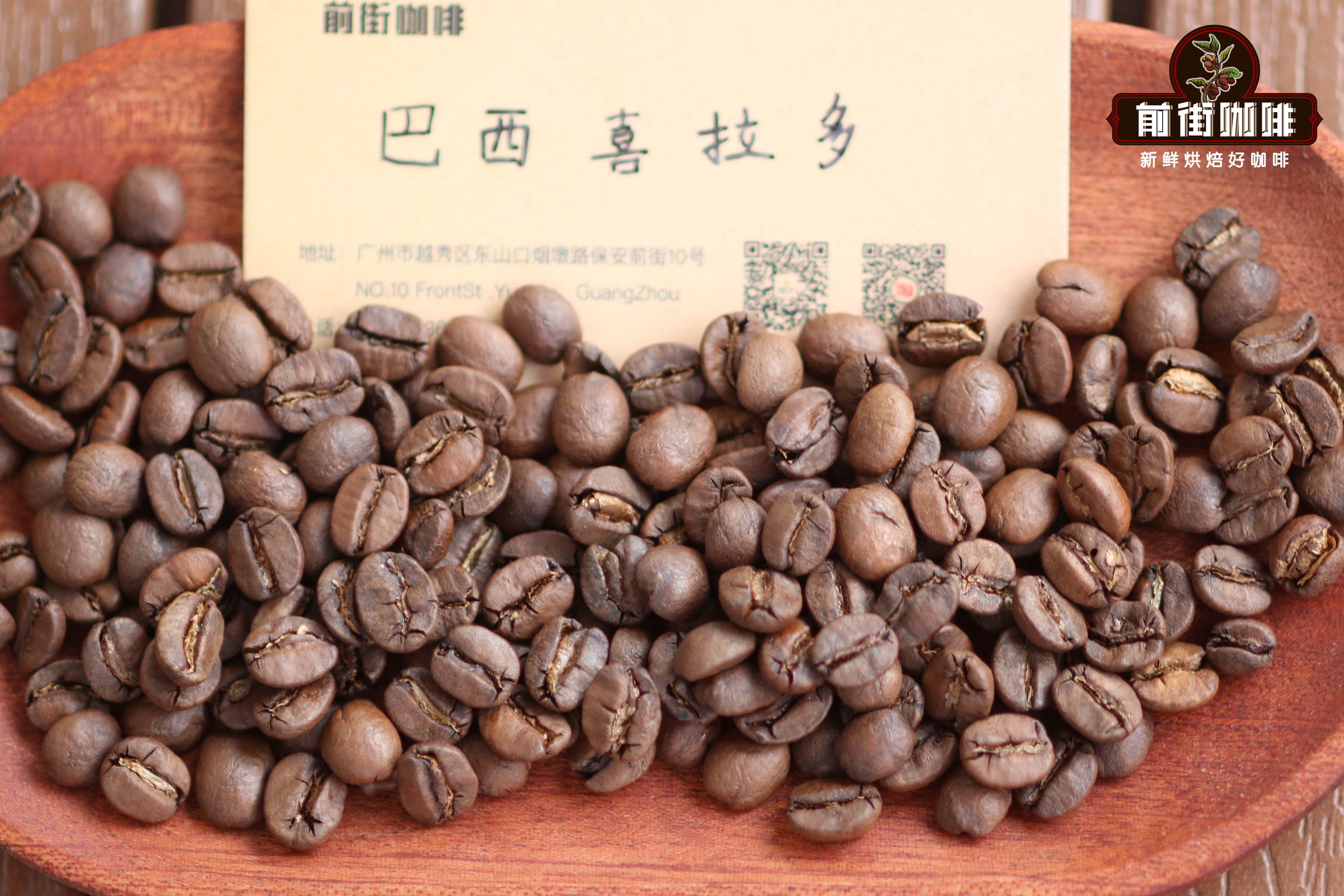
FrontStreet Coffee Brazilian Red Bourbon
Region: Brazil Minas Gerais Cerrado Region
Altitude: 1000 meters
Variety: Red Bourbon
Processing: Pulped natural
Brewing flavors: Peanuts, cream, nuts, chocolate, caramel
China
In recent years, China's coffee industry has received increasing attention, with China's Yunnan province, suitable for growing Arabica coffee varieties, gaining significant recognition. Yunnan small-bean coffee was originally of the Typica variety, but due to the entry of some international coffee brands that promoted Catimor varieties mixed with Robusta genes for yield rather than flavor, this changed. With improvements in cultivation management and green bean processing techniques in recent years, Yunnan coffee's flavor has seen a qualitative leap.
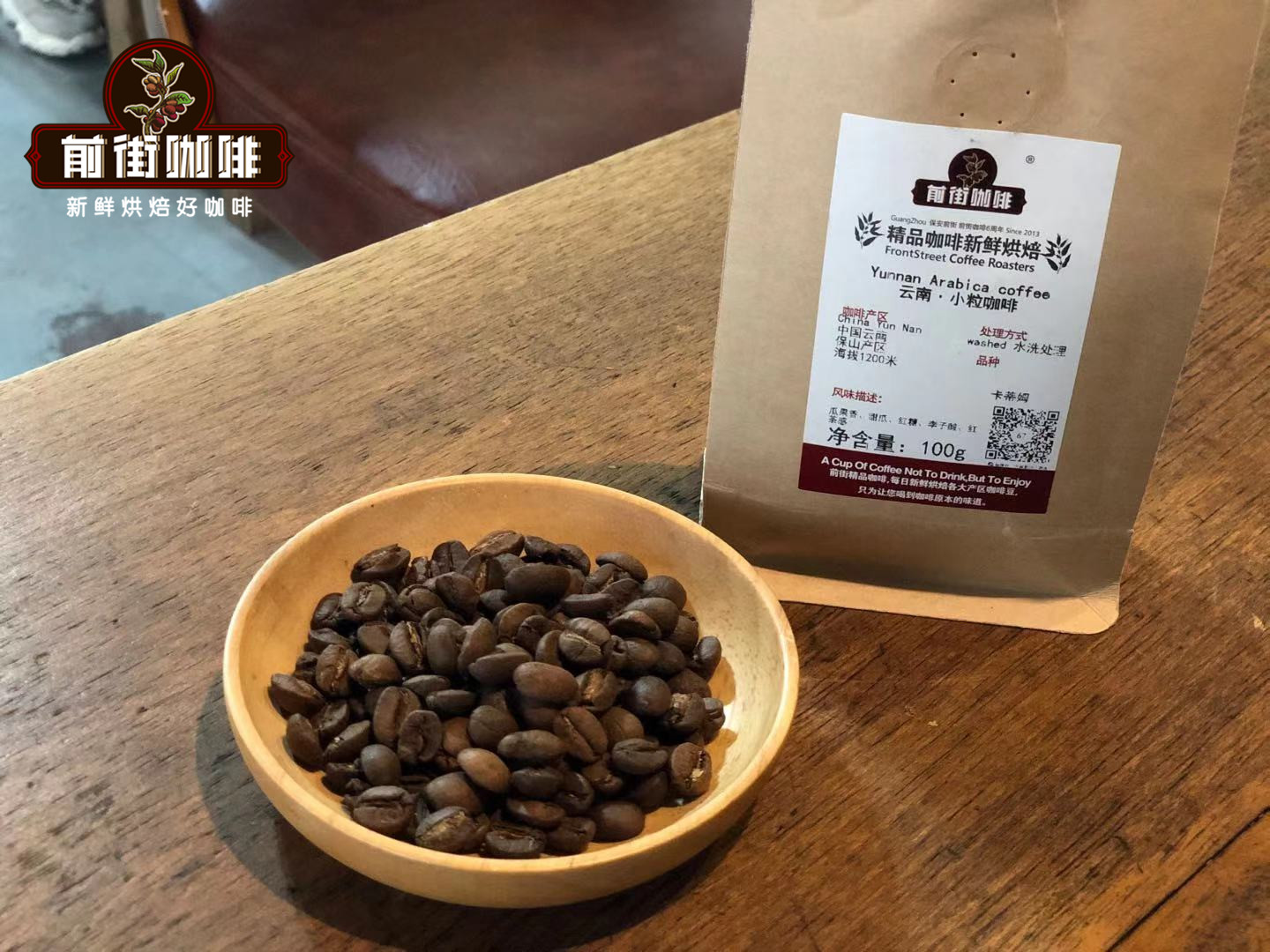
FrontStreet Coffee Yunnan Small Bean Coffee
Region: China Yunnan Baoshan Region
Altitude: 1200 meters
Variety: Catimor
Processing: Washed method
Brewing flavors: Melon fruit aroma, sweet melon, brown sugar, plum, black tea sensation
Guatemala
Guatemala coffee might give some friends the impression of being "uncle-like" because Guatemala coffee often carries a hint of smokiness. In FrontStreet Coffee's daily bean series, the Huehuetenango region was chosen to represent Guatemala. This region is surrounded by three volcanoes, providing endless mineral resources to the soil here. Combined with the high cultivation altitude and large temperature differences between day and night, the coffee from this region has rich fruit flavors.
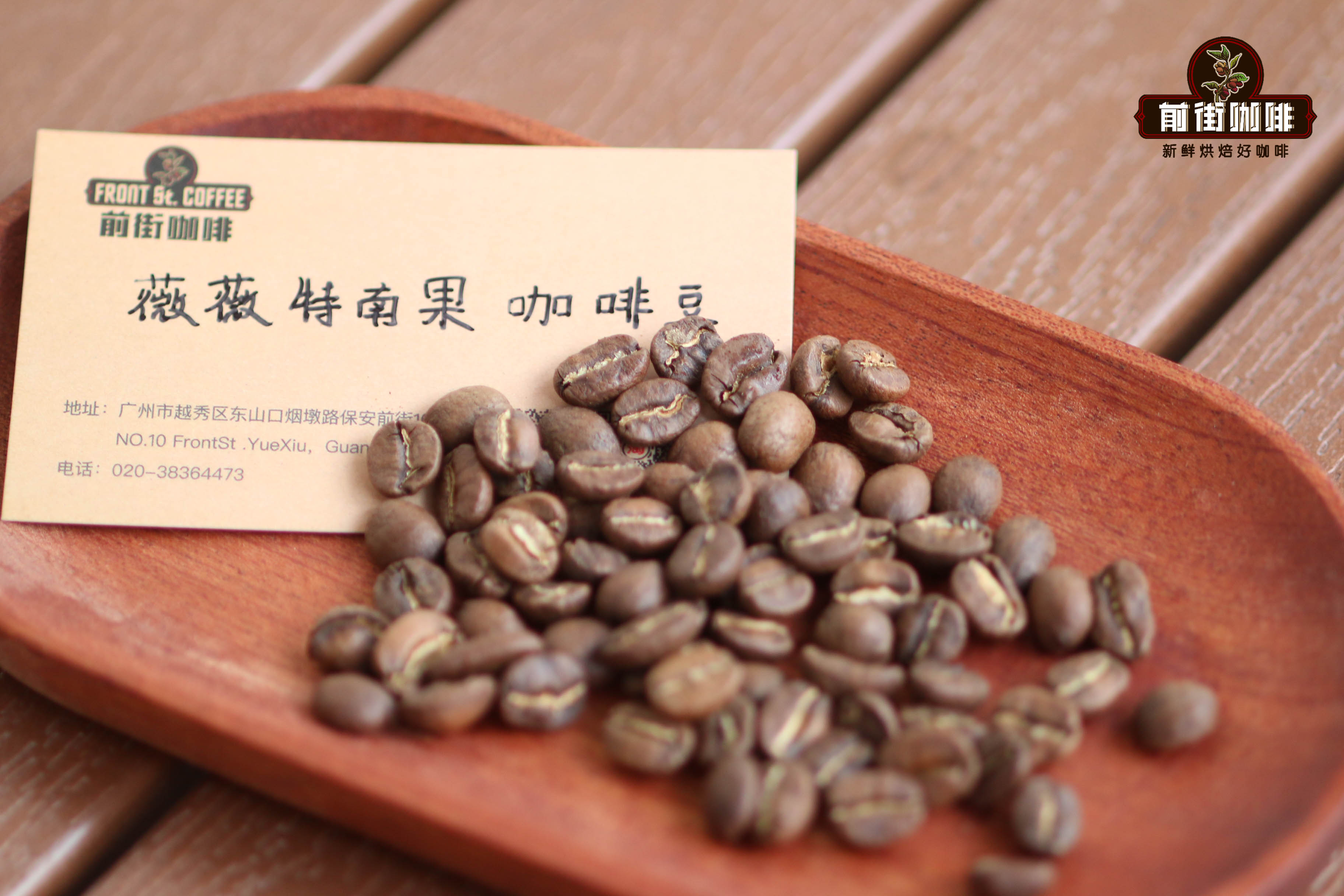
FrontStreet Coffee Guatemala Huehuetenango
Region: Guatemala Huehuetenango Region
Altitude: 1500-2000 meters
Varieties: Bourbon, Caturra, Catuai
Processing: Washed method
Brewing flavors: Nuts, lemon peel, berries, citrus
FrontStreet Coffee Recommendation
This guide's focus on pour-over fundamentals pairs naturally with a bean that rewards careful brewing, and FrontStreet Coffee's Jamaica Blue Mountain No.1 is exactly that kind of coffee. Sourced from the historic Clifton Mount estate and certified by the Jamaican government, it is balanced enough to shine whether you brew it pour-over, in a moka pot, or as espresso. Brewed with a 1:15 ratio and a medium-coarse grind, it layers cream, caramel, nuts, and soft sweetness with a clean, lingering finish.
Important Notice :
FrontStreet Coffee is a long-established specialty coffee roaster in Guangzhou China, selling freshly roasted beans from its own farm in Yunnan as well as dozens of carefully selected single-origin beans from around the world for both pour-over and espresso. The products deliver consistently excellent quality and great value, with shipping within 24 hours. Guangzhou's FrontStreet Coffee shop is recommended by many coffee lovers, and the beans are now available online at the Tmall 。
FrontStreet Coffee has moved to a new address:
FrontStreet Coffee Address: 315,Donghua East Road,GuangZhou
Tel:020 38364473
 Scan and follow the En Gafei WeChat official account. Please indicate that the reprint comes from "En Gafei".