Which Tastes Better: Espresso or Mandheling Coffee? Flavor and Mouthfeel Differences Between Blended Coffee Beans
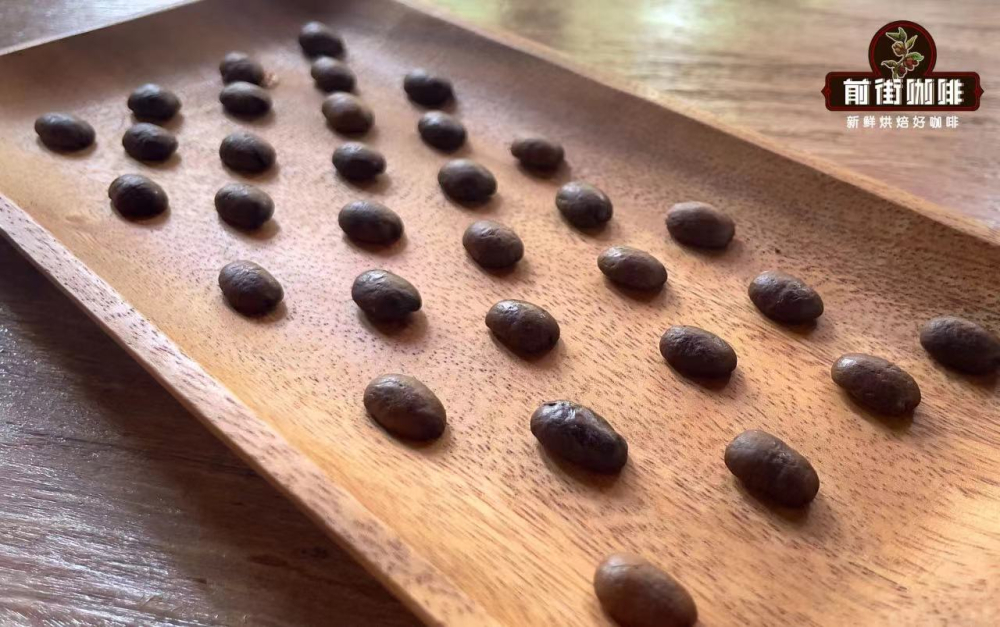
Espresso coffee has long been famous for its rich, smooth taste. Among the nearly one hundred single-origin beans on FrontStreet Coffee's menu, Indonesian Mandheling shares that quality of thickness and smoothness. Yet Mandheling also carries its own Indonesian herbal and spice character. So which one tastes better, Mandheling or espresso? FrontStreet Coffee answers the question in this article.
What is Espresso Coffee?
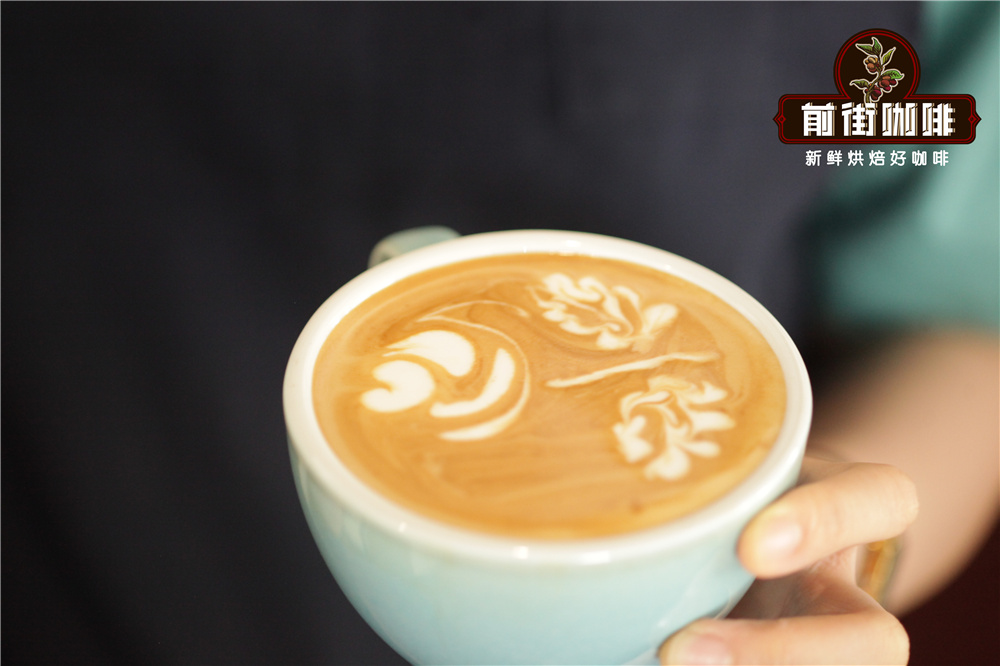
First we need to be clear about what espresso coffee is. Literally, it means Italian coffee, and it must be extracted on an espresso machine. What comes out, though, is espresso concentrate. You can drink it straight, but the flavor is too intense for most people to accept, so milk is usually added to make the espresso drinks common on the market today. At FrontStreet Coffee these include mocha, cappuccino, and latte, all of which are espresso coffee.
What is Espresso Concentrate?
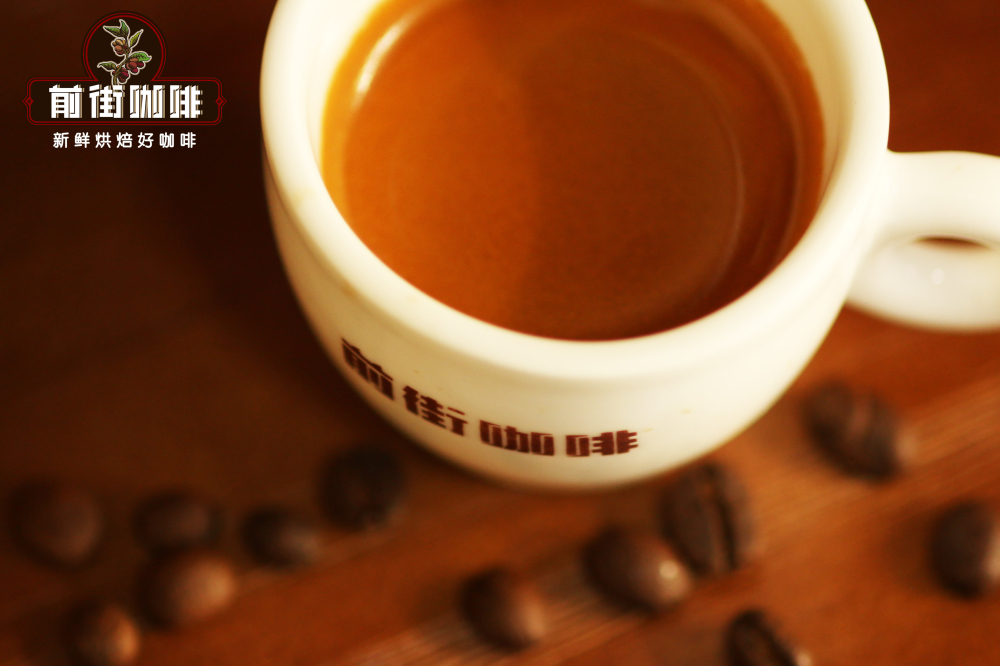
Put in numbers, espresso concentrate is extracted at a water-to-coffee ratio of roughly 1:2 to 1:3. For example, 20 g of very finely ground coffee is extracted by water at 90.5-96°C under about 9 bar of pressure for 20-30 seconds to yield 40 g of coffee, a double shot. That 40 g of liquid is what we call espresso. It hits the palate with strong bitterness, but a careful taste reveals the coffee's distinctive aroma and a powerful sweet aftertaste. That oily richness is something single-origin coffee cannot produce on its own.
Fancy drinks such as latte, cappuccino, mocha, and caramel macchiato are all built from espresso concentrate by varying the proportion of milk and milk foam, then enhanced further with flavored syrups like caramel, chocolate sauce, and vanilla.
What is Mandheling Coffee?
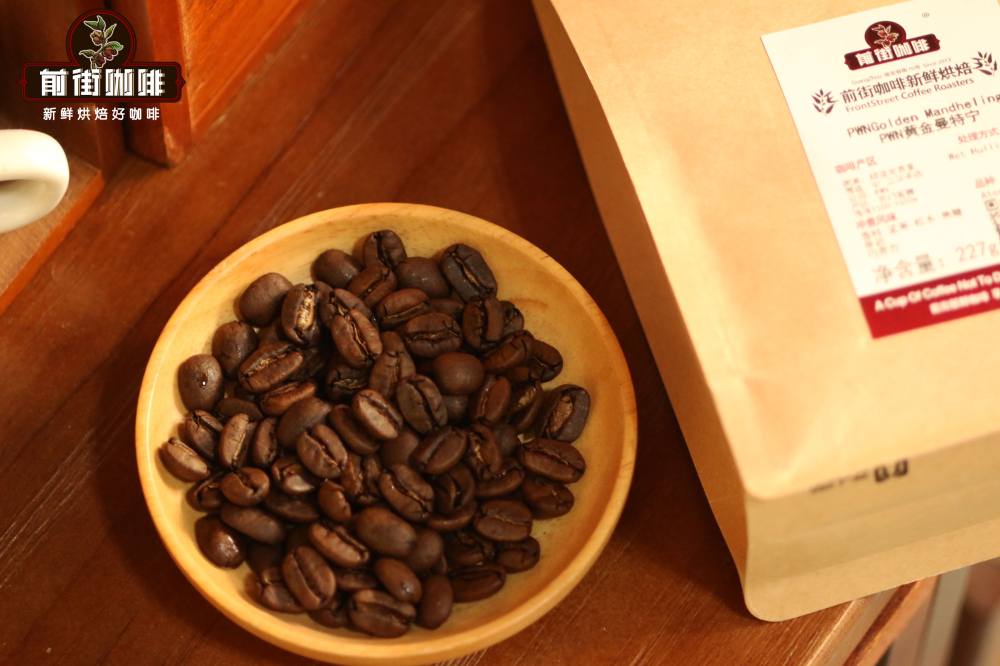
So what is Indonesian Mandheling? Mandheling refers to single-origin coffee, meaning beans from a single producing region. Its character is rich, fragrant, bitter, and thick, with a slight sweetness. The taste is full and solid with a pleasant acidity, the aroma mellow, and the moderate acidity paired with a rich sweetness is very intriguing. It suits dark roasting, which releases a strong aroma. Mandheling's defining trait has always been that it expresses its most distinctive sweetness through its most distinctive bitterness.
What are Single-Origin Coffee Beans?
There are two traditional readings of single-origin coffee. The most widespread is single variety or single producing region, a concept that helps growers by distinguishing regional flavors at the source. So the common understanding today is coffee made only from beans of one country or producing region, brewed in different devices with an appropriate grind, water-to-coffee ratio, water temperature, and extraction time. Tasting single-origin coffee is like tasting red wine: each has its own charm, whether bitterness, acidity, sweetness, thickness, or the special flavors of a particular place.
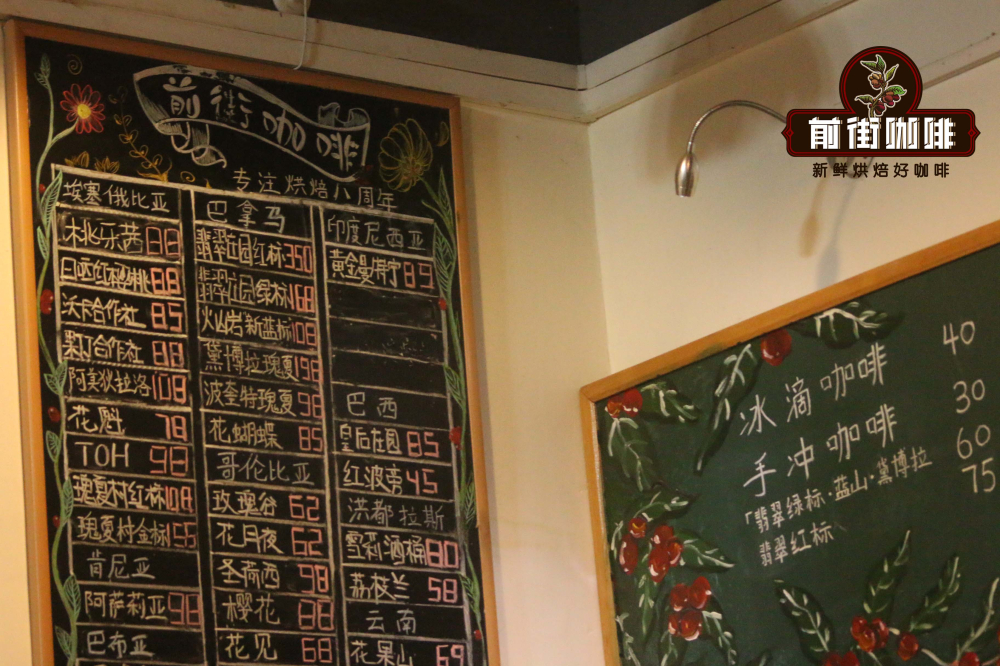
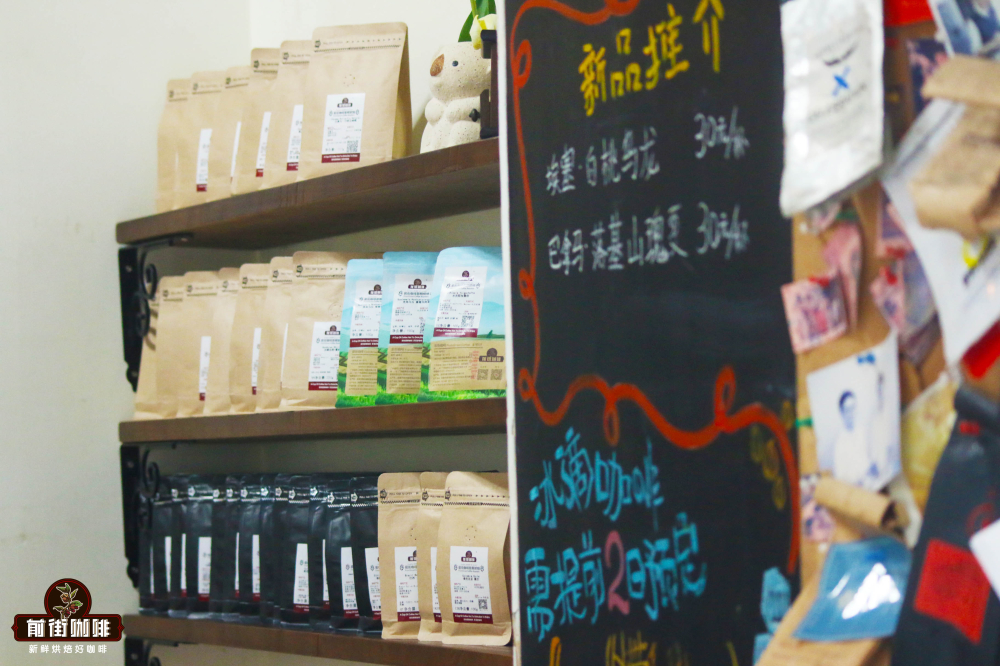
FrontStreet Coffee's menu offers nearly one hundred single-origin beans, and the small blackboard in the shop has room for only a portion of them. Their origins span the entire coffee golden growing belt, and the varieties are just as varied. For some classic regions, FrontStreet has launched a daily bean series so newcomers to specialty coffee can explore regional terroir.
Mandheling is grown in Sumatra. As FrontStreet Coffee puts it, Mandheling is a single-origin coffee from Indonesia. So what beans go into espresso coffee?
What Coffee Beans are Used for Espresso?
Anyone who drinks espresso regularly knows that most coffee shops rely mainly on espresso blend beans. Can single-origin beans be used? Yes. Espresso made from a single-origin bean is defined as Single Origin Espresso, commonly known as SOE.
But why can't a single-region, single-origin bean be used for espresso? Because an espresso machine tends to amplify whatever flavor dominates a bean. Ethiopian Yirgacheffe is mainly citrus and lemon acidity, so the machine magnifies that acidity. Indonesian Mandheling is mainly herbal and earthy with bitterness, so the machine magnifies the bitterness. That is why FrontStreet Coffee does not use single-variety beans for espresso: the result would be badly unbalanced and hurt the taste. It is also why espresso is mostly made from blended beans.
The most important purpose of blending is to keep flavors stable and the taste balanced. Coffee fruit is, after all, an agricultural product, and its flavor shifts from year to year with climate and environment; one year sweeter, the next less so. Mixing several beans together solves this well, at least keeping the flavor consistent from year to year.
What is the Essential Difference Between Espresso Concentrate and Single-Origin Coffee?
Comparing the three points above, FrontStreet Coffee concludes that espresso concentrate may or may not be single-origin; the distinction comes down to the beans used.
Single-origin coffee can indeed be used to make espresso concentrate. The difference between espresso concentrate and single-origin coffee rests on whether the liquid is extracted on an espresso machine or produced by other brewing methods. Brew Mandheling in a siphon or as pour-over and it is not espresso concentrate; brew Mandheling on a fully automatic or semi-automatic machine and it is.
So Mandheling and espresso cannot simply be ranked as to which tastes better. If you make concentrate from Mandheling beans, it will likely be more bitter than concentrate from an ordinary blend, because Mandheling itself has strong herbal flavors and high purity and thickness. Compare Mandheling as single-origin coffee against concentrate coffee, though, and the concentrate is definitely more bitter.
As the coffee market has developed, the choices for both espresso blends and Mandheling beans have diversified, so different choices produce different flavors. Below, FrontStreet Coffee recommends some popular espresso beans and single-origin Indonesian Mandheling beans from its current lineup.
Espresso Coffee Bean Recommendations
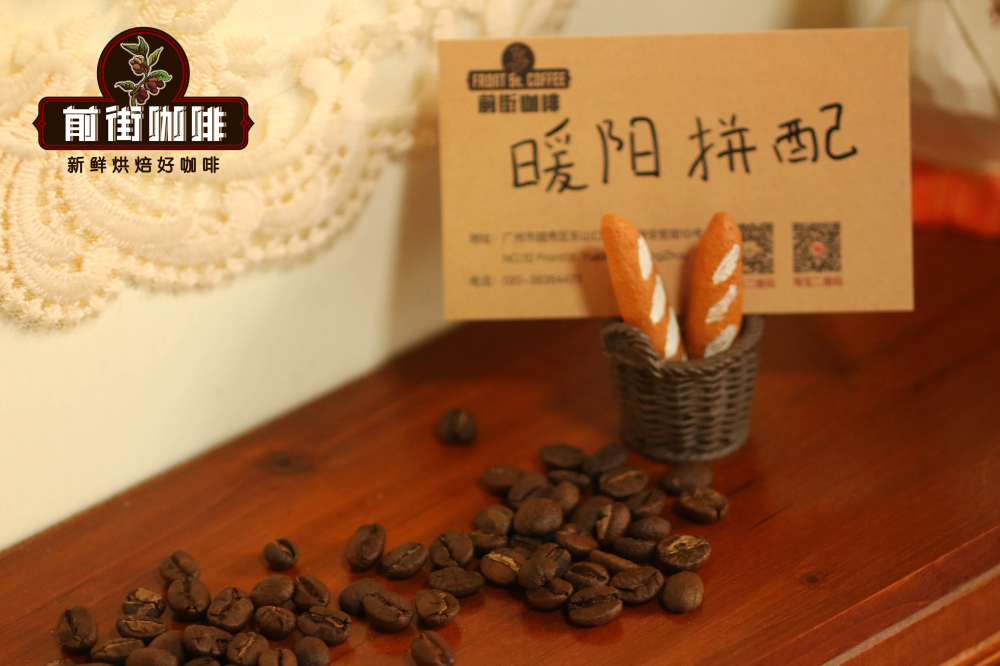
FrontStreet Coffee Sunflower Warm Sun Blend
Flavor: Obvious fruit acidity, light berry aroma, wine fragrance, rich chocolate flavor, obvious sweet aftertaste.
Formula: Honduras Sherry : Yirgacheffe Red Cherry = 7:3
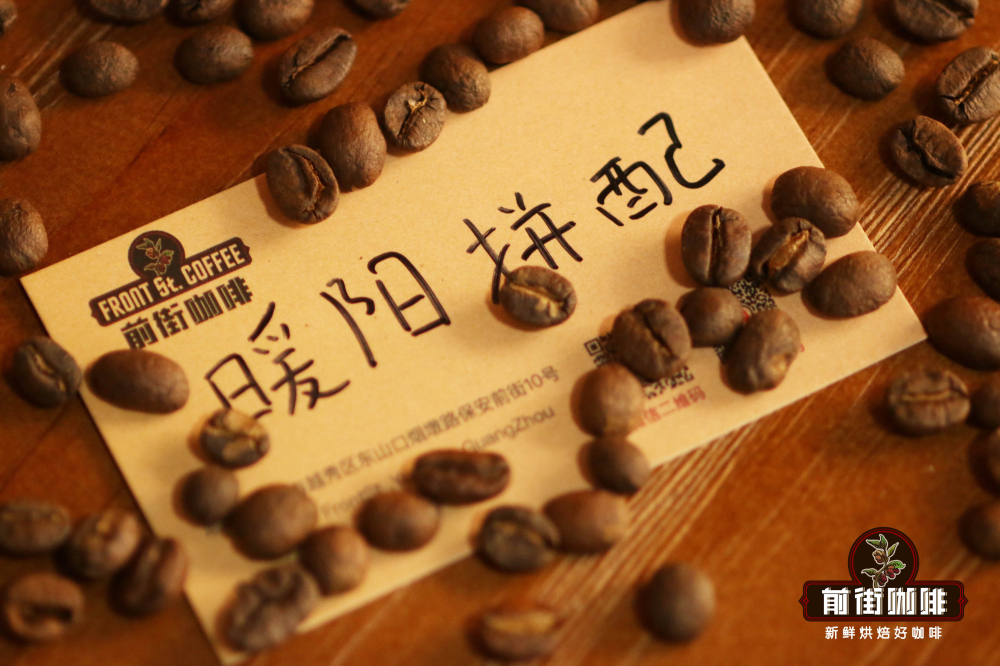
FrontStreet Coffee builds this blend from Yirgacheffe sun-dried Red Cherry and Honduras Sherry, with the idea that it should work both as espresso and as pour-over. Made as espresso, it releases a clear fermented wine aroma; the citrus and berry acidity arrives immediately, carried on a whiskey-like fragrance, with black chocolate in the aftertaste.
Brewed as pour-over, the flavors are less rich than the espresso version. There is a fermented wine aroma and a little citrus; tasted hot, only the wine fragrance and black chocolate aftertaste stand out, and the citrus and berry acidity emerges slightly as the cup cools. Overall it is clean and fresh, without the vanilla-cream texture.
FrontStreet Coffee Specialty Blend
Flavor: Soft and slightly acidic, lightly sweet, nutty aftertaste, overall feeling is not too stimulating, peaceful, oil is moderate.
Formula: Colombia : Brazil = 3:7
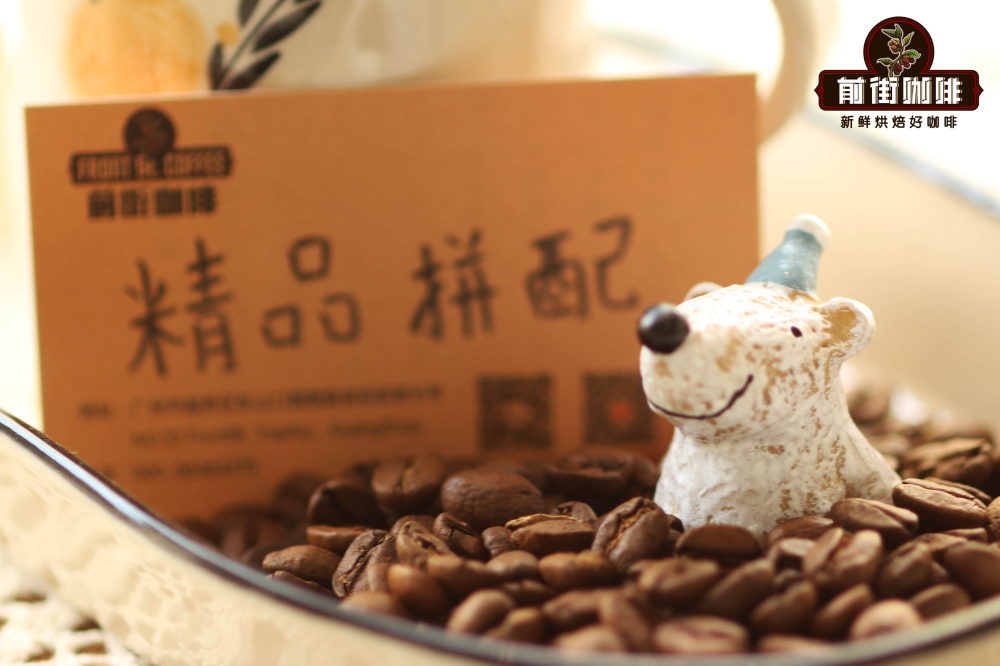
This one uses Brazil and Colombia. It tastes of light-roasted grass fragrance, fragrant and slightly bitter, sweet and smooth with a refreshing aftertaste. Colombian Huila beans bring a pleasant, mellow acidity with moderate bite and a rich, intriguing sweetness, while Brazilian Cerrado beans bring a comfortable bittersweet note and an extremely smooth entry. The combination is simply wonderful.
FrontStreet Coffee Commercial Blend
Flavor: Caramel sweetness, nut and cocoa, black chocolate flavors, balanced sweet and sour, slightly bitter, persistent aftertaste.
Formula: Colombia : Brazil : Robusta = 3:6:1
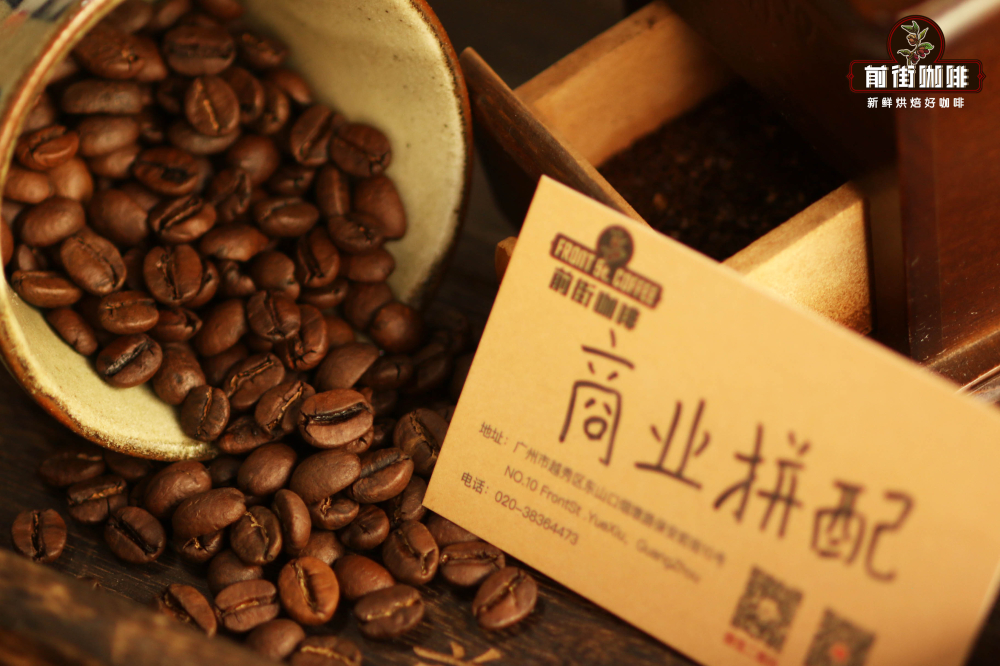
Here FrontStreet Coffee combines Brazilian and Colombian beans with 10% Robusta. The taste is classic: rich in oil and texture, with caramel sweetness, plus nut, cocoa, and black chocolate flavors, a balanced sweet-and-sour profile, slight bitterness, and a persistent aftertaste. Like the Specialty Blend, it uses Colombian and Brazilian beans in proportion, but the Robusta adds abundant oil, making the texture more mellow.
FrontStreet Coffee Basic Blend
Flavor: With soft fruit acidity, caramel sweetness, nut, black chocolate flavors, smooth and thick, but taste is relatively light.
Formula: Yunnan : Brazil = 3:7
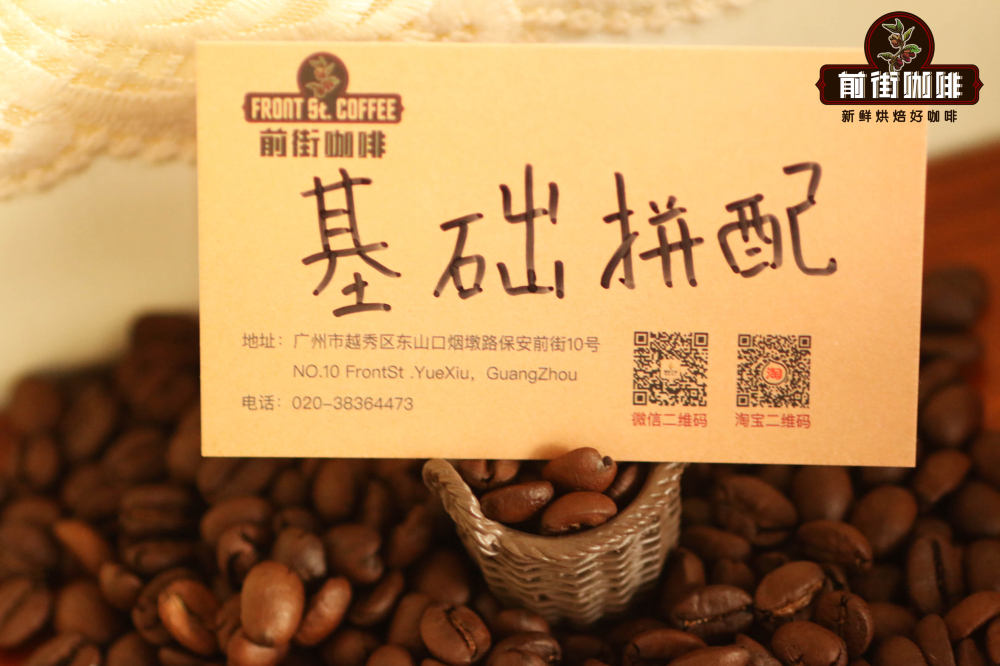
This blend pairs Brazil with Yunnan. FrontStreet Coffee finds it has a soft fruit acidity and caramel sweetness along with nut and black chocolate flavors; smooth and thick, but relatively light in taste. Yunnan's natural conditions closely resemble Colombia's, with high altitude, a large day-night temperature swing, a mellow flavor profile, moderate acidity, a rich, rounded taste, uniform particles, high oil content, and fruit aroma, so its quality and texture are similar to Colombian coffee, though still a touch lighter. Brazilian Cerrado beans add a comfortable bittersweet note and an extremely smooth entry, so the two combine well. This basic blend is very good value and suits espresso beginners and small coffee shops.
Indonesian Mandheling Coffee Recommendations
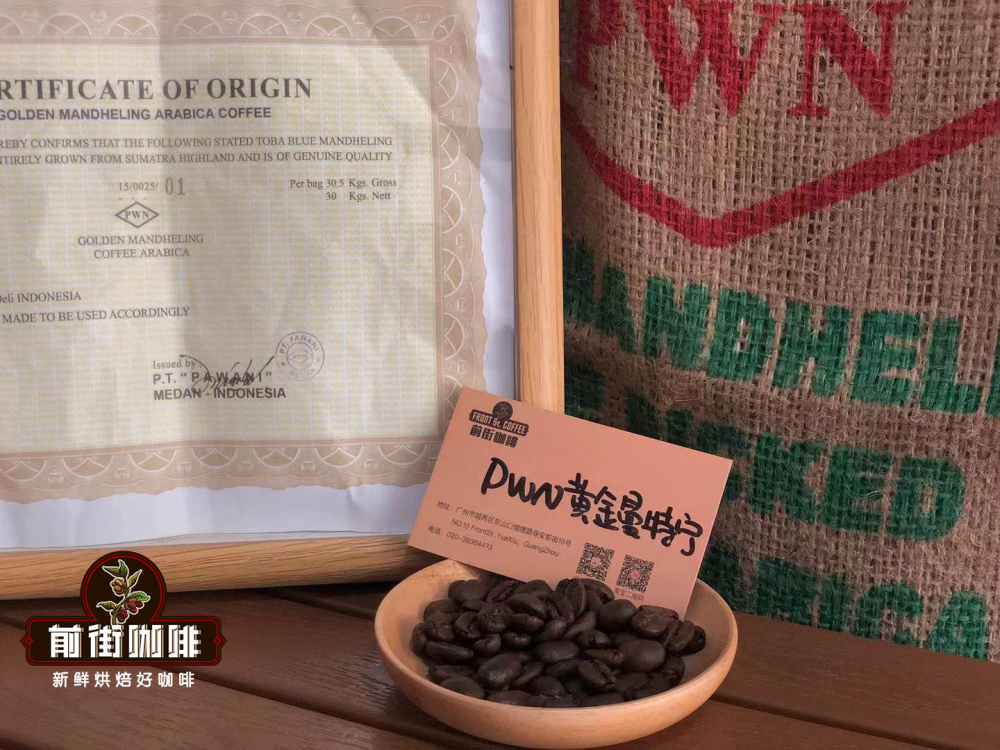
FrontStreet Coffee Indonesian Gold Mandheling Coffee Beans
Country: Indonesia
Region: Sumatra, Aceh, Gayo Mountain
Altitude: 1100-1600m
Variety: Ateng
Processing: Wet-hulled
Flavor: Toasted bread, nuts, pine, caramel, herbal
FrontStreet Coffee's Gold Mandheling comes from Indonesia's PWN company and is grown on Gayo Mountain in Aceh, Sumatra. Cupping and brewing this latest lot, FrontStreet found the PWN Gold Mandheling has a more obvious toasted bread flavor and a slightly thicker texture.
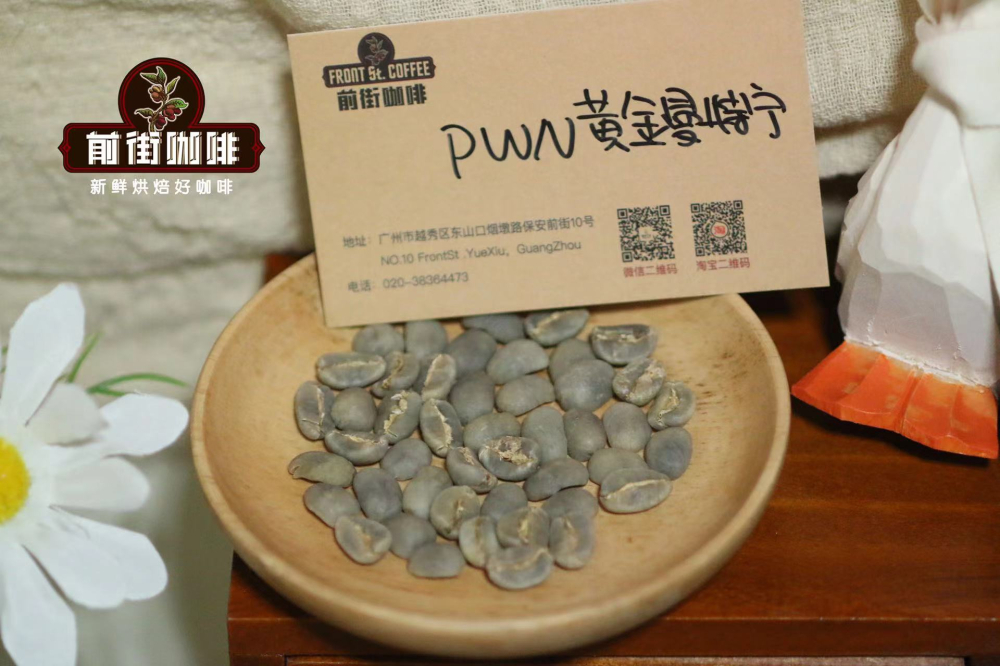
PWN applies very strict specifications for Gold Mandheling: above 18 mesh, fewer than three defective beans per 300-gram green sample, the top G1 grade, a color leaning toward dark green, and a neat, flat bean shape. On top of that, PWN runs three additional hand selections to remove every defective bean, guaranteeing an extremely clean taste and obvious sweetness. After strict screening, FrontStreet found it carries none of the earthy, miscellaneous flavor common in ordinary Mandheling, and instead tastes cleaner and brighter.
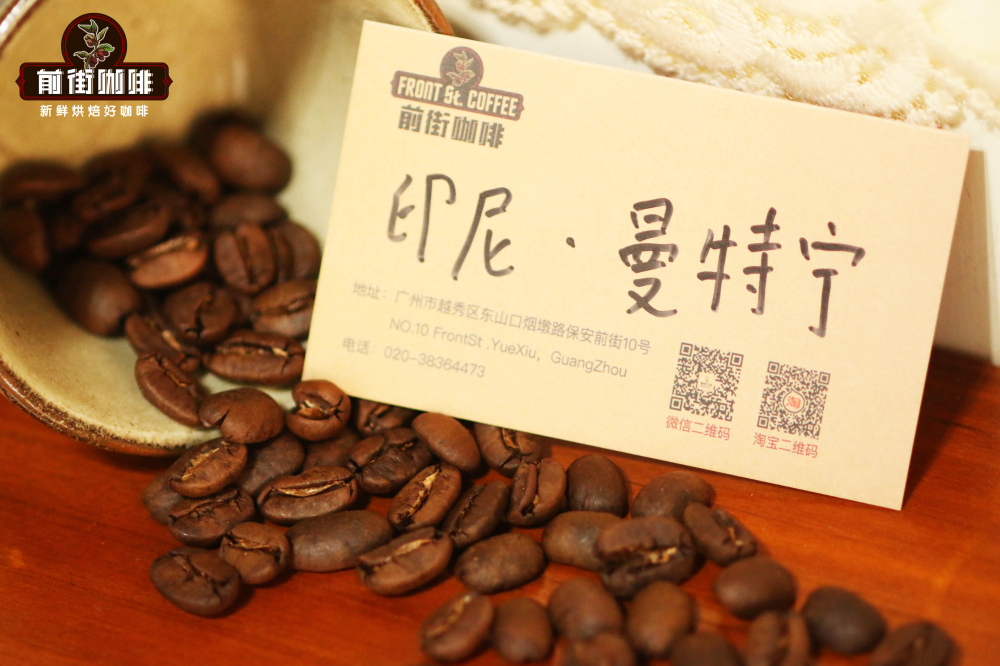
FrontStreet Coffee Indonesian Lintong Mandheling Coffee Beans
Country: Indonesia
Region: Sumatra (Lintong)
Altitude: 1100-1600m
Variety: Typica, Caturra
Processing: Wet-hulled
Flavor: Toasted bread, nuts, caramel, pine, herbal
Lintong Mandheling comes from the Lintong mountain area of north-central Sumatra, near Lake Toba, and it is here that FrontStreet Coffee sources its entry-level daily Mandheling. Lintong also uses the distinctive wet-hulled method, which gives it low acidity and a high body.
That covers FrontStreet Coffee's comparison of Mandheling and espresso coffee. FrontStreet hopes the article helps coffee lovers who want to understand the topic choose beans suited to their own taste. FrontStreet has noticed that some customers ask the baristas for brewing parameters when buying beans, and it sets parameters for every bean.
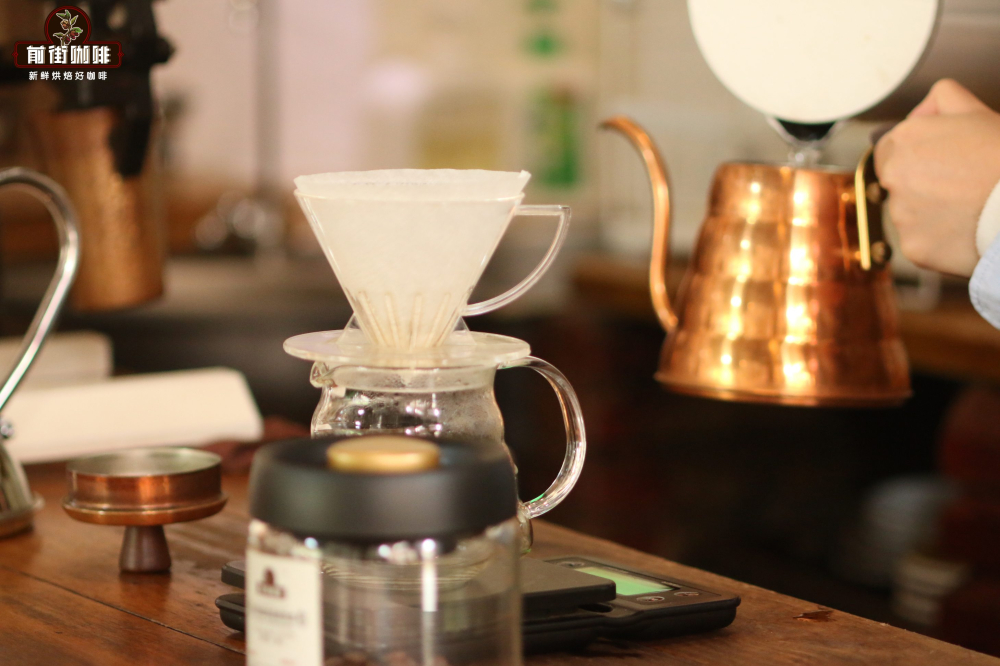
In general, thick-bodied beans are roasted to a deeper level. Brewing such beans as pour-over, FrontStreet Coffee chooses a grind that passes 70% to 75% through a China standard #20 sieve. For espresso concentrate, a flour-fine grind is used, adjusted to suit the machine and other factors.
In an era that prizes fresh roasting, many people love to watch the puffed "bloom hamburger" when brewing. The beans FrontStreet Coffee sends out are also freshly roasted within 5 days, so by the time they arrive they have just passed the 4 to 7-day resting period and the flavors have settled. Customers without a grinder at home can note the grinding service, which FrontStreet also provides, but ground coffee degasses more actively and its flavor compounds fade faster, sharply shortening the tasting window. FrontStreet therefore suggests buying whole beans and grinding fresh before brewing for the best flavor.
FrontStreet Coffee Recommendation
If the argument above convinced you to keep Mandheling in your rotation, start with FrontStreet PWN Golden Mandheling, the top grade of Indonesian coffee. PWN buys only high-quality Mandheling green beans and then applies one machine selection plus three hand selections to pick out full, flawless beans, all at specialty level, with Golden Mandheling as its flagship. The beans are even and plump, large and translucent, with a low defect rate; a medium-dark roast adds a rich toasted aroma, and the brewed black coffee has a clean taste and a full body, ideal for anyone who dislikes acidic coffee.
It shines most as pour-over. FrontStreet suggests 87-88°C water, 15 g of coffee, a 1:15 ratio, and a coarse-sugar grind, poured in three stages: 30 ml for the bloom to wet the grounds and let them degas, then 100 ml to develop the golden foam and lift the bed, and finally a gentle 95 ml down the center to lift the sweetness. The result shows the full body, caramel sweetness, and chocolate and nut flavors.
For an everyday espresso, try FrontStreet Classic Blend, one of the most repurchased beans in the lineup. On top of the creamy, nutty base of Brazilian coffee it adds medium-dark-roasted Mandheling, so butter, roasted chestnut, and caramel stand out. The Mandheling lifts the body and brings sandalwood, herbal, and spice notes, while a little Robusta boosts the crema, making latte art and layered Dirty drinks easy to pour.
Important Notice :
FrontStreet Coffee is a long-established specialty coffee roaster in Guangzhou China, selling freshly roasted beans from its own farm in Yunnan as well as dozens of carefully selected single-origin beans from around the world for both pour-over and espresso. The products deliver consistently excellent quality and great value, with shipping within 24 hours. Guangzhou's FrontStreet Coffee shop is recommended by many coffee lovers, and the beans are now available online at the Tmall 。
FrontStreet Coffee has moved to a new address:
FrontStreet Coffee Address: 315,Donghua East Road,GuangZhou
Tel:020 38364473
 Scan and follow the En Gafei WeChat official account. Please indicate that the reprint comes from "En Gafei".