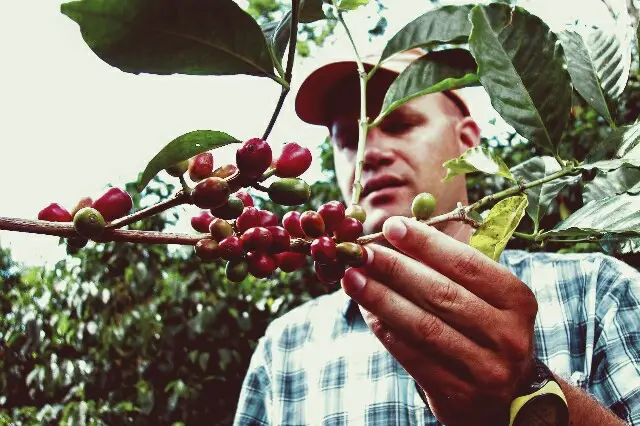
How to Drink Black Coffee: Tips and the Flavor Story of Black Coffee Beans
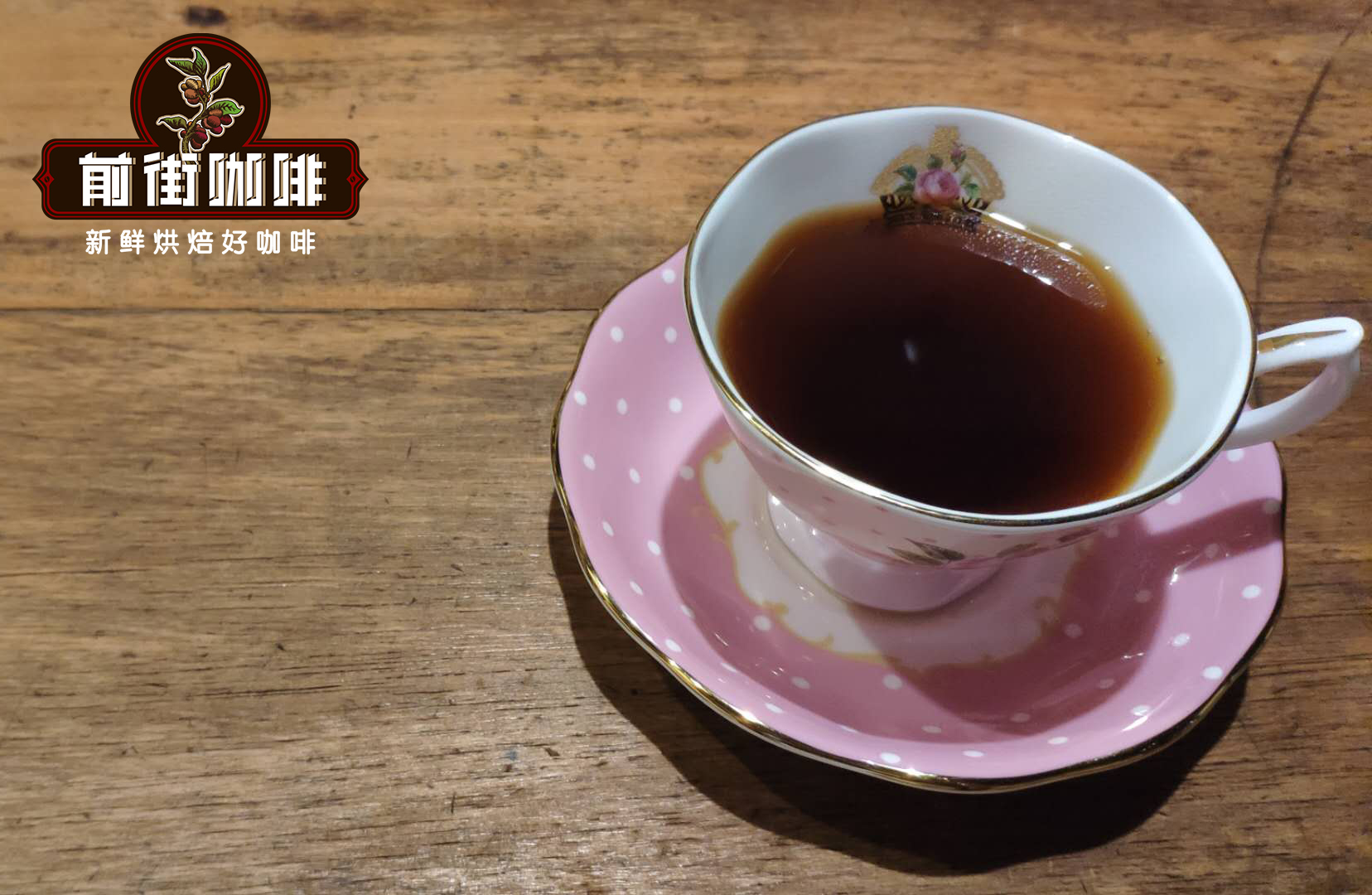
The Pure Sensory Experience of Black Coffee
Black coffee is a pure sensory experience — healthier, more classic, and simpler than coffee with sugar and milk, and the easiest way to appreciate coffee's unique and delicate flavors.
How to Drink Black Coffee
As a coffee professional, I firmly believe everyone should drink coffee the way they like it. There is no hierarchy between "black coffee" and "coffee with milk." That said, many people want to drink black coffee but don't know where to start. They understand the benefits and want to taste coffee's original flavors, but a few unpleasant early experiences are often enough to put them off.
Learning to drink black coffee is something every coffee enthusiast should attempt. Here are my suggestions. Learning to drink black coffee doesn't mean giving up milk and sugar forever — it simply means learning to enjoy black coffee the same way you enjoy a latte or a sweetened cup.
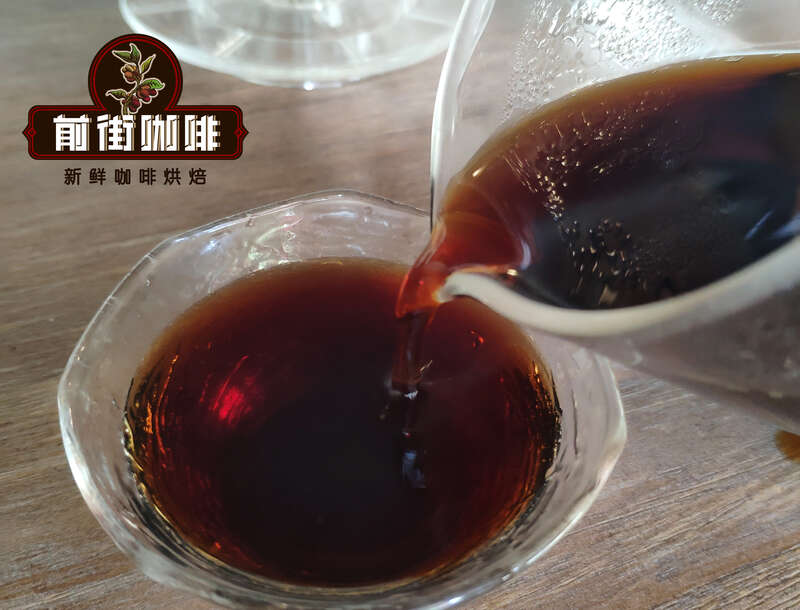
Learning to Love Black Coffee
Liking black coffee is a habit that has to be built through experience, especially if you've been adding sugar and milk since your very first cup. It takes time. But it helps to know that coffee contains an extraordinarily wide range of flavors — sweet, sour, bitter, spicy, and salty, the whole spectrum. Many of the most delicate and refined notes, however, can only be tasted black. Add sugar or milk, and they're gone.
If you enjoy coffee, don't be afraid of drinking it black. Preferring milk and sugar day to day doesn't mean you'll dislike it unsweetened. Give it a chance — and give yourself one.
8 Tips for Drinking Black Coffee
1. Try Light-Roasted Beans
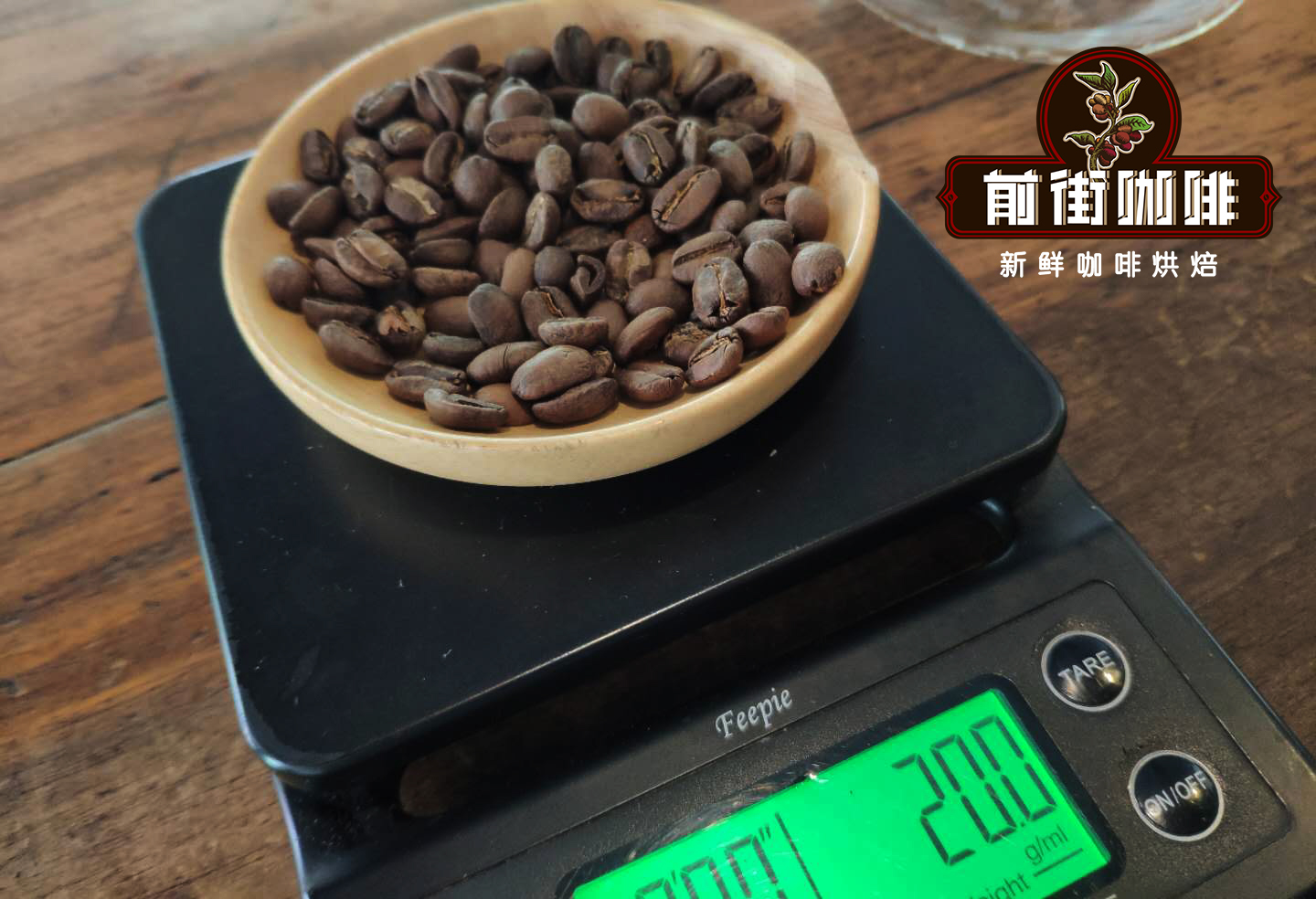
If the black coffee you've tried was bitter, astringent, and burnt or smoky, you may simply have been drinking the wrong coffee. If you've heard that "real coffee connoisseurs only drink dark roasts," don't believe it. Roasting coffee is like cooking a steak: everyone has a preferred doneness, but almost nobody likes it charred. Specialty-grade coffee is usually roasted lighter. That doesn't mean dark roasts are bad, but light roasts show brighter sweetness and acidity and more delicate floral and fruit aromatics, which makes the character of the beans much easier to appreciate.
2. Don't Rush to Drink It While Piping Hot
Good coffee doesn't have to be scalding. If the coffee is too hot, you risk burning your tongue, and many flavors simply aren't perceptible at high temperatures. Truly good coffee should reveal different flavors as it cools, and it should never show obvious defects at any temperature. To experience a black coffee fully, let it cool slowly — from hot to warm to room temperature — and savor each stage.
3. Savor It Slowly
With other drinks you can down any size of cup in one go, but black coffee rewards patience. Start with small servings; the best black coffees typically don't come in particularly large portions anyway.
4. Find Your Favorite Varieties
As coffee culture has grown, more people realize that coffee from different countries and regions tastes different — but the industry goes much finer than that. Varieties and processing methods create entirely different flavor layers. Like wine, even coffee from the same estate can vary dramatically depending on variety and process. You may already have a favorite variety — you just don't know it yet. Whether it's the explosively aromatic Geisha, Kenya's famous SL28, or more common varieties like Caturra and Typica, start paying attention to what you're actually drinking.
5. Try Different Types of Coffee
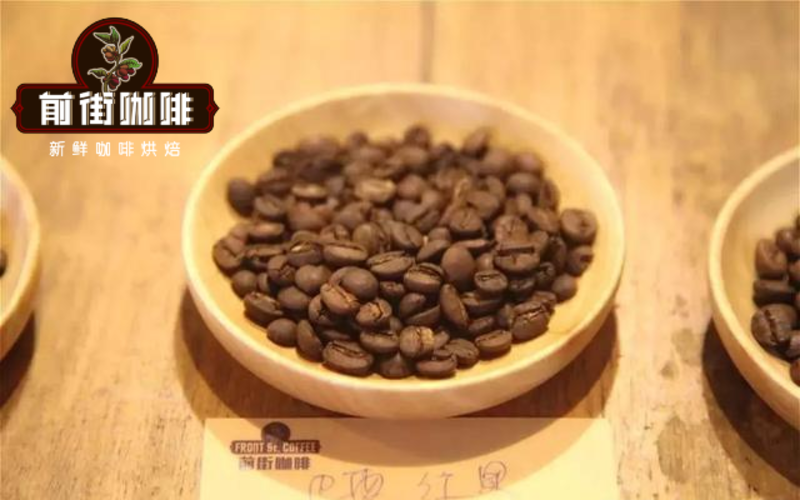
Finding "your" coffee isn't easy, so cast a wide net first. Different origins, varieties, processes, and roast levels — the coffee world offers thousands of flavors, and there's bound to be one you love. If you take your coffee sweet, look for natural or honey-processed medium roasts. If you like creamy flavors, try black coffees with a creamy profile.
6. Change Your Brewing Method
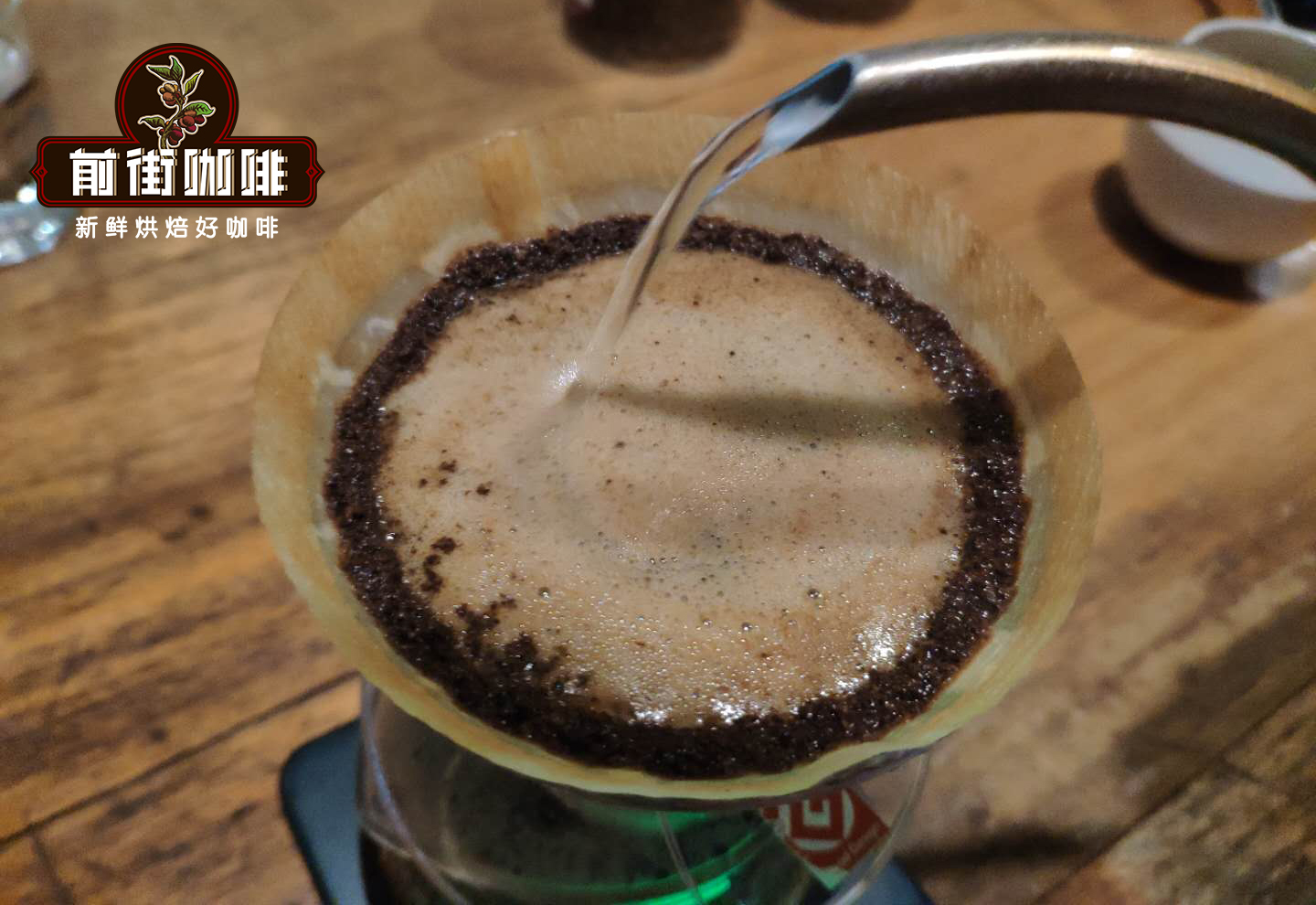
Whether brewing at home or ordering out, trying different equipment is a fast way to discover new flavors. If you don't enjoy the Americano from an espresso machine, why not try a pour-over?
Different methods highlight different flavors. To find the black coffee that suits you, first find the brewing method that suits you.
7. Gradually Reduce Milk and Sugar
If nothing else works, change things gradually from where you are. Take a sip before adding milk and sugar each time and notice the difference. Then slowly reduce what you add: full sugar to half sugar to less sugar to none; full milk to less milk to no milk.
And if gradual doesn't work, you may need to go cold turkey. Some people quit sugar and milk the way they quit smoking — they can't taper and need to cut it off decisively. Commit to drinking only black coffee for a week or two, and you may find yourself falling for it.
8. Change Your Cup
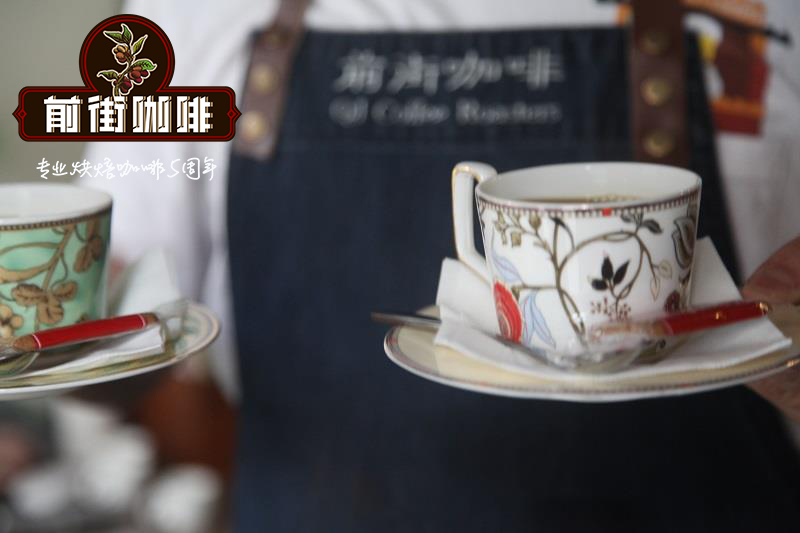
This one sounds dubious, but there really are studies showing that cup color affects flavor perception. For instance, the same coffee served in a white cup tastes more bitter than the same coffee in a transparent one.
If you're working on drinking black coffee, try a different colored cup and see if it helps.
Final Thoughts
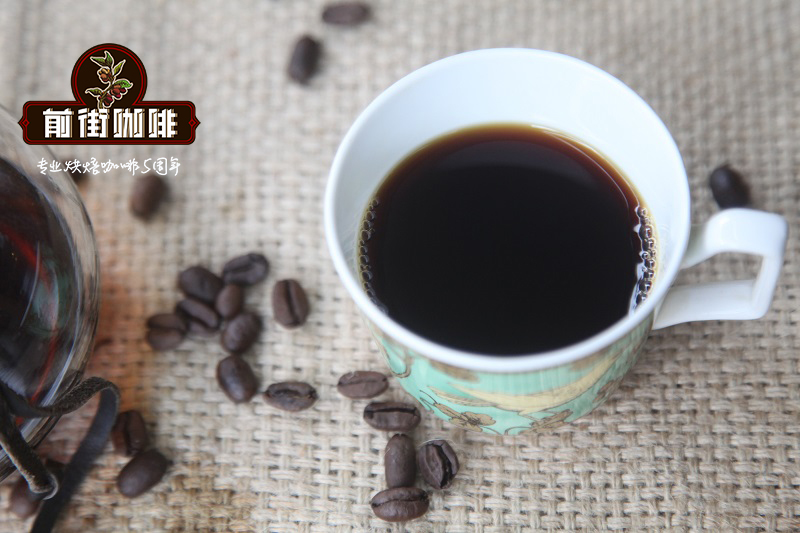
FrontStreet Coffee has no interest in dictating how you drink your coffee. If you like milk and sugar, add them — drink what you enjoy. I'd simply encourage everyone to try new things and broaden their palate. We can't promise you'll love black coffee, but if you never try it, you'll never know.
Like anything worth doing, black coffee takes time and a period of adaptation. On your first try, you might not taste any florals, fruit acidity, or nutty creaminess — just "hmm, this tastes like coffee." But the more you drink, the more your palate develops, and your memory of coffee flavors will gradually fill out.
FrontStreet Coffee Recommendation
The best beans for learning to drink black coffee are ones with pronounced sweetness and low bitterness. FrontStreet Coffee's Costa Rica Black Honey is an ideal starting point: with its mucilage fully retained and deeply fermented, it is the sweetest of all honey processes, showing sweet florals, grape, sweet orange, and liqueur-chocolate flavors at a medium-light roast. If you prefer something fruitier, our medium-light roasted Colombia Sidra offers the layered sweetness of grape, apricot, passion fruit, and fruit candy with a wine-like finish, perfect for anyone who loves rich fruit aromatics but avoids bitterness — served over ice, it drinks like fresh grape juice.
Important Notice :
FrontStreet Coffee is a long-established specialty coffee roaster in Guangzhou China, selling freshly roasted beans from its own farm in Yunnan as well as dozens of carefully selected single-origin beans from around the world for both pour-over and espresso. The products deliver consistently excellent quality and great value, with shipping within 24 hours. Guangzhou's FrontStreet Coffee shop is recommended by many coffee lovers, and the beans are now available online at the Tmall 。
FrontStreet Coffee has moved to a new address:
FrontStreet Coffee Address: 315,Donghua East Road,GuangZhou
Tel:020 38364473
 Scan and follow the En Gafei WeChat official account. Please indicate that the reprint comes from "En Gafei".
Introduction to the Planting History and Varieties of Indonesian Java Coffee Beans and the Flavor Characteristics of Indonesian Coffee