What Coffee Bean Variety is Hana Kui 6.0? Is Hana Kui Coffee Bean from Yirgacheffe Region? Introduction to Hana Kui SOE Coffee Flavor and Taste Characteristics
The Rise of a Coffee Champion
In recent years, Geisha has held court at the top of the specialty coffee world - the English name "Geisha" even echoes the Japanese word for artist. Meanwhile, Ethiopia's Sidamo region produces a bean that can go toe-to-toe with Geisha: what Chinese roasters call the "Coffee Queen" (Hua Kui, marketed abroad as Hambella).
In 2017, Li Jianfei took second place in the China division of the World Brewers Cup using this Ethiopian Sidamo natural Coffee Queen. Its popularity has climbed ever since - FrontStreet Coffee would say it now sits at the top of the specialty coffee charts. This natural Coffee Queen broke the Geisha legend and became a coffee truly able to compete with it.
The Coffee Queen's appeal is no accident. For a long time, Guji coffee was bundled together with Yirgacheffe and Sidamo, but rapid commercial and cultural development has elevated Guji to a distinct coffee-growing region with growing worldwide recognition.
The Origin of the Coffee Queen Name
In ancient China, "Hua Kui" (Flower Queen) referred to the top courtesan - a woman of both beauty and talent, versed in music, chess, calligraphy, and painting. What many don't know is that this Coffee Queen from Ethiopia's Sidamo Guji region also takes her name from Chinese terminology. Look closely and you'll see the Chinese and English names don't correspond: the Chinese name is "Hua Kui," while the English name in common use is "Hambella." Here is the story behind the name.
Literally, "Hua Kui" means "the first among all flowers." The bean won the natural-process division at the 2017 TOH (Taste of Harvest) competition. It comes from Ethiopia's Guji-Hambella region, and because it stood out so remarkably that year, Chinese green-bean importer Hongshun named it "Hua Kui" when it launched.
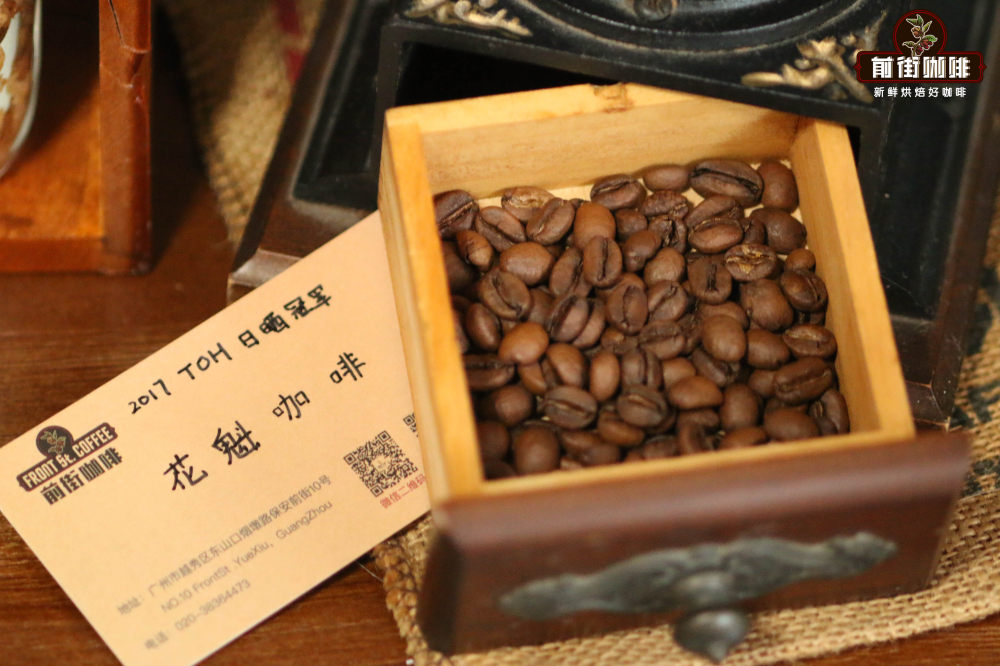
The True Coffee Queen
One clarification from FrontStreet Coffee: not every natural-process bean from the Sidamo Guji region is Coffee Queen. Generally, only natural coffee produced and processed by the Buku Abel estate earns that name - which is why Buku Abel is also known as the "Coffee Queen Estate." The coffee grows surrounded by sugarcane and banana plants, and under the high-altitude climate this gives Coffee Queen its smooth mouthfeel, passion fruit acidity, and the gentle fermentation notes of natural processing.
Unlike the distinctive lemon-citrus profile of the hugely popular Yirgacheffe region, Guji beans carry more intense floral aromas, and most are known for natural processing - which lifts Coffee Queen's aromatics and sweetness to another level. The two regions' profiles are so distinctive that the Ethiopian Commodity Exchange established them as separate classifications.

Natural Processing Craftsmanship
Coffee Queen's unique flavor is inseparable from its natural processing. Farmers harvest the cherries each year from December to January, and the fruit must reach over 30% sugar content before natural processing begins. The drying itself is meticulous: for the first two days, moisture must be maintained so the fruit sugars ferment adequately. When midday temperatures climb, the beds are shaded in time to prevent sun damage that would stall fermentation; at night, thick plastic sheeting guards against sudden rain.
Fermentation and dehydration favor relatively low temperatures. After eighteen days of drying, the beans' moisture drops to about 13%; drying then stops and the beans go into gunny sacks in the warehouse, where they rest and dehydrate further for about fifty days. At roughly 11% moisture, the green coffee is shipped to processing plants for hulling and the steps that follow. Clearly, the choice of processing method is crucial to how a coffee's flavor forms.

The Evolution of Coffee Queen Versions
You may have noticed numbers appearing after Coffee Queen on the shelf - Coffee Queen 2.0, 3.0, 3.1, 4.0, 5.0. Why so many versions? Because only coffee from the Buku Abel processing station in Guji is genuine Coffee Queen; beans from other stations are labeled as Coffee Queen versions.
DW Company, which produces Coffee Queen, runs five independent specialty coffee drying stations in the Guji Hambella region: Buku Abel, Tirtiro Goye, Seke Bokosa, Haro Soresa, and Buku Saysay.

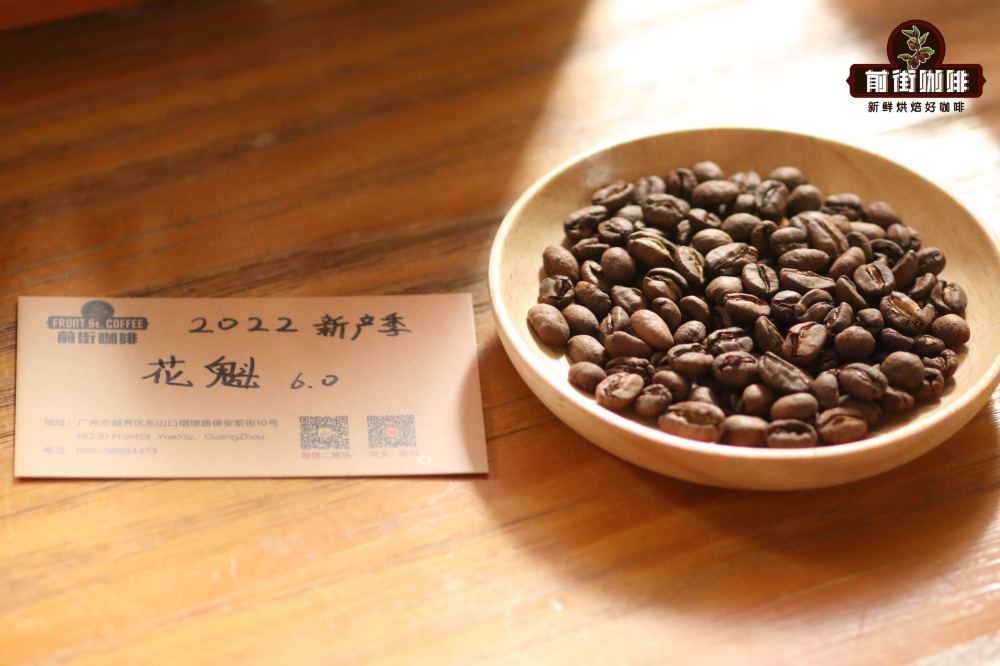
After the big 2017 launch, subsequent harvests were numbered sequentially as Coffee Queen X.0: the 2018 beans became "Coffee Queen 2.0," and so on - the 2021 beans are "Coffee Queen 5.0," and the 2022 season's beans are "Coffee Queen 6.0." Pandemic-related shipping tensions pushed the new Coffee Queen's arrival from the originally scheduled April all the way to June.
Ethiopian Heirloom Varieties
Most Coffee Queen lots consist of Ethiopian local heirloom varieties. Because Ethiopia is the birthplace of coffee - its genetic bank - varieties there are extraordinarily diverse. Local economic conditions don't support large-scale variety verification, and the Ethiopian government, to protect native coffee tree data, declines to publish it. These unverified varieties are therefore grouped as Ethiopian local heirlooms.
FrontStreet Coffee has cupped several Coffee Queen versions and found real differences. Coffee Queen 3.1 diverges noticeably from the original, leaning closer to Panama La Esmeralda's Geisha profile. Coffee Queen 4.0 comes very close to the original, though in cupping we still find its aftertaste and body fall short. Coffee Queen 5.0 leans toward classic Guji character: vibrant berry acidity, long-lasting florals, and distinct juiciness.
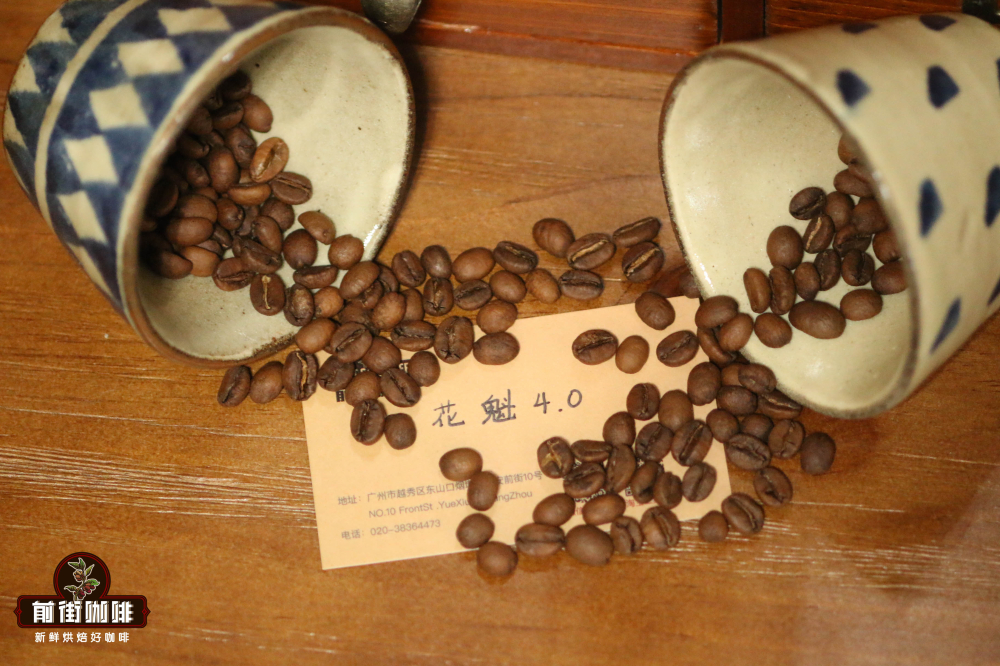
The Nature of Agricultural Products
Coffee Queen's flavor shifts every year because coffee is, at bottom, an agricultural product - no farm can grow an identical flavor season after season. Climate, rainfall, and other uncertainties all leave their mark, so year-to-year variation is entirely normal.
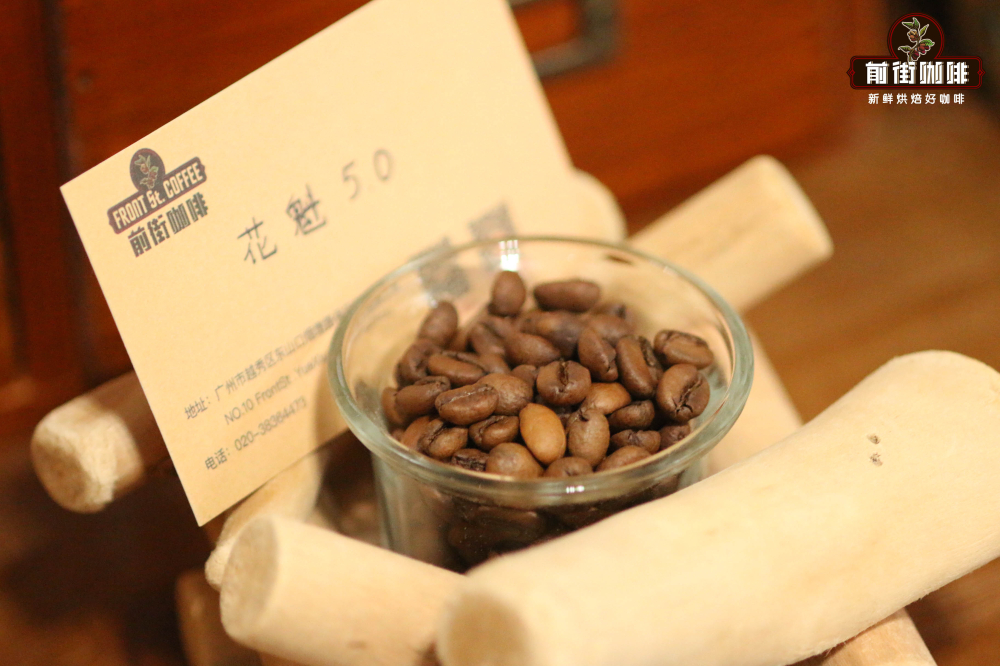
The Coffee Queen 6.0 Challenge
Case in point: when FrontStreet Coffee received the new season's Coffee Queen 6.0, we found many flat beans, shell beans, and broken beans among the greens - the appearance was not full. Our roaster sorted out 20-30% defective beans before roasting, and even afterward many irregular beans remained. Below are the irregular beans screened from a random 15g sample - far more than in previous years.
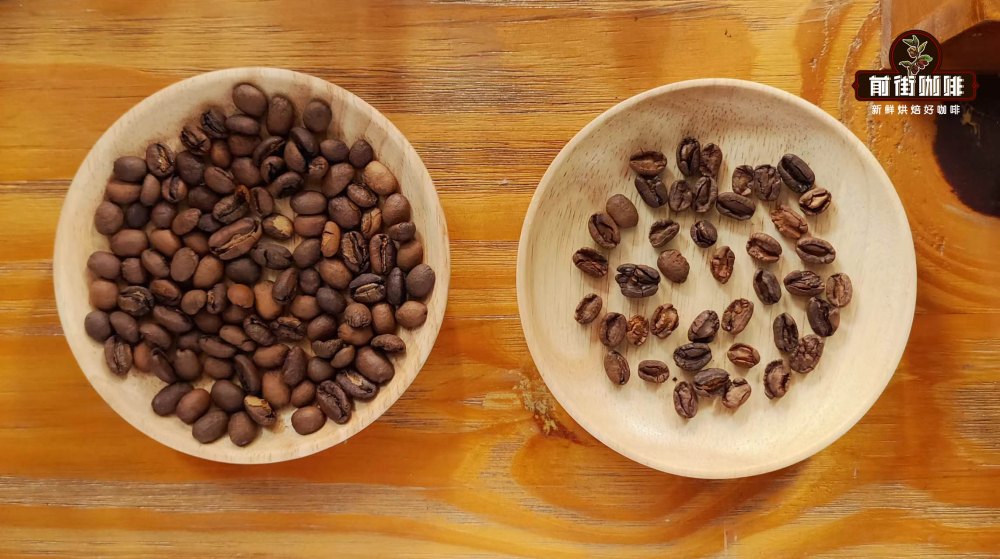
In cupping, this Coffee Queen 6.0 shows berry, honey, and passion fruit with prominent sweetness. But given the batch's high defect rate, FrontStreet Coffee also sourced another new-season Coffee Queen bean processed at the Hambella Buku station - the same station behind the original 2017 Coffee Queen. It is also from the Hambella region, with full, uniform beans very similar to the Coffee Queens of previous years.
Cupped, this Sidamo Coffee Queen shows orange blossom, citrus, honey, and grapefruit with intense juiciness.
Brewing Recommendations
Brewing equipment: HARIO V60
Dose: 15g
Ratio: 1:15
Water temperature: 90°C
Grind size: medium-coarse (80% retention on a China-standard #20 sieve)
FrontStreet Coffee recommends brewing with freshly roasted beans to experience the full flavor. Every bag we ship is roasted within 5 days, because freshness profoundly affects flavor - our roasting philosophy is "Freshly Roasted Good Coffee." The resting period is about 4-7 days, so coffee arrives at or near peak flavor.

For 15g of coffee at 1:15, pour 225g of hot water in total. Start with 30g for a 30-second bloom. Then, at a flow rate of 4g per second and one spiral every 4 seconds, pour from the center outward and back until you reach 125g, and stop. Once the coffee bed falls to half its height, resume the same technique up to 225g. After all the liquid has drawn down, remove the dripper to finish. Total brew time is 2 minutes 10 seconds.

FrontStreet Coffee Recommendation
If this deep dive into Hambella has you curious, FrontStreet Coffee's natural-process Ethiopia Hua Kui (Hambella) is the bean behind the legend - a 2017 TOH natural-process champion from Guji-Hambella, bursting with tropical fruit aromatics of strawberry, passion fruit, and jackfruit, with pronounced sweetness and almost no bitterness. For a more classic Ethiopian profile, FrontStreet's washed Yirgacheffe Guodingding from the Worka cooperative offers bright citrus, lemon acidity, and jasmine florals. Both shine on a V60 at 1:15 with 90°C water - the very recipe outlined above.
Important Notice :
FrontStreet Coffee is a long-established specialty coffee roaster in Guangzhou China, selling freshly roasted beans from its own farm in Yunnan as well as dozens of carefully selected single-origin beans from around the world for both pour-over and espresso. The products deliver consistently excellent quality and great value, with shipping within 24 hours. Guangzhou's FrontStreet Coffee shop is recommended by many coffee lovers, and the beans are now available online at the Tmall 。
FrontStreet Coffee has moved to a new address:
FrontStreet Coffee Address: 315,Donghua East Road,GuangZhou
Tel:020 38364473
 Scan and follow the En Gafei WeChat official account. Please indicate that the reprint comes from "En Gafei".