Is Mexican Coffee More Sour or Bitter? How to Brew Mexican Coffee for Better Flavor
The History of Mexican Coffee Cultivation
Spanish settlers first brought coffee to Mexico in the 18th century, initially planting it in the fertile southern highlands. For many years, production was dominated by a handful of large landowners. After the land reforms that followed the 1920 revolution, the large plantations lost their monopoly, and coffee cultivation spread to small farms.
Mexico's National Coffee Institute (INMECAFE) was established in 1973 to provide technical assistance and credit to producers, and rural production grew quickly as a result. Through the 1970s and 1980s, the government heavily promoted coffee farming to indigenous growers, especially in the lush south. By 1991 Mexico had become the world's fourth-largest producer, and coffee mattered enormously to the economy. Then came the bust. The cartel-like price controls of the International Coffee Organization (ICO) had ended, the Mexican government withdrew its support, and the industry descended into chaos. INMECAFE was dismantled, and producers suddenly struggled to find buyers--indigenous growers were hit hardest. Production and quality collapsed in what became known as the "coffee crisis."
In response to the crisis, and to fill the vacuum left by INMECAFE, producers formed collectives. Over the years many of these growers have earned fair-trade and/or organic certification.
Mexican production has not returned to its boom-era levels, but the country currently ranks as the world's tenth-largest producer. The southern states of Veracruz, Puebla, Oaxaca, and Chiapas--with their rich volcanic soils and consistent rainfall--account for 95% of total output. Most Mexican coffee goes into commercial-grade blends, but the higher-quality lots are prized for cup profiles that often include bright acidity, a smooth, almost creamy body, and chocolate notes.
Mexican Coffee Growing Regions
Mexican coffee is classified by altitude, with most of the country's output destined for blends and/or dark roasts. Mexico has grown coffee since the late 18th century, and most of it now comes from the southern regions where the continent narrows and curves eastward.
Chiapas Coffee
Chiapas coffee is grown in the southern state of Chiapas and is known for its light, delicate flavor, rich bright acidity, and light-to-medium body. The hot, tropical climate provides good growing conditions and fairly consistent beans.
Especially noteworthy is Chiapas coffee grown in the mountainous southeastern corner near the Guatemalan border, often marked with the name of the nearby town, Tapachula. The area's volcanoes provide fertile soil that improves nutrient supply and helps the flavors develop. Fine Chiapas coffees are said to rival the complexity and power of the best Guatemalan coffees.
Veracruz Coffee
On the Gulf side of Mexico's central mountain range lies the state of Veracruz, where most coffee is grown in the lowlands and is unremarkable.
The nearby mountains, however, produce the respected Altura Coatepec, named after the town of Coatepec and known for its nutty flavor, light body, and brightness with chocolate tones.
Other respected coffees from Veracruz include Altura Huatusco, Altura Orizaba, and the most esteemed of all, Altura Coatepec.
How to Drink Mexican Coffee?
Mexican Coffee (Mexico Coffee)
Characteristics: coffee liqueur fully mixed with coffee--similar in style but with enhanced richness and thickness. It is the most traditional-flavored version, full of passionate, bold character.
Light Roast (Fragrant):
Abundant fruit aroma with a slightly wild character. Acidity is not obvious, appearing only several seconds after drinking. The oily mouthfeel is relatively thin, with the aftertaste emerging slowly at the back of the tongue. There is some aroma and taste reminiscent of oolong tea.
Medium Roast:
Fruity aroma of fruit fermentation with weak fruit acidity. The mouthfeel is smooth and round, with a ripe tea flavor.
Dark Roast:
Aroma of cooked vegetables, no acidity present. Clean mouthfeel without excess impurities, with the sweet fragrance of grass jelly and wheat.
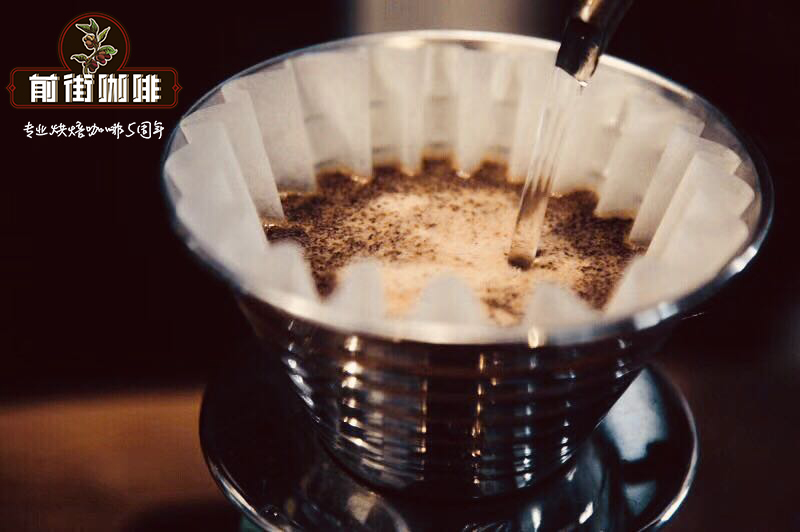
FrontStreet Coffee's Recommended Pour-Over Brewing Parameters for Mexican Coffee:
V60/90°C/1:15/Time: Two minutes
FrontStreet Coffee Recommendation
If you are working your way through Central American origins, a few entry-level specialty beans will show you the full range of what coffee can taste like. Ethiopia, Africa's largest producer and the recognized birthplace of coffee, is the natural first stop: FrontStreet's washed Chelbesa (Guodingding) Cooperative lot from Yirgacheffe offers jasmine florals, lemon acidity, and berry tones, while the natural Sidama Huakui delivers berries, florals, jackfruit, melon, and honey.
Brazil is the value pick: FrontStreet's Cerrado daily-drinker lot is a genuinely affordable single origin with classic cream, peanut, and cocoa flavors, while the higher-growing Queen Estate--a rare Yellow Bourbon--adds a sugarcane sweetness to the butter, melon-seed, macadamia, and almond nut tones, velvety whether black or with milk.
And if, like many Mexican coffees, you prefer your cup chocolatey and smooth rather than sour, Indonesia is the answer: FrontStreet's Lindong Mandheling, wet-hulled in the local tradition, drinks richer and smoother than Blue Mountain with herbal and spice notes, while the triple-hand-sorted PWN Golden Mandheling is cleaner and silkier still, with clear woody and caramel tones.
Important Notice :
FrontStreet Coffee is a long-established specialty coffee roaster in Guangzhou China, selling freshly roasted beans from its own farm in Yunnan as well as dozens of carefully selected single-origin beans from around the world for both pour-over and espresso. The products deliver consistently excellent quality and great value, with shipping within 24 hours. Guangzhou's FrontStreet Coffee shop is recommended by many coffee lovers, and the beans are now available online at the Tmall 。
FrontStreet Coffee has moved to a new address:
FrontStreet Coffee Address: 315,Donghua East Road,GuangZhou
Tel:020 38364473
 Scan and follow the En Gafei WeChat official account. Please indicate that the reprint comes from "En Gafei".