How to Read the Coffee Flavor Wheel? What Do Coffee Flavors Mean? How to Properly Taste Coffee and Describe Flavors?
Professional coffee knowledge exchange. For more coffee bean information, please follow Coffee Workshop (WeChat official account: cafe_style).
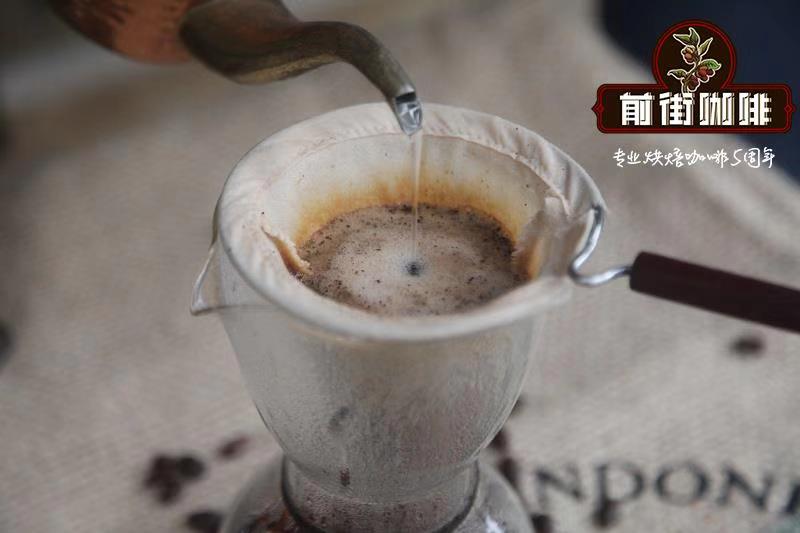
When you drink coffee, you can clearly perceive its rich aromatics. Some drinkers can name the types of aromas at work; others simply call it all "coffee smell." In truth, coffee contains so many aromatic compounds that no exact count exists — by some estimates more than a thousand different aromatic molecules together make up what we recognize as coffee aroma. These aromas can be abstract or concrete, prominent or subtle, and telling them apart is simply a matter of time and practice. Drink coffee regularly and you'll naturally learn to identify and enjoy its many facets.
What Does Coffee Flavor Mean?
Roasted coffee beans contain more than 1,200 different compounds that create the rich taste and olfactory experience — and bitterness is just one of the flavors among them.
How rich is that? Compare it with other beloved indulgences like chocolate and wine:
Chocolate: contains over 300 compounds.
Wine: contains 150-500+ compounds — already enough to make people fall in love with the surprises of different grape varieties.
Coffee's 1,200+ compounds are 4 times more than chocolate and more than double those of wine.
Besides Bitterness, What Other Flavors Does Coffee Have?
Broadly speaking, coffee flavors fall into 9 main categories, comprising approximately 85 distinct flavors.
Those 85 flavor notes were developed through a collaboration between the SCAA (Specialty Coffee Association of America) and Kansas State University and Texas A&M University. The original goal was to create a unified, quantifiable vocabulary for describing different coffees during tasting, making evaluation more scientific and more comparable.
If you're into specialty coffee, you've probably seen the SCAA Flavor Wheel — and quite possibly found it baffling. Let's unpack its structure and meaning.
Classification and Formation of Coffee Aromas and Flavors
Enzymatic
These flavors form during green bean processing (washed, natural, or honey processing) through fermentation, producing floral and fruity notes.
Sugar Browning
These flavors are produced during roasting through caramelization and the Maillard reaction, giving nutty and chocolatey notes.
Dry Distillation
These flavors emerge during roasting through dry distillation, creating notes like currant and smoky aromas.
Some claim that the flavor wheel, read from top to bottom, also maps to flavors produced at different roast levels — but since dry distillation begins at the very start of roasting, that reading isn't entirely accurate.
Taste Categories
The sensory classification includes sour, sweet, bitter, and salty tastes. It's said that future versions of the wheel may add umami.
Defect Flavors
These are off-flavors caused by improper handling during harvest and drying, as well as aging during storage.
If coffee isn't processed promptly after harvest, or if drying humidity and temperature are wrong, fermentation can produce Rio-like and fermented flavors. Overly high drying temperatures can heat the beans too quickly, breaking down fats and creating leather-like flavors.
After processing, green beans keep reacting internally during storage: organic compounds gradually change and diminish. Fresh beans have grassy notes, but after several years in storage the loss of organic compounds leaves straw and woody notes — at that point, the coffee is quite bland!
Coffee flavor really is complex and multi-layered.
1) Floral & Fruity Aromas
During light roasting, the most volatile molecules are released first — including floral and fruity aromas.
On the flavor wheel, floral and fruity notes are two separate categories.
Floral: light, subtly sweet, elegant aromas.
Fruity: a blend of subtle sweetness and the fruit-floral aromas of various mature fruits.
Floral notes are relatively rare in specialty coffee.
1. "Yirgacheffe" from Ethiopia
2. The Sidamo region
3. "Geisha" from Panama
These coffees all display captivating floral aromas similar to jasmine, alongside notes reminiscent of passion fruit.
FrontStreet Coffee's Yirgacheffe shows especially prominent citrus among its fruit aromas.
FrontStreet Coffee's Geisha, renowned for its orange aromatics, reveals intense orange and lemon fragrance when the bag is opened after a few days of resting. The English name "Geisha" closely resembles the Japanese word for "geisha," which is where the variety's alternate name comes from.
Additionally, FrontStreet Coffee's Kenyan national treasure varieties "S28" and "S34" bring sweet-tart notes to their fruit aromas, reminiscent of plums and berries.
2) Green/Vegetative
From this category onward, the flavors need some explaining.
Raw: uncooked ingredients, like raw sunflower seeds or raw beans, with their natural qualities.
Under-Ripe: fruit that hasn't ripened on the tree, with flavors similar to grapefruit peel.
Fresh: the scent of freshly cut grass.
Dark Green: cooked green vegetables — like the canned spinach Popeye eats to power up.
Vegetative: the slightly pungent flavors of green vegetables; canned asparagus is the reference.
Herb-like: more precisely, herb leaves such as bay, basil, and thyme.
Beany: flavors of beans and bean products. (Note: aromatic acids in the sour category also involve beans, but there the emphasis falls on sourness.)
Among single-origin coffees, FrontStreet Coffee's Mandheling from Indonesia's Lake Toba region, when roasted to medium-dark levels, sometimes reveals a unique grass-jelly aroma.
Lake Toba, Indonesia
3) Nutty / Cocoa
These notes develop during medium roasting through the Maillard reaction. They're quite common and include:
Nutty: roasted almonds, roasted peanuts, roasted hazelnuts, walnuts.
Cocoa: dark chocolate.
4) Sweet
During medium roasting, acidic aromas break down and caramel aromas develop through sugar browning. These include:
Vanillin: related to vanilla but distinct from the vanilla category (Vanilla), which emphasizes vanilla pod aromas. Vanillin primarily refers to chemical vanilla flavor, like vanilla-flavored marshmallows.
Sweet Aromatics: likewise, chemically sweet flavors.
5) Spices
Generally produced during dark roasting, these include:
Pungent: sharp, nasal flavors — orange essential oil is the reference.
6) Sour / Fermented
Sour Aromatics: sour products, such as canned pinto beans (Bush's).
Citric Acid and Malic Acid: emphasize sourness and astringency; more intense.
Butyric Acid: certain aged cheeses, such as Parmesan.
Isovaleric Acid: also aged cheeses, such as Romano.
Among single-origin coffees, Mandheling from Indonesia owes its low acidity and mellow aromatics to the unique wet-hulled (giling basah) process, which shortens drying time significantly and creates a distinctive regional character.
6) Alcoholic/Fermented Subcategory:
Overripe: bananas are the reference, but this also covers the sweet, slightly acidic, moist, moldy, or earthy flavors of other overripe fruits or vegetables.
Winey: the reference is Yellow Tail Cabernet Sauvignon.
Whiskey: the reference is Jack Daniel's Tennessee Whiskey Old No. 7.
Fermented: the reference is Guinness Extra Stout.
Among single-origin coffees, naturally processed beans often carry wine-like aromas. Personal favorites include FrontStreet Coffee's natural Yirgacheffe and FrontStreet Coffee's winey natural Guatemala.
7) Roasted Flavors
Acrid: specifically, the bitterness after scorching. The bitterness we normally taste comes from caffeine, not necessarily from scorching.
Ashy: the taste of paper ash after burning.
Smoky: the taste of wood ash after burning wood.
Brown, Roast: purely the sensation of being roasted.
Toast: one of the subtle flavors roasters strive to achieve — a mark of mature roasting skill. Roast one second too long and this full, delicate aroma is lost, replaced by more aggressive flavors.
8) Other
Stale: lacking freshness — the taste of fermented or expired bread.
Moldy/Damp: a damp basement smell.
Musty/Dusty: wheat germ, similar to cereal crumb flavors.
Phenolic: not a misapplied image — think of an old-fashioned tack room, a damp space with animal odors.
Among these, woody aromas develop during dark roasting through dry distillation. This flavor divides opinion: some drinkers love coffee's woody character, while others feel it interferes with coffee's inherent flavors.
Coffee beans containing woody notes include:
1. "Huila" from Colombia
2. El Salvador's national treasure variety "Pacamara"
3. "Kona" from Hawaii
4. Estate beans from Honduras
5. Ilita Estate in Panama
These coffees often develop their unique aromas because the farms happen to grow pine, fir, or other trees alongside the coffee.
Most of these flavor references are drawn from Western taste experiences — cheese, nutmeg, skunk, and the like.
After all this, do you understand coffee flavors a little better? It's remarkable that a tiny coffee bean holds so many aromatic compounds — these are what we commonly call coffee flavors. How do you learn to distinguish them all? Practice makes perfect: someone who drinks coffee regularly and pays attention will naturally learn to name these flavors. So if you meet someone who can rattle off coffee flavor notes, don't be surprised — they might be a coffee enthusiast, or possibly even a barista.
FrontStreet Coffee Recommendation
Roasting hinges on three elements that must be kept in balance: acidity, sweetness, and bitterness. The darker the roast, the more bitter and full-bodied the coffee; the lighter the roast, the more acidic and delicate. If you're after a balanced cup, medium-roasted beans are the best place to start.
If you dislike both sourness and bitterness, try FrontStreet Coffee's Fazenda Rainha (Queen Estate) Brazil. From the world's largest coffee-producing country and grown from Brazil's distinctive Yellow Bourbon variety, it tastes quietly sweet; at a medium roast it shows aromas and sweetness of creamy peanut, chocolate, toast, and sugarcane, and works equally well as pour-over, moka pot, or espresso.
For a sweeter medium roast, FrontStreet Coffee's Strawberry Candy Gesha Blend is the first choice. Unusually for a fruit-forward coffee, it combines two renowned origins: a honey-processed Costa Rican component and a washed Panama Geisha. Roasted medium to showcase the best of both, it offers orange-blossom honey character and rounded sweetness, and suits cold brew, pour-over, and espresso alike.
FrontStreet Coffee's 2013 Natural Typica is a flagship of Chinese specialty coffee with the authentic character of Yunnan arabica. A medium roast preserves its balanced, gentle profile, bringing soft notes of nuts, brown sugar, black tea, and dried apricot; it's excellent for pour-over, cold brew, or drip machines, and great value.
Finally, Jamaica Blue Mountain No. 1 — grown from Typica, a world-renowned arabica variety, in terrain nature built for balance. Known as the "emperor of coffee," Blue Mountain No. 1 is roasted medium so that its acidity, bitterness, sweetness, and body merge perfectly into an elegant, captivating profile: chocolate, roasted nuts, cream, and caramel the moment it touches your tongue — a combination no other coffee quite matches.
Important Notice :
FrontStreet Coffee is a long-established specialty coffee roaster in Guangzhou China, selling freshly roasted beans from its own farm in Yunnan as well as dozens of carefully selected single-origin beans from around the world for both pour-over and espresso. The products deliver consistently excellent quality and great value, with shipping within 24 hours. Guangzhou's FrontStreet Coffee shop is recommended by many coffee lovers, and the beans are now available online at the Tmall 。
FrontStreet Coffee has moved to a new address:
FrontStreet Coffee Address: 315,Donghua East Road,GuangZhou
Tel:020 38364473
 Scan and follow the En Gafei WeChat official account. Please indicate that the reprint comes from "En Gafei".
What are the Advantages and Disadvantages of Brewing Coffee with a Moka Pot? Bialetti Moka Pot Proper Usage Methods and Precautions