What are the Advantages and Disadvantages of Brewing Coffee with a Moka Pot? Bialetti Moka Pot Proper Usage Methods and Precautions
The Moka Pot: Italy's Essential Home Coffee Maker
With the release of Bialetti's new generation of pressurized Moka pots, the Moka pot has suddenly become a hot topic again. Most people still know very little about it as a brewing device, so let's take the opportunity to look at this legendary maker that is said to sit in every Italian kitchen.
History and Materials
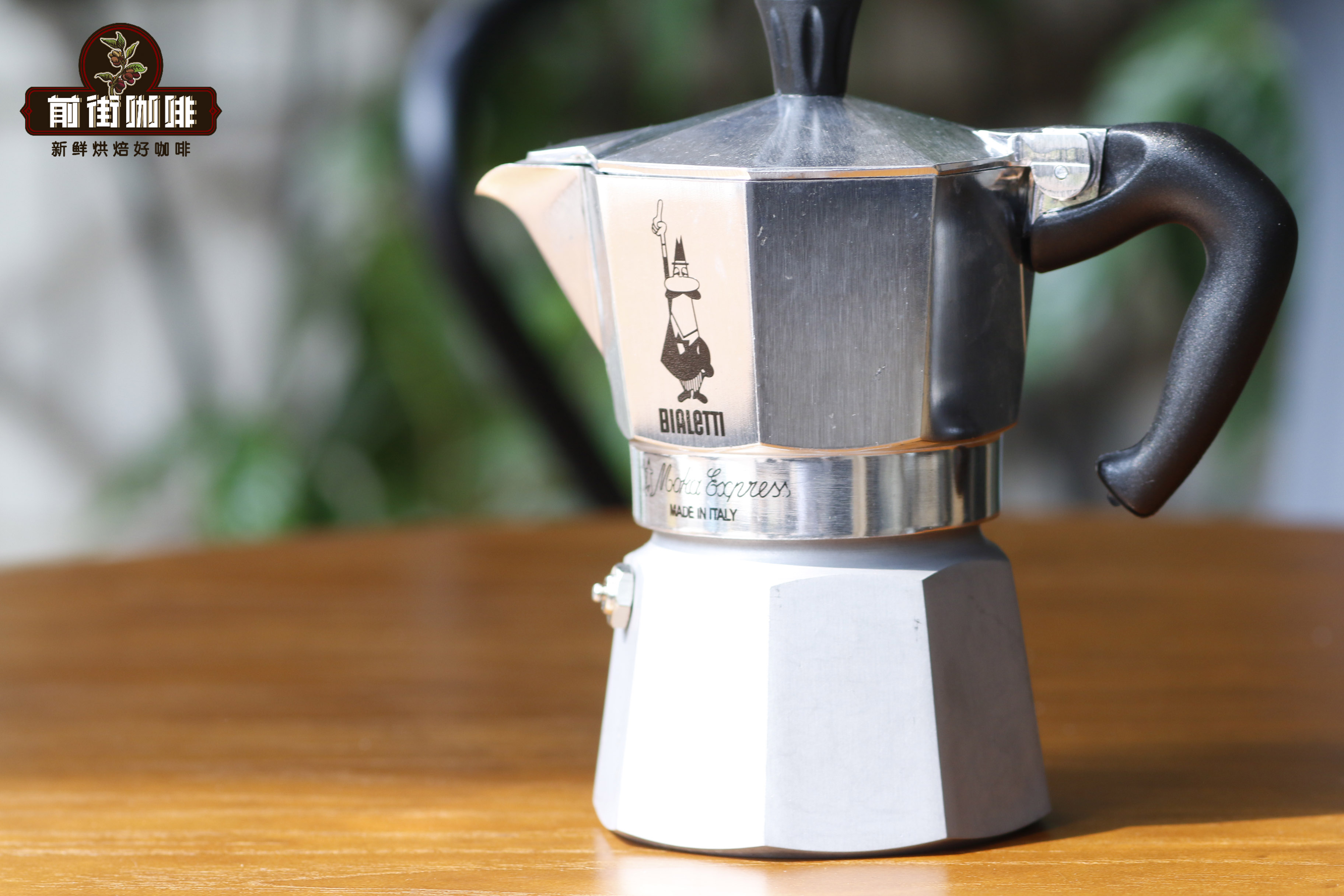
The Moka pot was invented in 1933 by the Italian Alfonso Bialetti. Traditional Moka pots are usually made of aluminum alloy. Aluminum scratches easily and can only be heated over an open flame, so it cannot be used on an induction stove. For that reason, most Moka pots today are made of stainless steel.
Brewing Principles
The principle behind Moka pot extraction is simple. Steam pressure builds in the lower chamber, and once it is strong enough to push through the coffee bed, it drives hot water up into the upper chamber. The resulting coffee is strong, with balanced acidity and bitterness, and it carries crema.
Advantages and Disadvantages
The Moka pot's greatest strength is that it is small, convenient, and simple to operate. Even an ordinary Italian home cook can master it, and it reliably produces fragrant coffee topped with golden crema.
Its weaknesses are just as clear: the flavor ceiling is lower. A Moka pot will not deliver the clarity and brightness of pour-over, nor the richness and refinement of an espresso machine. That is why you will rarely see one in a specialty coffee bar. As a home brewing device, though, it scores a perfect 100.
How to Use a Moka Pot to Brew Coffee
You will need: a Moka pot, a gas stove with a rack or an induction stove, coffee beans, a grinder, and water.
Step 1
Pour purified water into the lower chamber, filling it to about 0.5cm below the pressure relief valve. If you prefer a milder cup, you can add a little more water, but never above the safety line marked on the pot. If your pot has no markings, keep the water level below the relief valve at all times; otherwise you risk a safety hazard and serious damage to the pot itself.

Step 2
Choose a grind slightly coarser than espresso, judging it against the gaps in the filter basket screen so that no grounds fall into the lower chamber. Pour the grounds slowly into the basket, tap gently to spread them evenly, and level the surface once the grounds form a small mound.

Filling the basket completely helps avoid extracting harsh, off flavors. When the bed is evenly dense, some grounds cannot over-extract while others under-extract, which is what produces an uneven, bitter cup.
Step 3
Seat the filter basket into the lower chamber, screw the upper and lower halves together tightly, and place the pot on an electric ceramic stove over high heat.

Step 4
When the pot reaches temperature and you hear a distinct gurgling sound, the coffee is ready. Turn the stove down to low and lift the lid of the upper chamber.

Step 5
Once the coffee in the upper chamber reaches the halfway mark, switch off the stove. The residual heat and pressure will push the rest of the coffee up into the upper chamber.

Step 6
When all the coffee has been pushed into the upper chamber, pour it into a cup and enjoy. Moka pot coffee is very strong and carries crema, and its taste comes closest to espresso. You can also stir in a little sugar or milk to taste.

If the Moka pot appeals to you, give it a try at home.
FrontStreet Coffee Recommendation
Because a Moka pot makes a concentrated, full-bodied brew, it pairs best with espresso-style blends. FrontStreet Classic Blend was designed for exactly this: espresso and Moka pot use, with exceptional crema. Built on a traditional mamba blend, it is thick and rounded, so even a beginner can pull a dense, silky crema on a basic home machine. It is the natural base for the lattes, cappuccinos, and Dirty coffees you drink every day. FrontStreet Black Cocoa Blend is the value alternative: 100% Arabica, generous crema, and a full body at a friendly price.
If you prefer a single origin, FrontStreet PWN Sumatra Golden Mandheling is a deep roast with very low acidity, a rich, lingering body, and plenty of herbal and dark chocolate character with a faint earthy note. It suits anyone who likes a bold cup and dislikes bright acidity. FrontStreet Brazil Queen Estate is the opposite kind of easygoing: low acidity, well balanced, with rich nut and cocoa aromas and clear caramel sweetness, smooth and never astringent. Both are excellent through a Moka pot.
To get the most from either bean, grind a touch coarser than espresso, fill the basket level without tamping, use hot water in the lower chamber, and pull the pot off the heat as soon as the coffee begins to sputter.
Important Notice :
FrontStreet Coffee is a long-established specialty coffee roaster in Guangzhou China, selling freshly roasted beans from its own farm in Yunnan as well as dozens of carefully selected single-origin beans from around the world for both pour-over and espresso. The products deliver consistently excellent quality and great value, with shipping within 24 hours. Guangzhou's FrontStreet Coffee shop is recommended by many coffee lovers, and the beans are now available online at the Tmall 。
FrontStreet Coffee has moved to a new address:
FrontStreet Coffee Address: 315,Donghua East Road,GuangZhou
Tel:020 38364473
 Scan and follow the En Gafei WeChat official account. Please indicate that the reprint comes from "En Gafei".