How is Yunnan Green Coffee Bean Grading System Divided? What Powder-to-Water Ratio is Used for Pour-Over Yunnan Small-Bean Coffee?

Most coffee lovers have heard of Yunnan coffee. For years it had a poor reputation - low quality beans destined mostly for the instant coffee industry - but in recent years Yunnan coffee has surged like a dark horse, steadily earning its place in the specialty coffee market.
When did China start growing coffee?
The story of Yunnan coffee begins in 1904, when a French missionary brought coffee seeds from Vietnam to Yunnan and successfully planted the first coffee tree in a village called Zhukula. Little did he know that a century later coffee would become a highlight of Yunnan's highland agriculture.
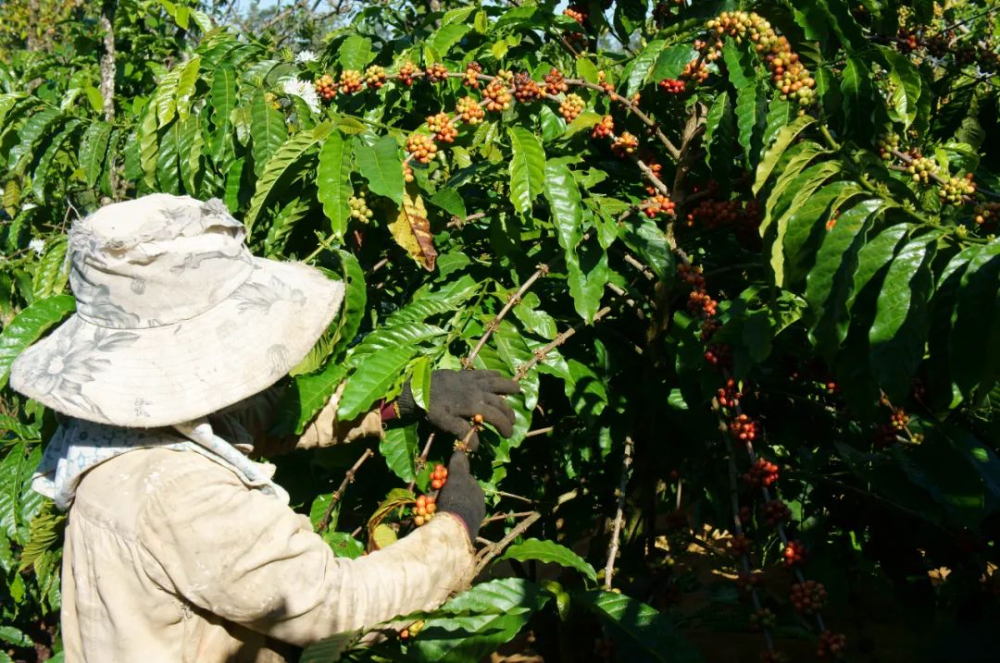
The 1960s marked a period of further expansion in Yunnan's coffee cultivation. After the founding of New China in 1952, large-scale cultivation was formally developed under the guidance of expert Ma Guojin from the Academy of Agricultural Sciences, with the harvest supplied to the Soviet Union. In the mid-1950s, the patriotic overseas Chinese Mr. Liang Jinshan also brought a batch of seeds back from Myanmar to Baoshan, pioneering coffee cultivation in the Lujiangba area. At that time Yunnan's varieties were all Typica and Bourbon variants, and the planted area reached as much as 50,000 mu.
Later, global coffee leaf rust devastated Yunnan, killing coffee trees on a large scale and drastically shrinking the planted area. By the 1980s, during the Reform and Opening Up era, Yunnan coffee gradually entered the international market. In 1988, foreign companies such as Nestle established branches in China and lent multi-faceted support to Yunnan's coffee industry: they introduced high-yielding, rust-resistant varieties like Catimor and promised to purchase Yunnan coffee beans as raw material at the going US futures price. These measures expanded the cultivation area and fired up the farmers' enthusiasm - but they also cemented Catimor as the replacement for the old Typica stock and made it Yunnan's dominant variety.

After the turn of the millennium, as China's industries boomed and specialty coffee culture spread domestically, Yunnan coffee moved toward more scientific selection, planting, harvesting, and processing. Today it is clear from media coverage alone that Yunnan coffee keeps making strides toward true specialization.
What are the characteristics of Yunnan small-bean varieties?
Before the 1980s, the varieties widely grown in Yunnan were two ancient Arabica types: Typica and Bourbon. "Small bean" simply refers to the smaller-sized Arabica seeds, in contrast to the larger Robusta beans grown in Hainan.

Typica offers rich and varied flavors - diverse fruit acidity and a delicate texture - and is widely recognized as a high-quality variety. The world-famous Blue Mountain and Hawaiian Kona coffees are both Typica. The trees are tall and reasonably cold tolerant, but yields per tree are low and resistance is weak: Typica is highly susceptible to leaf rust, coffee berry disease, and nematodes, so it demands far more labor. With little price advantage at market, many Yunnan farmers have chosen to replace it with higher-yielding varieties.
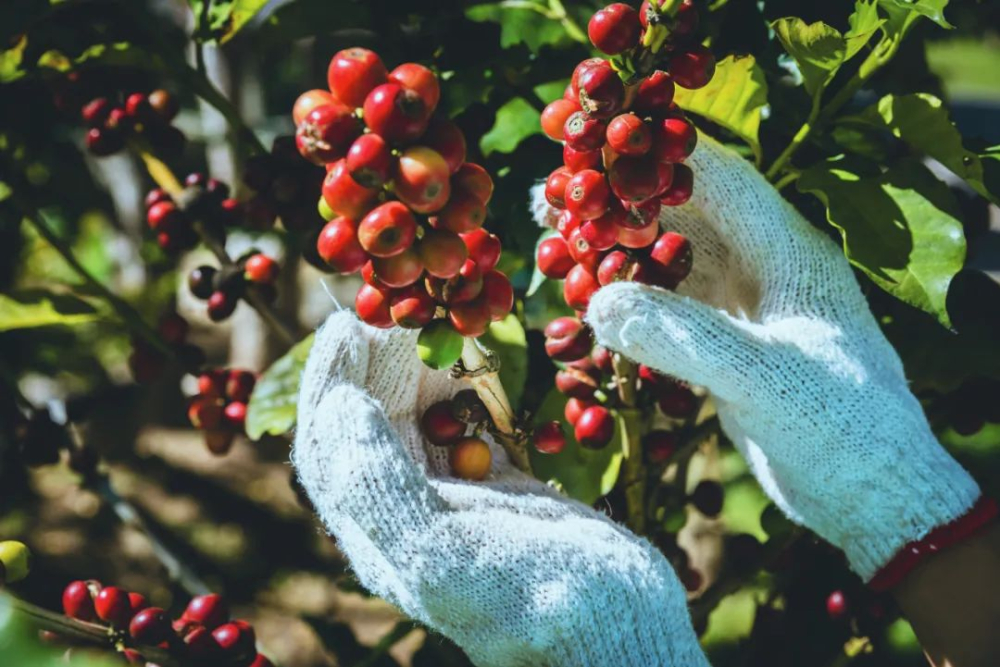
In 1995, the Yunnan provincial government formally included coffee cultivation in its "18 Projects" for biological resources, which greatly boosted farmers' enthusiasm and rapidly expanded the planted area. That same year, the Institute of Tropical Crops of the Yunnan Academy of Agricultural Sciences introduced a new disease-resistant, high-yield variety - Catimor - which was first planted in Xinzhai Village in the Nujiang River canyon.
Catimor 7963 is a hybrid developed by the Portuguese Tropical Research Institute (HCT) specifically to fight coffee leaf rust, with stable characteristics: a compact, dwarf tree form, many branches, and short fruit nodes. It grows vigorously with remarkable vitality, and its standout traits are exceptional rust resistance and high yields - which is why Yunnan farmers love it, and why more than 90% of Yunnan's coffee trees today are Catimor.
What grading system does Yunnan coffee use?
Although Yunnan has grown coffee for over a century, the industry is still maturing, and its grading system remains somewhat fragmented. In practice, Yunnan coffee is sorted against several standards at once: sieve size, color, cleanliness, aroma, and moisture content.
By sieve size - screens of 6.5, 6.0, 5.5, and 5.0 millimeters - green coffee falls into five grades:
Grade 1: 6.5 mm and above, full and complete grains
Grade 2: 6.0-6.4 mm, full and relatively uniform
Grade 3: 5.3-5.9 mm, fairly full but slightly less uniform
Grade 4: 5.0-5.4 mm, incomplete grains; complete grains account for more than 75%
Grade 5: Below 5.0 mm, incomplete grains; complete grains account for more than 30%

By color - lustrous light blue, light green, or light white beans are good; dark brown and dark orange are inferior:
Grade 1: Light blue, light green, light white, or light yellow, uniform color
Grade 2: Light blue, light green, light white, or light yellow, slightly inferior color
Grade 3: Light blue, light green, light white, or light yellow, clearly inferior color
Grade 4: Slightly yellow, small amount of brown
Grade 5: Variegated color
By cleanliness - free of impurities, or nearly so, is good:
Grade 1: More than 70% with silver skin removed, no impurities
Grade 2: More than 65% with silver skin removed, no impurities
Grade 3: More than 60% with silver skin removed, no impurities
By aroma: fermentation damage, a reddish or brownish tint, or any sour or off odor is a defect.
By moisture: water content must not exceed 12%.
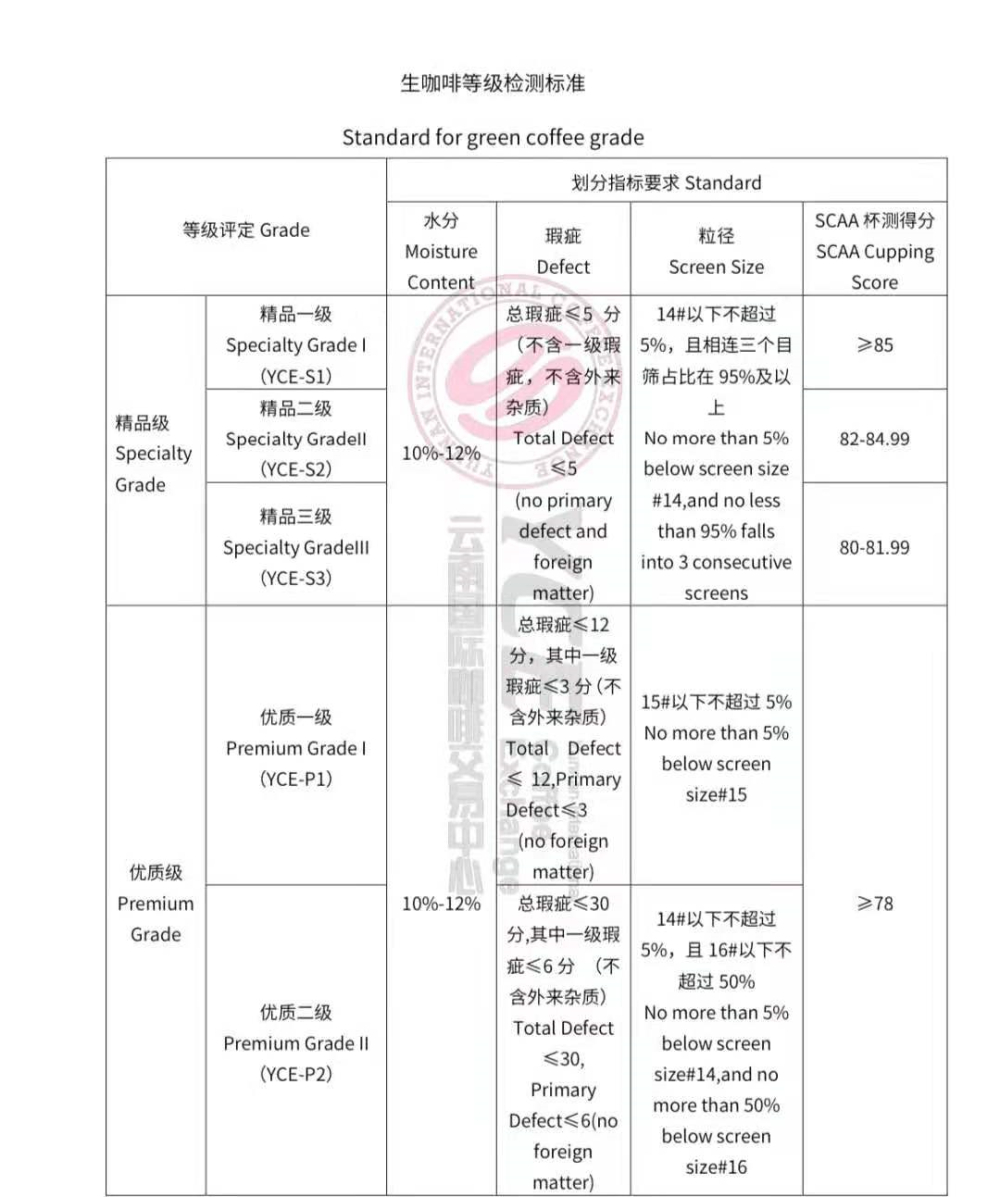
To protect the interests of farmers and coffee enterprises alike, and to give Yunnan coffee a stronger voice in the international market, Pu'er City established the Yunnan International Coffee Exchange (YCE). In 2019, drawing on the systems of the Specialty Coffee Association (SCA) and the Coffee Quality Institute (CQI), the YCE planned a new grading standard for traditionally washed Yunnan small-bean coffee, and farmers now grade and quote their lots against it.
Does FrontStreet Coffee also have Yunnan small-bean coffee?
Absolutely. FrontStreet Coffee not only roasts Yunnan small-bean coffee - it also grows it personally in Lincang, Yunnan. In fact, FrontStreet's growing venture predates its roasting. "Dazhen Coffee" was the predecessor of FrontStreet Coffee: the team first grew coffee in a Guangdong village called Dazhen. Only after the Catimor seedlings had grown to 20 centimeters did we truly grasp how variety, altitude, and processing interact in specialty coffee. After studying extensively, FrontStreet Coffee came to Yunnan to find suitable land. Site selection, variety selection, seedling cultivation, planting, harvesting, post-harvest processing... countless trials and errors later, we had accumulated hard-won experience with varieties, altitude, and processing methods.
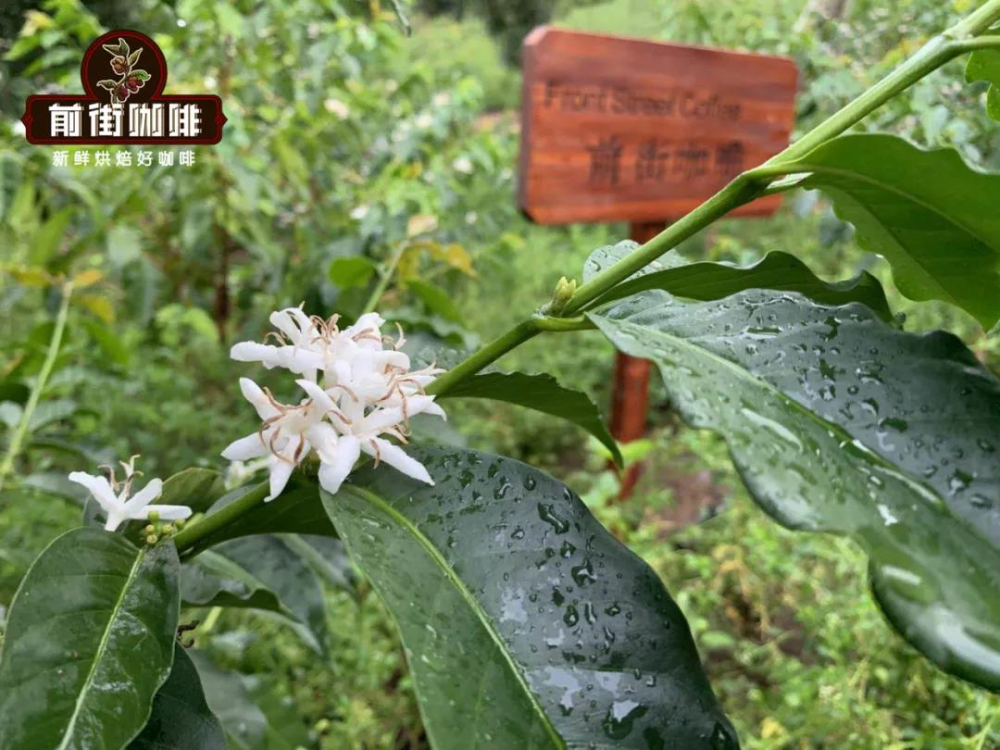
Lincang is influenced by warm, humid Indian Ocean air currents and the southwest monsoon. The four seasons are barely distinguishable, but the dry and rainy seasons are sharply defined. Rainfall is abundant, sunshine hours are long, frost periods are short - some areas never frost at all - and the distinctly layered vertical climate makes it ideal for Arabica. FrontStreet Coffee deliberately chose the most primitive variety, Typica. Typica offers elegant, pure flavors but is notorious for low yields and poor resistance, so we invested heavily in cultivation management. After 5-6 years of growing, we finally harvested the first crop in 2020, processed it as a natural, and named it "FrontStreet Coffee 2013".
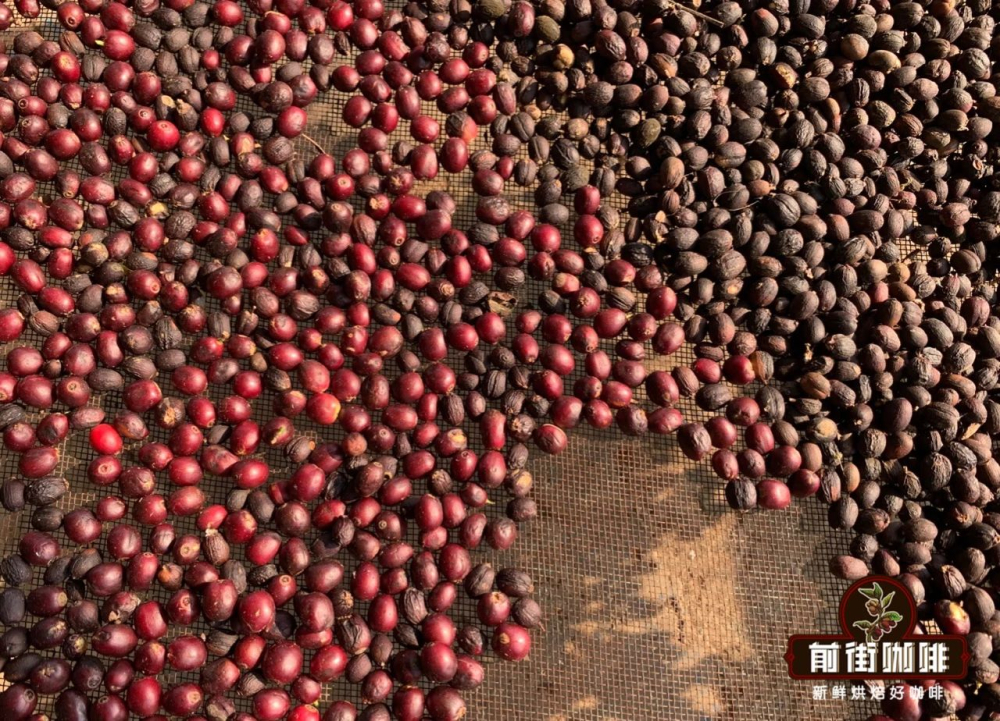
For this lot, FrontStreet Coffee uses natural drying. Natural processing requires little equipment - what it demands is even drying under continuous sunshine. We assign staff to turn the cherries regularly so that uneven heating cannot push them into over-fermentation. Once the cherries have darkened from bright red to deep purple and hit the target moisture content, they are sent for hulling and roasting. This year our coffee cherries are ripening once again, and we are speeding up picking and processing - soon everyone will be able to taste FrontStreet Coffee's new-season Typica.
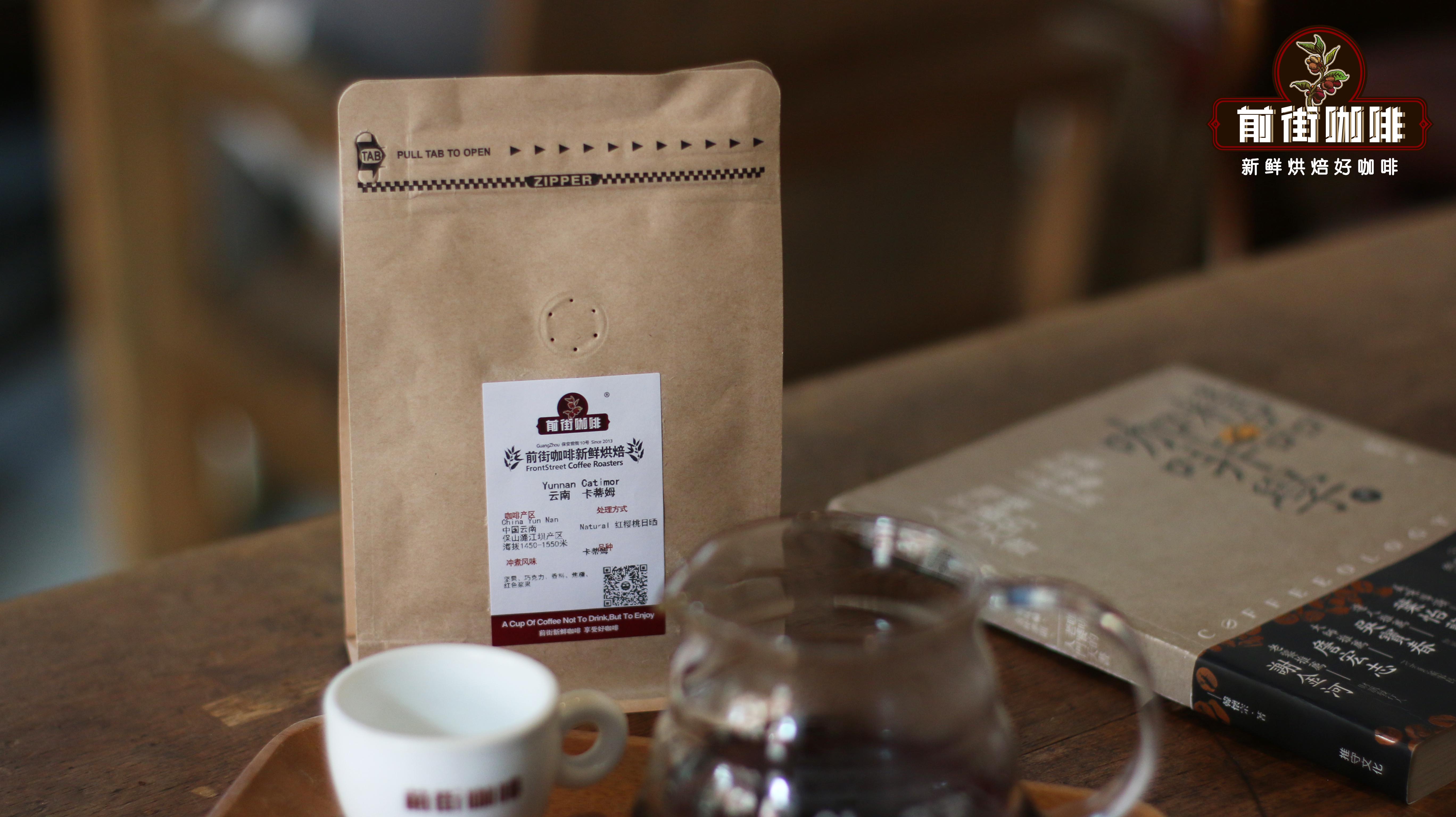
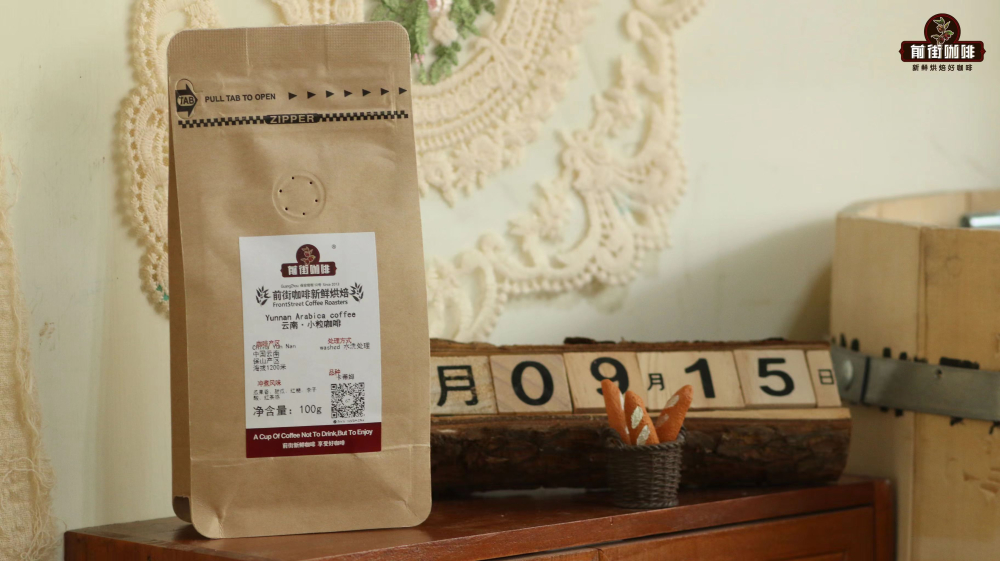
Besides the natural Typica, FrontStreet Coffee has also sourced a Catimor lot from the Baoshan region, chosen for how well it expresses Yunnan's regional flavor character. As part of FrontStreet Coffee's signature daily-bean series, this Yunnan small-bean coffee lets you taste the flavor of Yunnan at a very accessible price.
FrontStreet Coffee Yunnan Small Bean Brewing Parameters
Filter: Hario V60
Dose: 15g
Water temperature: 90 degrees Celsius
Grind size: 75% pass rate through #20 sieve
Water-to-coffee ratio: 1:15
Three-stage pouring: First pour twice the coffee dose in water to wet the bed, form a dome, and bloom for 30 seconds. Then use a small, steady stream to pour in circles from the center outward to 125g for the first stage. Once the coffee bed drops to half the height of the filter, continue with the same fine stream to 225g for the final stage. Remove the filter once all the liquid has drawn down, for a total brew time of about 2 minutes.

FrontStreet Coffee Yunnan small bean daily coffee flavor: A pronounced nutty aroma, with herbal, chocolate, and caramel notes on entry and a light fruit acidity in the finish. The cup is balanced overall, with good clarity.

FrontStreet Coffee 2013 Natural Typica flavor: The dry grounds offer caramel, nuts, and citrus. At high temperatures you get chocolate, fermentation notes, and berries; as the cup cools, plum acidity emerges, finishing sweet with black tea and sugarcane. Medium to high body, clear texture, rich and layered.
FrontStreet Coffee Recommendation
If you are just getting started with Chinese coffee, FrontStreet Coffee's Yunnan small bean from Baoshan is the natural first pick. Baoshan's frost-free, warm climate - especially the unique dry-hot valley of Lujiangba, with its big day-night temperature swings and moderate rainfall - gives the coffee its distinctive lingering sweetness. This lot is washed and roasted to a medium level: fermentation washes away the mucilage layer before drying, so the regional character shows through cleanly, with gentle nut and chocolate sweetness, a touch of caramel, a light plum acidity, and a balanced body at a friendly price.
For a clearer, more expressive taste of Yunnan, step up to FrontStreet Coffee's 2013 Yunnan Natural Typica, grown on FrontStreet's own estate from one of the oldest and purest Arabica varieties. Only fully ripe, all-red cherries are picked and sun-dried, then medium roasted to balance acidity and sweetness: dark berry tones, caramel sweetness, chocolate, a hint of dried apricot, a faint fermented winey note, and a black tea finish with a creamy aftertaste.
Prefer your Yunnan flavor as espresso? Try FrontStreet Coffee's Black Cocoa Blend, a combination of Yunnan small bean and Brazil Cerrado recommended by many baristas. The Brazil component supplies mixed-nut aroma and a balanced body, while the Yunnan component contributes chocolate and citrus. As an americano it balances sweet, sour, and bitter with nutty, brown-sugar notes; as a latte it is smooth with almond and cream - very beginner friendly.
Important Notice :
FrontStreet Coffee is a long-established specialty coffee roaster in Guangzhou China, selling freshly roasted beans from its own farm in Yunnan as well as dozens of carefully selected single-origin beans from around the world for both pour-over and espresso. The products deliver consistently excellent quality and great value, with shipping within 24 hours. Guangzhou's FrontStreet Coffee shop is recommended by many coffee lovers, and the beans are now available online at the Tmall 。
FrontStreet Coffee has moved to a new address:
FrontStreet Coffee Address: 315,Donghua East Road,GuangZhou
Tel:020 38364473
 Scan and follow the En Gafei WeChat official account. Please indicate that the reprint comes from "En Gafei".