
methods Learn more about methods
-
What are the different pour-over coffee brewing methods? What are the differences between four-six pour, volcano pour, one-knife flow, and three-stage stirring method? How to use them?

You may often see this statement online: different brewing methods will give coffee different characteristics. For example: some brewing methods can make the coffee sweeter, while others can make the coffee's texture richer... Actually, this statement is not an exaggeration, because...
2024-08-27 pour-over coffee brewing methods four-six pour volcano pour one-knife flow three-stage stirring method coffee brewing techniques -
Basics of Coffee Processing Methods - Understanding Washed, Natural, and Honey Processing in One Minute
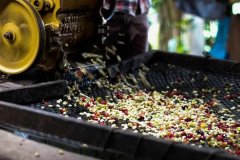
At FrontStreet Coffee, the variety of coffee processing methods we've encountered in our bean selection is truly diverse. Some of the newer processing methods include anaerobic fermentation, double anaerobic fermentation, and more. For example, FrontStreet Coffee's Huayuanye and Rose Valley from Colombia both undergo anaerobic processing, along with other barrel-aging methods. However, despite all these innovations, the three most common traditional processing methods in coffee remain fundamental to the industry.
2021-08-07 coffee processing basics normal one minute understand washed natural at FrontStreet Coffee drink -
What's the Difference Between Single-Pour and Three-Stage Pouring? Which Pouring Technique is Best for Pour-Over Coffee? How to Perfect the Single-Pour Method?

Many coffee enthusiasts are familiar with the "single-pour" brewing method, as it's often the first technique beginners encounter when learning pour-over coffee. Additionally, it's frequently compared to the three-stage pouring method, making it widely discussed in coffee circles. The single-pour technique involves dividing the target water amount into two pour segments for optimal extraction.
2025-02-01 single-pour three-stage pour pour-over coffee brewing techniques coffee extraction -
Pour-Over Techniques | Three-Stage Method, Stirring Method, Single-Pour Method, Drip Method, and Three-Temperature Method
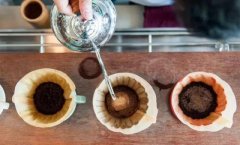
Today we introduce common pour-over coffee techniques: Several common methods include: Single-Pour Method, Three-Stage Method, Stirring Method, Drip Method, Volcano Pour, Meteorite Pour, Kohno Pour, Zigzag Pour, Three-Temperature Method, and many more. Despite such diverse pour-over styles, the goal remains the same: to brew a unique, exceptional cup of coffee while enjoying the experimental fun. To brew a perfect cup at home
2018-10-29 pour-over techniques three-stage stirring single-pour drip three-temperature -
Specialty Coffee Bean Processing Methods Coffee Refinement Methods
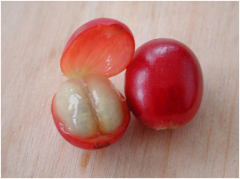
The fruit of the coffee tree contains a pair of elliptical seeds at its center, covered by outer skin, inner pericarp, and pulp. Mature fruit will spoil quickly without processing, so the purpose of refinement is to enable long-term storage of coffee beans, facilitating preservation and circulation. Figure (1) Coffee fruit After coffee cherries are harvested, they must be immediately processed
2025-06-21 specialty coffee beans processing methods coffee refinement fruit central pair -
What are the Process Steps of Honey Processing for Coffee Beans? How Do the Flavor and Taste Differ from Washed and Natural Processing Methods?
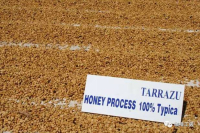
Professional coffee knowledge exchange - for more coffee bean information, please follow Coffee Workshop (WeChat official account: cafe_style). What is the honey processing process for coffee beans? What are the honey processing steps for coffee beans? What are the differences between washed and natural processing methods? Processing methods can be divided into three main categories: dry processing method, wet processing method, and semi-dry processing method.
2024-11-24 coffee beans processing process steps honey processing washed processing natural processing professional coffee knowledge -
What's the Difference Between Natural, Washed, Semi-Washed, and Semi-Dry Coffee Processing Methods? Do Washed Beans Have Silver Skin?
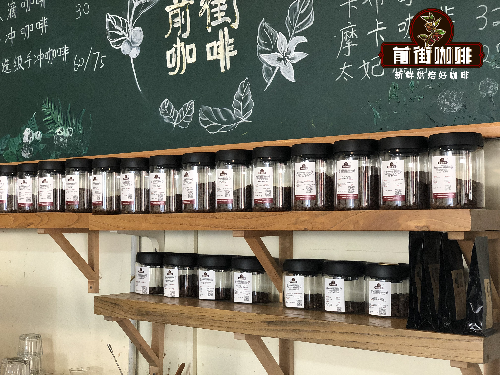
For more professional coffee knowledge and coffee bean information, please follow Coffee Workshop (WeChat official account: cafe_style). What are the differences between natural, washed, semi-washed, and semi-dry coffee processing methods? Do washed coffee beans have silver skin? I. Natural Processing: After coffee cherries are harvested, they are dried using natural drying methods. Originally bright red...
2025-06-26 coffee natural processing washed processing semi-washed semi-dry difference silver skin -
The Principles Behind the God's/Demon's Brewing Method Invented by World Brewing Champion Tetsu Kasuya! Sharing a Delicious Brewing Method for the Clever Dripper

To be clear, this is new in a different way! Early last year, the renowned world brewing champion of the coffee industry - Mr. Tetsu Kasuya - released a brand new brewing method on international video platforms. Because the coffee brewed using this method produces an astonishingly delicious flavor, Mr. Kasuya himself described it as "a taste exchanged with the devil through one's soul."
2024-03-27 coffee brewing Tetsu Kasuya world brewing champion clever dripper brewing method coffee techniques -
What Are the Common Coffee Extraction Methods? Espresso, Immersion, Drip, and Siphon!

FrontStreet Coffee often says that coffee is much like cooking—it has various 'cooking methods'! Even the same coffee bean can present completely different characteristics when extracted using different methods! Today, FrontStreet Coffee will break down some common extraction methods used in coffee making.
2023-12-11 coffee extraction methods espresso brewing immersion coffee drip coffee siphon coffee brewing techniques -
Arabica Bean Processing Method Green Bean Processing Semi-washed Processing Method Peru Washed Processing
The semi-washed method first removes the outer skin with water, then proceeds to sun-drying. This is a relatively new and quite rare method. This method is only suitable for specific regions in certain countries and requires a considerably long drying period. The coffee produced through this processing method is quite sticky, and the mucilage does not get removed through fermentation in the tanks. Therefore, this
2025-06-26 Arabica bean processing green washed drying method Peru semi-washed -
Besides the Three-Stage Method, What Other Brewing Techniques Do You Know?

Compared to other single-origin coffees, pour-over coffee brewing methods offer numerous varieties. For example:一刀流, three-stage method, volcano brew, variable temperature brewing, stirring, and more. Today let's explore some common brewing methods for pour-over coffee~
2023-09-24 coffee brewing methods pour over coffee hand drip coffee coffee techniques brewing styles -
The Three Main Processing Methods of Coffee Beans - Characteristics of Major Coffee Bean Processing Methods

Professional coffee knowledge exchange. For more coffee bean information, please follow Coffee Workshop (WeChat official account: cafe_style). FrontStreet Coffee - Coffee Processing Method Introduction. Coffee Processing - COFFEE PROCESSING. Coffee beans are the fruit of the coffee tree, which belongs to the Rubiaceae family as a perennial evergreen shrub or small tree. Coffee processing refers to the long and complex journey from coffee cherry picking to the raw green beans.
2020-02-23 coffee beans main processing methods three types major characteristics introduction -
How Many Coffee Bean Processing Methods Are There? Flavor Stories and Characteristics of Coffee Processing Methods
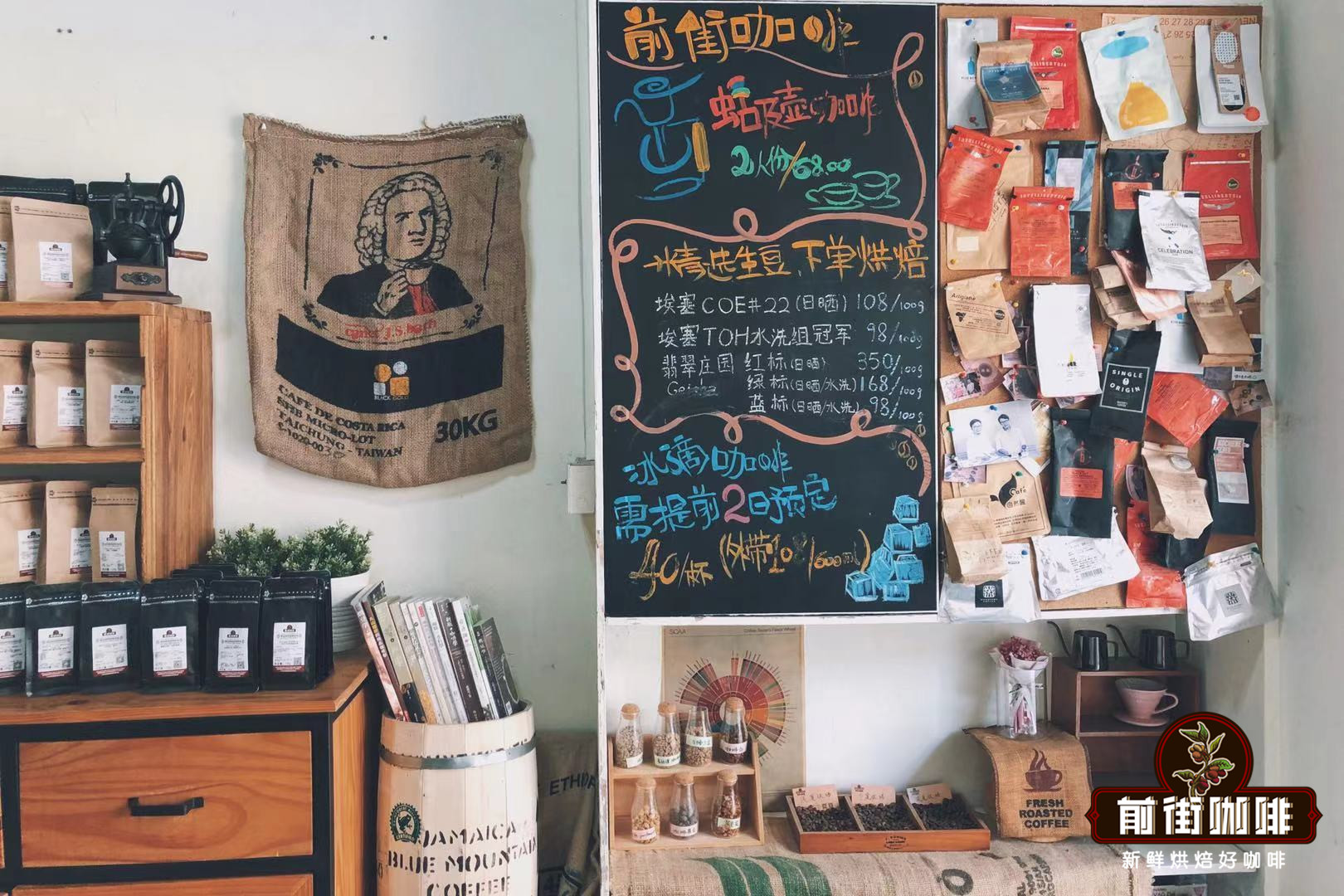
A. Washed/Unwashed Methods: Washed method: After removing pulp and mucilage through water flow and tool friction in water tanks, then drying, resulting in washed coffee beans with uniform quality. Unwashed method: Naturally dried in sunlight, then removing pulp and skin with a hulling machine, resulting in unstable quality. B. Flat Bean/Round Bean The coffee fruit consists of
2024-12-02 coffee beans processing method technique introduction types -
Four-Six Method Pour-Over Coffee: Grind Size, Time Parameters & Principles

The specific operations of the "Four-Six Method" have been largely made public (as will be outlined below). As the brewing technique of past World Coffee Brewers Championship winners, this method has generated considerable discussion and learning interest. The "Four-Six Method" is an exceptionally easy-to-understand and practical brewing approach.
2022-03-21 pour-over coffee brewing method grind size brewing parameters Four-Six Method -
The One-Pour Brewing Method Invented by a World Champion, Surprisingly Simple

"Hmm? Why does your one-stream pour have a pre-infusion bloom at the beginning? Shouldn't you pour all the way through in one go?" "Oh! What you're referring to isn't the one-stream method. The one-stream method divides the brewing process into two stages. What you're describing—pouring all at once—is another brewing invention by Tetsu Kasuya, the inventor of the 4:6 brewing method, called the 'One...'"
2023-10-28 coffee brewing one-pour method world champion Tetsu Kasuya 4:6 brewing method coffee techniques -
How to Brew Coffee with a Switch? How to Use Tetsu Kasuya's Smart Glimpse Four-Six Method? How to Make Pourover Coffee with Hybrid Brewing Methods?

"Absolutely delicious!" This is how Mr. Tetsu Kasuya introduces the coffee brewed with his improved hybrid brewing method at the beginning of his earlier video. (Please call me a screenshot genius) FrontStreet Coffee believes everyone should already be quite familiar with Tetsu Kasuya. He is not only the 2016 World Brewers Cup Champion, but also...
2025-08-10 switch brewing tetsu kasuya smart glimpse four-six method hybrid brewing pourover coffee -
How Many Coffee Bean Processing Methods Are There? What Is Low-Temperature Natural Coffee Processing and Is It More Advanced Than Regular Natural Processing?

Professional coffee knowledge exchange. For more coffee bean information, please follow Coffee Workshop (WeChat public account: cafe_style). FrontStreet Coffee - Introduction to Three Major Coffee Processing Methods. Natural Processing Method: The cheapest and simplest traditional coffee bean processing method, which requires drying the entire coffee cherry. To this day, regions such as Ethiopia and Brazil still use this traditional method to process
2020-02-07 coffee beans processing methods several low temperature natural what is advanced professional -
Why Does the 4:6 Brewing Method Require Five Pour Stages?
Often, a work becomes more famous than its creator—think of the Mona Lisa and da Vinci, or the 4:6 brewing method and Mr. Tetsu Kasuya. That's why whenever we mention Mr. Tetsu Kasuya, we always introduce him as the inventor of the 4:6 brewing method! Today, we're going to share about the 2016 World Brewers Cup
2023-12-10 4:6 brewing method coffee brewing Tetsu Kasuya pour over coffee World Brewers Cup -
Main Coffee Bean Processing Methods: Washed Processing Means Clean Coffee
Professional coffee knowledge exchange. For more coffee bean information, please follow Coffee Workshop (WeChat official account: cafe_style). FrontStreet Coffee - Introduction to Coffee Processing Methods. Washed Processing (Washed): After depulping, the coffee undergoes fermentation and at least three screenings, resulting in minimal residual mucilage, shortest drying time, clean flavor, high acidity, and low defect probability. Processing method: After harvesting ripe coffee cherries...
2020-02-24 coffee beans main processing methods washed processing clean coffee -
How Many Coffee Bean Fermentation Methods Are There: A Comparison of Three Coffee Bean Processing Methods
Professional coffee knowledge exchange For more coffee bean information Please follow Coffee Workshop (WeChat official account: cafe_style) FrontStreet Coffee - Coffee Processing Method Introduction 1. Dry Process The dry process is a traditional coffee bean processing method, where harvested fruits need to be naturally sun-dried, sometimes with mechanical drying simultaneously. The process is: Harvesting Sun-drying field (sun exposure) Huller (removing pulp, etc.)
2020-02-18 coffee beans fermentation methods how many three types processing comparison introduction
Editor's Pick Today

Most Read This week
Hot Tags
-
drip coffee
Blue Mountain Coffee
Specialty coffee beans
moka pot
Flat white coffee
Coffee Latte
iced drip coffee
ICE-DRIP
Water Drip Coffee
ice drip coffee
Dutch Coffee
Huakui coffee
Yunnan Coffee
hand ground coffee
ground coffee
Yirgacheffe
pour-over coffee
geisha coffee
coffee bean
Coffee website
You May Like
- Guatemala | Huehuetenango | Finca El Injertal Mixed Variety Washed
- How Many Classifications Are There for Gesha Coffee Beans? What Do the Different Grades Like Gold Label, Red Label, Green Label, and Blue Label Mean?
- Are Cold Brew and Cold Drip the Same Thing? Recommended Single-Origin Coffee Beans for Cold Brew
- How to make bubble ice American so that it will not spill over? Share 5 tips for making bubbly coffee! How to make cold extract sparkling coffee? Do I have to add espresso to bubbly coffee?
- luckin Coffee Calorie Ranking - Luckin New Product Review: Are the Green Grape Oat Latte and Thick Milk Latte Delicious?
- Washed Geisha vs Natural Geisha: Flavor Differences Between Panama Hacienda La Esmeralda's Washed and Natural Geisha
- Natural Geisha Comparison: What's the Difference Between Panama Hacienda La Esmeralda's Natural Blue Label and Green Label?
- Yirgacheffe Coffee Bean Grading Standards, Variety Characteristics, Flavor Description, Growing Regions, and Pour-Over Coffee Taste Profile