Basics of Coffee Processing Methods - Understanding Washed, Natural, and Honey Processing in One Minute
The Diversity of Coffee Processing Methods at FrontStreet Coffee
At FrontStreet Coffee, we have run into a remarkable range of processing methods among the beans we have tasted. Some of the newer ones include anaerobic processing and double anaerobic processing — FrontStreet Coffee's Huayuanye and Rose Valley coffees from Colombia, for instance, are both anaerobically processed — along with methods such as barrel processing.
For all these innovations, however, the three most traditional processing methods remain the most widely used. Coffees like Yirgacheffe, Blue Mountain and Geisha are predominantly washed.
The Three Traditional Coffee Processing Methods
The three traditional methods are:
Traditional sun-dried method (Natural)
Traditional fully washed method (Washed)
Hybrid methods between sun-dried and washed:
Including semi-washed, Brazilian pulped natural (PN), honey processing and others.
Every processing method ends with green coffee beans, which must then be selected and graded before sale, with different grades commanding different prices.
Any processing method must have three essential qualities: it has to be monitorable, stable and repeatable. Methods have become increasingly diverse today, with international buyers and green coffee suppliers demanding more variety in quality, flavor and uniqueness, and it is fascinating that fruit harvested from the same tree can show different flavor profiles depending on how it is processed. Even subtle changes in the processing steps, or a minor adjustment to fermentation time, can lead to significantly different flavors.
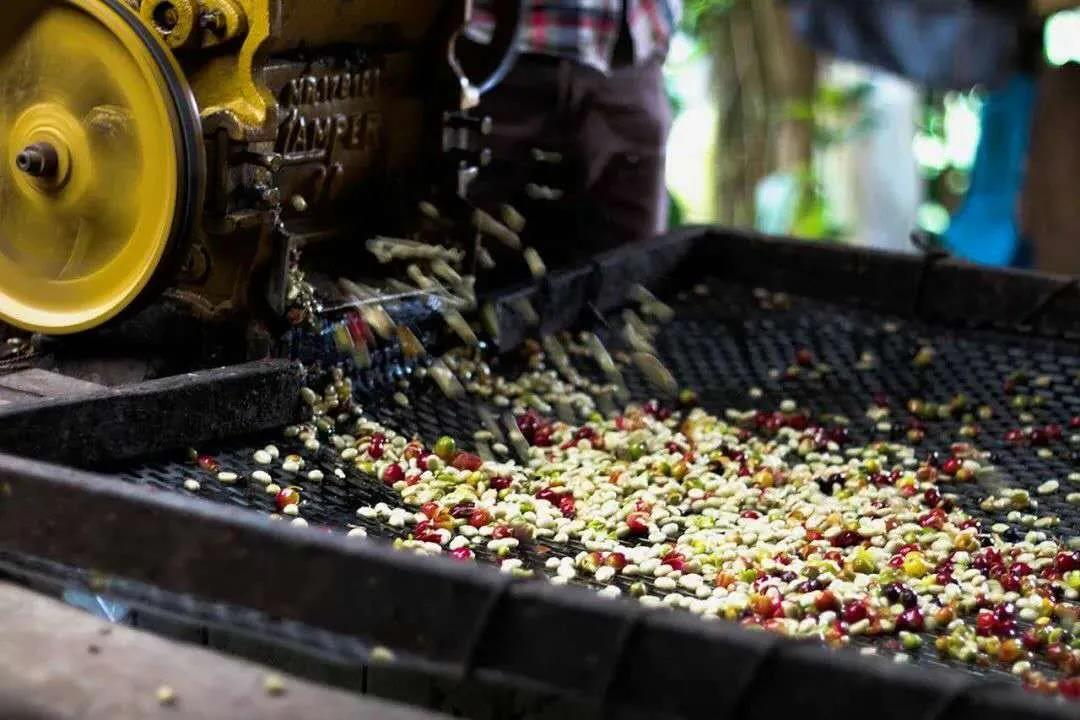
Flavor Profiles of the Three Major Processing Methods
The main flavor characteristics of the three major processing methods are as follows:
Sun-dried: lower acidity, more prominent sweetness, distinct texture, slightly lower clarity
Washed: more pronounced acidity, better clarity, medium texture, the most consistent quality in the green beans
Honey or PN: medium acidity, better sweetness than the washed method, better clarity than the sun-dried method, medium texture
Among the three, the washed method offers the best stability and produces coffee with higher acidity. The sun-dried method produces the sweetest coffee, while honey processing falls somewhere in between. These are only general rules, of course. Coffee processing has advanced considerably in recent years, and award-winning beans or famous estate coffees often include washed lots with exceptional sweetness and texture, or sun-dried lots with outstanding clarity. Even so, the correlation between processing methods and flavor profiles described above remains a valuable reference point.
FrontStreet Coffee Recommendation
The clearest way to understand processing is to taste the same region three ways. The FrontStreet Washed Yirgacheffe shows what washed processing does best: white jasmine, bright citrus and lemon acidity and a tea-like body, clean and consistent, and at a price that makes it the natural starting point for Ethiopian coffee.
The FrontStreet Yirgacheffe Gudingding Cooperative goes one step further into traceability. From the Gudingding cooperative in the Woka district, it follows traditional washed processing and delivers the same jasmine florals and lemony citrus with the extra precision of a single cooperative behind it. Set against these, the FrontStreet Natural Red Cherry is the same region processed as a natural, picking only fully ripe fruit and drying it on raised beds, which trades a little clarity for berry juice, honeyed sweetness and a creamy texture — the sweet, fruit-forward side of the natural method described above.
Important Notice :
FrontStreet Coffee is a long-established specialty coffee roaster in Guangzhou China, selling freshly roasted beans from its own farm in Yunnan as well as dozens of carefully selected single-origin beans from around the world for both pour-over and espresso. The products deliver consistently excellent quality and great value, with shipping within 24 hours. Guangzhou's FrontStreet Coffee shop is recommended by many coffee lovers, and the beans are now available online at the Tmall 。
FrontStreet Coffee has moved to a new address:
FrontStreet Coffee Address: 315,Donghua East Road,GuangZhou
Tel:020 38364473
 Scan and follow the En Gafei WeChat official account. Please indicate that the reprint comes from "En Gafei".