What are the Process Steps of Honey Processing for Coffee Beans? How Do the Flavor and Taste Differ from Washed and Natural Processing Methods?
Coffee Bean Processing Methods: The Three Major Categories

Coffee processing falls into three broad groups: natural processing (the dry method), washed processing (the wet method), and honey processing (the semi-dry method). Below, FrontStreet Coffee explains each in detail.
Method One: Natural Processing / Dry Method
This is the ancient method commonly known as "natural processing." Simply put, harvested coffee cherries are stripped of no layers at all and exposed directly to sunlight until the bean's moisture content drops to 10.5-12%. With enough sunlight, this method saves the most energy. If sunlight is insufficient, or for other reasons, drying machines may be used for all or part of the process.
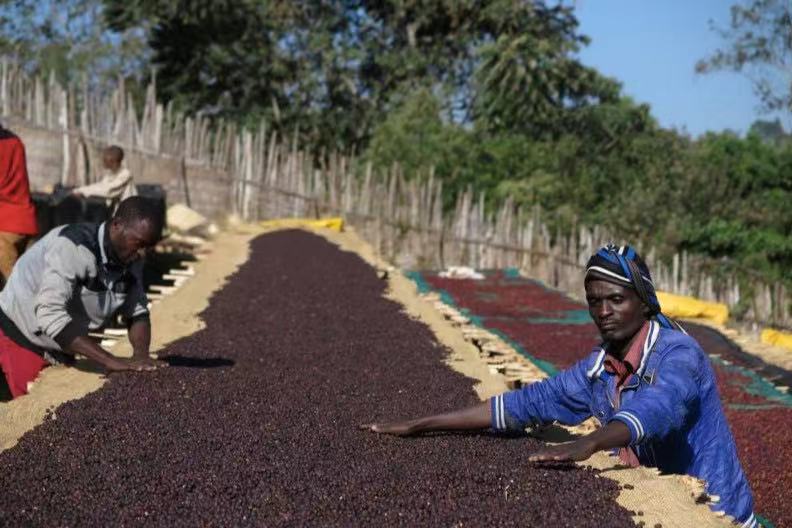
Because drying does not necessarily require sun exposure, it is professionally called the "dry processing method" rather than the "sun-drying method." Sun exposure remains the mainstream, of course. Major producers like Ethiopia, Yemen, and Brazil use natural processing for over 80% of their output, and many other countries adopt it too, especially in water-scarce regions.
Additional Notes on Dry Processing
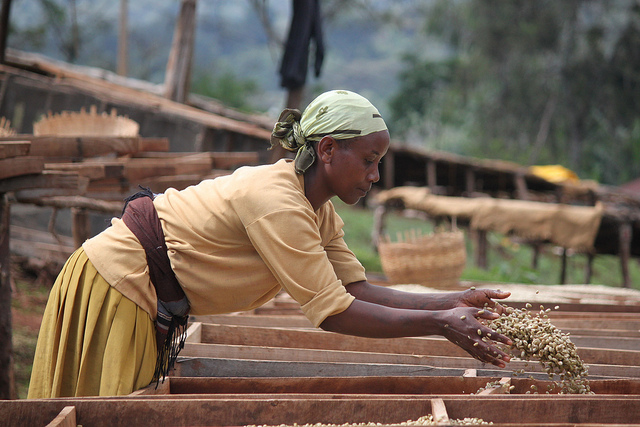
With sun-drying, the process typically takes 2-4 weeks or even longer, depending on the weather and the flavor profile sought. During drying, careful attention is needed to avoid excessively high temperatures while preventing mold or off-flavors from over-fermentation.

If drying machines are used, variables are easier to control and drying is faster than sun-drying, but machine and energy costs rise and the flavor is usually inferior to beans dried entirely by natural means. Dried natural cherries are typically stored with all their protective layers intact until shipping, when the outer layers are removed mechanically - a step called dry milling.
The duration and temperature of drying affect flavor to varying degrees. In strong sunlight and drier environments, without special control, the mucilage may dry out before fermentation completes, so the fruit notes and sweetness that moisture and slight fermentation bring to the bean never develop. Such beans lack distinctiveness, much like most commercial Brazilian beans - one reason natural-processed beans once had a poor reputation. If the drying time is extended with appropriate temperature control, however, allowing the cherries to ferment slightly, the beans develop diverse fruit aromas.
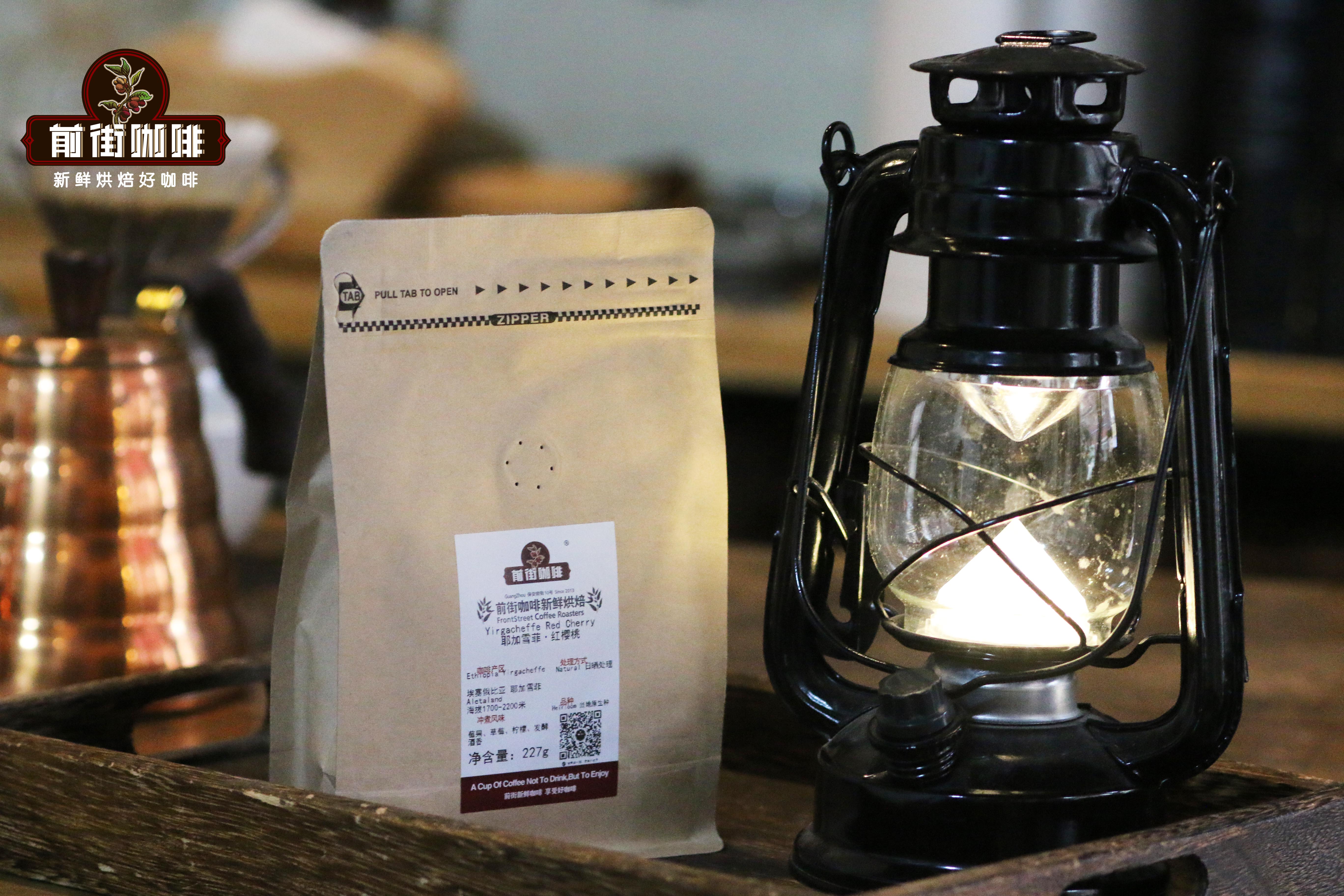
After cupping many natural-processed beans, FrontStreet Coffee has found that properly sun-dried beans from whole coffee cherries usually show complex fruit aromas with gentle fermentation notes, a smooth overall mouthfeel, and noticeable sweetness.
Method Two: Washed Processing / Wet Method
This is the commonly known "washed method," developed by the Dutch in the 18th century. They developed it because their colonies (like Java) were humid and rainy with inconsistent sunlight, making natural processing difficult - and in that era drying machines likely did not exist. The traditional approach: first remove the cherry's outer skin and pulp, then place the parchment beans with their adhering mucilage into water tanks to ferment, letting the sugars in the mucilage break down and the viscosity disappear. Next, rinse all residue off the parchment with clean water, then dry. Without skin, pulp, and mucilage, drying time drops significantly.

Additional Notes on Wet Processing
Fermentation completion time varies from 12 hours to 6 days depending on temperature, yeast quantity, and method. The Kenyan washing method, for example, requires multiple fermentation and rinsing cycles and takes several days.
Knowing when to stop fermentation is a crucial key to the washed method. If fermentation is incomplete, the mucilage is hard to wash clean; if it goes too far, the coffee picks up sour, off-flavors.
Traditional washed methods need large amounts of clean water to rinse the parchment, which easily pollutes the environment. Industrial technology has since introduced solutions such as filtering and recycling water, or replacing water rinsing with friction machines - both significantly reducing water use. This is why it is professionally called the "wet processing method" rather than the "washed method."
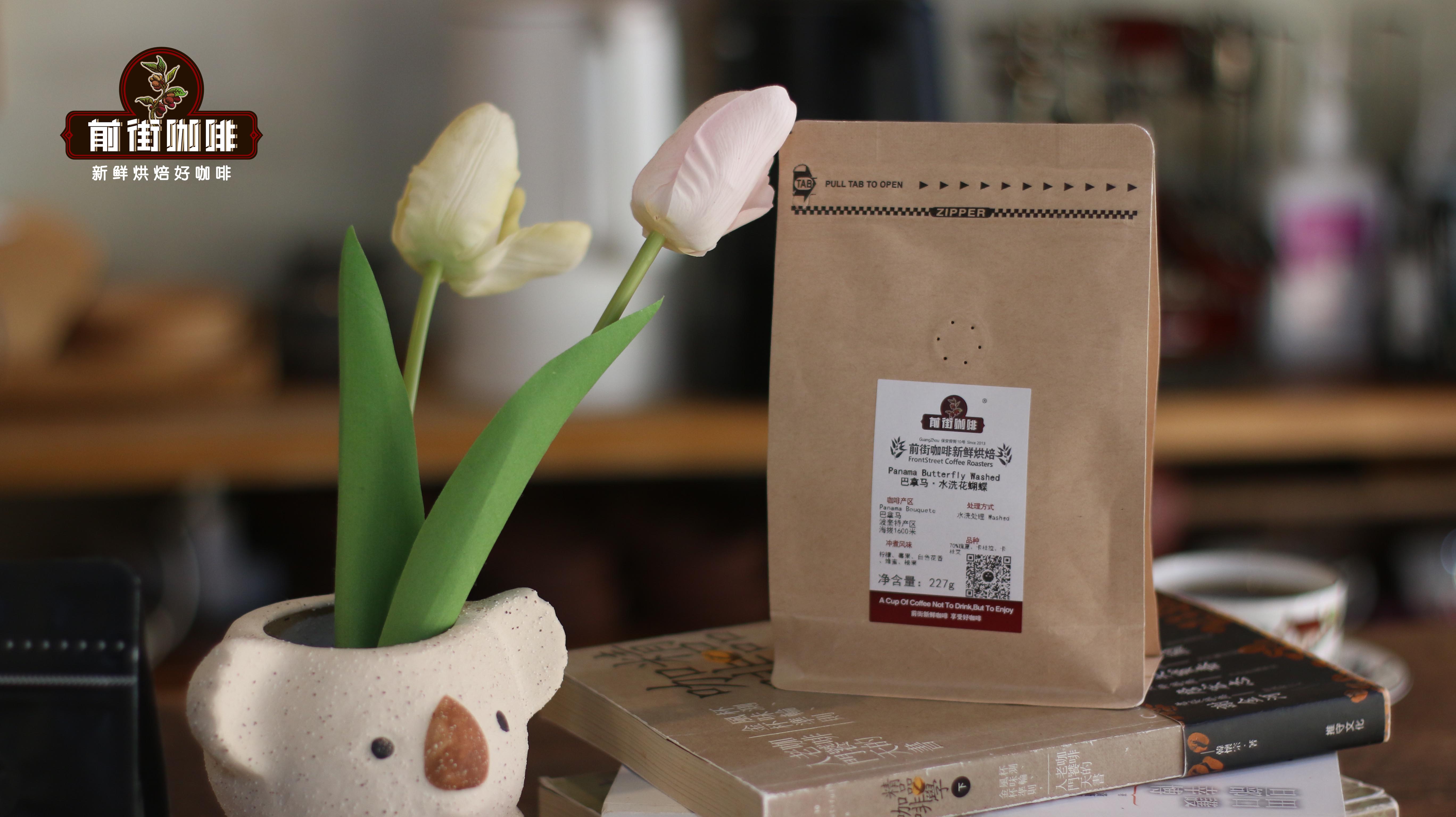
Wet-processed coffee has a characteristic: some acids produced during mucilage fermentation enter the bean, and because no pulp or mucilage remains on the parchment during drying, it lacks the distinctive fruit notes of natural-processed coffee. The flavor tends toward clean and bright, with more noticeable acidity.
After cupping many washed coffees, FrontStreet Coffee has found that the fermentation step leaves the overall character very clean and bright, and that this method truly tests a bean's quality. FrontStreet Coffee believes a bean's quality is fully revealed under washed processing, which can effectively express the unique flavors of its growing region.
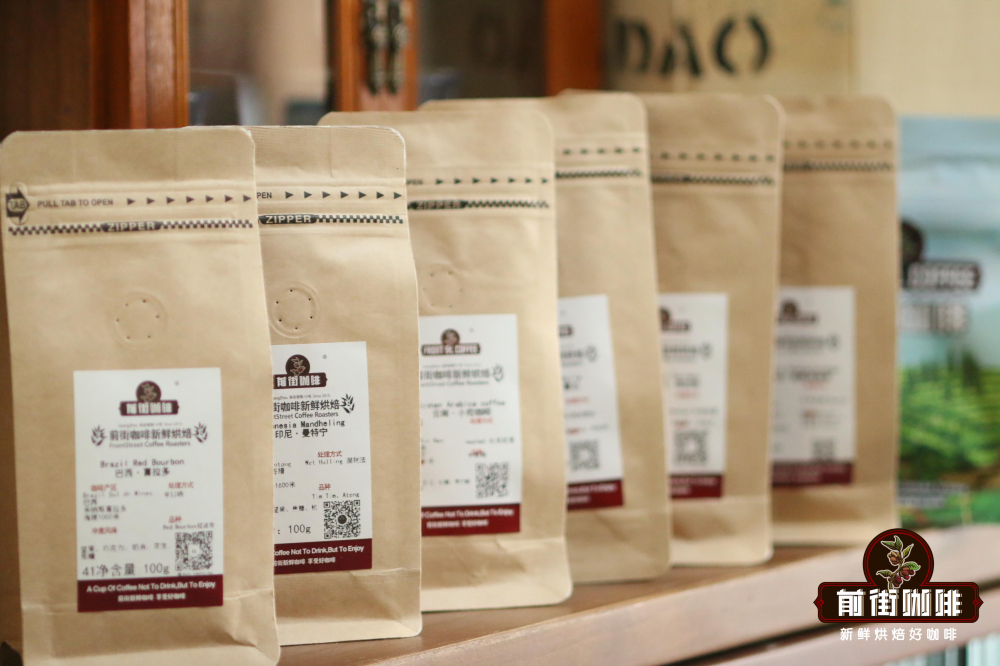
Among the many beans FrontStreet Coffee offers is a series of selected daily coffees from various regions. Except for Brazil and Indonesia, where conditions don't allow washed processing, the daily beans from five other regions - Ethiopia, Guatemala, Colombia, Costa Rica, and Yunnan - are all washed. We hope friends can learn the basic flavors of popular growing regions in the most cost-effective way.
Method Three: Semi-Dry Processing
This sits between dry and washed processing and can be divided into two categories: pulped natural and honey processing. Both are fundamentally similar - both first remove the cherry's outer skin as in wet processing, but skip the "tank fermentation and clean-water rinsing" of the wet method and go straight to sun-drying. Although the methods look similar, one important difference creates two distinctly different flavors, worth explaining separately.

(A) Pulped Natural
This method was developed in the 1980s-90s by Pinhalense, a Brazilian coffee equipment manufacturer. After numerous experiments, Pinhalense developed the modern depulper (also called a pulp separator), which extracts seeds from ripe cherries by squeezing, uses high-pressure washing machines to remove as much mucilage as possible, then dries the beans to the desired degree.
Without fermentation, the risks of both over- and under-fermentation are reduced, making bean quality more consistent. Precisely because this step is missing, however, the flavor tends to be somewhat monotonous, so high-quality coffee is rarely processed this way. Pulped natural uses much less water than washed processing, and combines aspects of the wet method (removing skin and pulp) with aspects of the dry method (no tank fermentation), which is why it is also called the semi-washed method. One or two companies in Brazil and Colombia hold patents on high-pressure automated cleaning equipment, creating a near-monopoly in that market.
(B) Honey Processing
Honey processing (often written "honey process" in English) is partly an improvement on pulped natural. It is popular today in Costa Rica and El Salvador and has gradually spread across Central America and to coffee-producing countries worldwide. The name comes from intentionally retaining some mucilage - the "honey" - on the beans during drying.
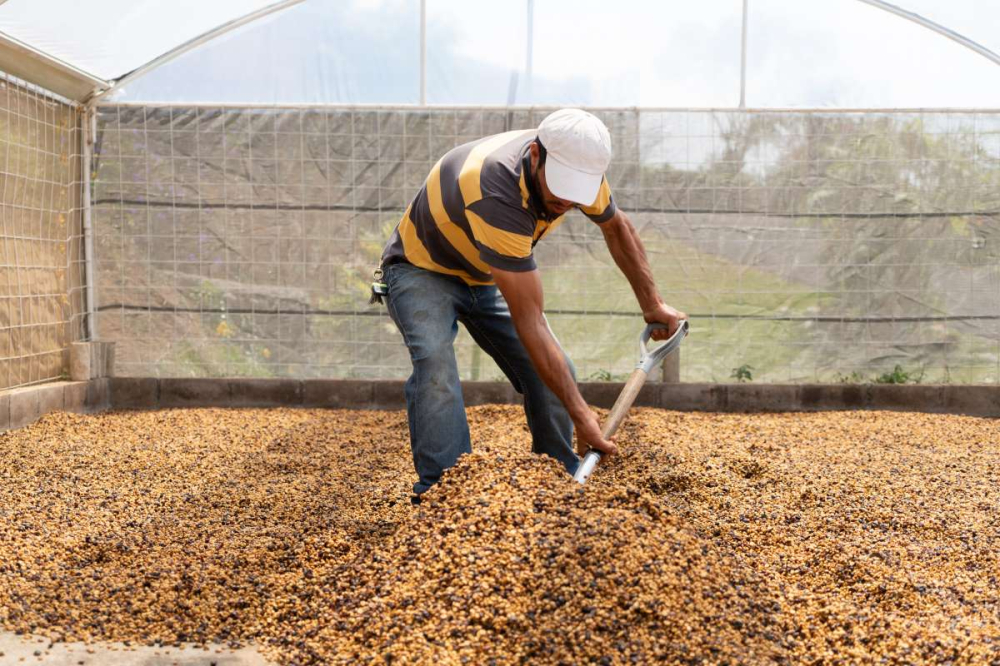
Its origin and method are as follows. In the 1990s, Costa Rica developed the demucilager to replace Brazil's depulper. The difference between the two machines: the demucilager can adjust pressure and aperture size, allowing it to retain part or all of the mucilage while removing the skin. The beans are then sun-dried with the mucilage on - and beans with mucilage cannot use machine-assisted drying, so they must bear the risk of over-fermentation or mold.
During drying, the mucilage ferments briefly, adding some acidity to the beans, while some sugars seep into the bean, giving the coffee a little more sweetness - something Brazil's pulped natural lacks. Some processors even label their coffee 40%, 60%, 80%, or 100% honey based on mucilage retention, though such claims should be viewed with skepticism since that precision is practically impossible.
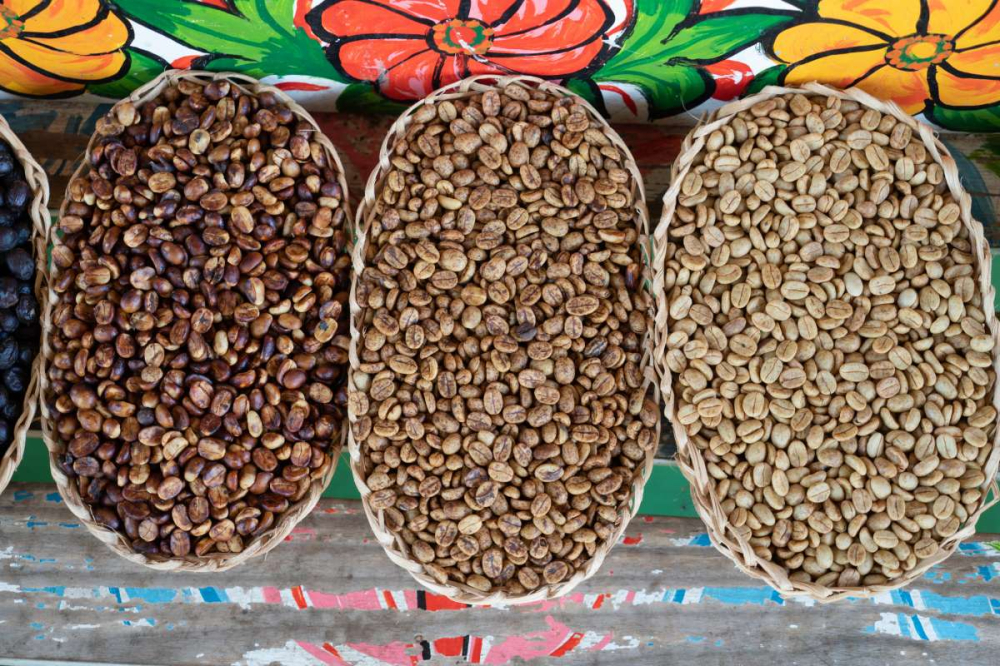
Today, more popular terminology uses colors instead of percentages: black honey, red honey, yellow honey, and white honey. The more mucilage retained, the darker the dried bean's color and the closer the flavor moves toward natural-processed coffee.
After cupping many honey-processed beans, FrontStreet Coffee has found that compared with natural processing, honey-processed beans have more noticeable fermentation aromas reminiscent of fruit wine and are also distinctly sweeter.
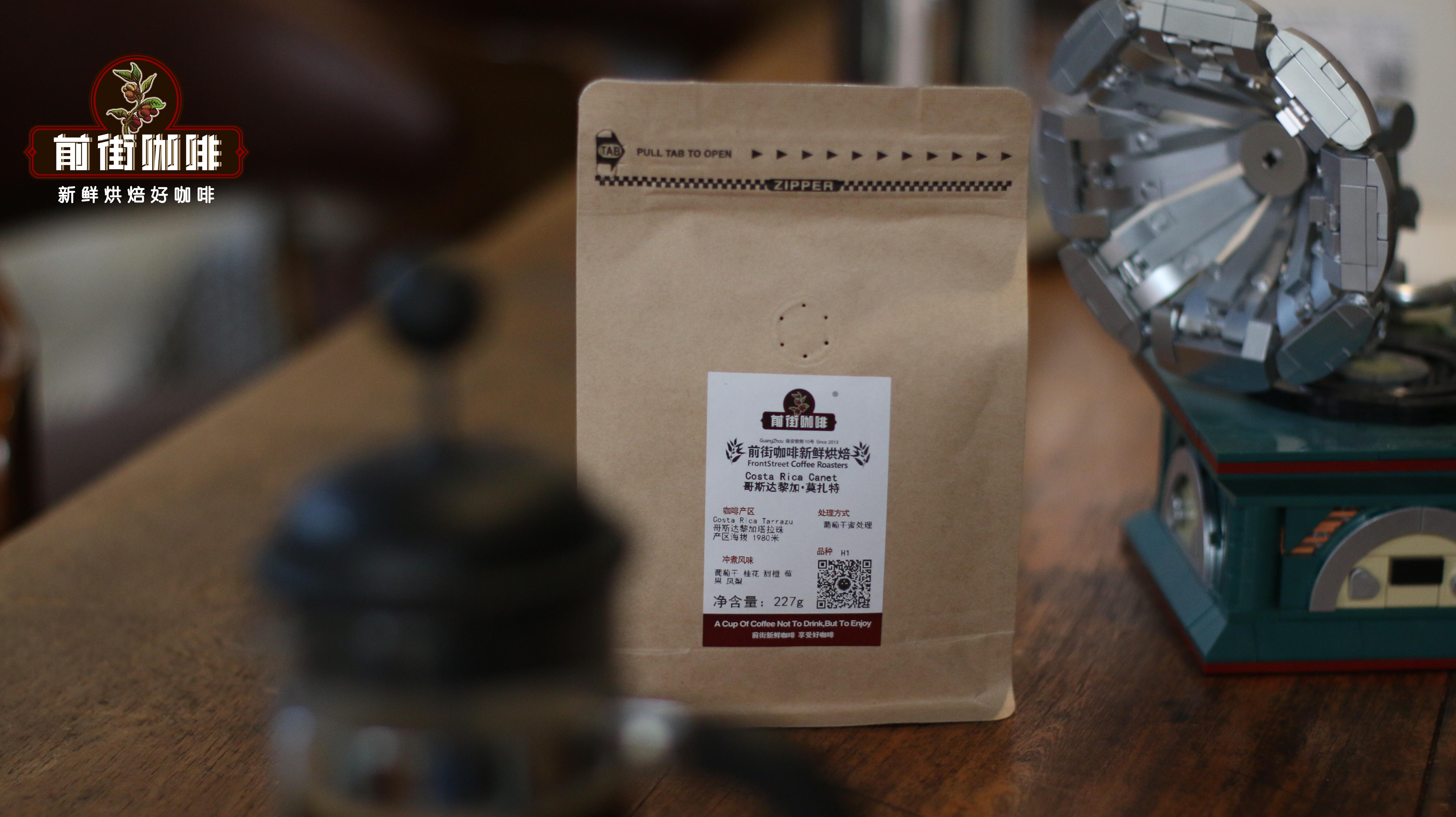
Acidity and noticeable fermentation notes are not for everyone. For those new to coffee, FrontStreet Coffee recommends starting with natural-processed coffee, which is much gentler and more balanced overall.
FrontStreet Coffee Recommendation
If the semi-dry methods above have made you curious, Brazil is where pulped natural was perfected. FrontStreet Brazil Cerrado Red Bourbon is a classic single-origin Brazilian bean from the well-known Cerrado region, roasted medium so that cream peanut, toast, caramel, and hazelnut aromas come forward with a round, low-acid cup and a faint bitterness. It works for pour-over as well as moka pot, espresso, siphon, and French press.
For the yellow-fruit side of the Bourbon family, FrontStreet Brazil Queen Farm is grown in Mogiana on fertile red volcanic soil and is a rare Yellow Bourbon, producing a cleaner fruit character, the sugarcane-like sweetness found nowhere else, and notes of fruit and chocolate across pour-over, moka pot, and home espresso machine.
Important Notice :
FrontStreet Coffee is a long-established specialty coffee roaster in Guangzhou China, selling freshly roasted beans from its own farm in Yunnan as well as dozens of carefully selected single-origin beans from around the world for both pour-over and espresso. The products deliver consistently excellent quality and great value, with shipping within 24 hours. Guangzhou's FrontStreet Coffee shop is recommended by many coffee lovers, and the beans are now available online at the Tmall 。
FrontStreet Coffee has moved to a new address:
FrontStreet Coffee Address: 315,Donghua East Road,GuangZhou
Tel:020 38364473
 Scan and follow the En Gafei WeChat official account. Please indicate that the reprint comes from "En Gafei".