
Besides the Three-Stage Method, What Other Brewing Techniques Do You Know?
Compared with other single-origin brewing styles, pour-over coffee offers an unusually wide range of techniques: the one-knife flow, the three-stage method, the volcano pour, variable-temperature brewing, the stirring method, and more. In this article, let's walk through some of the most common pour-over brewing methods.
1. One-Knife Flow Method
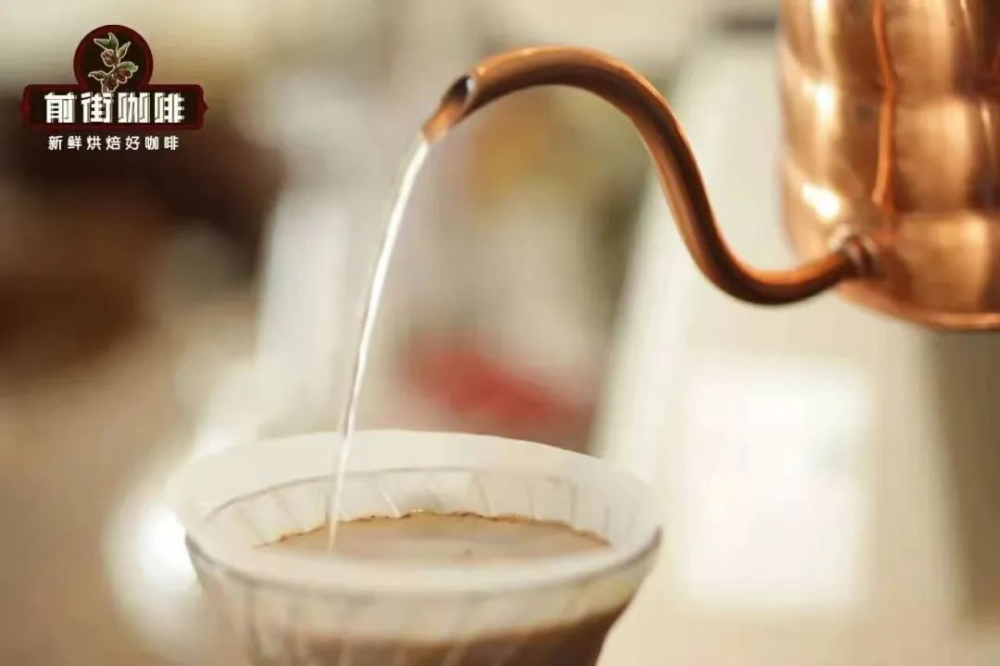
The one-knife flow method is not the same as the one-pour method. The one-pour method pours the entire target volume of water in a single go, whereas the one-knife flow splits the brew into two stages: a bloom first, then all of the remaining water poured at once. Because the logic and technique are so simple, you will see this method used in many places.
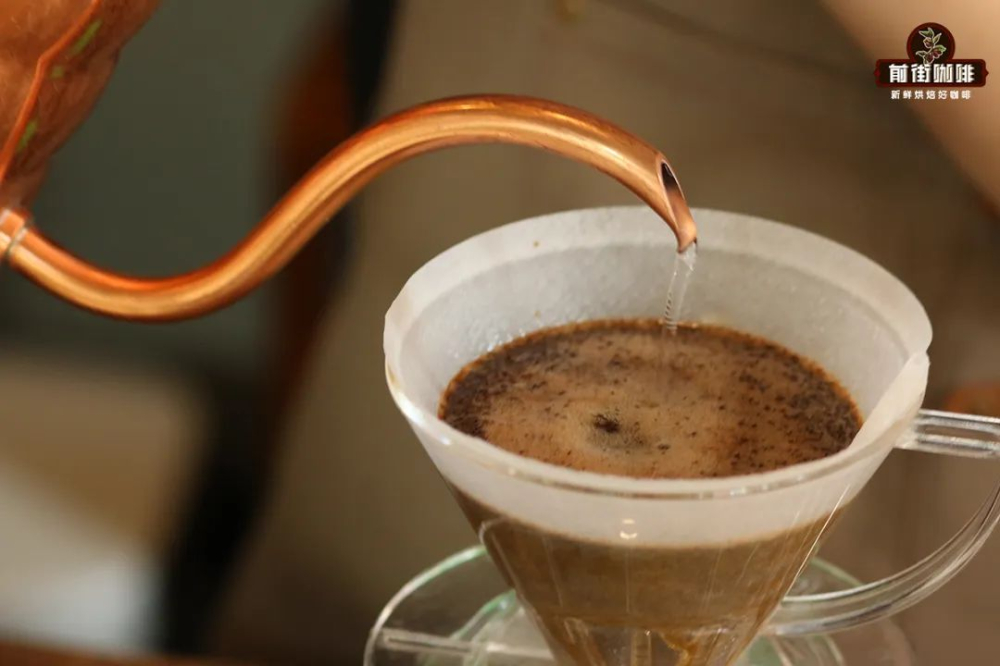
The name has a distinctive origin—it comes from a school of Japanese swordsmanship. It roughly describes how the pouring segments appear to be "cut off" by a single stroke of a blade, splitting the brew into two parts. Take 15g of coffee with 225ml of water: the one-knife flow divides this into 30ml for blooming plus 195ml poured in one continuous pass, with a total extraction time of about 2 minutes. The hallmark of this method is stable extraction and a relatively clean cup, since it never draws out the flavors that live in the later stages of the brew.
2. Three-Stage Method
This is the method FrontStreet Coffee uses most often: the three-stage method. Because the different compounds in coffee dissolve at noticeably different rates, hot water releases flavors in a rough sequence—acidity first, then sweetness, and bitterness last. Segmenting the pour is a way to draw out the full range of aromatics the coffee contains.
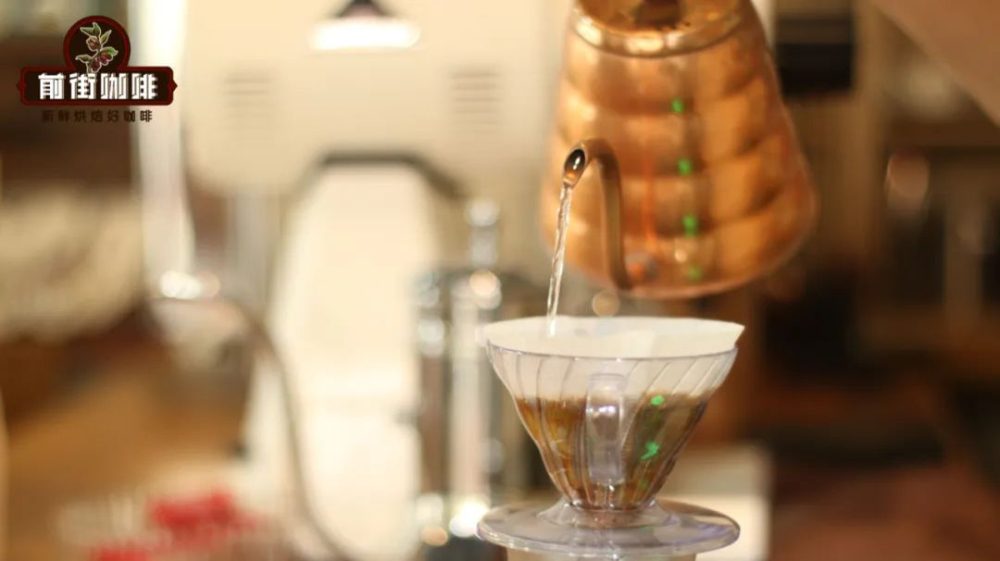
Using the same 15g of coffee with 225ml of water as an example, FrontStreet Coffee divides the three stages into 30ml for blooming, 95ml for the first pour, and 100ml for the second pour. Extraction takes somewhat longer this way: beyond the bloom, the more segments you divide the pour into with the same coffee-to-water ratio, the more times you rinse the coffee bed, so the brew time stretches accordingly. Coffee brewed with the three-stage method dissolves more of its flavor compounds, gains a degree of complexity, and pairs well with a wider range of beans.
3. 4:6 Method
The 4:6 method was invented by Tetsu Kasuya of Japan, whose philosophy was that "anyone can brew delicious coffee." The method is deliberately simple—it demands neither highly stable water control nor deep brewing theory. Follow the formula and you can produce a perfectly decent cup.
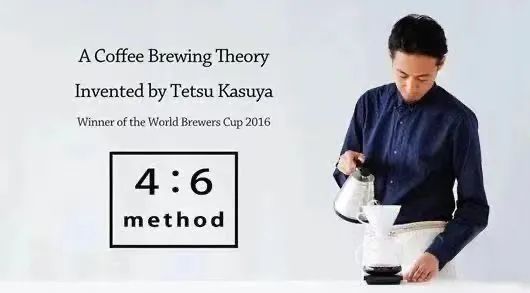
Kasuya's idea behind the 4:6 method is this: the first two pours account for 40% of the total water, and their job is to set the direction of the coffee's flavor—that is, the balance between acidity and sweetness. The remaining three pours make up the other 60%, and they determine the intensity of the mouthfeel, in other words the body.
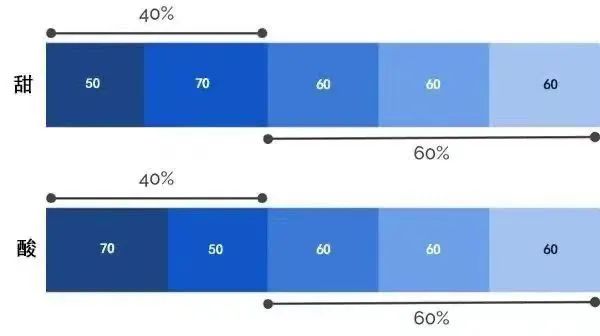
The standard recipe uses 20g of coffee with 300ml of water, split into five pours of 60ml each, with 45-second intervals between pours (the interval includes the pouring time). Simple as it sounds, many people still struggle with the 4:6 method, and most failures are over-extraction. Because the total extraction time is long, many brewers never adjust their grind size and end up using their usual particles, which pushes the coffee straight into over-extraction.
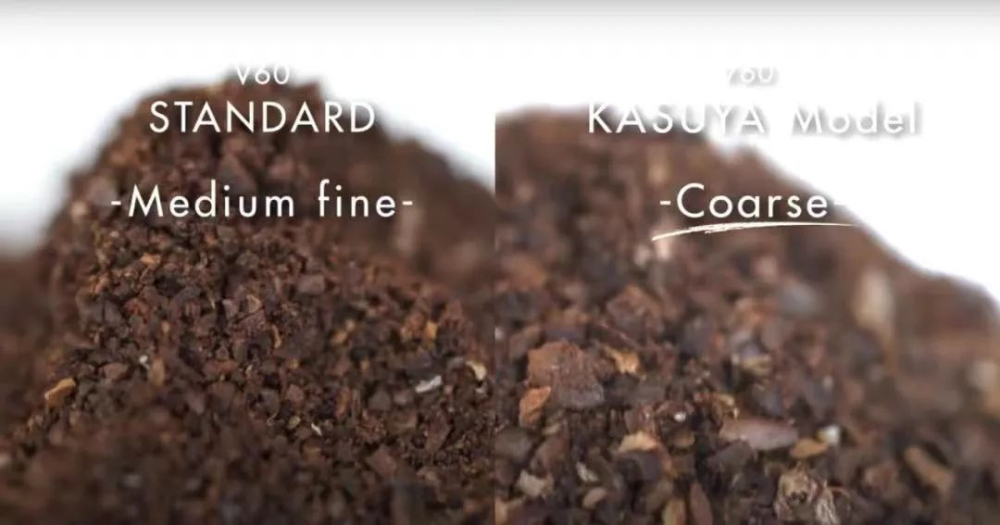
The fix is to grind coarser to offset the over-extraction that a long brew invites. FrontStreet Coffee typically uses a coarse grind with a 50% pass rate on a #20 sieve. Given the extended extraction, particles this size yield a coffee with a rich body that ordinary grinds cannot deliver.
4. Three-Temperature Brewing Method
The three-temperature brewing method, invented by Mr. Wu Zelin, is really a form of variable-temperature brewing. As the name suggests, it uses different water temperatures across the brew. He works from 16g of coffee and 240ml of water, poured in four segments of 40ml, 60ml, 60ml, and 40ml. The first two segments use 94°C water, the third drops slightly to 90°C, and the final segment uses 80°C water, creating a stepwise, descending temperature profile.
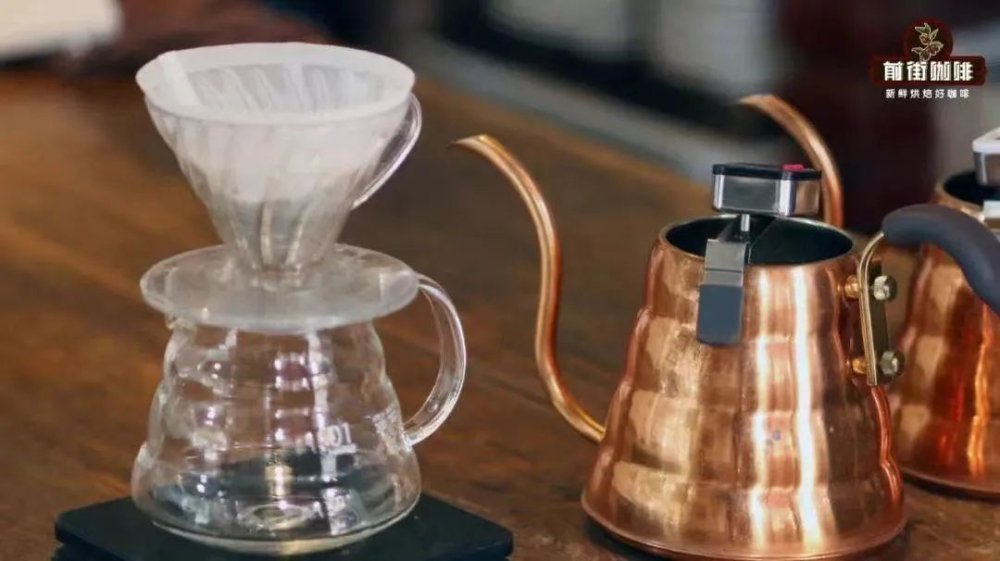
The logic of variable-temperature extraction is easy to grasp: higher temperatures pull out the abundant flavor compounds early on, then lower temperatures finish the brew, avoiding the risk of over-extraction that continuous high heat brings. This method does take some skill, though—it takes plenty of test brews to find the temperature ladder that suits a given coffee. Once you have dialed in the right temperatures, you can end up with a cup of remarkable flavor expression.
5. Volcano Pour
The volcano pour comes from Japan. It gets its name from the carbon dioxide released by the beans, which combines with fine particles floating on the surface to build a large dome that looks like a mountain. Hot water poured into the center accelerates the release of gas from the grounds, making the whole thing look uncannily like a volcanic eruption—hence the name.
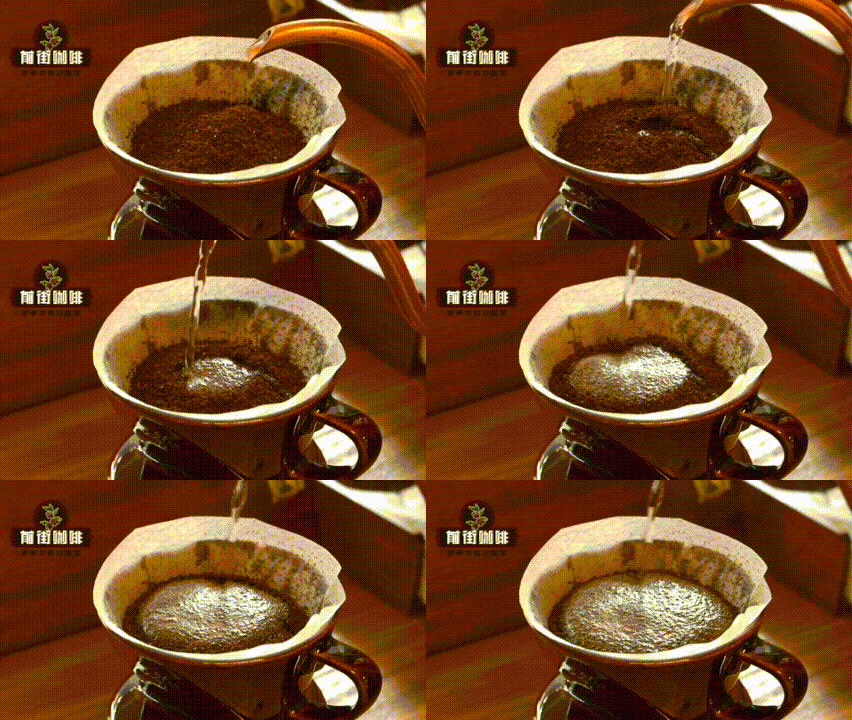
This method suits dark roast beans best, because only dark roasts release enough gas to build the "mountain." Use a conical dripper with 30g of coffee—the more coffee, the more dramatic the volcano—with a slightly coarse grind. Then brew with 300ml of hot water (a 1:10 coffee-to-water ratio). First bloom with twice the coffee's weight in hot water for 30 seconds, then pour small, gentle amounts repeatedly into the center. There is no fixed volume per pour; whenever the water level begins to drop, start the next pour, and continue until you reach the target weight.
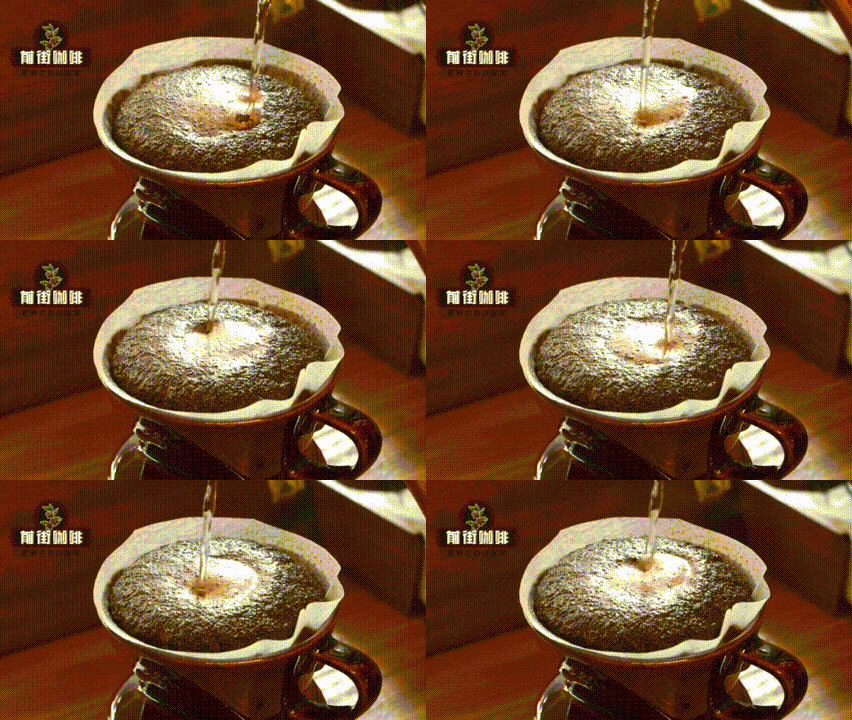
The volcano pour has two distinct advantages. First, it is highly theatrical—you get a visual feast along with your coffee. Second, the resulting cup has a balanced mouthfeel, high sweetness, and no bitterness. Anyone who loves dark roasts should give it a try.
6. Stirring Method
The stirring method was popularized by Matt Perger, the 2012 World Brewers Cup champion. He used the technique to win the title and then posted a video online showing himself stirring rapidly with a wooden stick during the bloom—first up and down, then side to side, then up and down again.
The point of stirring is to make the grounds tumble under the force of the motion so that they wet evenly, which leads to more balanced extraction. During the bloom, for instance, water will otherwise only seep downward slowly; the bottom of the coffee bed then never gets enough time to de-gas, and you have to compensate with a more forceful first pour.
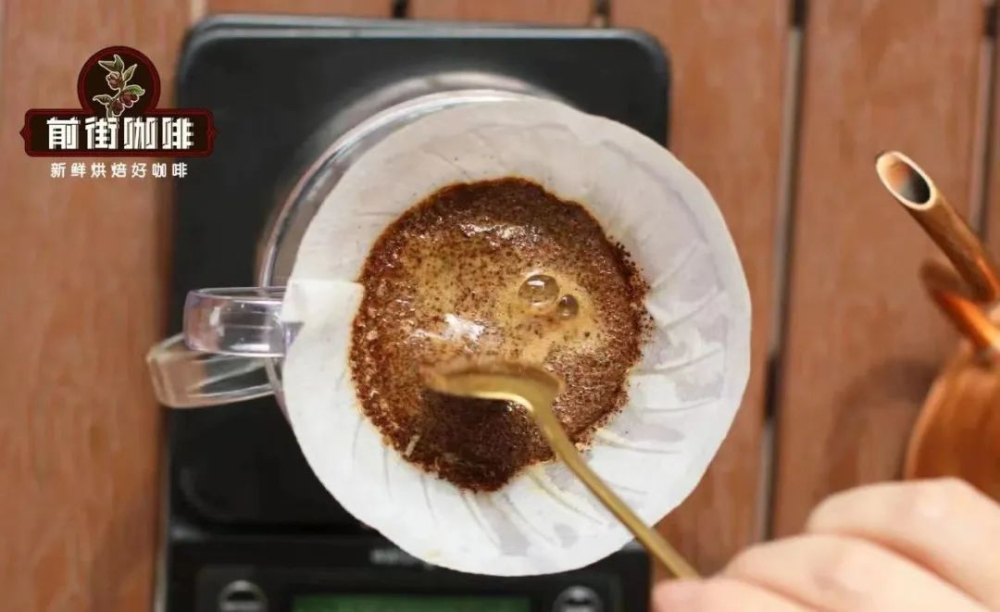
The technique is genuinely difficult, however. Stirring creates turbulence that drives fine particles down to the bottom of the dripper, where they can easily clog the bed. There is also no standardized technique: everyone stirs their own way, and one person's method cannot simply be copied by another. Two stirring motions may look almost identical while differing completely in force and position. So before using this method, you need to fully understand the force and motion involved, and whether the beans you are brewing can actually benefit from it.
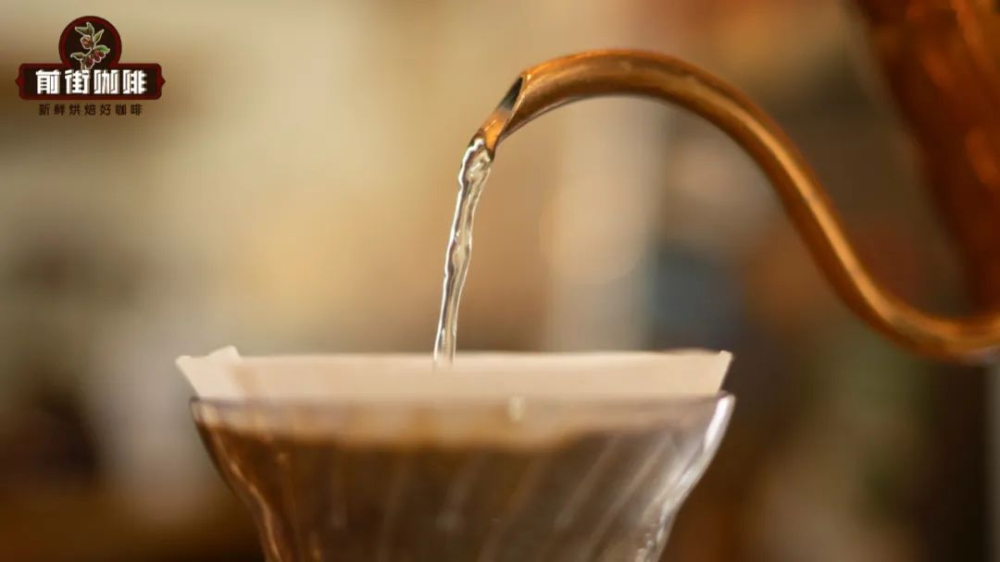
In the end, every brewing method is really just a way of adjusting the order in which sour, sweet, and bitter compounds are released. Once you understand how flavor release works, which method you use stops being the main question. What matters is knowing what kind of cup a given method will give you, so you can deploy it freely. That is also why FrontStreet Coffee has stuck with the three-stage method as its go-to technique.
- END -
FrontStreet Coffee
No. 10, Bao'an Qianjie, Yandun Road, Dongshankou, Yuexiu District, Guangzhou, Guangdong Province

FrontStreet Coffee Recommendation
Which beans should you pair with these methods? For bright, floral cups like the three-stage or 4:6 method, FrontStreet Coffee recommends the Ethiopia Yirgacheffe Guodingding—a favorite first step into specialty coffee, with vivid citrus, berry, and floral notes and a green-tea-like finish, its acidity soft and bright rather than sharp. For a bolder tropical profile, try the FrontStreet Ethiopia Aricha (Huakui), famed for its strawberry, passion fruit, jackfruit, and even lychee aromas, with pronounced sweetness and almost no bitterness—often described as "the coffee that tastes least like coffee."
And if you want to try the volcano pour on a dark roast, the FrontStreet PWN Golden Mandheling from Indonesia is an excellent match: low acidity, a long, full-bodied mouthfeel, and rich herbal and dark chocolate notes, ideal for those who prefer intensity without sourness.
Important Notice :
FrontStreet Coffee is a long-established specialty coffee roaster in Guangzhou China, selling freshly roasted beans from its own farm in Yunnan as well as dozens of carefully selected single-origin beans from around the world for both pour-over and espresso. The products deliver consistently excellent quality and great value, with shipping within 24 hours. Guangzhou's FrontStreet Coffee shop is recommended by many coffee lovers, and the beans are now available online at the Tmall 。
FrontStreet Coffee has moved to a new address:
FrontStreet Coffee Address: 315,Donghua East Road,GuangZhou
Tel:020 38364473
 Scan and follow the En Gafei WeChat official account. Please indicate that the reprint comes from "En Gafei".

