
How to Brew Unfamiliar Coffee Beans Without Disappointment
How to Approach Brewing Unfamiliar Coffee Beans
Whenever you buy a completely new and unfamiliar coffee bean, a lot of people feel stuck about how to brew it. Where do you start? What water temperature? Which grind size? This is especially true of expensive beans, because brewing them badly is a real waste. So FrontStreet Coffee wants to share how to build a preliminary brewing plan when you are staring at beans you have never used before.
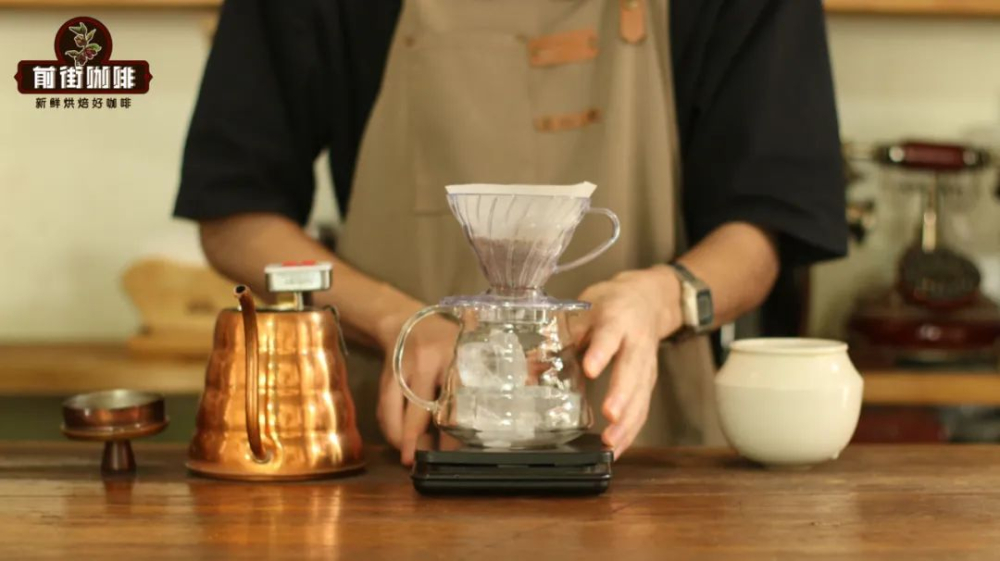
Many people attack this by trial and error, testing every grind size, every water temperature, every ratio and every combination in between. It works, but it also multiplies the complexity of your brewing plan. The first thing to do is simplify the framework.
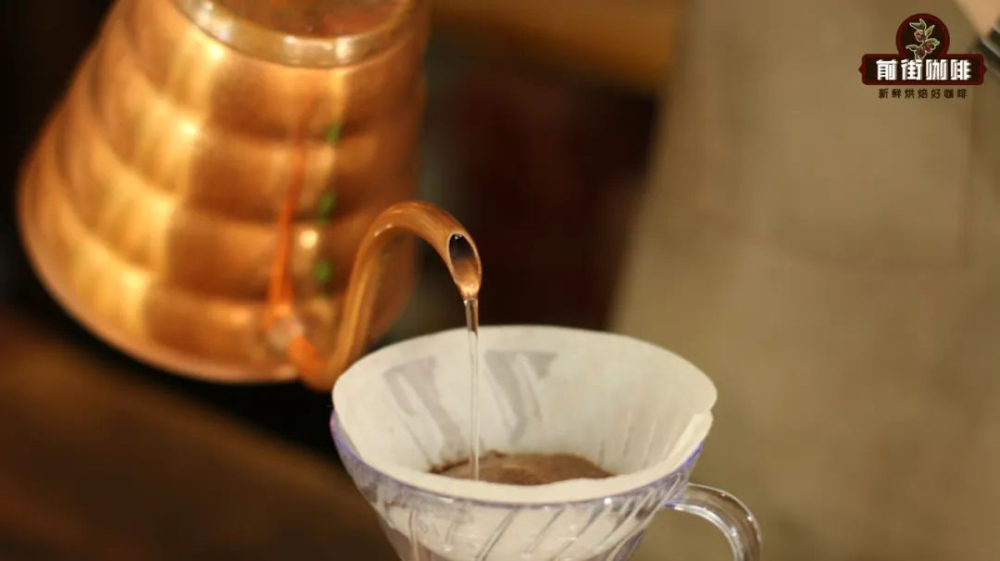
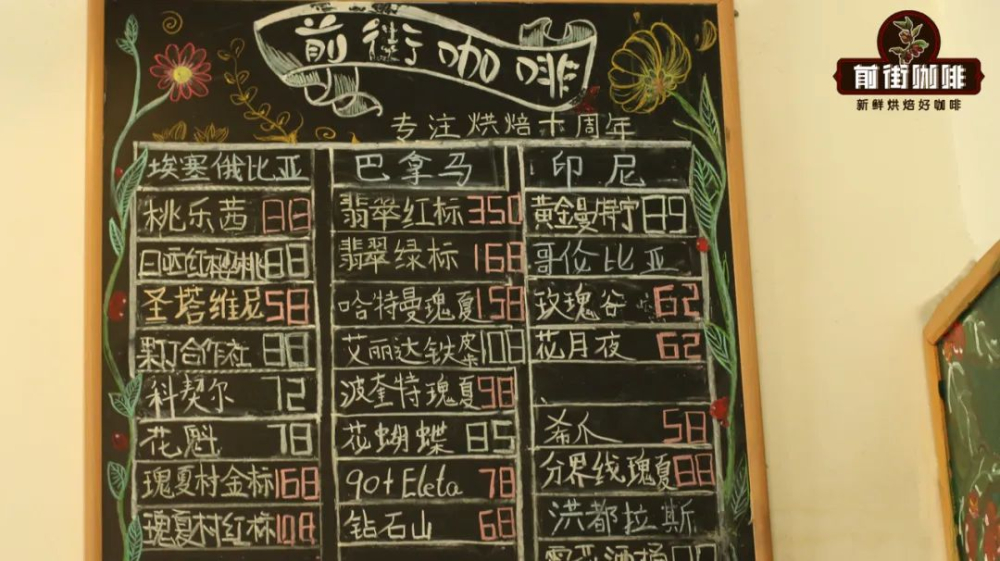
Once the approach is simplified and you only consider the parameters that matter most, you can build a workable plan for a brand-new bean far more quickly. Visitors to FrontStreet Coffee's shop can see more than thirty different coffees written on the blackboard menu.
Simplifying Brewing Plans
But that is not the point. The important part is this: faced with those dozens of beans, FrontStreet Coffee uses only two brewing plans, sorted into light roast and dark roast. These two plans are broadly applicable and can effectively pull the flavor characteristics out of most beans.
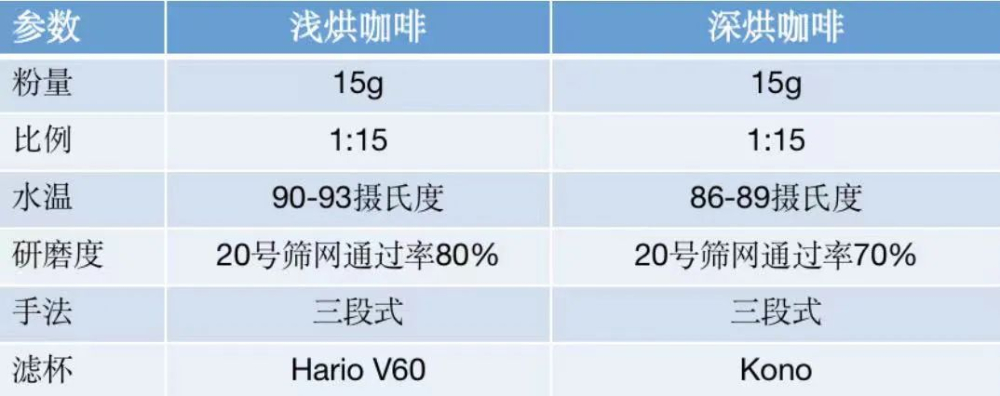
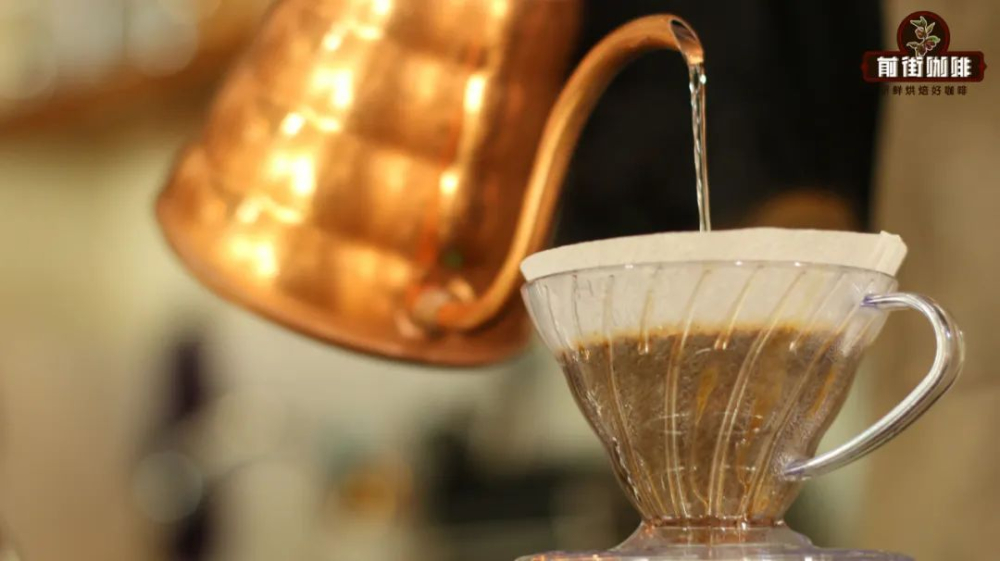
Keeping dose, water amount and pouring technique constant helps you build habits and increases your margin for error. The only things that change are water temperature, grind size and filter cup, adjusted according to the bean's character. Light roast beans are roasted less, so their texture is harder and more resistant to extraction. We grind them finer and brew with higher water temperatures. With those parameters, though, a long extraction time can easily tip into over-extraction, so we pair them with the faster-draining V60 filter cup.
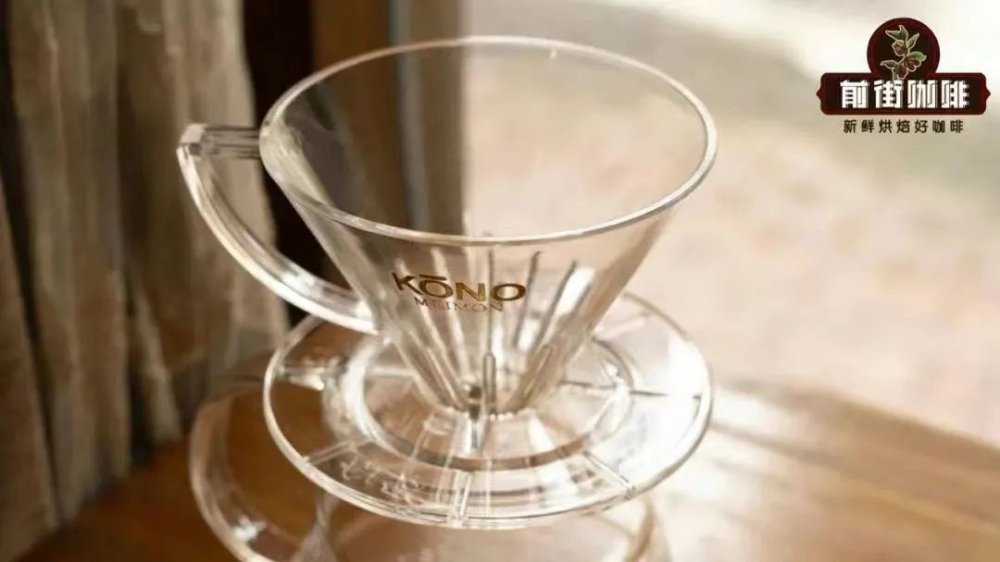
Dark roast beans, on the other hand, have a brittle, loose structure and over-extract easily. So we go coarser and cooler to reduce extraction strength. If we stuck with the V60, the cup would drain very quickly and would likely come out under-extracted. Instead we choose the Kono filter cup, which drains more slowly. Its ribs sit only at the very bottom, so the flow rate never runs away, and most importantly the Kono makes the brewed coffee richer and more full-bodied.
Creating a Classification System
Anyone can start by categorizing. First, organize the beans you have already met according to their character, then build a highly applicable brewing plan for each category. The simpler, the better. Once those plans exist, the second step is to figure out which category an unfamiliar bean belongs to, slot it in, and use that category's plan directly. FrontStreet Coffee, for example, divides plans by roast degree, so all we need to determine is the bean's roast level.

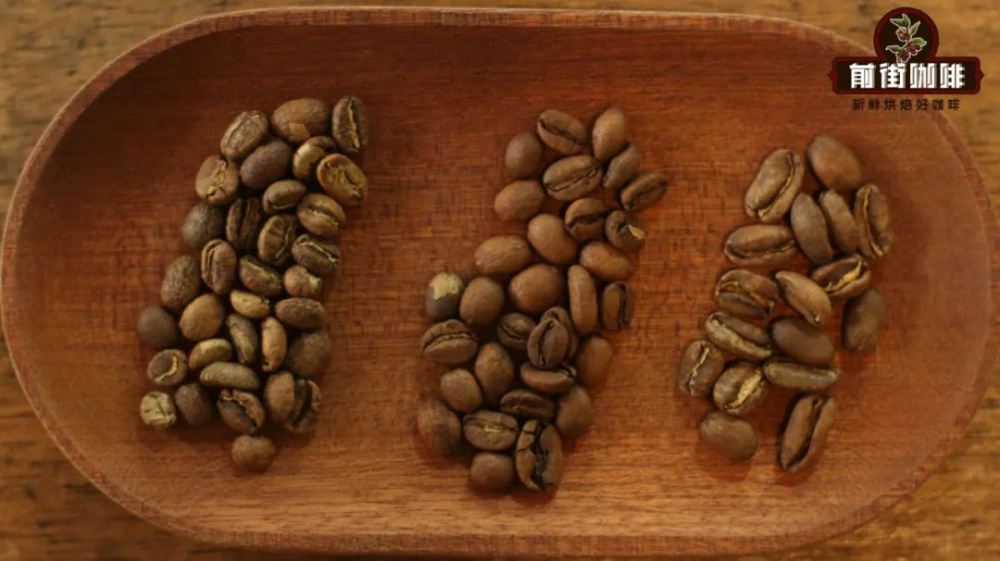
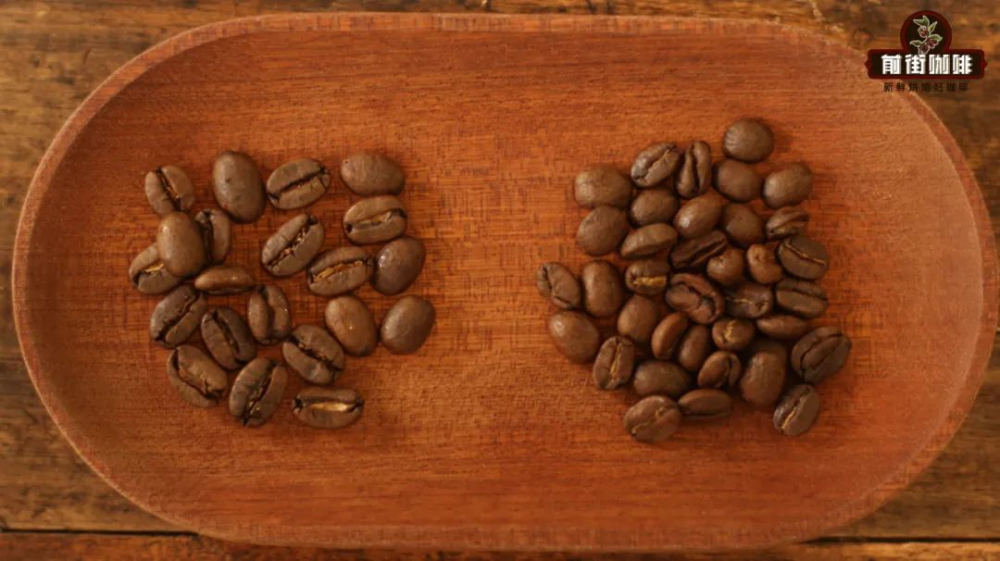
When FrontStreet Coffee identifies a bean, we usually start with the flavor description on the label. Floral and fruit notes with a fresh character point to a light roast. Chocolate, nuts or caramel point to a dark roast. If the bag carries no description at all, we can only judge by the beans' external color. Light roast beans usually look light brown to brown, while dark roast beans mostly look dark brown to black. Here are some different light roast beans.
And some different dark roast beans.
Refining Your Approach
As your experience grows, you will notice that among beans at the same roast level but with different processing methods, anaerobically processed beans often drain faster than traditionally processed ones. In that case, simply grind a touch finer for the anaerobic beans while keeping the original plan. Among coffees at the same roast level and with the same processing method but different varieties, some varieties resist extraction more than others. Yes, we mean Geisha. So we can carve out a specific category just for "Geisha varieties."
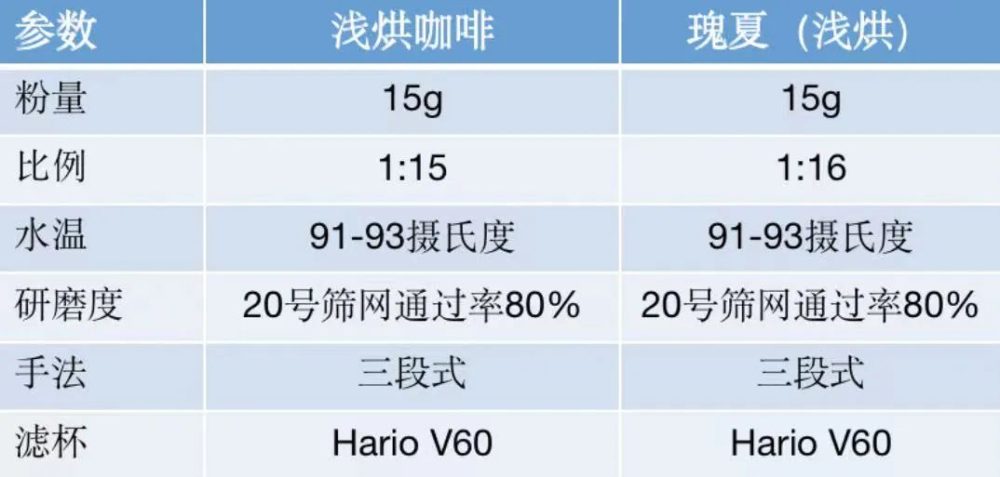
By extension, once you have accumulated enough experience, you will be able to glance at a label and instantly know the brewing plan it calls for. What we have laid out here is only a preliminary plan, designed to maximize your margin for error on the first brew of a completely new bean. From there you can fine-tune based on general brewing data, because striving for excellence is always worth it.
- END -
FrontStreet Coffee Recommendation
If what you actually want is a straightforward, easygoing daily bean, medium roast is the sweet spot, because it balances acidity, sweetness and bitterness instead of pushing any one of them to the front. FrontStreet's Brazil Queen's Estate is a good place to start. It comes from Brazil, the world's largest coffee producer, and is a distinctive Yellow Bourbon. After a medium roast it shows creamy peanut, chocolate, toasted bread and sugarcane sweetness, with a gentle, mellow profile, and it works as pour-over, moka pot or espresso.
For something sweeter, FrontStreet's Strawberry Candy Geisha Blend is a fruit-forward option. It brings together two well-known Central and South American origins: a honey-processed coffee from Costa Rica and a washed Geisha from Panama. To highlight the best of both, FrontStreet roasts it to a medium level, so the cup shows both orange-blossom honey notes and a rounded sweetness. It suits cold brew, pour-over and espresso equally well.
If you prefer something softer and more restrained, try FrontStreet's 2013 Natural Typica, a Chinese specialty representative with the classic Yunnan small-bean character. A medium roast keeps it balanced and gentle, with soft notes of nuts, brown sugar, black tea and dried apricot, and it is very good value for pour-over, cold brew or a drip machine.
Important Notice :
FrontStreet Coffee is a long-established specialty coffee roaster in Guangzhou China, selling freshly roasted beans from its own farm in Yunnan as well as dozens of carefully selected single-origin beans from around the world for both pour-over and espresso. The products deliver consistently excellent quality and great value, with shipping within 24 hours. Guangzhou's FrontStreet Coffee shop is recommended by many coffee lovers, and the beans are now available online at the Tmall 。
FrontStreet Coffee has moved to a new address:
FrontStreet Coffee Address: 315,Donghua East Road,GuangZhou
Tel:020 38364473
 Scan and follow the En Gafei WeChat official account. Please indicate that the reprint comes from "En Gafei".

