
What?? So That's How These Coffee Names Came to Be!
The Fascinating Origins Behind Your Favorite Italian Coffee Names
Espresso is the daily fuel of the working world, and its flavor and preparation are woven deep into our culture. But have you ever wondered, while ordering, where these names actually come from? What happened to make people invent them?

Today, FrontStreet Coffee is sharing the stories behind how these famous Italian coffees got their names.
Espresso
At the start of the 20th century, during Europe's Industrial Revolution, the first generation of espresso machines was invented. For the first time, people saw how quickly coffee could be made. Those early machines could not match today's precision, either in speed or in pressure, but next to other coffees that demanded long steeping times, the newcomer truly earned the title of cheetah of the coffee world.
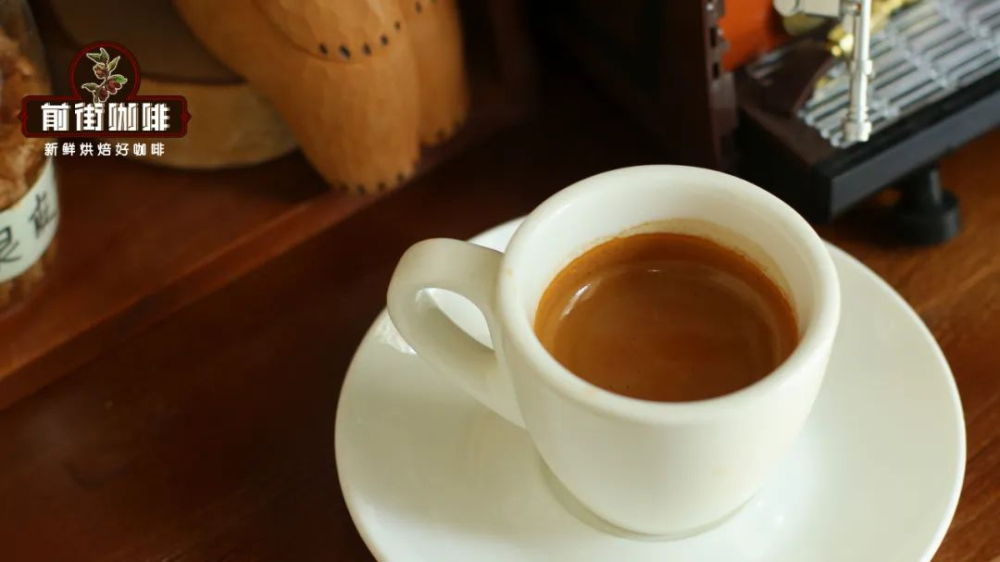
So people named this quick-brewed coffee "Espresso," which means "fast" in Italian.
Americano
During World War II, American soldiers visited Italian cafés for coffee. Accustomed to the lighter concentration of drip or steeped coffee, they could not handle the intense bitterness of Italian espresso.
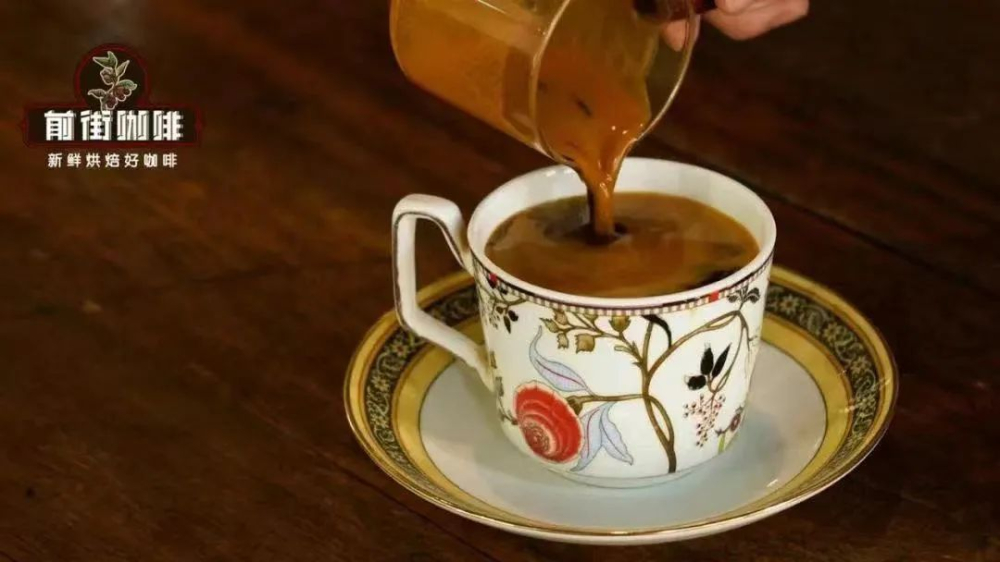
So they asked the baristas to pour espresso into water to dilute it. This weakened espresso became the American soldiers' special order, and Italian cafés specifically named the water-diluted coffee "Americano."
Latte
Everyone knows latte, but in the original Italian, "Latte" did not mean latte coffee at all. It simply meant "milk." Later, Italian cafés in America created a drink that mixed espresso with milk to suit American tastes. Because milk made up such a large share of the cup, Italians called it "Coffee latte." Outside Italy, though, people shortened it for convenience and simply called it "Latte."

Had you walked into an Italian café in earlier times and ordered just "Latte" instead of "Coffee latte," you would most likely have been served a glass of pure milk. To an Italian, "Latte" always means milk, never coffee.
Cappuccino
The name Cappuccino comes directly from the Italian word "cappuccino." In Italian it means "hood," while "Capuccin" refers to the Capuchin friars of the Catholic Order of Friars Minor. When these missionaries arrived in Italy, locals nicknamed the clergy's dark brown robes and small pointed hats "Cappuccino." The coffee earned the name because people noticed that after steamed milk was added, the color resembled the friars' robes while the foam on top resembled their pointed hats. And so the drink was given the same name, "Cappuccino."
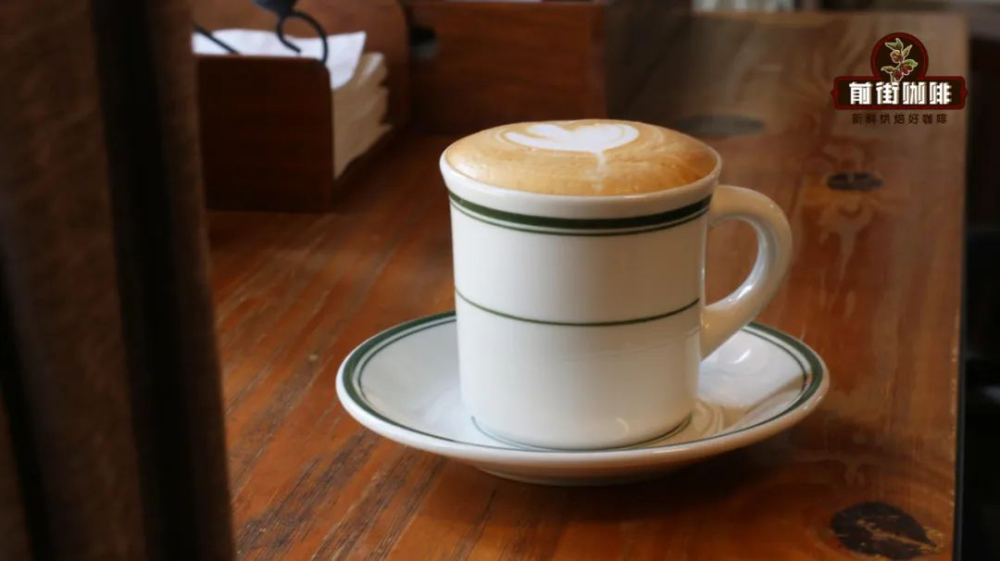
(Fun fact: Cappuccino was actually born before latte appeared.)
Mocha Café
Now for today's special guest, "Mocha." Its name carries three meanings. Originally, Mocha was a port city in Yemen, a place name. For several centuries starting in the 15th century, coffee beans from all the surrounding countries had to be exported through Mocha Port, which made Mocha the button of the coffee world. To prove that beans had shipped out of Mocha Port, the burlap sacks carrying them were specially stamped "Mocha." Europeans began calling coffee transported from Mocha Port "Mocha coffee." That is the second meaning of Mocha: a place name turned synonym for coffee. These beans were smaller in size, moderately acidic after a dark roast, with an obvious sweet aftertaste and a very rich chocolate flavor.

By the 18th century, as growing regions around the world began producing their own coffee, Mocha Port lost its monopoly on the coffee trade. Combined with long-term Ottoman rule, Mocha coffee beans became scarce. To recreate the taste people remembered, they began using chocolate sauce to "season" espresso, turning traditional espresso into coffee with "Mocha flavor." From there, Mocha became widely popular as a distinctive style of Italian coffee.

Macchiato and Caramel Macchiato
Originally, Macchiato meant "stain" or "mark." At the time, coffee bean quality was poor, and the espresso pulled from it was very bitter. People could not handle that bitterness, so they asked baristas to add a little milk to balance it out. With only a small amount of milk, the color barely changed, and the cup looked much like plain espresso. To avoid mix-ups, baristas added a spoonful of foam on the surface as a marker.
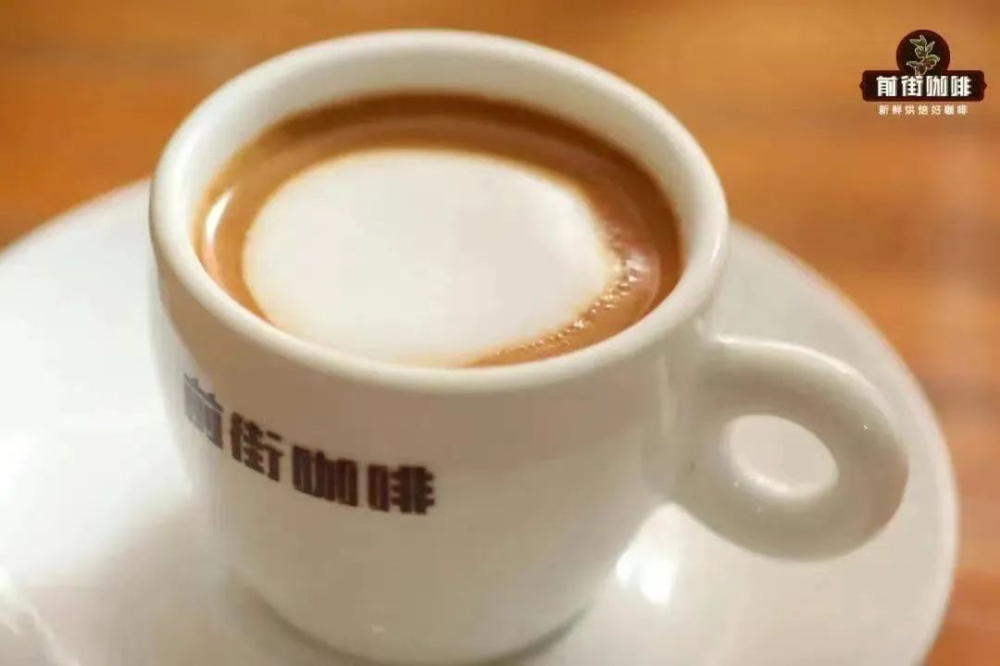
As bean quality improved, however, espresso no longer carried that intense bitterness. It was replaced by a rich, smooth flavor, people no longer needed milk to dilute it, and Macchiato gradually declined alongside the improvement in beans. By the 1990s, Caramel Macchiato appeared, borrowing the Macchiato name. It was never meant to revive the fading Macchiato but was a completely new product with a new meaning: "sweet mark" or "sweet imprint." Because it uses caramel and vanilla syrup for seasoning, making it sweeter than the original coffee, it took the "caramel" prefix and became Caramel Macchiato.
Flat White
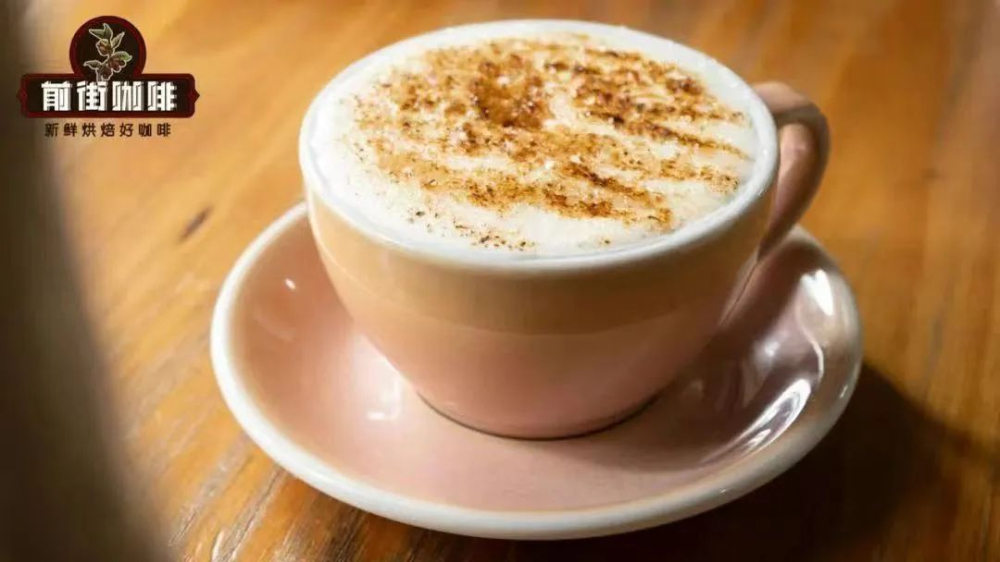
Last century, Italians brought espresso to regions like Australia and New Zealand. The thick foam of Cappuccino and Latte did not appeal to locals, so people began steaming thinner milk. When that thin foam folded into the coffee, the surface grew flatter and flatter until it formed a thin layer completely level with the rim of the cup, and today's Flat White was born. "Flat" means "level," while "White" refers to milk coffee.
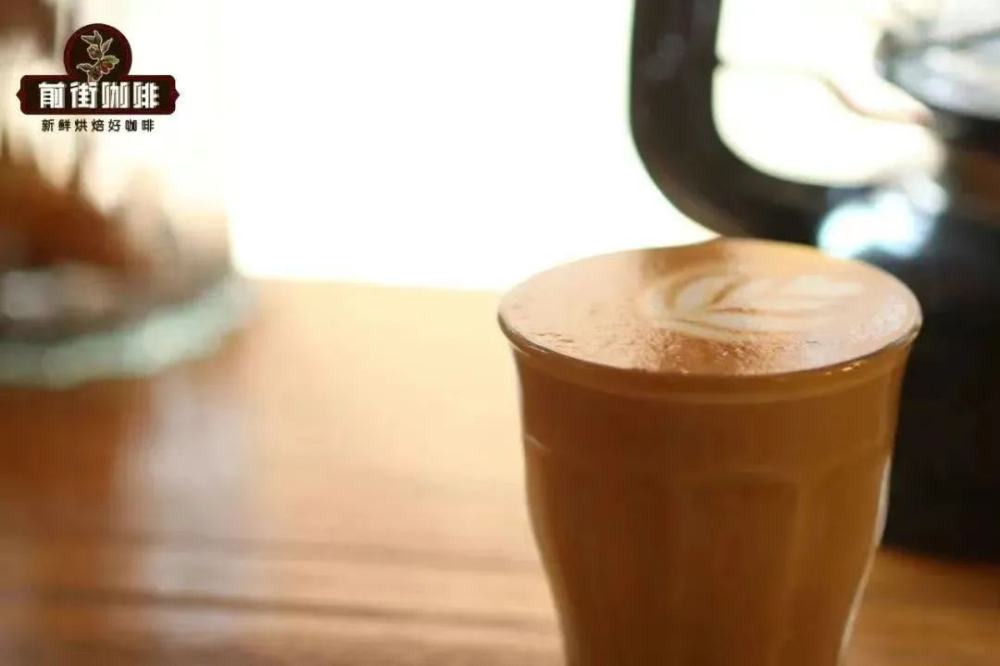
Flat White stayed relatively niche until Starbucks added it to their lineup in 2015, naming it "Fu Rui Bai" and taking it worldwide. It became one of the most popular drinks in the mainstream coffee market. In China, this milk coffee from Oceania is usually called "Ao Bai," or Australian White.
Dirty
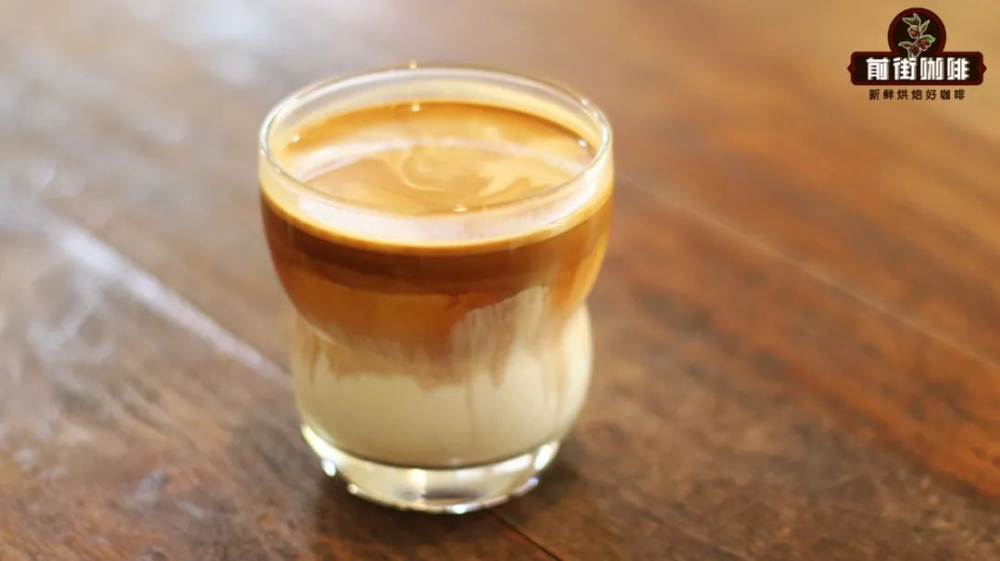
"Dirty" means "unclean," which is how Dirty Coffee got its name. The main reason is that as espresso gradually flows down from the surface, its brown color slowly seeps into the white milk below, like a white canvas being stained. And so people named it "Dirty" coffee.
FrontStreet Coffee Recommendation
Most of these drinks are built on espresso and milk, and the bean you choose quietly decides how the cup turns out. FrontStreet's Classic Blend is a traditional Mamba-style recipe built for espresso and moka pot alike, and its standout strength is crema: even on a modest home machine, a beginner can pull a dense, velvety layer. Latte, cappuccino and Dirty all depend on good crema, and this blend delivers, full-bodied and smooth enough for veteran and newcomer alike.
If coffee with milk is what you drink most, FrontStreet's Signature Blend and Dark Cocoa Blend are the best milk partners. Because Brazilian coffee dominates the recipe, a latte shows layered nutty notes of almond, apricot kernel and walnut, silky and lingering on the palate. When you want a richer crema, reach for the Classic Blend or FrontStreet Coffee's Commercial Blend instead; both contain a small amount of Robusta, which adds golden foam and pushes up the richness and caramel aroma. For pour-over drinkers who still want to add milk, a medium-dark single origin works better, so the coffee is not buried: FrontStreet's PWN Golden Mandheling, Heaven Bird and Queen's Estate all fit the bill.
Important Notice :
FrontStreet Coffee is a long-established specialty coffee roaster in Guangzhou China, selling freshly roasted beans from its own farm in Yunnan as well as dozens of carefully selected single-origin beans from around the world for both pour-over and espresso. The products deliver consistently excellent quality and great value, with shipping within 24 hours. Guangzhou's FrontStreet Coffee shop is recommended by many coffee lovers, and the beans are now available online at the Tmall 。
FrontStreet Coffee has moved to a new address:
FrontStreet Coffee Address: 315,Donghua East Road,GuangZhou
Tel:020 38364473
 Scan and follow the En Gafei WeChat official account. Please indicate that the reprint comes from "En Gafei".

