
Why Does the 4:6 Brewing Method Require Five Pour Stages?

Some creations end up outshining the people who made them -- think of the Mona Lisa and da Vinci, or the 4:6 method and Tetsu Kasuya. That is why we can hardly bring up Tetsu Kasuya without tagging on "the inventor of the 4:6 method." Today we are sharing ... the 4:6 method from Tetsu Kasuya, the 2016 World Brewers Cup champion! (Just having a little fun.)

The 4:6 Brewing Method
As we said up top, the "4:6 method" is a brewing technique devised by Tetsu Kasuya. Its extraction logic and its operation are simple enough to grasp at a glance, and that is exactly why it set off so much discussion offline once he shared it -- plenty of competitors have since used it on stage. Kasuya's brewing has always circled back to one core idea: "anyone can brew delicious coffee," and the 4:6 method is no exception.
If the concept really includes "anyone," does that mean even a beginner can brew a delicious cup just by plugging in the formula? As a matter of fact, yes -- that is precisely the case.
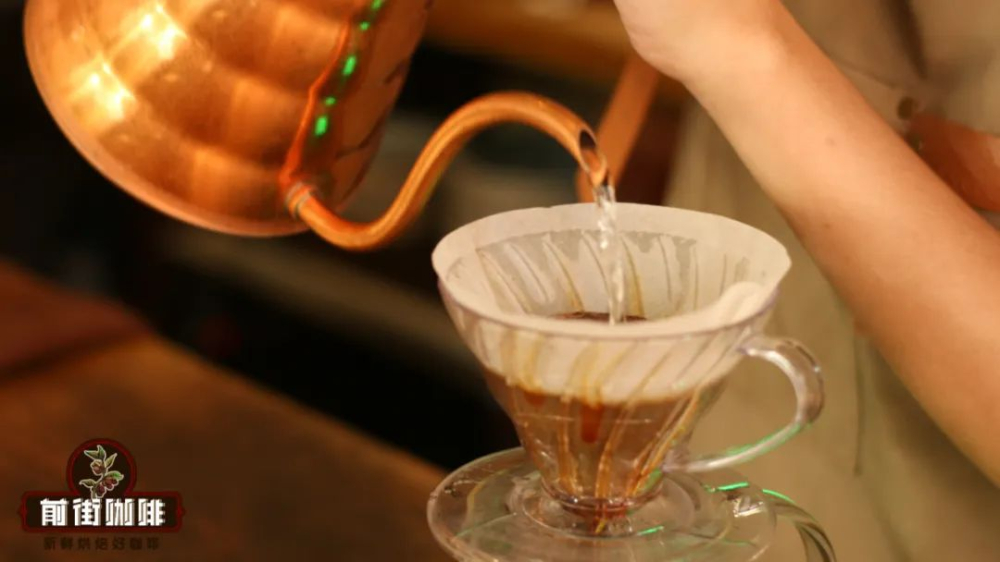
Use 20g of coffee beans, ground coarsely, with water at 92°C. Split a single brew into five pours of 60ml each. No fancy technique, no rock-steady pouring control, and no deep knowledge of the beans required -- just apply the formula and you end up with a tasty cup.
Why Five Water Pours in the 4:6 Method?
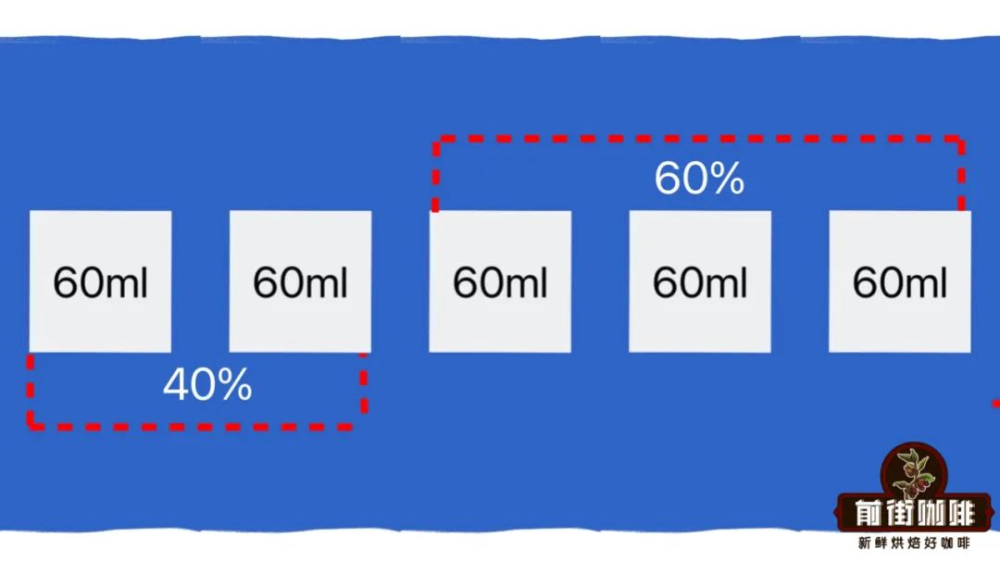
As everyone knows, the 4:6 method calls for five pours of 60ml of hot water! It is a little like a band called the "Four Heavenly Kings" that somehow has five members, or a saying that insists the moon is roundest on the sixteenth night -- so it seems perfectly reasonable that the 4:6 method would be divided into five pours! But in truth, "4:6" has nothing to do with four pours of 60ml.

Kasuya explains the method this way: "Divide a single brew evenly into 5 pours, each pour amounting to 3 times the coffee dose. The first and second pours account for 40% of the total water volume and decide the flavor direction of the coffee (the balance between acidity and sweetness). The third, fourth, and fifth pours account for 60% of the total water volume and decide the intensity of the coffee's mouthfeel (body)."
In other words, the 4:6 method is simply the collective name for the first two pours versus the last three. Because those two stages are meant to express different things, Kasuya named the technique the "4:6 brewing method."
Brewing Experiment
Next, FrontStreet Coffee will brew a pour-over with the 4:6 method and see how it performs!
Coffee beans used: Ethiopia Santa Vieni (Flavor notes: pineapple, citrus, guava)
Coffee dose: 20g
Grind setting: Very coarse, 50% pass-through rate on a #20 sieve
Coffee-to-water ratio: 1:15 (300ml of hot water)
Water temperature: 92°C
Brewing method: 4:6 method
Dripper used: V60
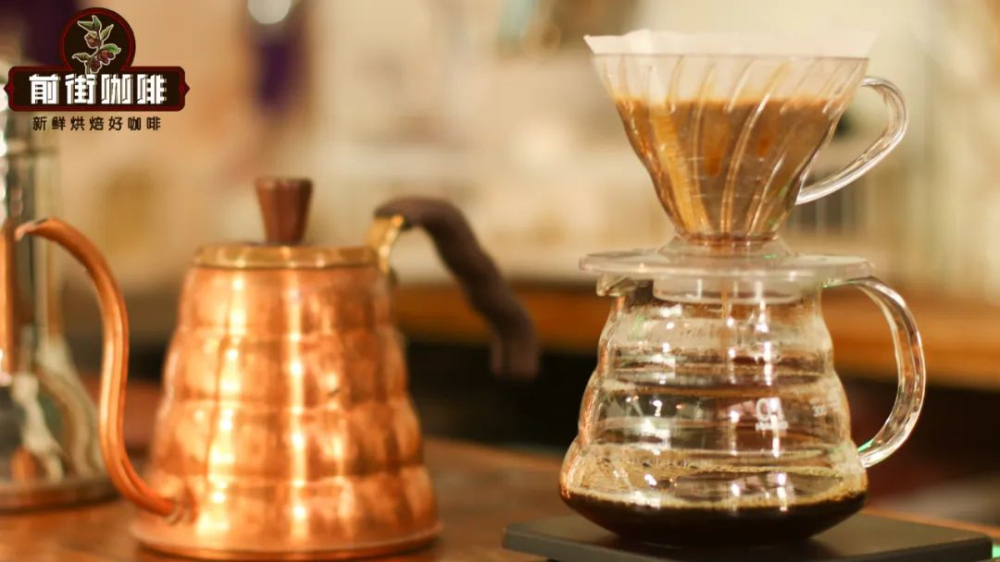
As mentioned earlier, there are five pours in total, each 60ml! And between one pour and the next there is an interval of "45 seconds"! That interval includes the pouring time itself (about 6-8 seconds per pour), which means the gap from the start of one pour to the start of the next is a full 45 seconds! The timing for each pour runs as follows: 0 seconds - 45 seconds - 1 minute 30 seconds - 2 minutes 15 seconds - 3 minutes.
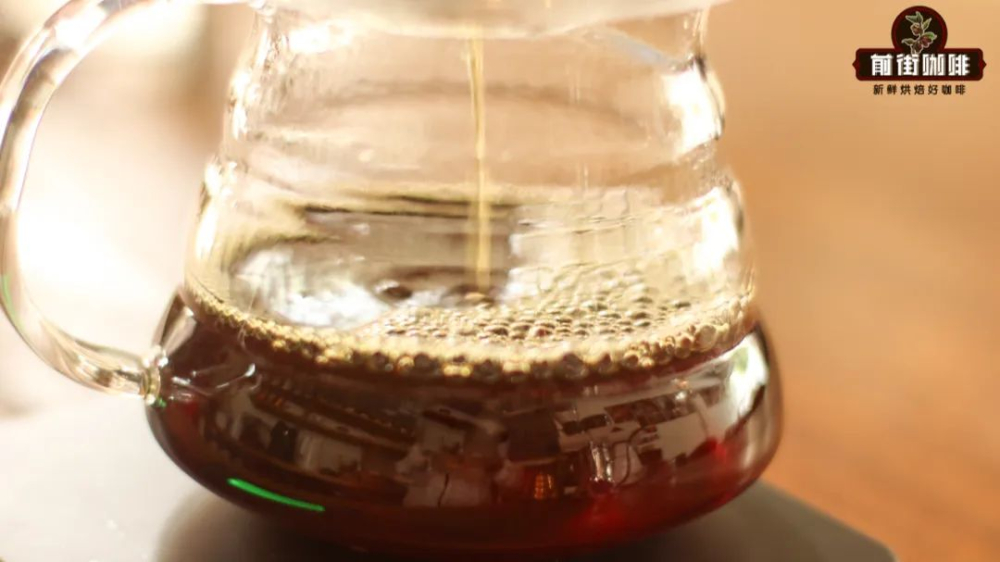
The drip finished at around 3 minutes and 40 seconds. Compared with a conventionally brewed Santa Vieni, this cup had a richer mouthfeel. The pineapple and citrus notes came through clearly, and a distinct tea-like quality showed up as well. On the whole, it leaned toward a balanced profile!
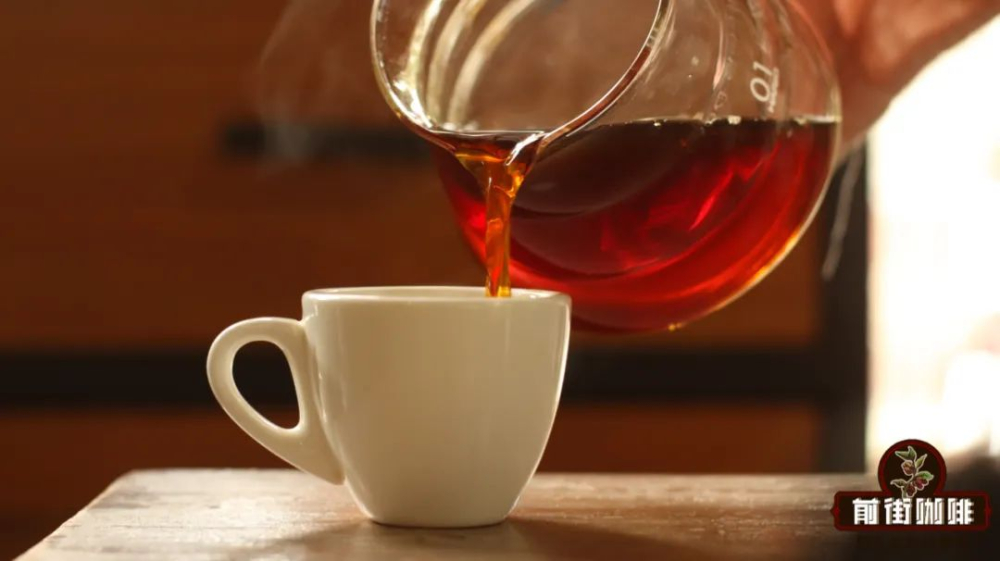
The reason a simple formula can deliver this kind of flavor comes down mainly to the very coarse grind, which widens our margin for error. People often over-extract because they grind too fine, so Kasuya hit on the idea of a coarser grind paired with a longer extraction time. That way you get the greatest tolerance for mistakes on the way to a delicious cup.
The reason each pour interval is 45 seconds is that 40-45 seconds is exactly how long 60ml of hot water takes to drip through at this grind size and dose. Pouring the next batch of water only after the previous stream has finished keeps the resulting coffee remarkably stable -- as long as the parameters are right.
Beyond the Formula
Finally, the 4:6 method is not limited to this single extraction recipe. You can also split the pouring pattern and the water volumes however you like, following its underlying philosophy. Do not let the surface-level formula box you in -- the extraction thinking behind the method is what we should really pay attention to!
- END -
FrontStreet Coffee

FrontStreet Coffee Recommendation
If the 4:6 method is your gateway to pour-over, a bright, forgiving washed Ethiopian is the natural first bag to try. FrontStreet's washed Yirgacheffe is the classic starting point: clean lemon acidity, soft white florals, and a green-tea finish. Its flaws are few, so the coarse 4:6 grind and long pours leave plenty of room to get a clean, balanced cup.
For a fruitier, more forgiving second option, try FrontStreet's natural Huakui from Guji Hambella. Grown at close to 2,300m and dried as whole cherries, it offers tropical notes of guava, strawberry, and dried mango with a black-tea finish -- the kind of sweetness that responds well to the sweeter, fuller mouthfeel the 4:6 method builds in its later pours.
Important Notice :
FrontStreet Coffee is a long-established specialty coffee roaster in Guangzhou China, selling freshly roasted beans from its own farm in Yunnan as well as dozens of carefully selected single-origin beans from around the world for both pour-over and espresso. The products deliver consistently excellent quality and great value, with shipping within 24 hours. Guangzhou's FrontStreet Coffee shop is recommended by many coffee lovers, and the beans are now available online at the Tmall 。
FrontStreet Coffee has moved to a new address:
FrontStreet Coffee Address: 315,Donghua East Road,GuangZhou
Tel:020 38364473
 Scan and follow the En Gafei WeChat official account. Please indicate that the reprint comes from "En Gafei".

