Specialty Coffee Bean Processing Methods Coffee Refinement Methods
At the center of every coffee cherry sits a pair of oval seeds, wrapped in layer after layer of skin, pulp, and mucilage. Left alone, ripe cherries spoil within days, which is why processing matters so much: it transforms the fragile fruit into green coffee beans stable enough to be stored, shipped, and traded around the world.
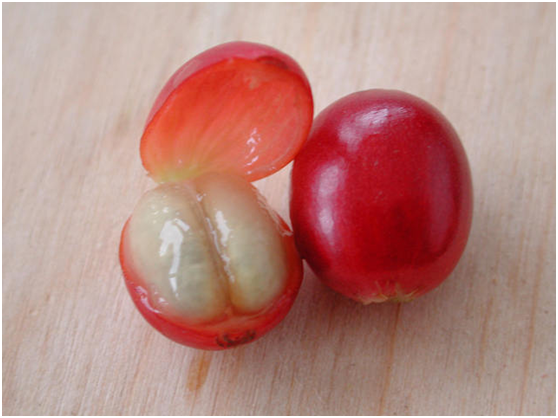
Figure (1) Coffee fruit
Processing begins the moment cherries are harvested. In essence, it means stripping away the skin and pulp, extracting the seeds, and drying them down until the husk can be removed — what the trade calls green coffee. Those green beans are then roasted, which is where all the flavors we recognize in the cup finally develop.
1. Coffee Processing Methods
Coffee processing falls into three broad families: natural (dry), washed (wet), and semi-washed (honey). As a rule of thumb, it takes roughly 5,000 kg of fresh cherries to yield 1,000 kg of green coffee.
1.1 Natural (Dry) Process
The natural process is the oldest way of preparing coffee. The whole cherry is simply dried in the sun, sometimes finished with mechanical dryers. The workflow runs: Harvest → Drying patio (sun exposure) → Huller (removing the dried pulp) → Grading (electronic sorting, hand selection, sieve screens) → Export.
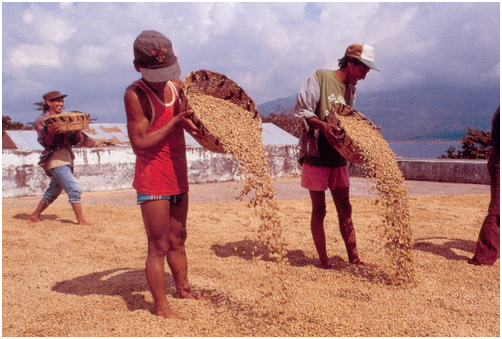
Figure (2) Dry method coffee beans
Naturally processed beans tend toward a yellowish color, with a moisture content of roughly 11%–12%. The upside is a cup with heavier sweetness and body and comparatively little acidity — a profile many drinkers love. The downside is that sun drying is hard to control: the beans often look unremarkable, fetch lower prices on appearance alone, and quality can swing widely from batch to batch.
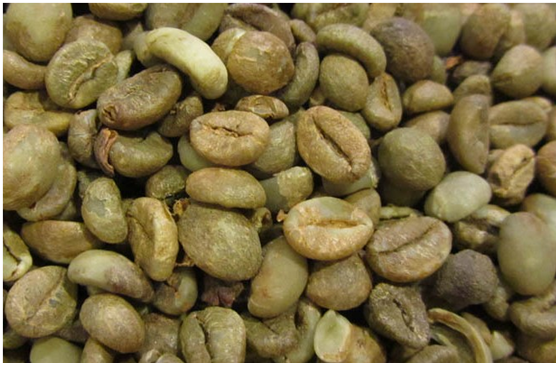
Figure (3) Dry method coffee beans close up
1.2 Washed (Wet) Process
The washed process dominates specialty coffee today, and most lots that score well use it. The sequence is: Harvest → Water tank (floating off unripe beans and debris) → Pulper (removing skin and pulp) → Fermentation tank (breaking down the mucilage clinging to the parchment) → Washing channel (sorting out floaters and dense beans) → Drying patio or mechanical dryer → Huller (removing the parchment) → Grading → Export.
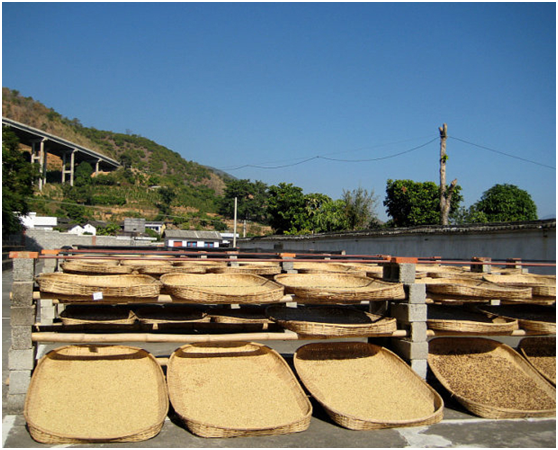
Figure (4) Wet method drying field
Washed coffee looks far more uniform, with fewer defects and impurities, and is dried to roughly the same 11%–12% moisture as natural lots. In the cup it delivers clean flavors, minimal off-notes, and bright fruit acidity. The main risk sits in the fermentation tank: push fermentation too far and a single over-fermented bean can taint an entire 50-gram batch with sour, astringent flavors.
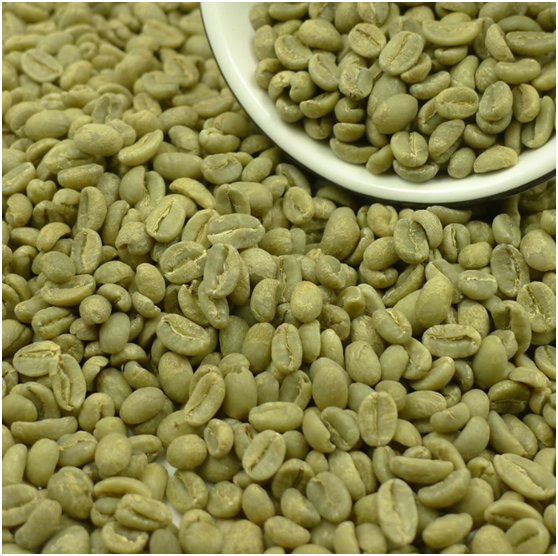
Figure (5) FrontStreet Coffee Yirgacheffe G2/Wet method
1.3 Semi-Washed (Honey) Process
The semi-washed method — better known today as honey processing — splits the difference between natural and washed. It keeps the water tank and pulper steps of the wet process but skips fermentation entirely: Harvest → Water tank (removing impurities and unripe beans) → Pulper (removing skin and pulp) → Washing channel (sorting out floaters and dense beans) → Drying patio or mechanical dryer → Huller → Grading → Export.
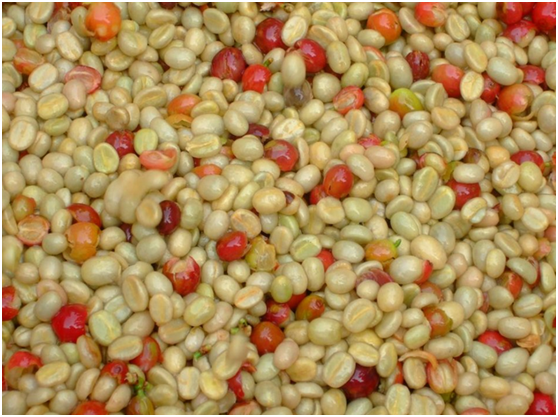
Figure (6) Coffee cherries after pulp removal
Honey-processed coffee is steadier in quality than natural but carries more risk than fully washed lots, because once the skin comes off and the beans are laid out to dry, the exposed mucilage is vulnerable to contamination and mold. Done well, though, the reward is considerable: pronounced sweetness, a syrupy body, and crema rich enough to make it a favorite base for espresso. Many tasters also pick up wine-like red fruit notes, and the process is widely credited with expressing the bean's original character faithfully — which explains why honey process has become so fashionable among coffee lovers in recent years.
FrontStreet Coffee Recommendation
Washed processing is prized precisely because it lets a coffee's own character shine through with bright, clean acidity — and few examples show it better than FrontStreet Coffee's washed Yirgacheffe Guodingding Cooperative lot. Guodingding is a smallholder cooperative from the village of the same name whose meticulous washing has made the coffee famous for its jasmine florals and lively citrus acidity; roasted medium-light, it unfolds into green tea and honey notes that work beautifully as pour-over, cold brew, or even espresso.
If you want to taste washed processing at its most vivid, try FrontStreet Coffee's Kenya Cherry Tomato, built on Kenya's signature double-washed fermentation. The repeated washing and soaking coax out an intense, juice-like profile — cherry tomato, dried plum, snow pear, black plum, and brown sugar — with a sweet-tart, juicy mouthfeel. And for a classically balanced washed cup, FrontStreet Coffee's Jamaica Blue Mountain No. 1 shows why washed processing was born on that island in the first place: hazelnut, cream, chocolate, and caramel in perfect equilibrium, with no single note ever overpowering the others.
Important Notice :
FrontStreet Coffee is a long-established specialty coffee roaster in Guangzhou China, selling freshly roasted beans from its own farm in Yunnan as well as dozens of carefully selected single-origin beans from around the world for both pour-over and espresso. The products deliver consistently excellent quality and great value, with shipping within 24 hours. Guangzhou's FrontStreet Coffee shop is recommended by many coffee lovers, and the beans are now available online at the Tmall 。
FrontStreet Coffee has moved to a new address:
FrontStreet Coffee Address: 315,Donghua East Road,GuangZhou
Tel:020 38364473
 Scan and follow the En Gafei WeChat official account. Please indicate that the reprint comes from "En Gafei".