
Four-Six Method Pour-Over Coffee: Grind Size, Time Parameters & Principles
The 4:6 Method: A Champion's Brewing Technique
The specifics of the 4:6 Method have been widely shared, and they are outlined below. As the brewing method of a World Brewers Cup champion, it has drawn significant discussion and interest from brewers.
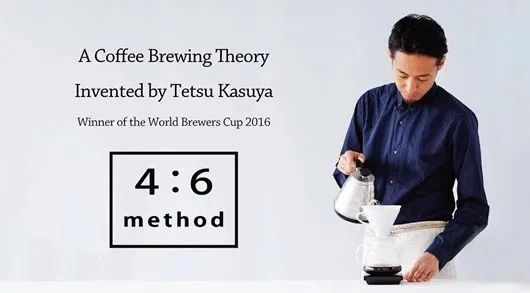
Understanding the 4:6 Method
The 4:6 Method is an extremely easy-to-grasp and practical approach. Its parameters are comprehensive and rigorous, so you can brew a delicious cup simply by following the numbers, even without a deep understanding of coffee extraction theory. For anyone who wants to understand pour-over extraction, it also offers valuable insight.
Its inventor, Tetsu Kasuya, set out to create a method that "allows anyone to brew delicious coffee." The method is therefore very simple and demands neither stable pouring skill nor advanced comprehension. Follow the parameters and you will succeed consistently.
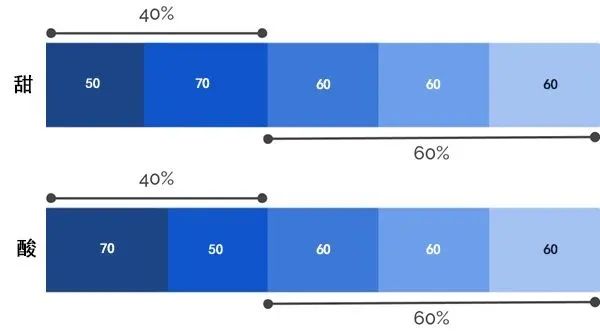
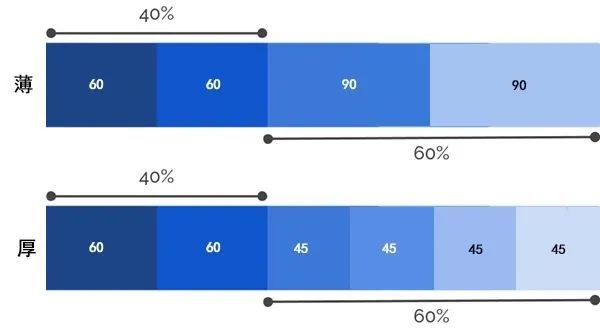
As Tetsu Kasuya explains the 4:6 Method: "Divide a single brew into five equal pouring segments, each containing three times the coffee amount. The first and second segments account for 40% of the total water and determine the coffee's flavor direction, the balance between acidity and sweetness. The third, fourth, and fifth segments make up 60% of the total water and determine the coffee's texture, or body."
Specific Parameters
Filter: Hario V60
Coffee amount: 20g
Total water: 300ml
Grind size: coarse pour-over grind, with a 50% pass-through rate on a #20 sieve
Water temperature: 92°C
Pouring interval: 45 seconds, including pouring time
Duration of each pour: 5 to 7 seconds
Brewing Process
First pour: 60ml, 45-second interval
Second pour: 60ml, 45-second interval
Third pour: 60ml, 45-second interval
Fourth pour: 60ml, 45-second interval
Fifth pour: 60ml, then wait for the coffee to finish dripping, approximately 3 minutes 40 seconds
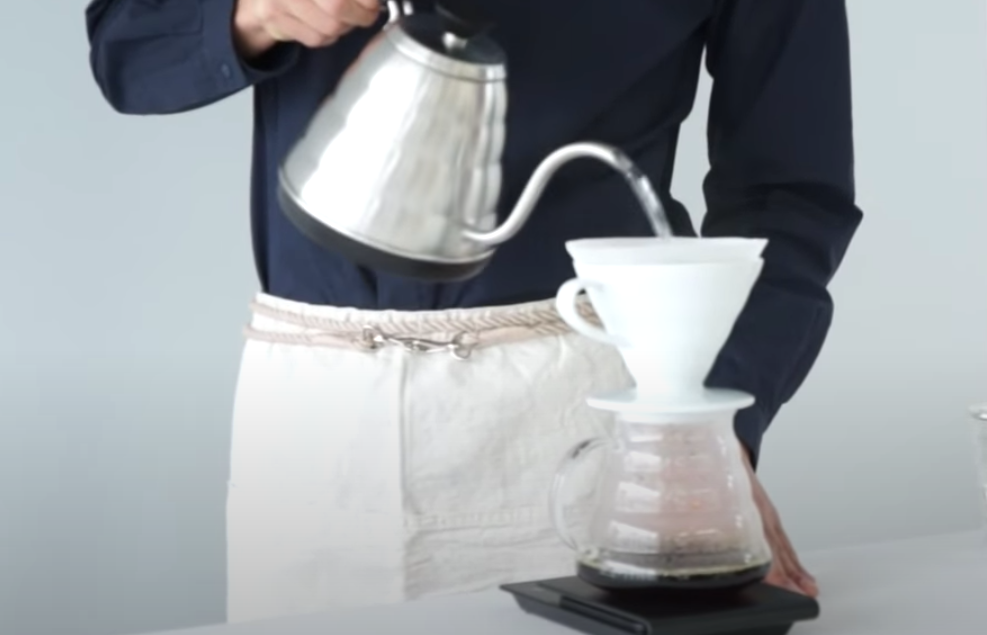
Why This Method Never Fails
Let us analyze why the method works so reliably. The most crucial factor is grind size. Many beginners fail at brewing because of over-extraction. This method uses a surprisingly coarse grind: FrontStreet Coffee uses a grind with an 80% pass-through rate on a #20 sieve for light roasts, while the 4:6 Method uses 50%, which greatly improves tolerance.
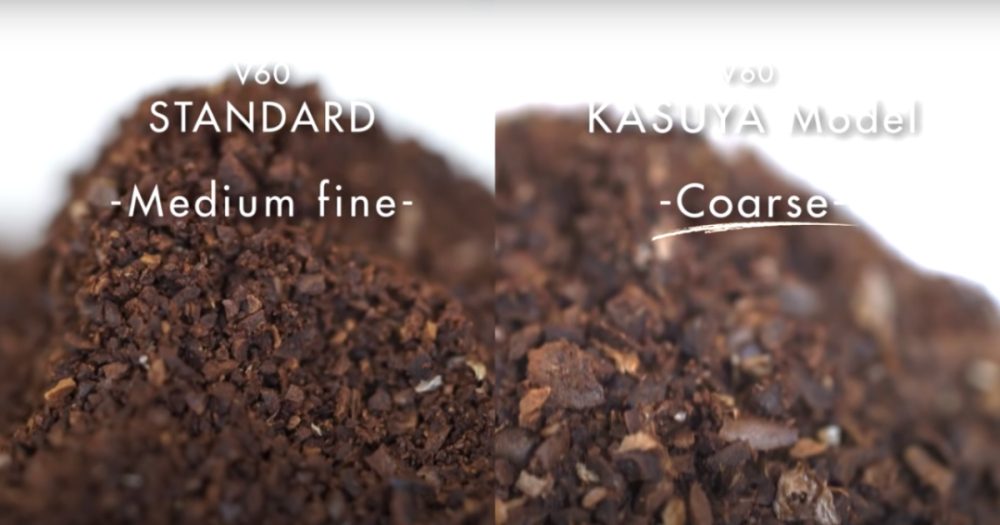
To compensate for the slower extraction of a coarse grind, the method extends the overall brew time. Have you noticed why each pour is spaced 45 seconds apart? With a 50% sieve pass-through rate, 40 to 45 seconds is how long water takes to drain completely from the dripper. Pouring the next segment after the water has drained delivers very consistent results.
The Theory Behind the 4:6 Method
The theory is that in a single brew, the first 40% determines flavor while the last 60% determines texture. The advantage is that it removes several uncertain factors, including time control and pouring technique. The 4:6 Method fixes the timing of the pours, and the pouring technique itself can be handled with basic water-control skill.
The segmented pour amounts are not fixed. Changing the ratio between the first and second pours, for instance, adjusts acidity and sweetness. Using 50ml for the first pour and 70ml for the second can enhance sweetness, while using 70ml first and 50ml second can increase acidity. The secret is that coffee grounds can only absorb twice their weight in water, so excess water from the first pour flows into the lower carafe under-extracted. The extraction that should have happened in the first pour is left to later pours, producing noticeable acidity.
Adjusting Coffee Body
Similarly, the last 60% controls the coffee's body, which can be adjusted by changing the number of pours. For a lighter texture, divide the last 60% into two segments of 90ml each, using fewer pours. For a fuller body, split the 60% into four segments of 45ml each, using more pours.
FrontStreet Coffee Recommendation
The 4:6 Method was built around the V60, so the dripper is worth choosing carefully. Hario, the company behind the V60, was founded in Tokyo in 1921 and first produced heat-resistant glassware for research institutions; it redesigned the V60's prototype in 2004 and released the dripper in 2005, naming it for its 60-degree cone and V shape. The conical design and single large hole mean water travels to the center before dripping through, lengthening contact with the grounds and leaving flow rate in the brewer's hands.
Because the V60 favors bright, aromatic coffees, FrontStreet Coffee recommends light-roasted beans for this recipe. FrontStreet Ethiopia Huakui brings ripe tropical fruit, FrontStreet Strawberry Candy adds raisin and floral notes with a Geisha character, and FrontStreet Mozart leans into raisin sweetness; all reward the method's precise staging. For a rounder, low-acid cup, FrontStreet PWN Golden Mandheling, FrontStreet Brazil Queen's Estate, and FrontStreet Jamaica Blue Mountain No. 1 also brew beautifully in a V60.
To pair with the 20g and 300ml of the 4:6 recipe, keep the grind at a coarse 50% pass-through on a #20 sieve and the water at 92°C, pour each 60ml segment in 5 to 7 seconds with a 45-second interval, and wait for the final drip at about 3 minutes 40 seconds.
Important Notice :
FrontStreet Coffee is a long-established specialty coffee roaster in Guangzhou China, selling freshly roasted beans from its own farm in Yunnan as well as dozens of carefully selected single-origin beans from around the world for both pour-over and espresso. The products deliver consistently excellent quality and great value, with shipping within 24 hours. Guangzhou's FrontStreet Coffee shop is recommended by many coffee lovers, and the beans are now available online at the Tmall 。
FrontStreet Coffee has moved to a new address:
FrontStreet Coffee Address: 315,Donghua East Road,GuangZhou
Tel:020 38364473
 Scan and follow the En Gafei WeChat official account. Please indicate that the reprint comes from "En Gafei".

