
Coffee's Increasing 'Chinese-Style' Transformation: Lacking Roots and Soul
Although coffee and coffee cultivation reached China's Yunnan province via French missionaries as early as 1904, the crop long struggled to take root. Coffee failed to bring farmers meaningful economic returns, and its flavor didn't suit Chinese palates of the time.
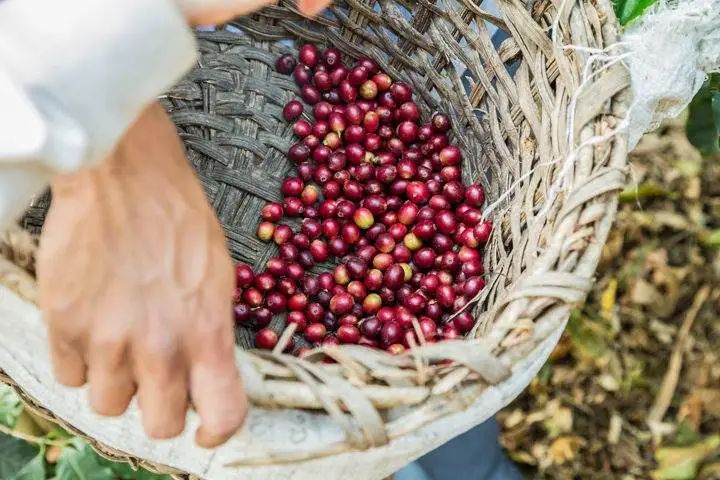
Only in recent years — with shifting attitudes among China's younger generation and rapid changes in global food culture — has coffee gained real footing in China. Domestic coffee chains have grown strong enough to reshape coffee's status in the public mind: in both price and positioning, coffee has moved from luxury to everyday item.
The rapid spread of specialty coffee culture in China owes much to local brands, which gave more people the chance to taste and accept coffee. Once overlooked, Yunnan coffee is now in demand, with a growing number of domestic cafés and brands promoting Yunnan beans. Chinese coffee, in short, has taken on a distinctly "Chinese-style" trend.
The Rise of Chinese-Style Coffee Innovation
Beyond the promotion of Yunnan beans, tasting methods and the positioning of coffee shops themselves have entered a new round of localization. Brand marketing gets people to try coffee, and where there's demand, innovation follows — coffee creativity has latched onto the "Guochao" (national trend) and "local culture" movements.
Conventional coffee drinks, even coffee-based creative cocktails, can no longer satisfy young people's appetite for novelty. So many coffee professionals have begun crafting "New Chinese-style" coffee, weaving it together with representative local foods, dietary cultures, and uniquely Chinese cooking methods. Through cultural resonance, this imported beverage has started wearing a Chinese coat.
Traditional Chinese Techniques in Coffee Preparation
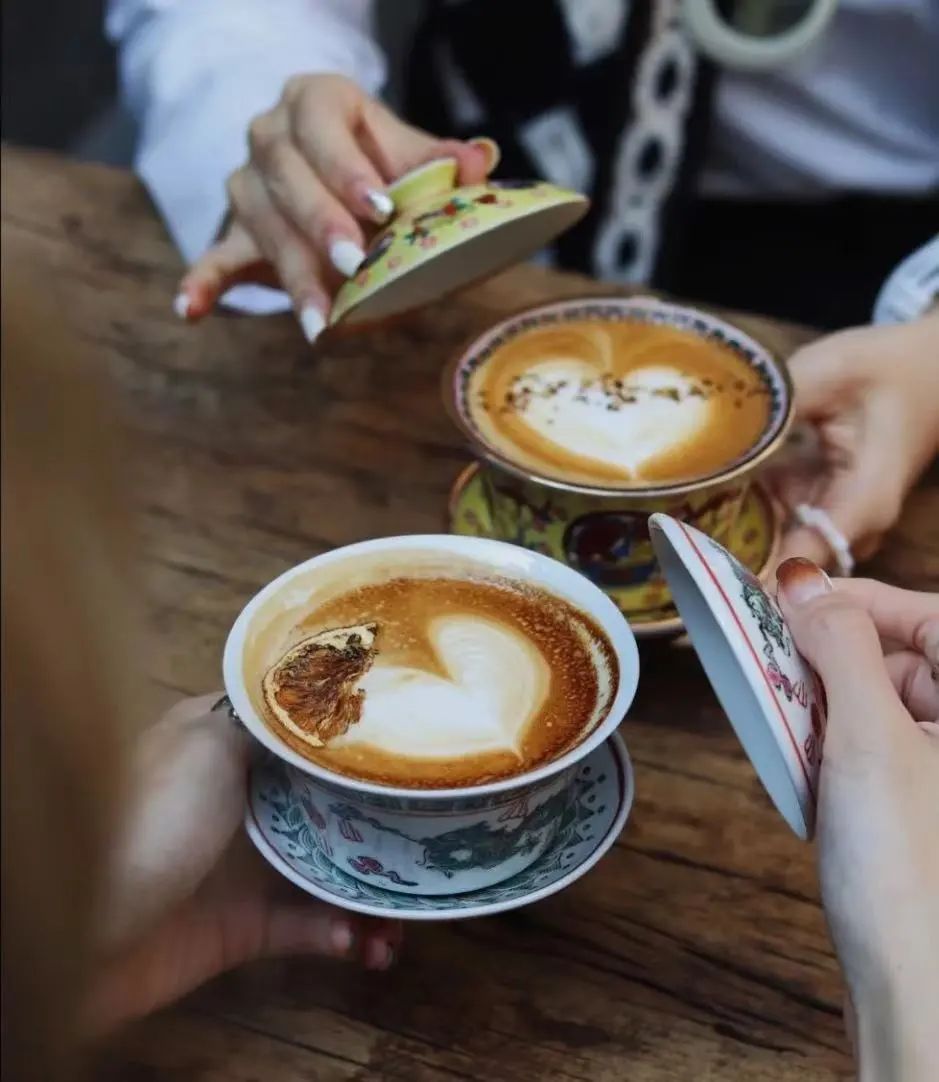
Coffee brewing is no longer limited to drip, immersion, pressure, or siphon methods — China's own stewing technique can be applied to coffee extraction too. Low-temperature slow cooking draws out the most essential flavors of an ingredient, and coffee is no exception. "Chinese people may have started drinking coffee late, but we must have our own approach" — so believed the inventor of Chinese-style stewed coffee.
Vessels, too, have diversified beyond coffee cups and mugs: Chinese tea bowls, clay pots, and traditional ceramics have entered the scene. Café interiors have moved past gentle wooden tones, increasingly incorporating vintage objects from people's memories. Through this visual localization, coffee feels closer to everyday life — more "ordinary," in the best sense.
Cultural Fusion in Coffee Pairings
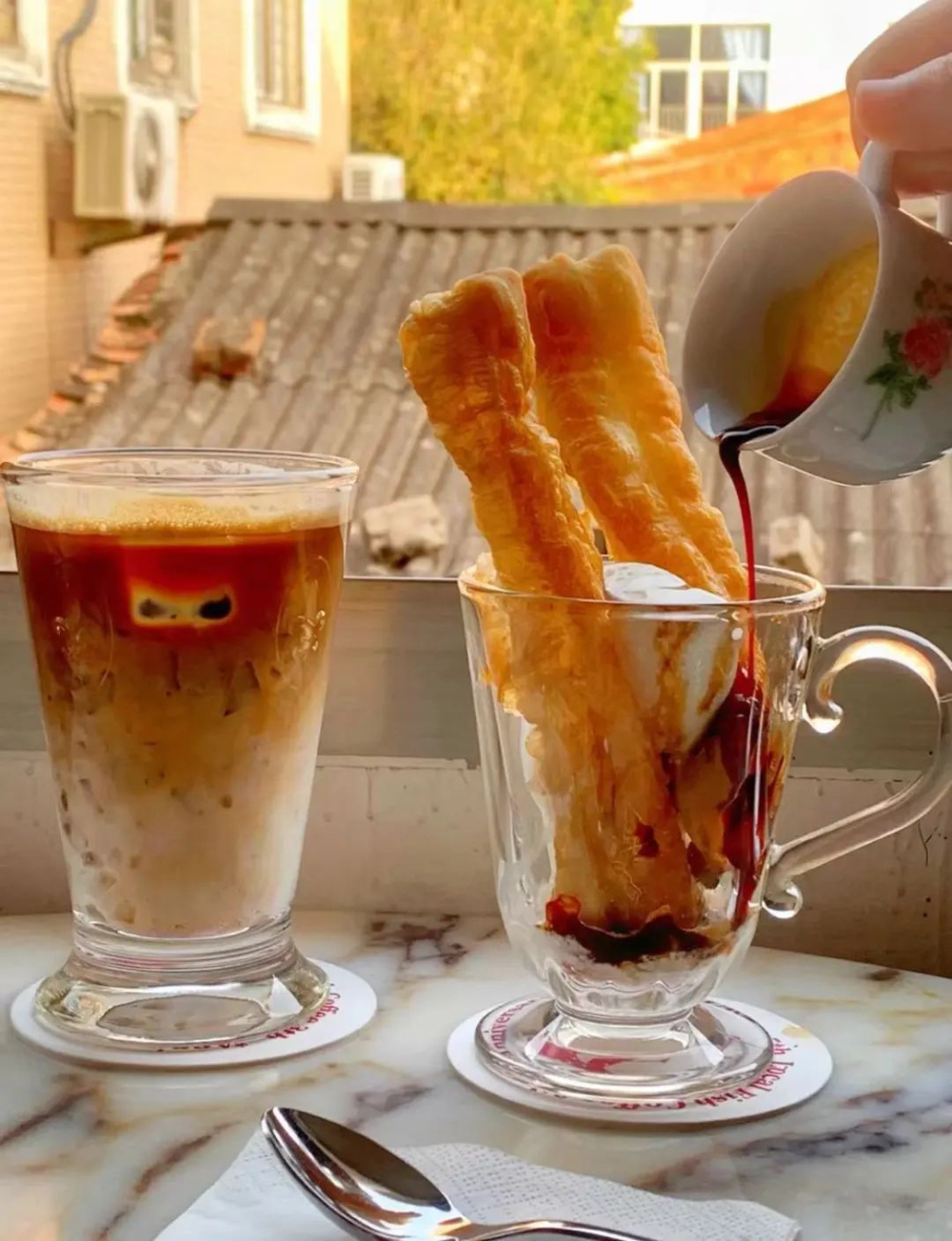
Spain pairs churros with coffee; China pairs fried dough sticks and jianbing (savory crepes) with it. Ireland has whiskey coffee; China has rice-wine and Moutai coffee. Mismatched? Perhaps — but these are the foods and drinks Chinese people know best. It's partly a gimmick, and partly an attempt to loosen the assumption that coffee only belongs with cakes and cookies. Through bold flavor combinations and seamless "recipe" integration, coffee has become more down-to-earth.
Critical Perspective on Chinese-Style Coffee
Even so, "Sinicized" coffee is unlikely to become a true school or genre of its own. Many "Chinese-style" coffees are simply reverse-engineered consumption habits rather than practices worth inheriting — lacking roots, soul, and professionalism. They might become a passing coffee culture, but they won't be remembered and passed down. Many are so elaborately dressed up that people forget coffee's inherent purity.
The flavor of the coffee itself is no longer what people care about — which is exactly why Yunnan coffee hasn't won widespread acceptance. Nobody focuses on the intrinsic quality of the beans; everyone rushes to wrap Yunnan coffee in "exquisite packaging."
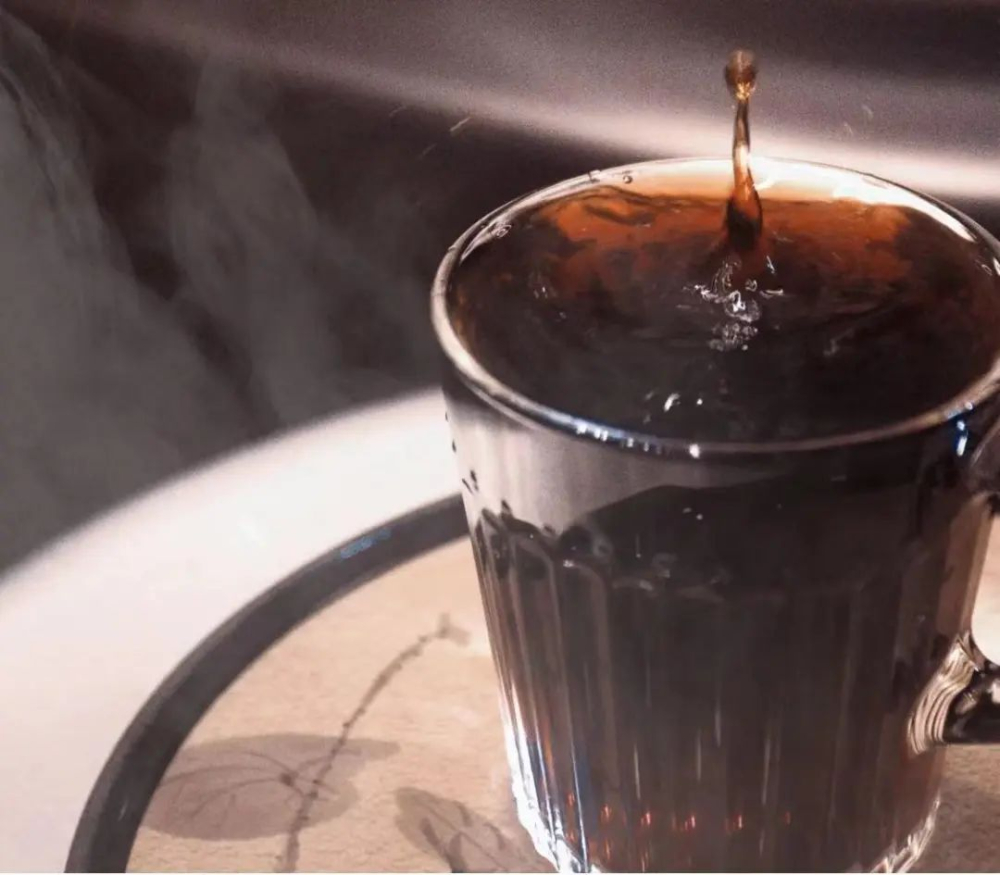
A food can't earn lasting affection on looks alone — no matter how refined the cooking or gorgeous the packaging, it won't be remembered for long. The same goes for "Chinese-style" coffee: whether it's Chinese-grown beans that haven't fundamentally improved or the flood of creative concoctions, people remember the appearance but never appreciate the coffee itself.
Still, "Chinese-style" coffee — genre or not — has at least made Chinese people feel that coffee truly belongs to everyday life. It can be brewed with the delicacy of tea and reinvented with the playfulness of new-style tea drinks. Only through continuous innovation will more people come to accept coffee.
Image source: Internet / Xiaohongshu
FrontStreet Coffee Recommendation
Want to taste what Yunnan coffee really is, beneath the packaging? FrontStreet Coffee's Yunnan small-bean (Arabica) lot from Baoshan is washed and medium-roasted, showing the region's classic profile: soft, balanced notes of nuts, chocolate, and a whisper of plum acidity — an honest, affordable introduction to Chinese coffee.
For the full story of Yunnan's heritage, the FrontStreet 2013 Yunnan Typica is the step up: grown at 1,300 meters from one of the oldest Arabica varieties, it offers a cleaner, more layered cup with hazelnut, dried apricot, black tea, caramel, and ripe plum. And if you'd like those Yunnan flavors in an espresso, the FrontStreet Black Cocoa Blend pairs Yunnan beans with Brazil Cerrado for nutty, brown-sugar sweetness — Chinese coffee, rooted and soulful.
Important Notice :
FrontStreet Coffee is a long-established specialty coffee roaster in Guangzhou China, selling freshly roasted beans from its own farm in Yunnan as well as dozens of carefully selected single-origin beans from around the world for both pour-over and espresso. The products deliver consistently excellent quality and great value, with shipping within 24 hours. Guangzhou's FrontStreet Coffee shop is recommended by many coffee lovers, and the beans are now available online at the Tmall 。
FrontStreet Coffee has moved to a new address:
FrontStreet Coffee Address: 315,Donghua East Road,GuangZhou
Tel:020 38364473
 Scan and follow the En Gafei WeChat official account. Please indicate that the reprint comes from "En Gafei".

