Pour-Over Techniques | Three-Stage Method, Stirring Method, Single-Pour Method, Drip Method, and Three-Temperature Method
Today we introduce the most common techniques for pour-over coffee:
The well-known schools include the single-stream pour, the three-stage method, the stirring method, the point-drip method, the volcano pour, the meteor pour, the Kawano pour, the zigzag pour, the three-temperature method, and many more.
For all their diversity, these pour-over schools share a single goal: to obtain a unique, excellent cup of coffee while enjoying the fun of experimentation. Making delicious pour-over coffee at home is actually quite simple — master a few key techniques and essentials, and you can brew a wonderful cup yourself.
Three-Stage Pouring Method
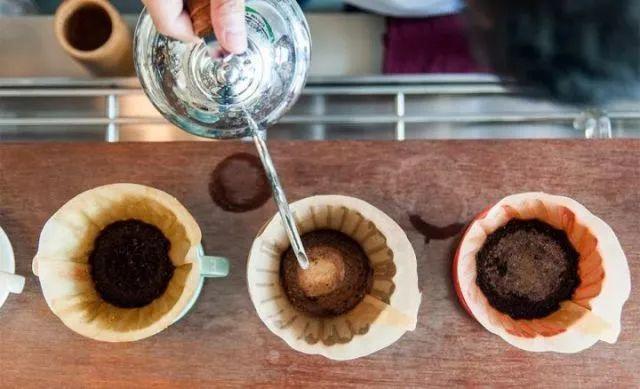
This is segmented extraction: one dose of water is divided into three pours.
Suitable for light, medium-light, and medium roast coffee beans.
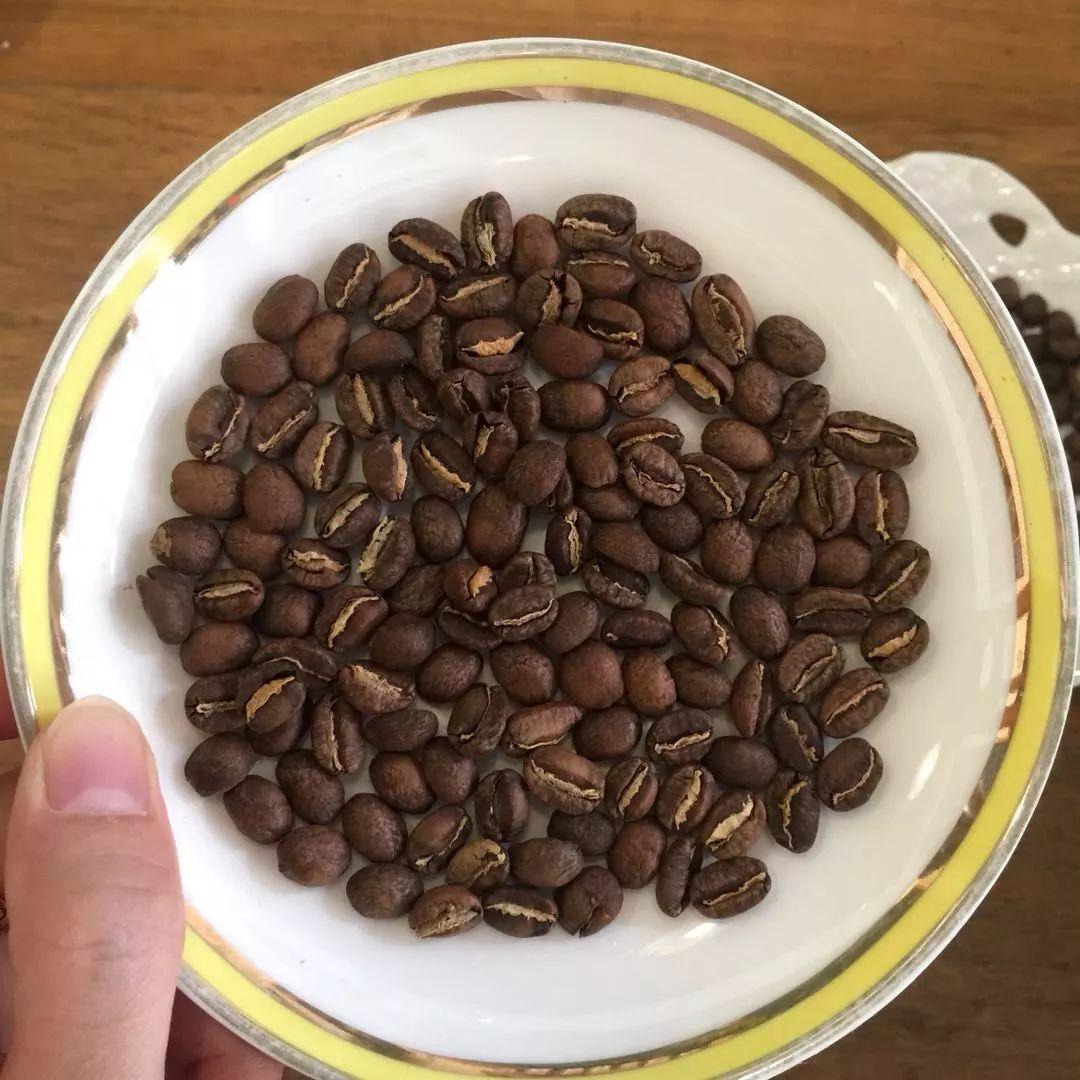
How the three-stage segmentation works:
Advantages: It delivers richer layers than the single-stream pour, clearly separating the front, middle, and back-end flavors of the coffee. The approach is to increase the water volume with each pour after the bloom, typically pouring again just as the liquid is about to expose the coffee bed, using small, medium, and large flows for the three stages.
Disadvantages: It makes relatively high demands on your control of flow rate and volume.
Take Yirgacheffe Kochere as an example:
[Three-Stage Pouring Method] + V60 dripper
15g of coffee, water temperature 88.9°C, grind size 3.5
Coffee-to-water ratio close to 1:15
35g of water for the bloom, bloom time 32s
Segmentation: pour to 110ml, pause, then slowly pour to 228ml
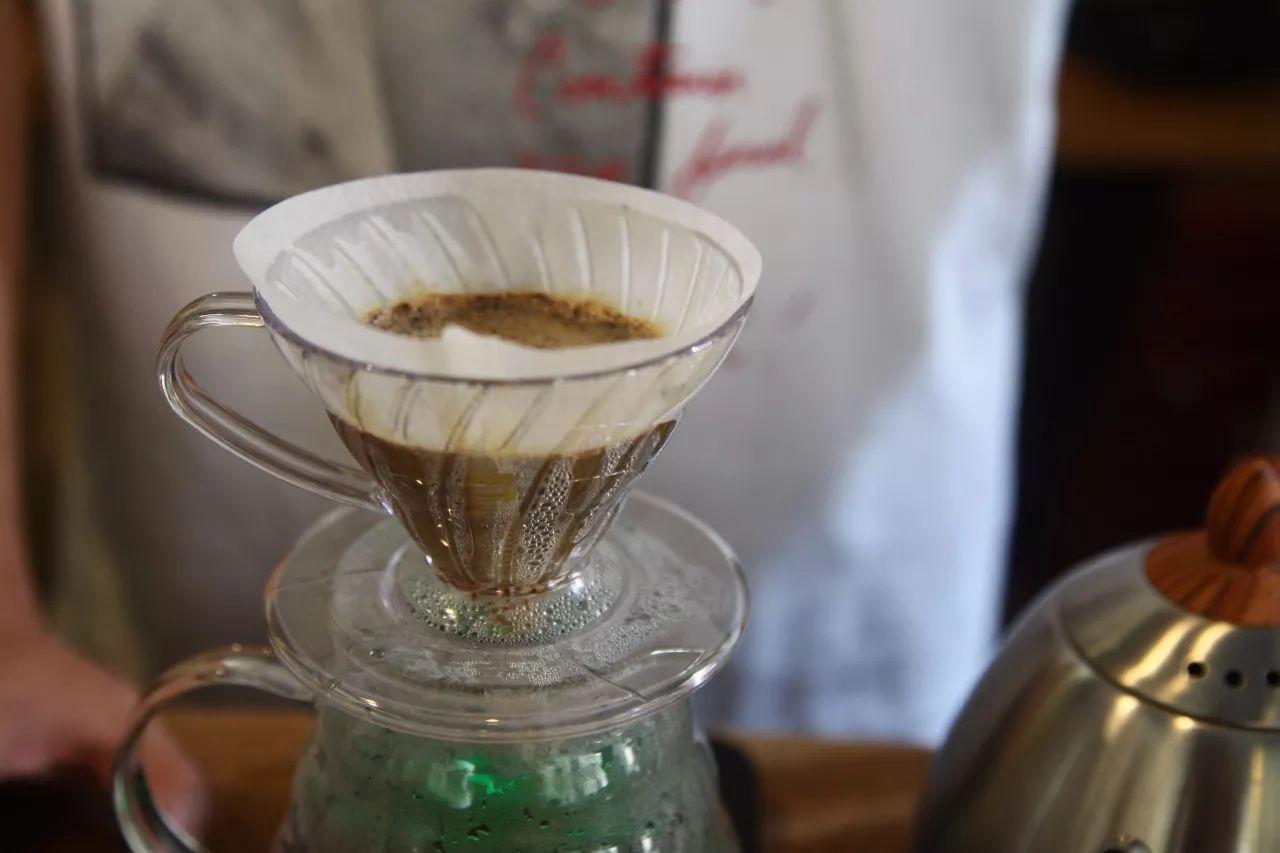
Stirring Bloom Method
Suitable for very light, light, and light-medium roast coffee beans.
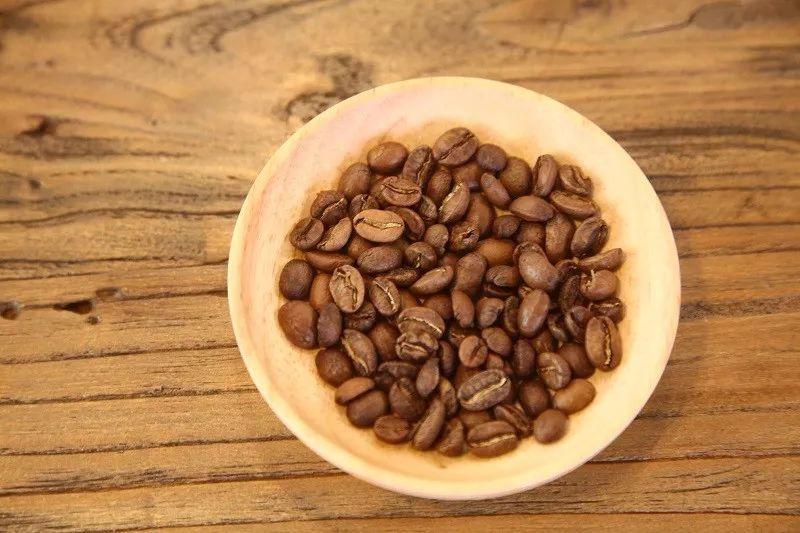
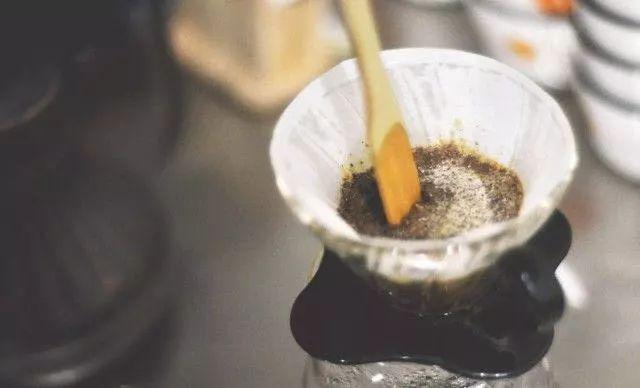
The Western stirring method uses a stirring stick to cross-stir the bloom — a branch of the three-stage method, popularized as a competition technique by 2012 World Brewers Cup champion Matt Perger. Stirring effectively boosts the release of aromatic compounds, amplifies the beans' flavor strengths, and enhances the coffee's mouthfeel without thinning it out.
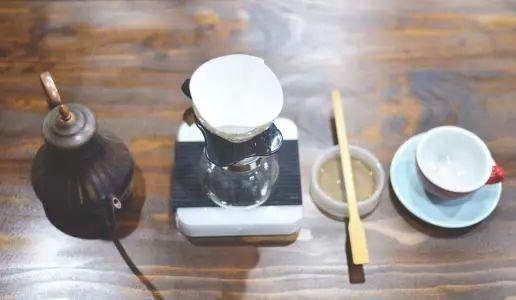
This method is demanding about bean quality: with inferior beans it will amplify their flaws just as readily. The stirring bloom suits light roasts and usually pairs with a finer grind to increase the water's contact area and raise the extraction rate. The difficulty lies in controlling the degree of stirring — too vigorous produces harsh acidity, too long produces bitterness, and the force must stay gentle.
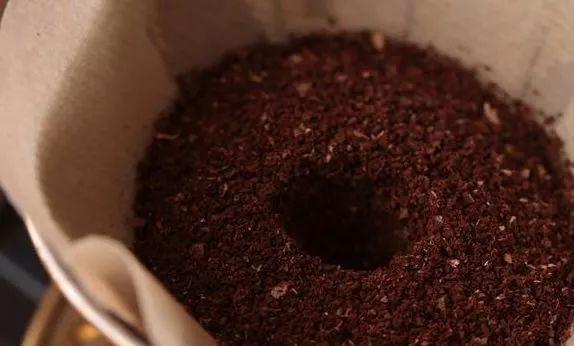
Why make a small well in the center of the coffee bed before the bloom? The purpose is simple: because more coffee collects at the center, the well concentrates and evens out the water flow. It isn't strictly necessary — the impact force of the pour can achieve the same thing.
That said, if the stirring isn't well controlled, over-extraction easily follows. Used skillfully, it boosts aromatics and does a great deal to highlight a coffee's flavor character.
Take Panama Geisha "Floral Butterfly" as an example:
[Stirring Method] + V60 dripper
15g of coffee, water temperature 88°C, grind size 3.5
Coffee-to-water ratio close to 1:15
Bloom for 30 seconds (light-medium roast),
stirring with a wooden stick for 10 seconds during the bloom,
then continue with spiral pouring.
Single-Stream Method
Suitable for medium roast or darker coffee beans.
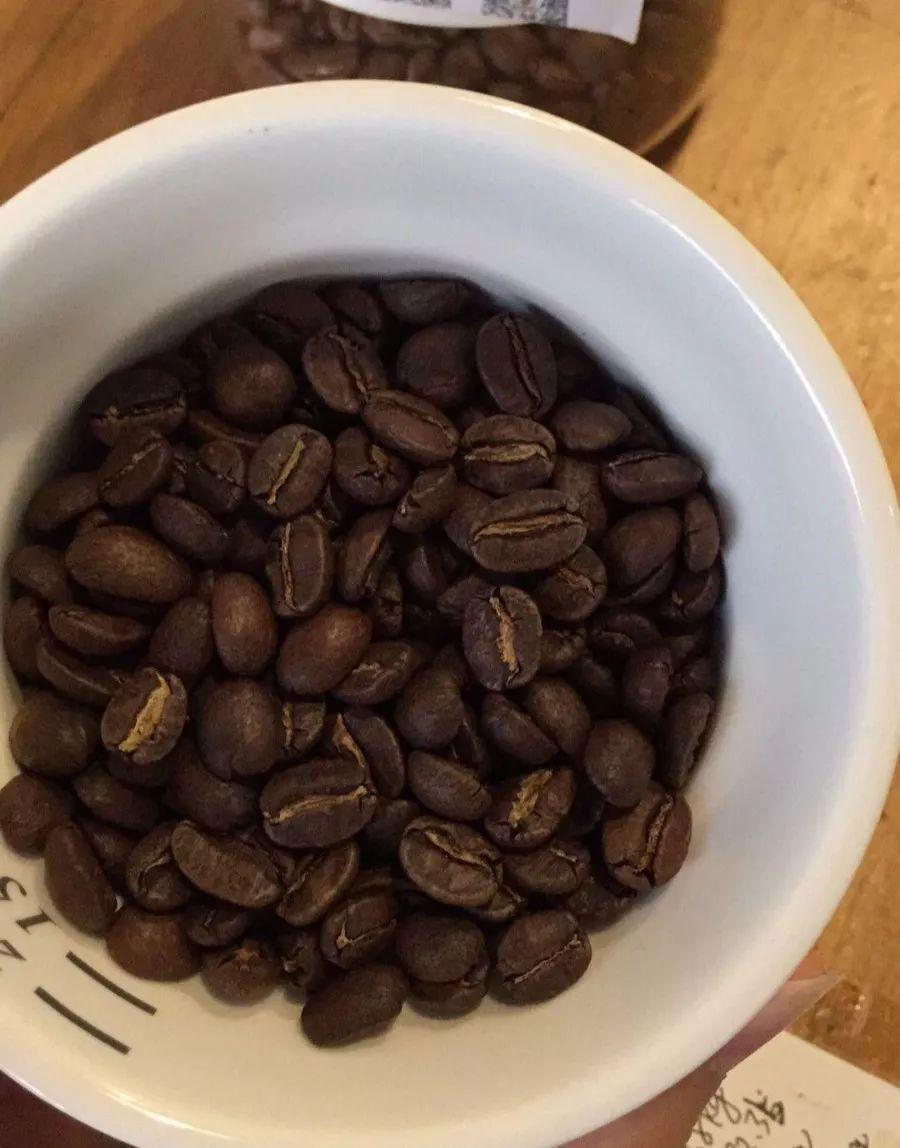
As the name suggests, after the bloom you make one single, uninterrupted pour.
That continuous pour keeps the grounds fully submerged, and the retained liquid steadily draws aromatics out from within them. The flow rate rises continuously, then is reduced before the water level threatens to overflow the dripper.
This technique is mostly about controlling how much water you pour and how fast, extracting all stages while keeping the cup in balance — a careless pour can throw the whole thing off.
The goal is harmony and balance. The disadvantage: if the pour isn't well controlled, water can run straight down the edges of the filter paper where there are no grounds, leaving the coffee tasting watery.
Take Jamaica Blue Mountain as an example, with [Single-Stream Method] + flannel filter:
25g of coffee, water temperature 85°C, grind size 4.5 (small Fuji grinder)
Coffee-to-water ratio close to 1:10
40g of water for the bloom, bloom time 20s
Japanese Drip-By-Drip Pouring Method
Suitable for medium, medium-dark, and darker roast coffee beans.
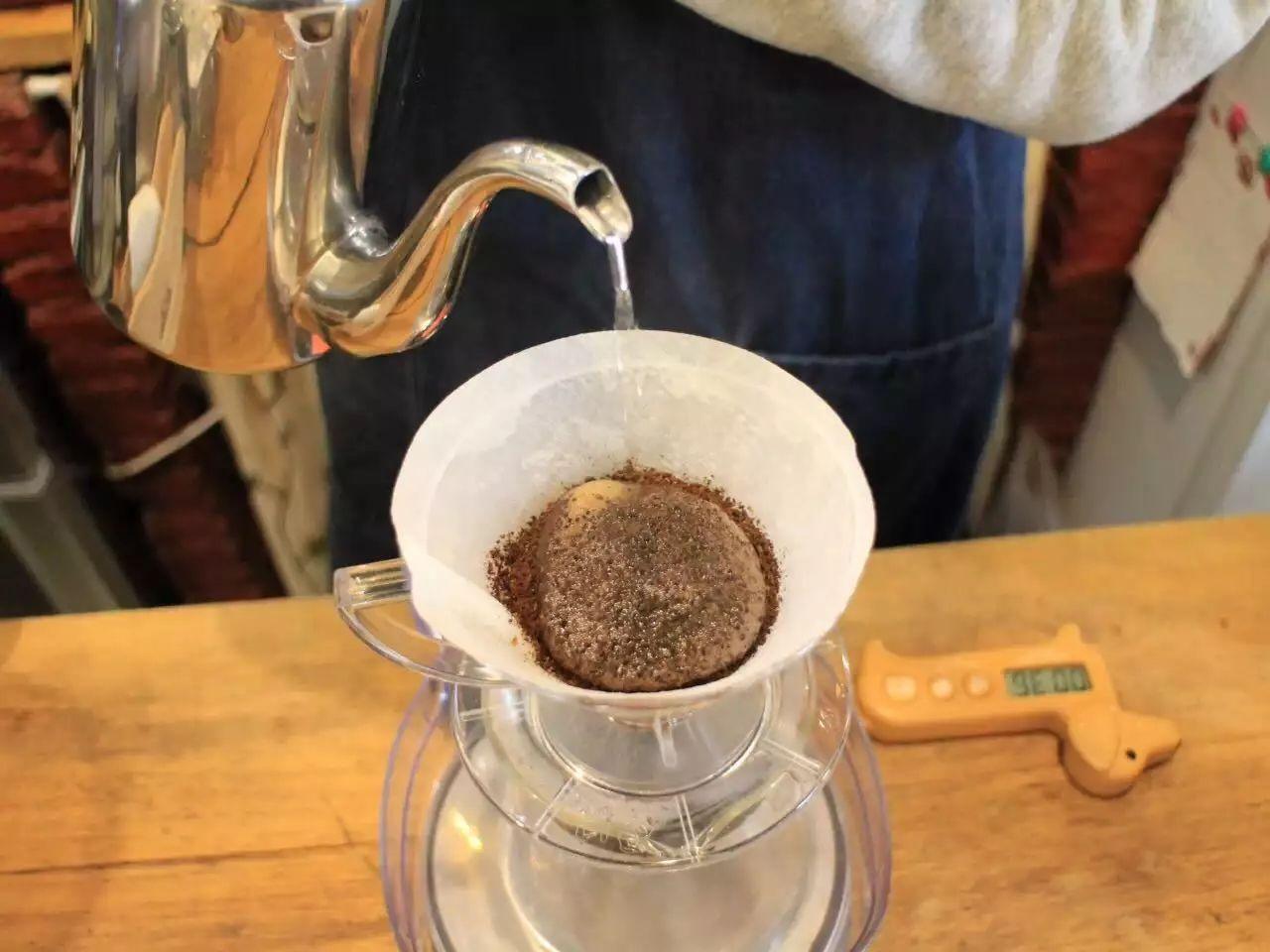
The drip-by-drip flow is gentle, disturbing the coffee bed as little as possible, reducing convection, and extending steep time. Coffee brewed with this Japanese technique has a heavy body, high sweetness, rich smoothness, and a distinct texture.
Because the kettle has to deliver water drip by drip, a flattened wide-mouth spout or a wide gooseneck kettle works best.
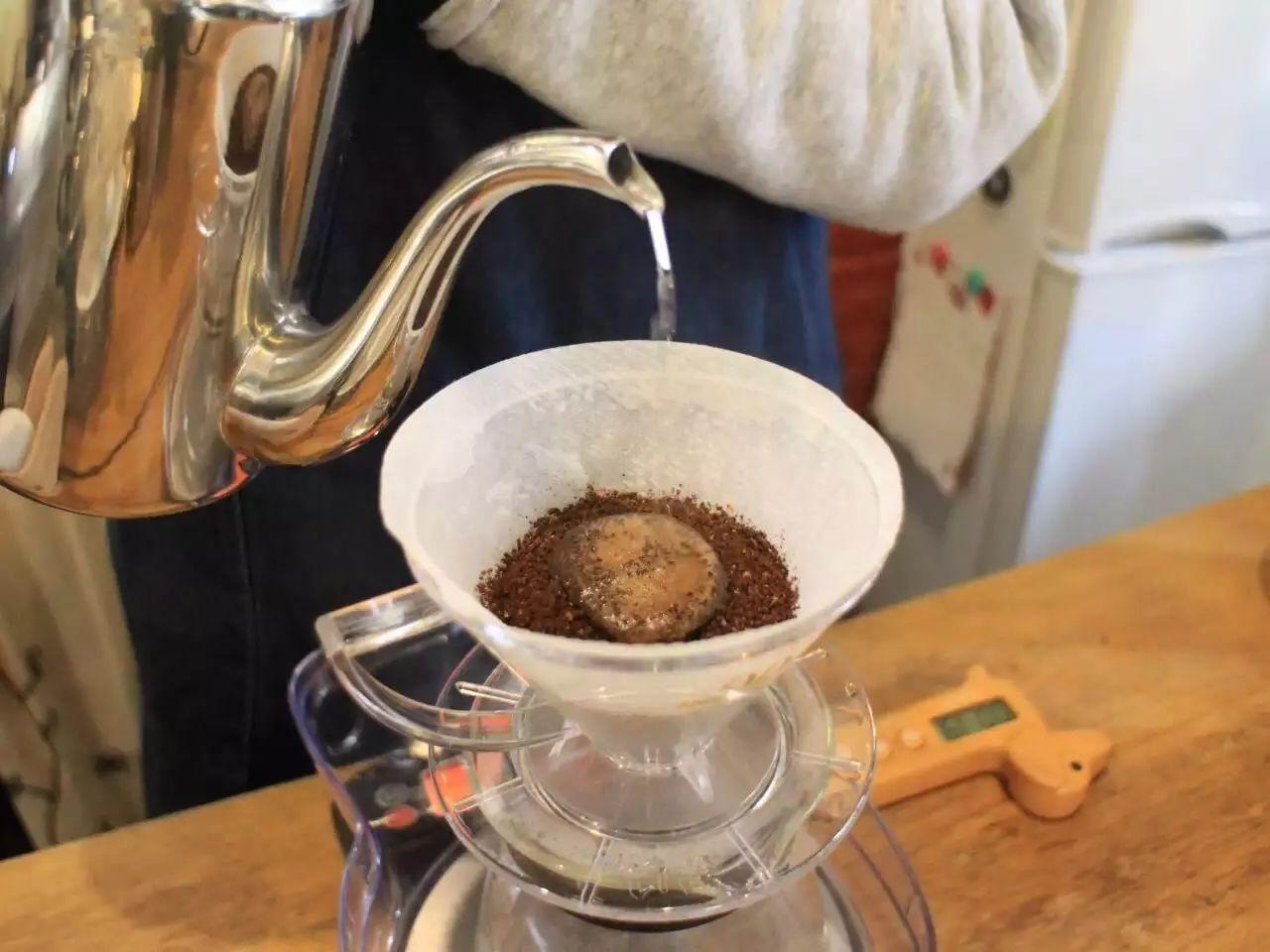
Kettles of this type offer fine control over the flow's thickness, suiting the drip method well. Paired with Kono's conical dripper — whose ribs stop at less than half the height of the cone — the filter paper adheres fully to the wall once wet, greatly limiting the airflow space. This combination suits medium-dark and darker roasts.
Start with drip-by-drip pouring to extend the steep, letting the grounds fully expand at a low coffee-to-water ratio without picking up off-flavors. Then switch between fine and coarse flows to draw out the floral and fruit aromatics from the front end of the coffee. The whole process takes roughly 4–5 minutes.
Take Mandheling as an example:
[Drip Method] + KONO dripper
18g of coffee, water temperature 83°C, grind size 4 (small Fuji grinder)
Coffee-to-water ratio close to 1:13
Bloom for 2–2.5 minutes
Extraction time 4 minutes
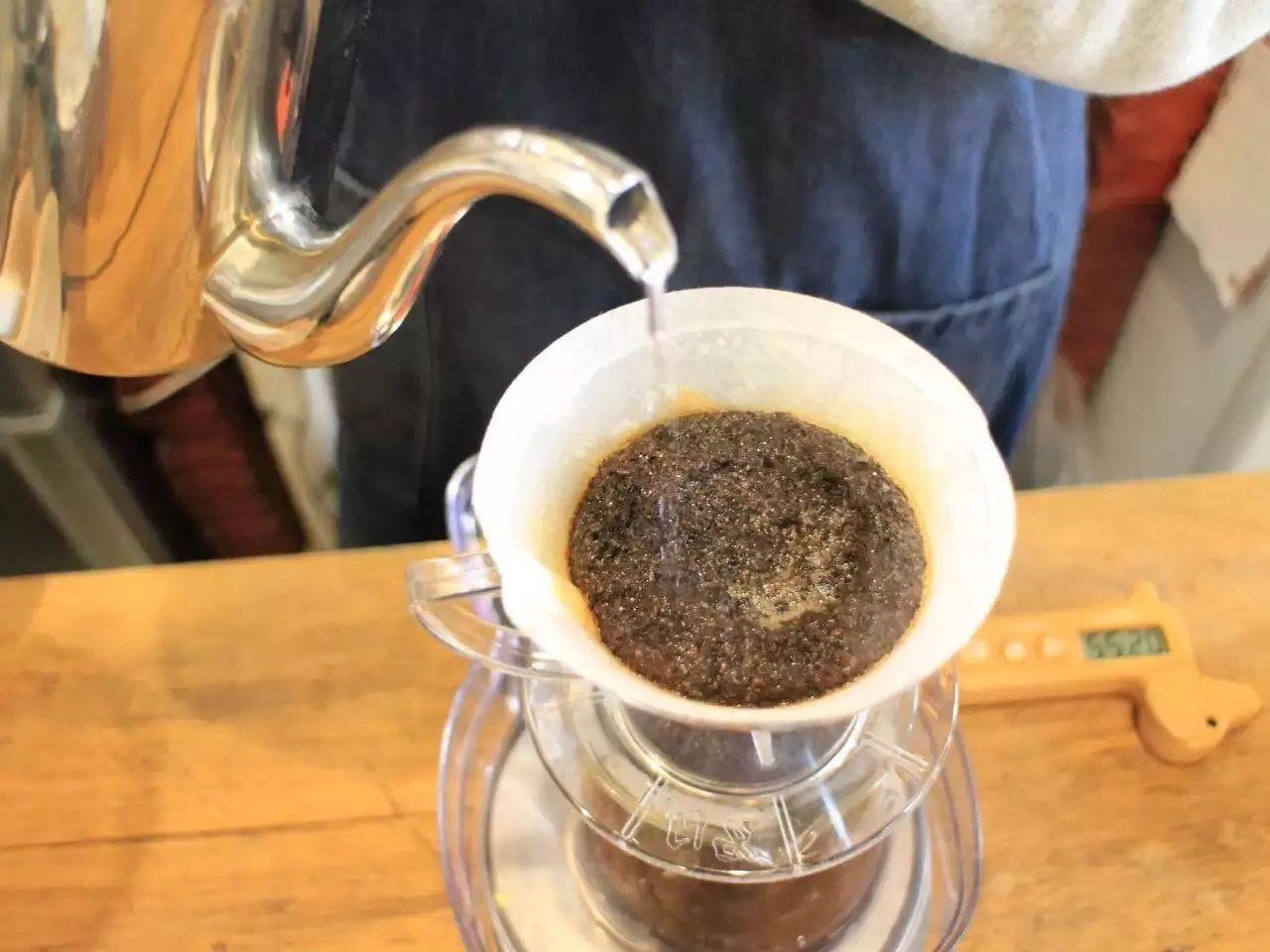
Three-Temperature Pour-Over Method
Suitable for light and medium roast coffee beans.
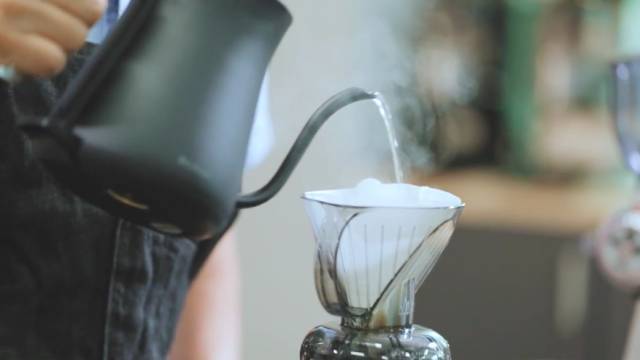
Here three different water temperatures are used across the brew, with segmented extraction.
The advantage of the [Three-Temperature Pour-Over Method]: it can draw out a light roast with ample aroma, a full sweet-and-sour impression, and a long aftertaste. Segmentation and stepwise temperature reduction express the coffee's layering and fullness while avoiding the bitter, astringent taste that immersion brewing or slow filtration can cause through over-extraction.
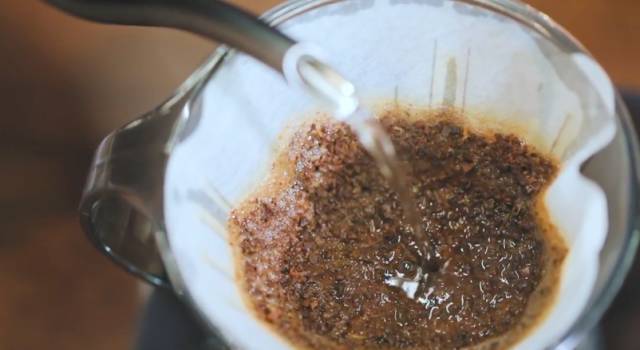
The first, large-volume pour uses very high water temperature, since heat helps extract the coffee's aromatics fully.
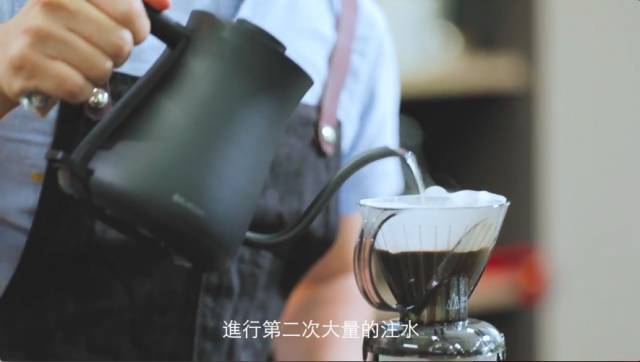
The second large-volume pour drops the water temperature to between 88–93°C. The hotter the water, the higher and brighter the coffee's acidity; the cooler, the more pronounced its sweetness. Pour until you reach 200cc (approximately 200g).
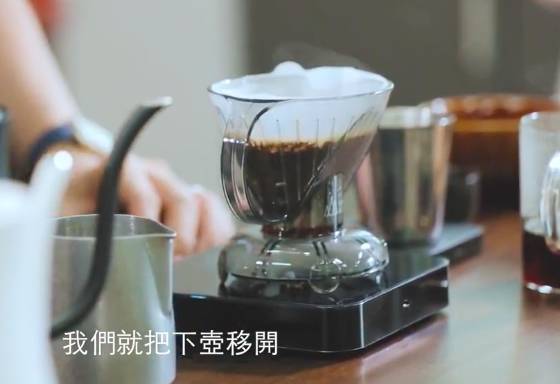
When the second pour has nearly finished dripping, lift the smart cup — the valve will stop the flow and halt filtration — then remove the lower vessel.
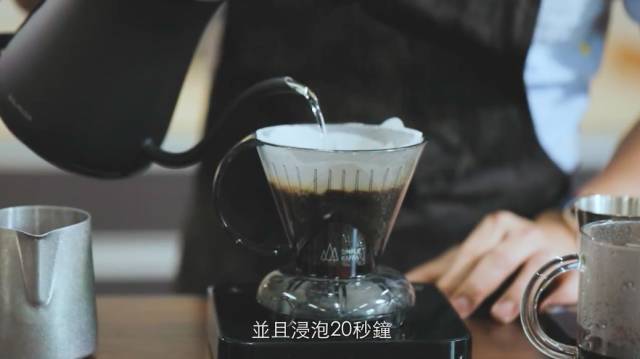
Take Ethiopian washed beans as an example:
[Three-Temperature Method] + Smart dripper
Coffee weight: 16g, water amount: 240cc
First pour (bloom): water temperature — near boiling; time 30s
Second pour (filtration): large volume, water still near boiling
Third pour (filtration): water reduced to between 88–93°C, large volume, until reaching 200cc
Fourth pour (immersion): water reduced to between 80–85°C, pour 40g and steep for 20s
FrontStreet Coffee Recommendation
If you're just getting into pour-over and want a practical, good-looking dripper, FrontStreet Coffee almost always points beginners to the Hario V60. Hario, founded in Tokyo in 1921 as a producer of heatproof glass instruments, redesigned the V60 in 2004 into the familiar 60-degree V-cone form and launched it the following year. The cone and its single large outlet let flow speed reflect the brewer's control and give florals, fruit acidity, and delicate sweetness room to shine — ideal for beans like FrontStreet Coffee's Gedeb Yirgacheffe, a washed lot from the Worka area at the southeastern edge of Yirgacheffe known for its clean, bright citrus and lemon acidity and jasmine fragrance; the natural Red Cherry Yirgacheffe with its tropical-fruit juiciness and honeyed sweetness; or a classic Panama Geisha with its orange-blossom, honeyed elegance.
For brewing Yirgacheffe-style coffees, FrontStreet Coffee suggests a V60 at 90–91°C, 15g of coffee at a 1:15 ratio, a medium-fine grind (about fine granulated sugar, 80% pass-through on a #20 sieve), a 30-second bloom with 30g of water, then staged pours up to about 225g, finishing in roughly 2 to 2 minutes 10 seconds. If you'd rather explore the Japanese side of pour-over, the drip-by-drip method with a Kono dripper and a deep-roast Mandheling brings out a thick, sweet, low-acid cup that shows just how differently the same technique can taste.
Important Notice :
FrontStreet Coffee is a long-established specialty coffee roaster in Guangzhou China, selling freshly roasted beans from its own farm in Yunnan as well as dozens of carefully selected single-origin beans from around the world for both pour-over and espresso. The products deliver consistently excellent quality and great value, with shipping within 24 hours. Guangzhou's FrontStreet Coffee shop is recommended by many coffee lovers, and the beans are now available online at the Tmall 。
FrontStreet Coffee has moved to a new address:
FrontStreet Coffee Address: 315,Donghua East Road,GuangZhou
Tel:020 38364473
 Scan and follow the En Gafei WeChat official account. Please indicate that the reprint comes from "En Gafei".