Nicaragua Nueva Segovia MANCOTAL Region | UCASUMAN Cooperative Organic Beans F.T | O.C.I.A Certified
Professional coffee knowledge exchange. For more coffee bean information, please follow Coffee Workshop (WeChat public account: cafe_style).
Nicaragua Jinotega MANCOTAL Region | UCASUMAN Cooperative Organic Beans F.T | O.C.I.A Certified V60 Brewing Techniques
Nicaraguan coffee has drawn little attention in recent years. Beyond the traditional high-altitude Typica, Maragogype, and Java varieties, coffee enthusiasts rarely bring it up. In fact, Nicaragua's growing conditions are not one bit inferior to other Central American countries. Coffee grown at high altitude under shade has a rounded, balanced flavor with soft acidity. Like its northern neighbor Honduras, it has become one of Central America's rising coffee stories over the past year or two, with annual exports reaching $200 million. Nationwide, 33,000 families make their living from coffee, supporting roughly 200,000 jobs.
High-quality beans come mostly from the central Jinotega and Matagalpa regions. In recent years the main variety has been Caturra, complemented by some Typica and Bourbon. Fine Nicaraguan coffee is marked "S.H.G" on the bags, denoting beans grown at strictly high altitude.
Organic Nicaraguan beans carry the marks of certified international organizations on their burlap sacks. The UCASUMAN coffee cooperative is certified by Fair Trade (F.T) and the Organic Crop Improvement Association (O.C.I.A), and its raw beans are certified organic in Taiwan by the Northern Region Branch of the Agriculture and Food Agency.
In earlier years, most coffee was bought up by large merchants and farms, leaving little room for independent small farms and cooperatives. In recent years, though - encouraged by better roads and lucrative prizes in cupping competitions - many farmers with vision and ambition have committed themselves to raising quality. Long-term support from Fair Trade (F.T) and the Organic Crop Improvement Association (O.C.I.A) in building basic production facilities and guiding cultivation technique has also helped a growing number of small estates and cooperatives build worldwide reputations.
The harvest mostly runs from December to March, with new-crop beans available for sale from April to July. This time we have brought in the latest season's beans from the 2010 harvest in the MANCOTAL region of central Jinotega, sourced from the UCASUMAN cooperative - certified organic by Fair Trade (F.T) and the Organic Crop Improvement Association (O.C.I.A), and certified as organic raw beans in Taiwan by the Northern Region Branch of the Agriculture and Food Agency (organic certification number: 099-1064-00002).
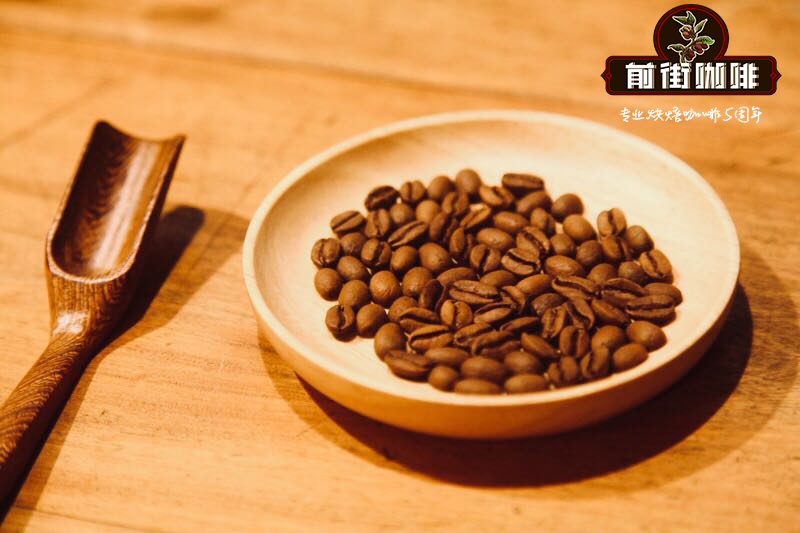
UCASUMAN organic beans are even and regular in shape with few defects, looking clean and fresh.
Roast Levels and Flavor Profiles
Light Roast - End of First Crack (City):
The dry fragrance after grinding shows nutty almond aromas. After brewing, wheat and black tea aromas rise from the cup. The mouthfeel is complex, low, and thick, with a distinct citrus acidity of coarse texture - nothing like the subtle acidity floating in mid-air typical of Nicaraguan coffee. The aftertaste reveals citrus acidity along both sides of the palate with a cool mint sensation.
Medium Roast - 60 Seconds After End of First Crack (Full City-):
During brewing, jasmine aromas float up. The citrus acidity is fronted and softened by milky fragrance, while orange and plum sweetness emerge at the tip of the tongue as the cup cools. The mouthfeel gains a smooth, delicate buttery texture at this roast, and the taste and aroma of black tea linger in the nose.
Dark Roast - Beginning of Second Crack (Full City):
After grinding, sesame and peanut aromas are strong, with ample hazelnut and cocoa sweetness. The mouthfeel is smooth and soft, like honey and maltose, and the sweet aftertaste reveals the delicate smokiness of Guatemalan Antigua amid the sweetness and florals.
Overall Evaluation
The UCASUMAN cooperative organic beans from the MANCOTAL region of Jinotega, Nicaragua, are a coffee with distinct black tea aromas. Interestingly, its acidity and aftertaste carry traces of Guatemalan Antigua. The acidity is strong and coarse with delicate smoky notes in the finish - setting it apart from other Nicaraguan organic beans.
Dominican Coffee Characteristics
Dominican Republic's soil consists of limestone and granite, rich in minerals. Its soil differs from other Central American growing regions, so the coffee it nurtures has a unique flavor of its own.
FrontStreet Coffee's Recommended Brewing:
Dripper: Hario V60
Water Temperature: 90°C
Grind Size: Fuji Royal grinder set at 3.5
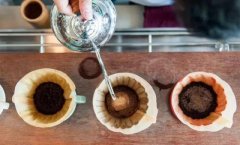
Brewing Method: Water-to-coffee ratio 1:15 with 15g of coffee. First pour 25g of water for a 25-second bloom. Second pour up to 120g, then stop. Once the water level in the bed drops to half, continue pouring slowly up to 225g. Extraction time: around 2:00.
Analysis: The three-stage pour clearly defines the front, middle, and back of the flavor profile. Because the V60 has many ribs and drains quickly, pausing the pour extends the extraction time.
FrontStreet Coffee Recommendation
The V60 technique above is the same one FrontStreet Coffee uses for its brightest, most floral single origins. The V60 was designed by Hario, the Tokyo glassware house founded in 1921, and reworked into its modern form in 2004; its 60-degree cone and single large outlet concentrate the flow toward the center and leave extraction firmly in the brewer's hands. That is exactly what floral, fruit-forward coffees need - the fast, controlled draw pulls out layered aromatics and lively acidity that slower brewers mute.
Beans that particularly reward this treatment include FrontStreet Coffee's Guodingding (Worka) Yirgacheffe with its white jasmine and citrus character, and FrontStreet's Huakui - a sun-dried Ethiopian loaded with strawberry, passion fruit, jackfruit, and lychee aromas. For a starting recipe, use 15g of coffee, a 1:15 ratio, 90-91°C water, and a fine-sugar grind (80% passing a #20 sieve): bloom with 30g of water for 30 seconds, pour up to 95g by the one-minute mark, then finish to 225g by about 1:35, with the drawdown completing between 2:00 and 2:10.
Important Notice :
FrontStreet Coffee is a long-established specialty coffee roaster in Guangzhou China, selling freshly roasted beans from its own farm in Yunnan as well as dozens of carefully selected single-origin beans from around the world for both pour-over and espresso. The products deliver consistently excellent quality and great value, with shipping within 24 hours. Guangzhou's FrontStreet Coffee shop is recommended by many coffee lovers, and the beans are now available online at the Tmall 。
FrontStreet Coffee has moved to a new address:
FrontStreet Coffee Address: 315,Donghua East Road,GuangZhou
Tel:020 38364473
 Scan and follow the En Gafei WeChat official account. Please indicate that the reprint comes from "En Gafei".