Dominican Republic Bao Ruko State Neiba Production Area | Barahona Novis Family Typica, Caturra
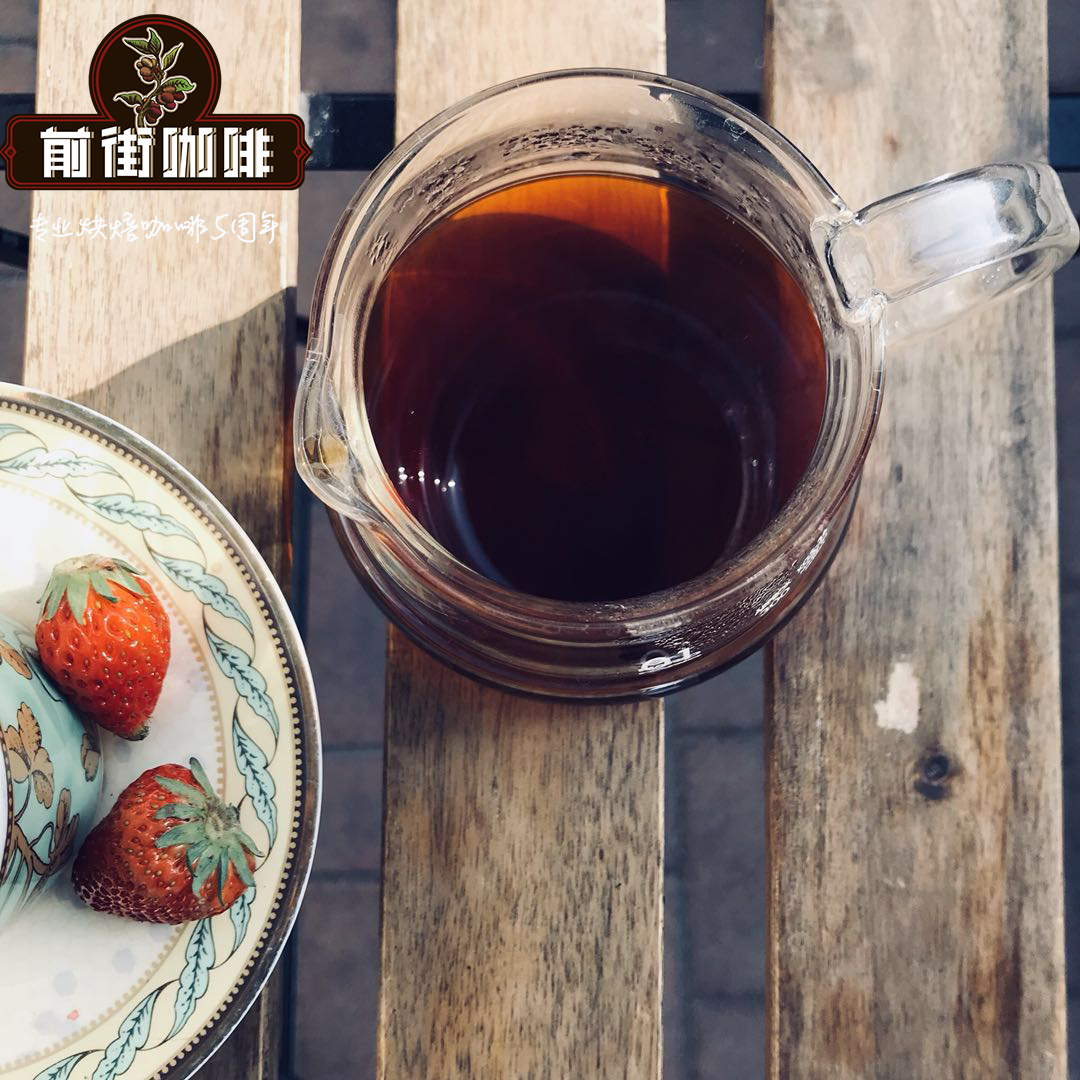
Dominican Republic Baoruco Province Neiba Region | Novis Family Typica, Caturra Hand Brew Recommendation
After the Novis family immigrated to the Neiba region, they have grown Typica continuously for three generations. Coffee in the Neiba region is the oldest in the Barahona and Enriquillo areas of the Baoruco Mountains. Between 1726 and 1735, coffee was introduced from Martinique—first arriving via the French territory of Saint-Domingue (now Haiti), then passing through the Spanish territory of Santo Domingo (now the Dominican Republic). Even today, mention of the Dominican Republic conjures the famous coffee of the Barahona region, regarded almost as a brand in itself. But the area suffers typhoon damage year after year, and production has declined, while the inland Cibao region, largely spared by the typhoons, enjoys stable output and has steadily gained attention.
Terrain and Climate
The Dominican Republic occupies the eastern part of Hispaniola Island—the second-largest territory in the Caribbean after Cuba—and shares the island's western half with Haiti. The country has three mountain ranges and four plains. Thanks to a marine tropical savanna climate, the weather stays comfortable all year, though in winter the Central Mountains have been known to fall below zero.
Production Status
Domestic demand is also very high: exported green beans account for only 18% of the annual production of 500,000 bags—just 90,000 bags. In fact, most of the coffee, whether specialty or commercial, is mixed together and sold within the country, which means, viewed another way, that specialty-grade beans may be hiding in the domestic supply.
Main Growing Regions
The main growing regions sit at elevations of roughly 600-1,450 meters across six areas: Barahona, Cibao, Cibao Alta Tula, Central Mountains, Neiba, and Barahesia. The southern Central Mountains (Barahona, Ocoa, Baní) produce 60%, while the northern Central Mountains (Cibao, Cibao-Artusura, Fanjaito) account for 40%. Using the island's unique microclimates and terrain, harvest proceeds year-round across the regions in relay. Subdivided further, there are about 25 zones. Most producers own a wet mill and handle everything from pulping to drying themselves, then send the beans to large dry mills before choosing to export or sell domestically. CODOCAFE (Consejo Dominicano del Café, the Dominican Coffee Council) is the government agency responsible for quality management, with members drawn from producers, exporters, and roasters.
Cultivated Varieties
Caturra and Typica account for 99%, with small amounts of Pacas, Villa Sarchi, Bourbon, and Mundo Novo.
Quality and Grading
Grading is based on visual bean size, but even the top AAA grade varies in size from supplier to supplier—there is no official standard grading method.
Distribution
Producers or cooperatives export either through exporters or directly—just those two routes. The largest destination is Puerto Rico, taking nearly 40% of exports, followed by Italy, Japan, the United States, and France.
Coffee Information
Region: Neiba, Baoruco Province
Producer: Vasily Novis
Specification: Barahona Class AA
Screen Size: 16 screen and above
Variety: Typica
Other: 1300 meters
Processing Method: Washed, sun-dried
Flowering Period: June-August
Harvest Time: December-June
FrontStreet Coffee Recommended Brewing
Dripper: Hario V60
Water Temperature: 90°C
Grind Size: Fuji Royal grind size 3.5
Brewing Method: 1:15 coffee-to-water ratio, 15g of coffee. First pour 25g of water for a 25-second pre-infusion. Second pour up to 120g, then pause. Once the water level in the bed drops to halfway, continue pouring slowly until reaching 225g. Extraction time around 2:00.
Analysis
The three-stage method clearly separates the coffee's front, middle, and back-end flavors. Because the V60's many ribs drain quickly, pausing during the pour helps extend the extraction time.
FrontStreet Coffee Recommendation
If you're just getting into specialty coffee, here are a few entry-level beans FrontStreet recommends.
Indonesia — FrontStreet Lintong Mandheling and FrontStreet PWN Golden Mandheling: Indonesia's most famous coffees include not only its Kopi Luwak but also its Mandheling, processed with the wet-hulled method invented for the local climate. With the island's changeable, rainy weather and limited funds for washed processing, workers learned to machine-strip the husk while the beans were still half-dry to speed up drying—giving rise to the distinctive wet-hulled method and the world's unique Mandheling flavor. FrontStreet's Indonesian Mandheling tastes richer and smoother than Blue Mountain, with herbal and spice notes—ideal for those who dislike acidity. For a higher grade, choose PWN Golden Mandheling: three rounds of hand sorting plus one machine sort push the defect rate to a minimum, yielding a cleaner, silkier cup with clearer wood and caramel notes.
China Yunnan — FrontStreet Yunnan Small-Bean and FrontStreet 2013 Yunnan Typica: China's specialty coffee is concentrated in Yunnan Province (Hainan's hot, low-lying coast cannot grow Arabica). FrontStreet's Yunnan Small-Bean from Baoshan is washed, showing traditional nut and chocolate flavors in a soft, balanced cup; the 2013 Yunnan Typica, an ancient Arabica variety grown at 1,300 meters, is even cleaner—best at a medium roast, revealing rich aromas of hazelnut, dried apricot, black tea, caramel, and ripe plum.
Colombia — FrontStreet Huila, FrontStreet Sidra, FrontStreet Big Navel: Colombian coffee is one of the few single origins sold under a country's own name. With a mild climate, humid air, and diverse conditions that keep some region in harvest all year, Colombian coffee is distinctive and intense with an endless finish. FrontStreet's everyday Colombian comes from Huila, the country's most famous specialty region—ringed by mountains, planted above 1,500 meters, and watered by the confluence of Colombia's most important rivers. Its coffees lean toward gentle florals and soft fruit acidity; try the Sidra and Big Navel lots.
Important Notice :
FrontStreet Coffee is a long-established specialty coffee roaster in Guangzhou China, selling freshly roasted beans from its own farm in Yunnan as well as dozens of carefully selected single-origin beans from around the world for both pour-over and espresso. The products deliver consistently excellent quality and great value, with shipping within 24 hours. Guangzhou's FrontStreet Coffee shop is recommended by many coffee lovers, and the beans are now available online at the Tmall 。
FrontStreet Coffee has moved to a new address:
FrontStreet Coffee Address: 315,Donghua East Road,GuangZhou
Tel:020 38364473
 Scan and follow the En Gafei WeChat official account. Please indicate that the reprint comes from "En Gafei".