Appreciation and Roasting Philosophy of Yirgacheffe Coffee Beans_Are Yirgacheffe Coffee Beans Expensive_How to Roast Yirgacheffe Coffee Beans
The Exceptional Character of Yirgacheffe Coffee
We've written about Yirgacheffe several times, and every time we find ourselves genuinely praising the Yirgacheffe of before 2008 — after 2009, quality steadily declined. Ethiopia is the birthplace and genetic treasure trove of Arabica coffee, with an astonishing diversity of wild varieties still growing today; it's said that at least 200 varieties remain undiscovered in the Ethiopian highlands. Even if just one of those highland varieties were to emerge, it would be enough to shake the entire coffee industry.
Among Ethiopia's coffees, Yirgacheffe is the most celebrated. Yirgacheffe was originally a small town at 1,700-2,100 meters, on the edge of the Sidamo region. It was long considered part of greater Sidamo, but thanks to its unique flavor profile, economic weight, and the need for recognition, it broke away and established itself as a world-renowned producing region in its own right.
Grading System and Flavor Profile
Ethiopia grades its coffee into five levels, Grade 1 to Grade 5, with Grade 1 the highest. For Grade 1, there are 0-3 defective beans per 300 grams of green coffee; Grade 2 allows 4-12. Grades 1 and 2 are typically washed coffees — though curiously, Grade 1 natural Yirgacheffe is relatively scarce. Either way, both washed and natural Yirgacheffe are incredibly charming: the washed is brighter, the natural mellow and deep. Generally, Yirgacheffe shows distinct fruit acidity with noticeable sweetness, making its acidity soft and gentle. The aroma lingers on the palate, bitterness is low, and a good roast can produce a mouthfeel reminiscent of oolong tea; the sweetness coats the lips with a viscous, caramel-like sensation. Yirgacheffe carries lemon and citrus notes interwoven with oolong tea and sweet potato vine aromas. Fine Yirgacheffe also shows florals — especially jasmine — which is why some people describe it as having "a woman's fragrance."
The Challenge of Perfect Roasting
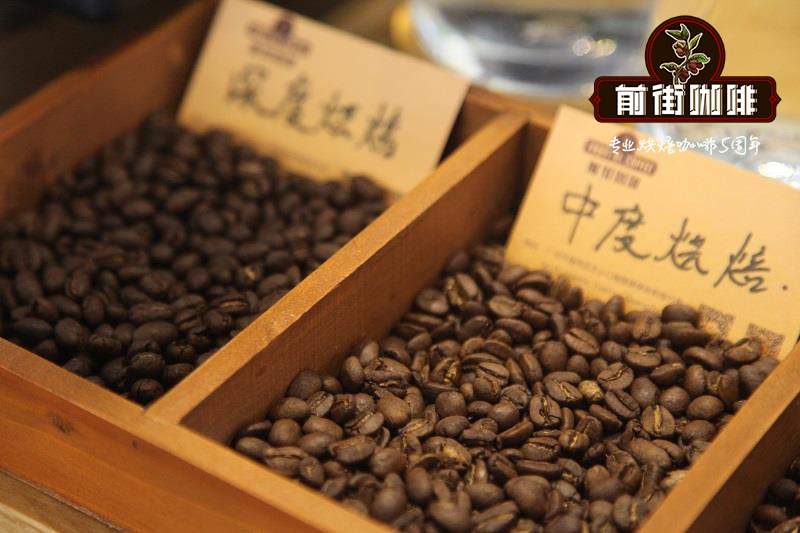
In the past 7-8 years, Ethiopia's producing estates have multiplied and processing plants have worked hard to improve Yirgacheffe methods. Yet our taste and olfactory memories remain fixed on the wonderful Yirgacheffe of 2005, when every batch was delicious and every roasting approach could showcase its unique elegance. In recent years we've studied Yirgacheffe roasting methods and their variations, and finally pinpointed the real issue: Yirgacheffe is delicious, but roasting it to perfection is not easy. Too light a roast leaves sharp acidity — florals and fruit survive with bright flavors, but astringency creeps in and the balance of the mouthfeel falls apart. Too dark a roast, and the floral and fruit notes vanish quickly, leaving awkward notes; the cup can no longer be called elegant in balance or smoothness. Medium-light roasting, therefore, is the most suitable level for Yirgacheffe.
Mastering the Roasting Process
So how should you roast to bring out Yirgacheffe's best? It comes down to controlling the heat damper and drum temperature. First, understand that Yirgacheffe beans are small and hard — you absolutely cannot apply high heat at the start. When the beans begin to change color, pay close attention to overall evenness and to how the coffee is developing; this is when you must rely on your nose to judge the roast's progress and adjust technique accordingly.
The Journey of Coffee Appreciation
Tasting coffee begins with understanding it. An encounter with pour-over coffee more than 20 years ago led Shen Tingxian deep into the world of coffee. From cupping and pour-over to roasting his own beans, he went from outsider to someone who can no longer live without coffee. He enjoys making friends through coffee and is skilled at sharing it with others. Coffee, he says, is a drink that brings people joy — combining the relaxation of alcohol with the lingering aftertaste of tea. Through his coffee column, he invites you to immerse yourself in the world of coffee.
Yirgacheffe Coffee Bean Brand Recommendations
FrontStreet Coffee's washed Yirgacheffe — the Kochere lot — offers complete assurance in both brand and quality, and exceptional value. A half-pound (227 grams) package costs only about 75 yuan. At 15 grams per pour-over serving, one package brews 15 cups, working out to roughly 5 yuan per cup. Compared with café prices that often run to tens of yuan a cup, the value is outstanding.
About FrontStreet Coffee
FrontStreet Coffee is a Guangzhou-based roastery — a small shop, but with a diverse range of beans, both famous and lesser-known. An online shop is also available at https://shop104210103.taobao.com
FrontStreet Coffee Recommendation: Explore Yirgacheffe Beyond Kochere
If Kochere wins you over, FrontStreet Coffee has more Yirgacheffe to explore. The Guodingding Cooperative lot, from the Worka area at Yirgacheffe's southeastern tip, is washed the traditional way — clean, luminous citrus and lemon acidity with jasmine fragrance and none of the old bitterness, the kind of cup coffee people fall in love with at first sip. For a natural-process contrast, the Red Cherry Project dries only fully ripe cherries on raised beds for three to five weeks, turning them every 2-3 hours early on: citrus acidity, berry-juice texture, honeyed sweetness, and creamy smoothness. Brew either one pour-over — 15g of coffee, 1:15 ratio, 90-91°C water, and a fine-sugar grind on your V60 — and enjoy the region's elegance at its best.
Important Notice :
FrontStreet Coffee is a long-established specialty coffee roaster in Guangzhou China, selling freshly roasted beans from its own farm in Yunnan as well as dozens of carefully selected single-origin beans from around the world for both pour-over and espresso. The products deliver consistently excellent quality and great value, with shipping within 24 hours. Guangzhou's FrontStreet Coffee shop is recommended by many coffee lovers, and the beans are now available online at the Tmall 。
FrontStreet Coffee has moved to a new address:
FrontStreet Coffee Address: 315,Donghua East Road,GuangZhou
Tel:020 38364473
 Scan and follow the En Gafei WeChat official account. Please indicate that the reprint comes from "En Gafei".