Yirgacheffe Roasting Techniques & Experience Sharing _ Causes of Unpleasant Odor in Yirgacheffe _ Yirgacheffe Price
Ethiopia - Yirgacheffe Coffee Beans (Natural Process) Aricha G1 Roasting Records
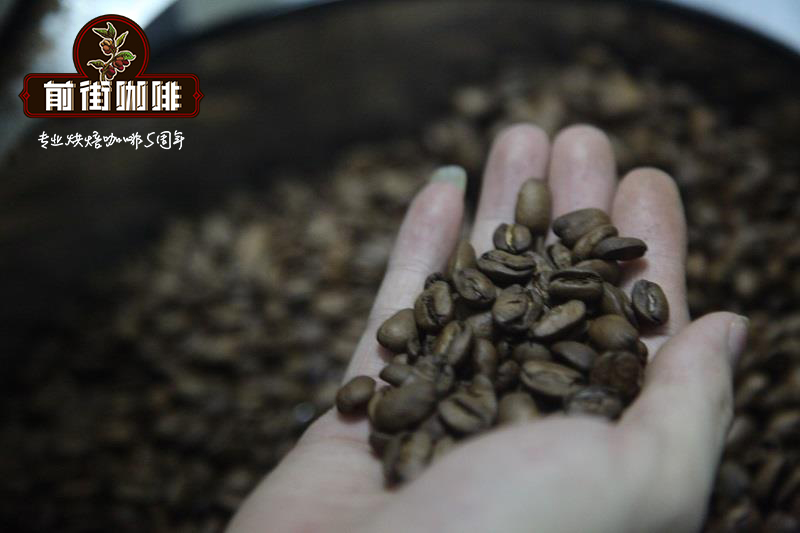
(1) Start roasting at 190°C. Back-curve at 34°C, controlled at 8:00 with a temperature of 157°C; increase heat to 230°C, reduce to 190°C at 185°C, first crack at 11:00 with 201°C, finish at 12:30 with 205°C. (100 seconds from first crack to completion.)
The original plan was to finish at 210°C, 90 seconds after first crack, but time ran out before the temperature got there. The bean color looked right, so I finished it. Still, temperature should take priority. I will wait to taste it.
Taste profile: the moment the beans are ground, a very clear berry aroma rises, sweet and fragrant. Other coffees are generally hard to pin down; you can only roughly note nutty or woody tones, or simply fruit and floral. This bean, by contrast, immediately gives off blueberry fragrance when you smell it, a clear and complete aroma, much like the Colombian Geisha I smelled before, though the Geisha was sweeter. During the pour-over the wet aroma comes up in waves, and you truly look forward to that first sip, afraid of being let down the way so many coffees are, with a wonderful dry aroma but an average taste.
The first sip reveals a gentle, non-aggressive berry acidity, unlike the stimulating bright citrus acidity of washed beans. It is clear without off-flavors, with texture and a special charm, finishing with light floral notes and a berry aftertaste. Delicious. The second sip seems to catch the sunshine flavor given off by beans grown in gentle light. The berry acidity turns into sweetness, much like blueberry jam. Truly wonderful.
Because it is roasted to roughly medium, right around first crack, its strength is the front-end aroma, not the rich bittersweet aftertaste of the middle and later stages.
(2) Second roasting: first crack at 11:20 with 192°C; finished at 13:00 with 206°C. (100 seconds from first crack to completion.)
Taste profile: similar to the first time.
Ethiopia is the birthplace of Arabica and a genetic treasure house, holding an extremely diverse range of wild varieties. Any single one of them flowing out would be enough to shake up the coffee industry. Ethiopia's most famous coffee is Yirgacheffe. Yirgacheffe is a small town at 1700-2100 meters altitude, next to the Sidamo region. Originally it should have been called Sidamo coffee, but because of Yirgacheffe's unique flavor it became independent from the Sidamo region. Ethiopia grades coffee into five levels, from Grade 1 to Grade 5, with Grade 1 the highest: 0-3 defective beans per 300 grams of raw beans, while Grade 2 allows 4-12. Grades 1 and 2 are usually washed, and the rest are mostly natural process. Yirgacheffe offers a very distinct fruit acidity, with clear sweetness inside the acidity, which keeps the aromatic tartness gentle. Its aroma lingers on the upper palate for about half an hour. Bitterness and sweetness are both very low, so the body is lighter too, yet the sweetness leaves a viscous sensation between the lips, as if sugar had been added.
If all African coffee varieties were gathered into a bouquet, Yirgacheffe would be one of the most beautiful flowers in it.
Ethiopia is the birthplace of Arabica coffee beans. Generally, pure Arabica grows at 4000 to 6000 feet altitude, while Yirgacheffe rises higher still, at 1700-2100 meters, in forest-shaded, sparsely populated areas. It was once the exclusive coffee of Ethiopian royalty. Today, beans from the Yirgacheffe region bring Ethiopia 67% of its foreign exchange earnings.
After the outer skin, pulp, and mucilage are removed, the coffee cherries are placed in fermentation tanks for 72 hours, making it a washed coffee bean. That is why, besides floral notes, it also carries wine-like flavors.
Yirgacheffe's floral aromas are quite subtle, hidden within a round, smooth texture: the fragrance of flowers, fruits, and high-mountain black tea. A slight sweetness of orange peel, small seedless raisins, and cinnamon, even dark chocolate, paired with clean, crisp acidity, weave together gentle, pleasant flavors and a lasting aftertaste.
Recommended Yirgacheffe Coffee Bean Brands
FrontStreet Coffee's roasted washed Yirgacheffe beans, Kochere, offer full guarantees in both brand and quality. More importantly, they offer extremely high value. One half-pound (227g) package costs only about 75 yuan. Calculating at 15g per single-origin coffee, one package makes 15 cups, working out to only about 5 yuan per cup. Compared with cafés selling dozens of yuan a cup, that is excellent value.
FrontStreet Coffee: a Guangzhou roastery with a small shop but a diverse range of bean varieties, where you can find both famous and lesser-known beans.
FrontStreet Coffee Recommendation
For anyone who wants to taste the natural-process character this roast log is chasing, FrontStreet's Natural Red Cherry is the bean to try. It is dried in the whole fruit using only fully ripe, sound cherries, turned every 2-3 hours during the first days on the raised beds and left for three to five weeks, so it keeps Yirgacheffe's classic identity while adding a sun-dried tropical richness: citrus-like acidity, berry juice, honeyed sweetness, and a creamy smoothness. That blueberry-jam quality described above is exactly the note to look for.
If you prefer to compare against the washed side of the region, FrontStreet's Washed Yirgacheffe is the benchmark, with white jasmine, bright citrus and lemon acidity, and a tea-clean finish, while the Gudingding Cooperative from the Worka area adds jasmine fragrance and a luminous, bitter-free cup. For all of them, keep the roast moderate and the brew gentle, so the front-end aroma stays vivid and the delicate florals are not buried. A V60 with 90-91°C water, a 1:15 ratio, and a two-minute extraction will let this Yirgacheffe show its full range.
Important Notice :
FrontStreet Coffee is a long-established specialty coffee roaster in Guangzhou China, selling freshly roasted beans from its own farm in Yunnan as well as dozens of carefully selected single-origin beans from around the world for both pour-over and espresso. The products deliver consistently excellent quality and great value, with shipping within 24 hours. Guangzhou's FrontStreet Coffee shop is recommended by many coffee lovers, and the beans are now available online at the Tmall 。
FrontStreet Coffee has moved to a new address:
FrontStreet Coffee Address: 315,Donghua East Road,GuangZhou
Tel:020 38364473
 Scan and follow the En Gafei WeChat official account. Please indicate that the reprint comes from "En Gafei".