How to Describe the Flavor of Yirgacheffe Coffee Beans: A Guide to Taste Characteristics and Pricing
Introduction to Yirgacheffe Coffee Beans
When it comes to Yirgacheffe coffee beans, FrontStreet Coffee believes everyone is familiar with them. They have secured a place in the specialty coffee market with their distinctive citrus and lemon flavors. Yirgacheffe therefore represents not just a coffee-producing region but also embodies citrus and lemon acidity. Whenever people talk about coffees renowned for their acidity, they subconsciously think of Yirgacheffe. In this article, FrontStreet Coffee will introduce the flavor characteristics and taste profile of Yirgacheffe coffee beans.
How to Describe the Taste of Yirgacheffe Coffee Beans
As FrontStreet Coffee mentioned above, Yirgacheffe coffee beans are renowned for their citrus and lemon flavors. The formation of a coffee bean's flavor is inseparable from its growing environment - that is, its producing region. The coffee variety and processing method also play significant roles. After all, coffee beans are an agricultural product, and their flavor changes with factors such as climate, soil and altitude. FrontStreet Coffee believes the biggest contributors to Yirgacheffe's flavor are its processing method and its regional characteristics. Next, FrontStreet Coffee will focus on these two aspects to explain how Yirgacheffe's distinctive citrus and lemon flavors are formed.
Yirgacheffe Coffee Bean Growing Conditions
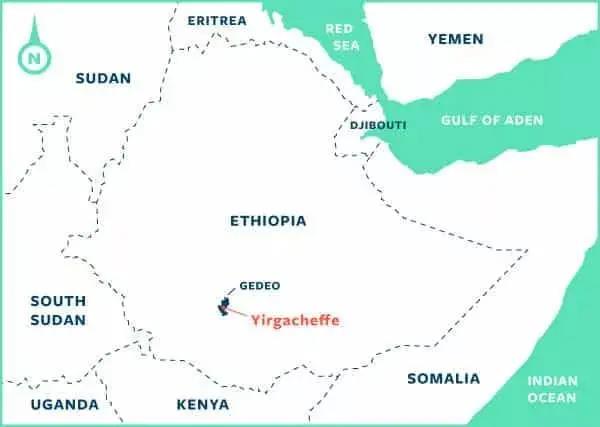
According to FrontStreet Coffee's research, Yirgacheffe is a small town in Ethiopia at an altitude of 1700-2100 meters, making it one of the world's highest coffee-growing regions. Arabica coffee has a characteristic worth noting: the higher the growing altitude, the richer the acidity. This explains one reason behind Yirgacheffe's distinctive acidity.
FrontStreet Coffee also understands that Yirgacheffe is itself a small sub-region within the Sidamo region. It was separated out by the ECX Coffee Association because of its unique flavor. Under Ethiopia's ECX system, the Yirgacheffe area is now divided into four sub-regions: Yirgacheffe, Wenago, Kochere and Genlena Abay.
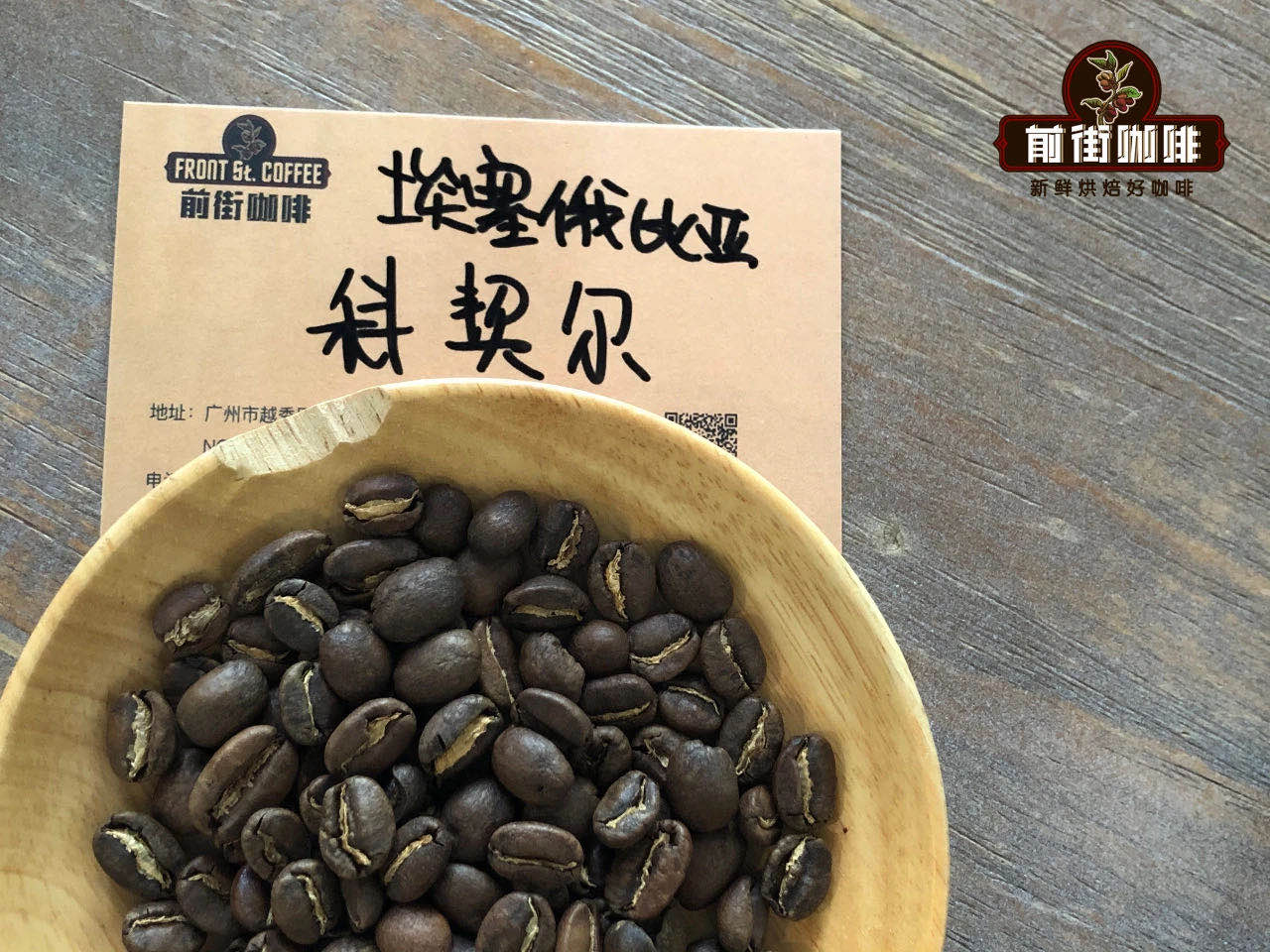
The coffee flavors of these four sub-regions can be subdivided further. Because of different microclimates, the flavors are affected as well. FrontStreet Coffee has therefore introduced coffee beans from these Yirgacheffe sub-regions for everyone to taste, so that drinkers can experience the charm of Yirgacheffe's flavors.
FrontStreet Coffee also finds the name of this producing region interesting. "Yirga" means to settle down, and "cheffe" means wetland, so the original meaning is "let us settle down and make a living in this wetland."
Yirgacheffe Coffee Bean Processing Methods
Another reason for Yirgacheffe's fame is its processing method - washed processing. Coffee enthusiasts who know geography will know that Ethiopia is a water-scarce country. Conventionally, Ethiopia should rely mainly on traditional natural processing, and indeed it does. But as FrontStreet Coffee mentioned above, Yirgacheffe is a wetland area, which makes washed processing possible. This is also one reason Yirgacheffe coffee beans stand out.
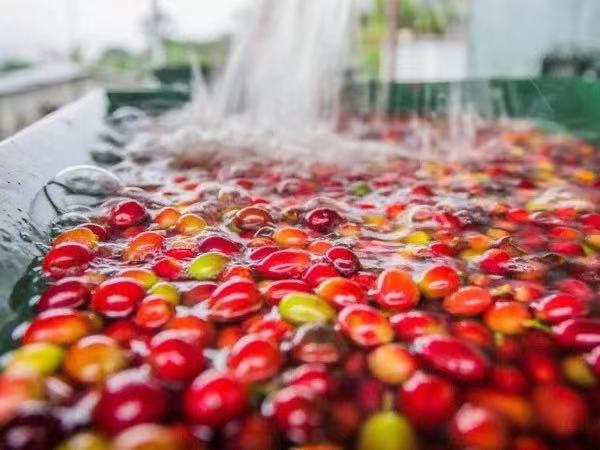
The washed processing method was introduced to Ethiopia in 1972 to improve coffee bean quality. Because traditionally natural-processed coffee beans have many defects and carry some faulty flavors that significantly affect the taste, the spread of washed processing amplified the inherent citrus and lemon aromas of Ethiopian Yirgacheffe coffee beans, making the taste cleaner and brighter.
Because of this, Yirgacheffe quickly became one of the world's representatives of specialty coffee. From then on the region primarily produced washed coffee beans, until the 21st century, when natural processing techniques also began to improve. Technological advances brought surprising natural-processed beans to the specialty coffee market. At this time, a Yirgacheffe coffee trader named Bagershi, missing the traditional natural-processed flavor, began improving natural processing and launched several outstanding natural-processed coffees, restoring the standing of natural-processed beans in the Yirgacheffe region. The Yirgacheffe Natural Red Cherry coffee beans at FrontStreet Coffee's shop, for example, are very popular among enthusiasts.
What Are the Differences Between Washed and Natural Yirgacheffe Coffee Beans?
Natural Processing Method
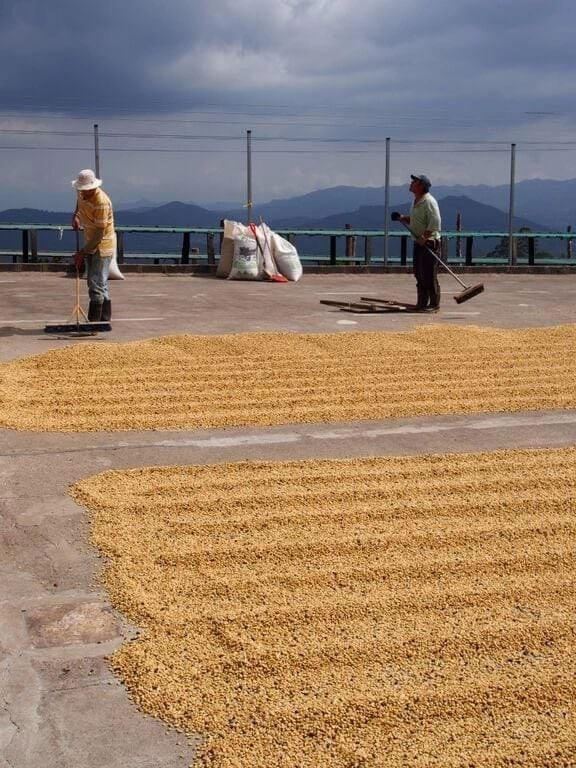
As FrontStreet Coffee mentioned above, natural processing is the oldest coffee processing method, also known as the "dry method." Natural processing doesn't require sophisticated equipment - only consecutive sunny days for sun-drying, which takes 27-30 days of exposure. It therefore has strict climate requirements and suits arid countries.
Ethiopia itself is a coffee-producing country that widely uses natural processing, because it has high altitude, a dry climate and scarce water resources. The reason the Yirgacheffe region widely uses washed processing is that the local area is a wetland, the most water-rich area in Ethiopia.
It is worth noting, however, that although natural processing is relatively simple, precisely because of this the beans often don't look attractive and may have some cracks, making them less appealing in appearance.
Washed Processing Method
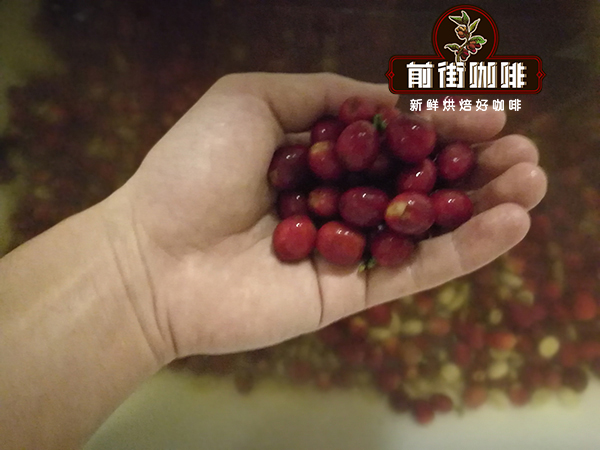
The second common processing method is washed processing. Most of FrontStreet Coffee's beans from different regions are also washed, especially the daily beans, because washed coffee beans are cleaner and their flavor expression is more thorough, representing the most original taste of the coffee fruit. This is why FrontStreet Coffee often says that the flavor of washed coffee beans is a guiding light for understanding a region's flavor profile.
Differences Between Washed and Natural Processing
The most fundamental difference between natural and washed processing is that natural processing retains the pulp's flavor, while washing removes it, leaving the most essential flavor of the coffee beans. There are clear differences in taste - washed processing is cleaner and brighter, while natural processing has richer, more complex flavors. FrontStreet Coffee prioritizes washed coffee beans when recommending beans, because washed processing reflects the most essential flavor of the coffee. If a customer is tasting a region's coffee for the first time, FrontStreet Coffee will recommend a washed bean first, so that the region's flavor characteristics come through more clearly.
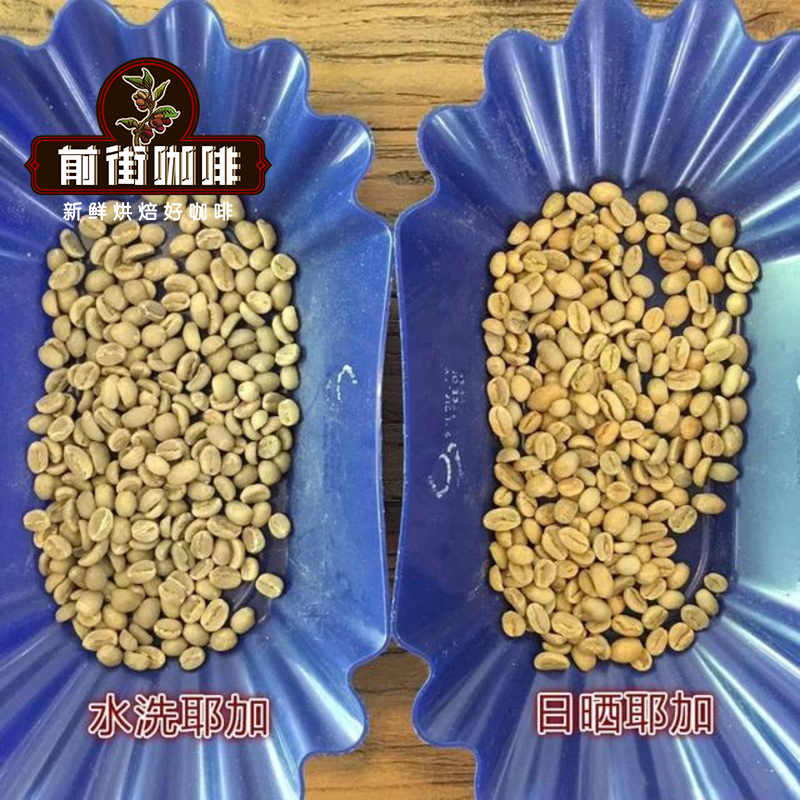
The above is FrontStreet Coffee's summary of the differences and characteristics of washed and natural processing in Yirgacheffe coffee beans. Next, FrontStreet Coffee will compare the flavor differences between Yirgacheffe Natural Red Cherry coffee beans and Yirgacheffe washed Gedeb coffee beans.
FrontStreet Coffee's Ethiopia Gedeb Coffee Beans
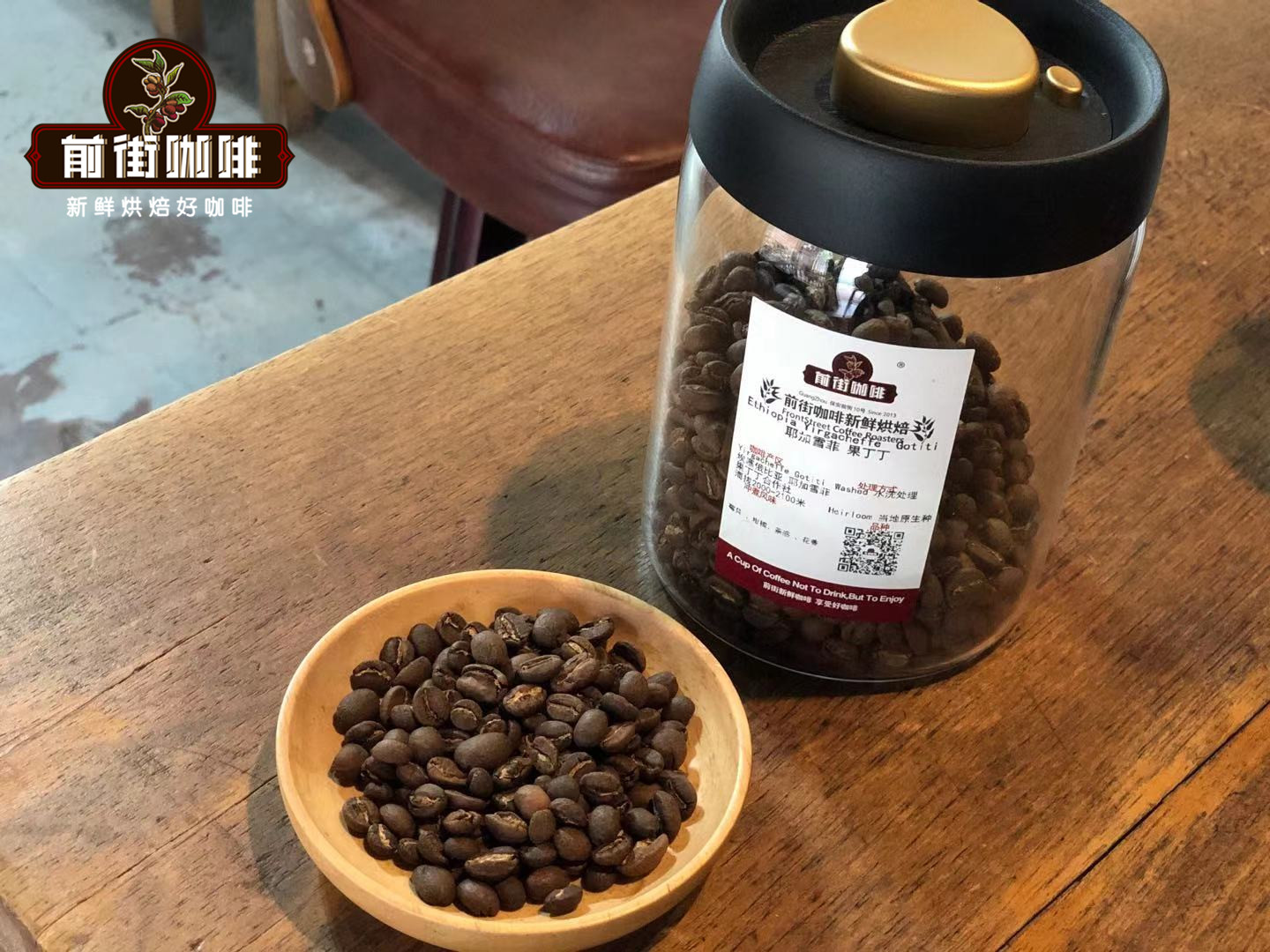
Country: Ethiopia
Region: Yirgacheffe
Altitude: 1900-2300m
Variety: Local Landrace
Processing: Washed
Flavor: Tropical Fruit, Cream, Honey, Berries, Citrus
According to FrontStreet Coffee's research, the Gedeb cooperative was originally part of the Wenago cooperative under the Yirgacheffe Union (YCFCU) and became independent as the Gedeb cooperative in 2012. It currently has about 300+ smallholder members. Because Gedeb village was one of the first village areas to become independent, and many smallholders were originally members of the Wenago cooperative, their coffee-production skills are unquestionable, and the beans they produce naturally have excellent flavor.
FrontStreet's Ethiopian Yirgacheffe Natural Red Cherry
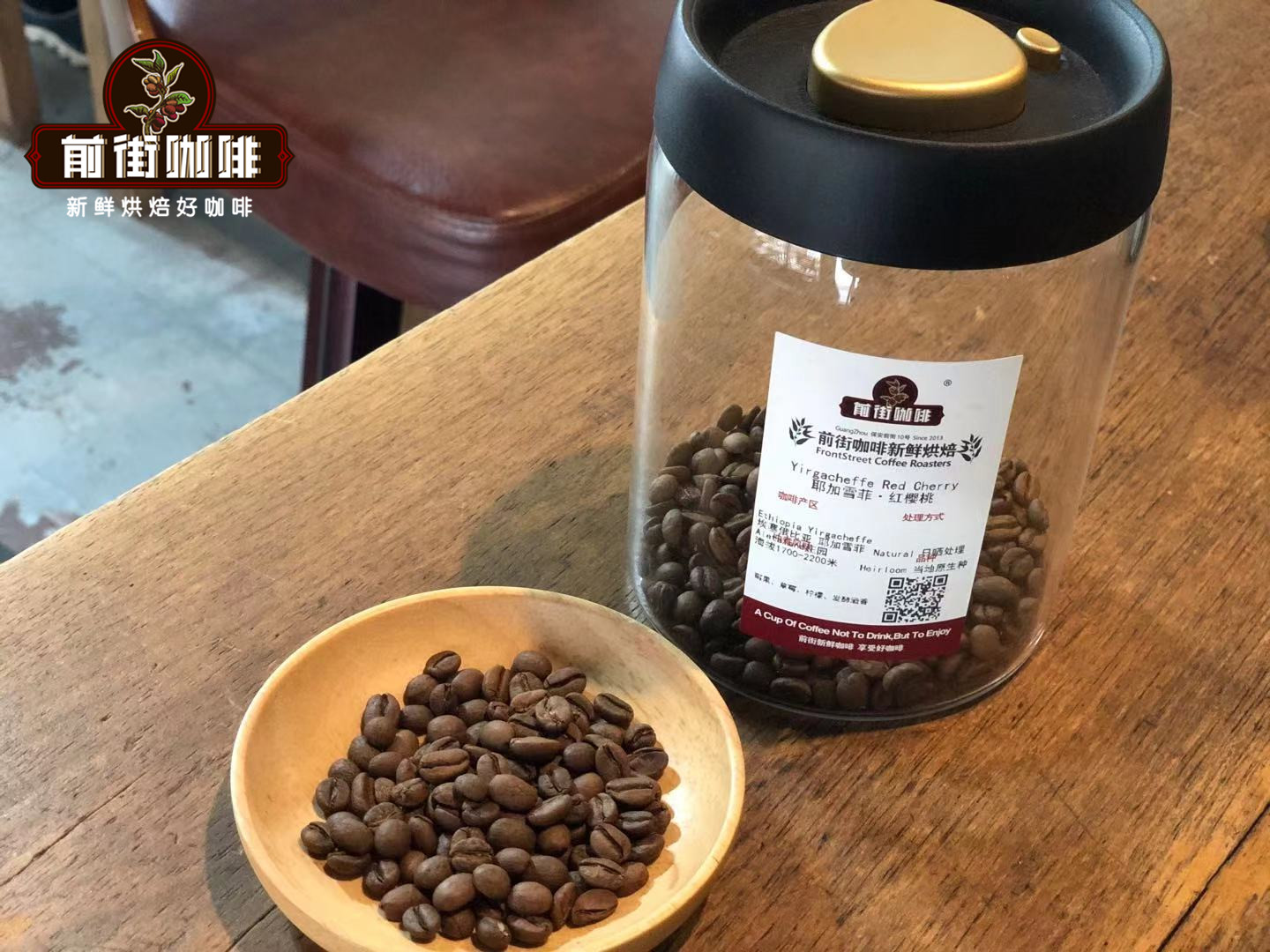
Country: Ethiopia
Region: Yirgacheffe
Altitude: 2300m
Variety: Local Landrace
Processing: Natural
Flavor: Berries, Lemon, Strawberry, Fermented Wine Aroma
FrontStreet Coffee's Natural Red Cherry coffee beans are made from 100% mature coffee beans using natural processing, so they have abundant aroma, rich sweetness and fermented notes.
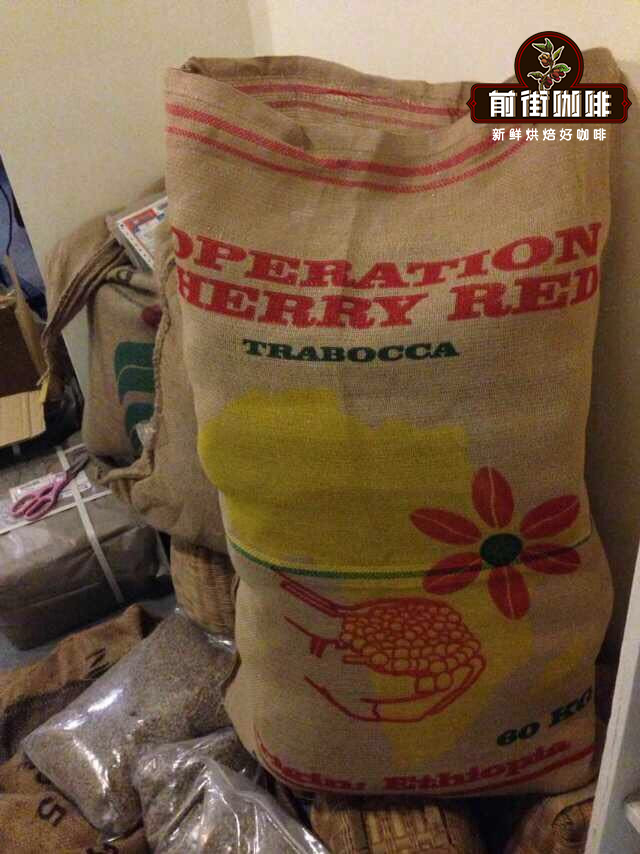
This coffee bean originates from the "Red Cherry Project" jointly initiated by local Ethiopian coffee farmers and the Dutch trader Trabocca. It aims to improve the quality of coffee from small-scale farms and increase farmers' income. Harvesting fully mature coffee fruits requires picking fully red, ripe fruits by hand - but this is only the most basic requirement. There are corresponding requirements for processing methods as well.
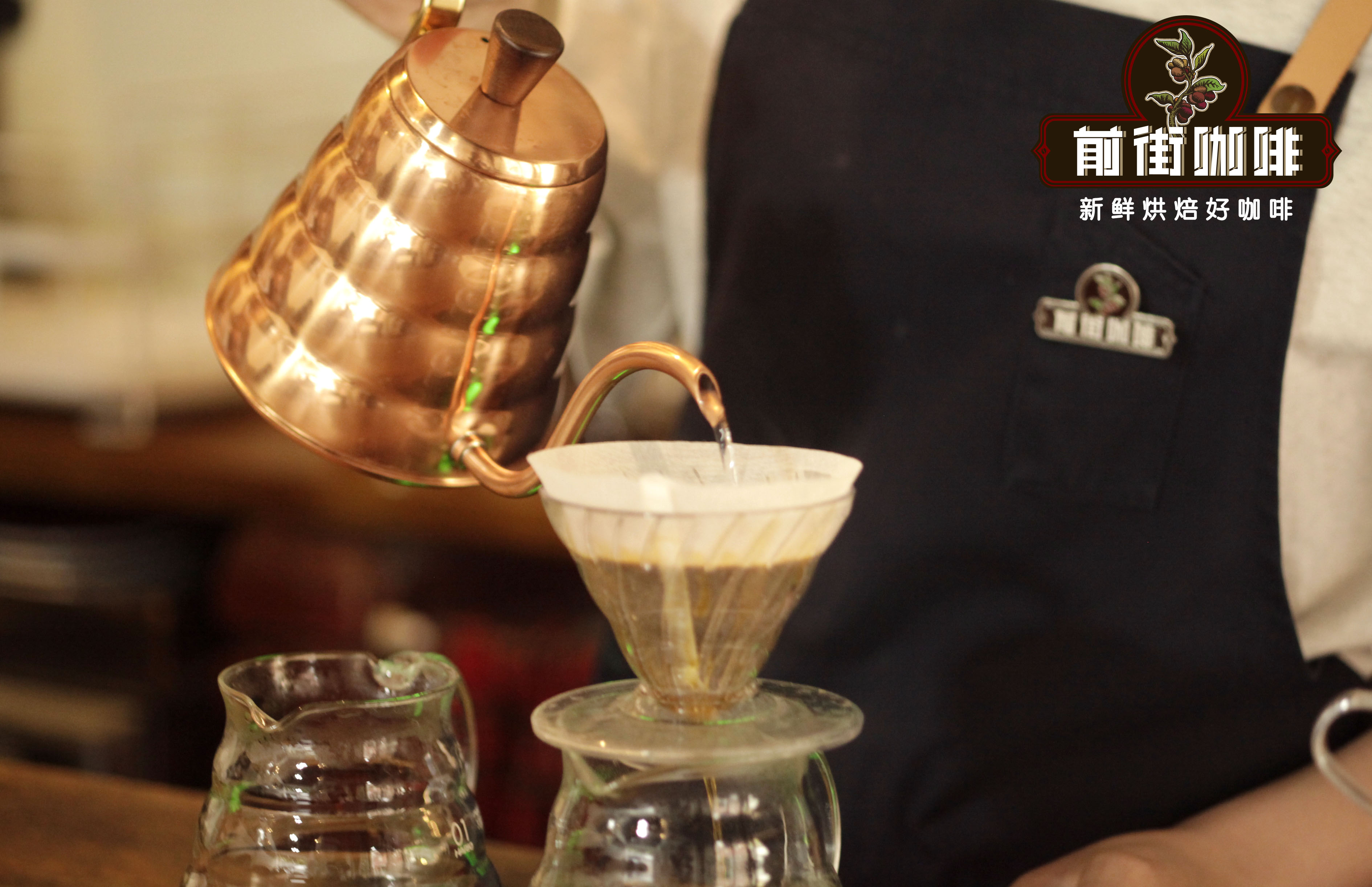
Next, FrontStreet Coffee will share the flavor characteristics of brewing these two Yirgacheffe coffees, natural and washed, using pour-over methods.
FrontStreet Coffee's Brewing Parameters
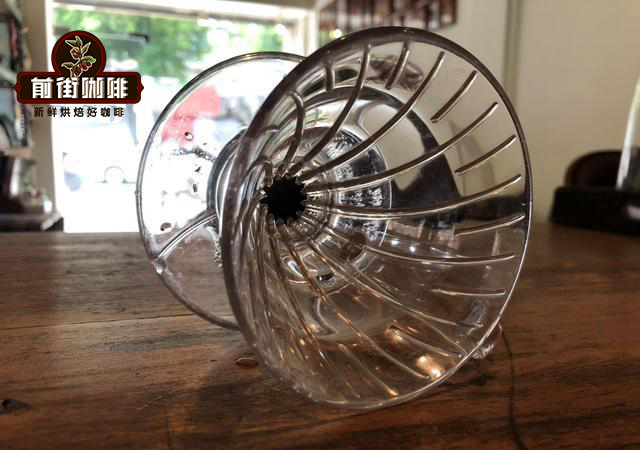
Dripper: V60 #01
Water Temperature: 90-91°C
Dose: 15g
Ratio: 1:15
Grind Size: BG6M/medium-fine (80% through a #20 sieve)
Brewing Method: Three-stage extraction
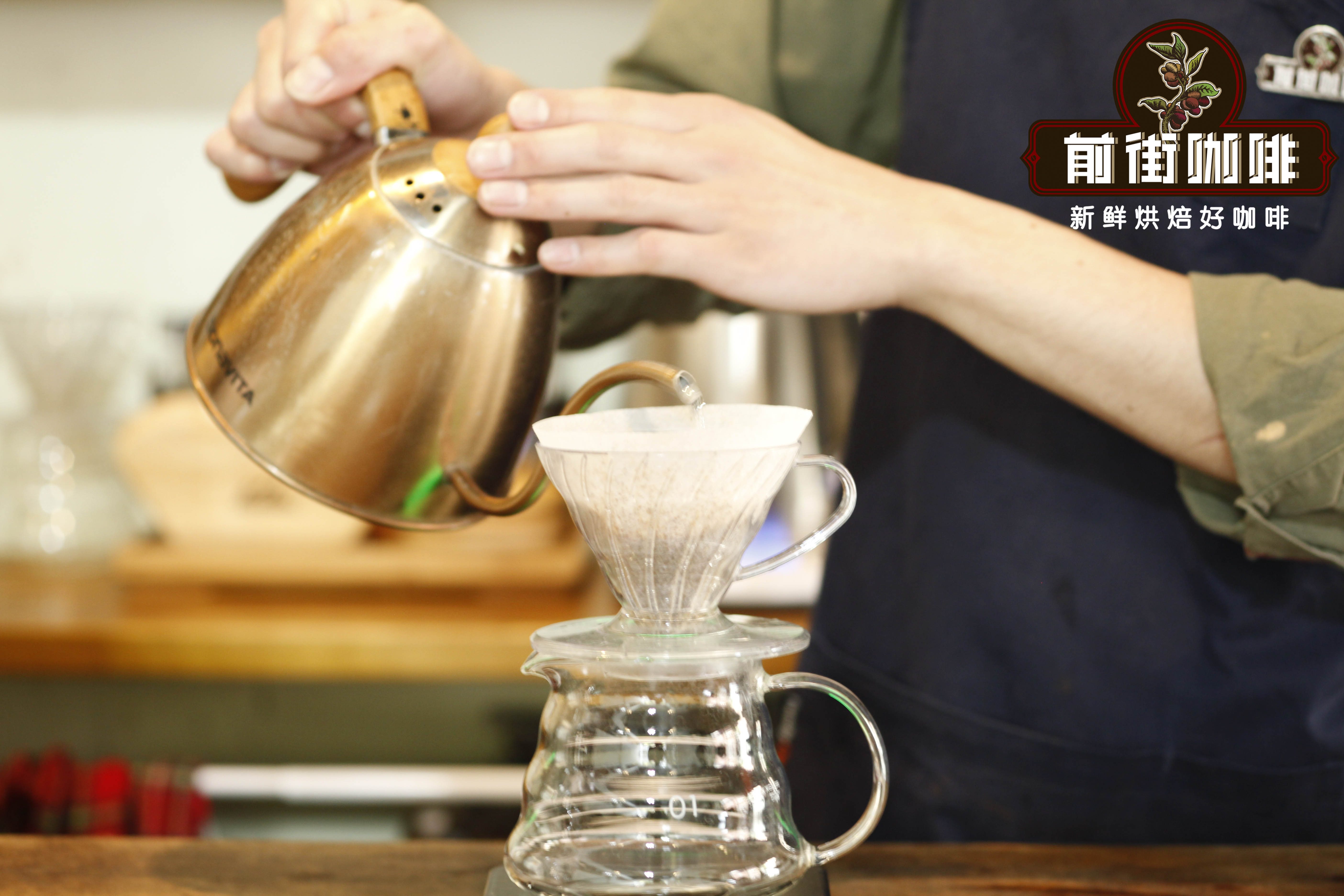
First stage: pour 30g of water for a 30-second bloom, then pour 95g (the scale shows around 125g), completing in about 1 minute. When the water level drops to two-thirds of the coffee bed, pour the remaining 100g (the scale shows around 225g), completing in about 1 minute 35 seconds. Finish extraction at 2'00"-2'10", then remove the dripper.

Natural Red Cherry Brewing Flavor: Lemon, licorice, citrus, berries, sweet orange, with high overall sweetness, caramel and cream in the aftertaste, and a black tea aroma in the finish.
Washed Gedeb Brewing Flavor: Citrus and black tea on entry, with cream, caramel and almond notes appearing as the temperature changes, and a clean, sweet aftertaste.
FrontStreet Coffee Recommendation
Yirgacheffe is where most drinkers discover what washed Ethiopian coffee can be, and FrontStreet Coffee's range makes that starting point easy. The FrontStreet Washed Yirgacheffe - a daily staple - is known for white jasmine, bright citrus and lemon acidity and a tea-like body, and its friendly price has made it the first specialty coffee for countless newcomers. If you want to go deeper into the region, the FrontStreet Yirgacheffe Gudina comes from the Gudina cooperative in the southeastern Woka area, once part of the Woka cooperative under the Yirgacheffe Union (YCFCU) and later recognized as a single origin by coffee hunters around the world; it follows the traditional washed process and shows clean, bright citrus and lemon acidity with jasmine fragrance, and no trace of the old bitterness.
For the natural side of Yirgacheffe, the FrontStreet Natural Red Cherry uses only fully ripe all-red cherries, laid out on raised beds to dry for three to five weeks with regular turning, so it keeps the typical Yirgacheffe character while adding the tropical fruit of natural processing - citrus-like acidity, berry juiciness, honeyed sweetness and a creamy smoothness.
Important Notice :
FrontStreet Coffee is a long-established specialty coffee roaster in Guangzhou China, selling freshly roasted beans from its own farm in Yunnan as well as dozens of carefully selected single-origin beans from around the world for both pour-over and espresso. The products deliver consistently excellent quality and great value, with shipping within 24 hours. Guangzhou's FrontStreet Coffee shop is recommended by many coffee lovers, and the beans are now available online at the Tmall 。
FrontStreet Coffee has moved to a new address:
FrontStreet Coffee Address: 315,Donghua East Road,GuangZhou
Tel:020 38364473
 Scan and follow the En Gafei WeChat official account. Please indicate that the reprint comes from "En Gafei".