
History of Brazil: The Largest Coffee Consumer's Coffee Kingdom and Characteristics of Red Bourbon Coffee Beans
The Rich History of Brazilian Coffee
Coffee arrived in Brazil at the very beginning of the 18th century. The story goes that in 1727, the Brazilian government dispatched a dashing soldier, Lieutenant Colonel Francisco de Mello Palheta, to French Guiana under the cover of mediating a border dispute, with the real mission of smuggling coffee seeds back home. Legend has it that the governor's wife, charmed by the lieutenant, slipped him a bouquet garlanded with coffee seedlings at a farewell state banquet.
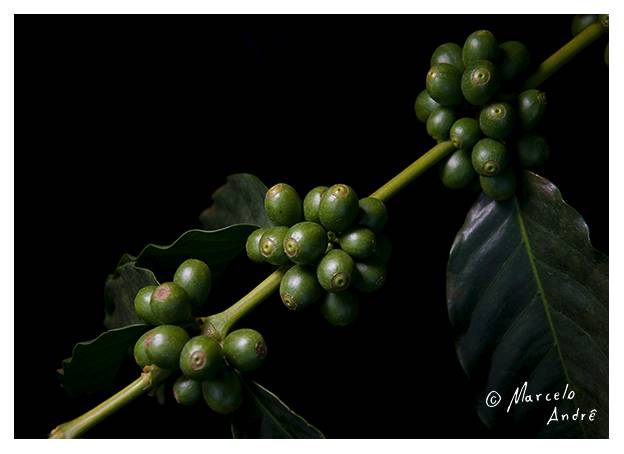
Today Brazil plants coffee on roughly 2 million hectares of land, the vast majority of it - over 70% - Arabica. Most of that crop is destined for large multinational roasters and is sold simply as "Santos," named after the port in the state of São Paulo rather than any growing region.
Quality and Innovation in Brazilian Coffee
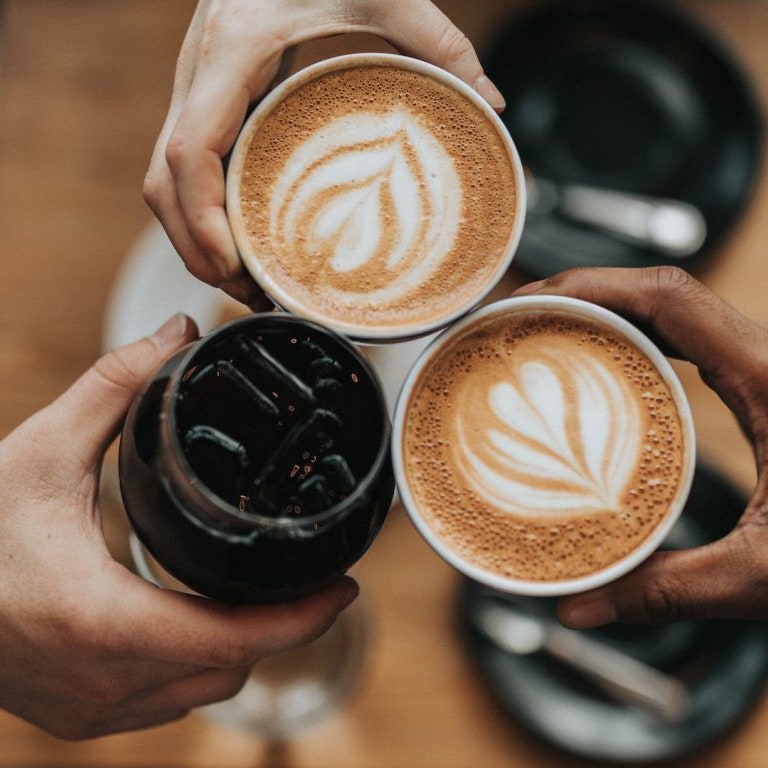
Yet Brazil also produces genuinely excellent coffees and micro-lots, proving that specialty coffee need not be the preserve of small-scale growers alone. Like India, Brazil's growing middle class has fueled rapid growth in the domestic market: consumption is expanding at roughly 5% a year, and according to The Telegraph, Brazil has recently overtaken the United States as the world's largest coffee-consuming nation in terms of total kilograms consumed.
In 1975, a devastating frost struck Brazil. Many growers abandoned their farms in the south and southeast and resettled in Minas Gerais, a state less affected by the freeze. A combination of technology, sound cultivation practices, and sheer determination turned Minas Gerais into Brazil's largest coffee-producing state within just over 30 years.
The Cup of Excellence and Brazilian Coffee Varieties
To celebrate the country's best coffees, Brazil pioneered the judged Cup of Excellence competition. Farm sizes range from family plots of under 10 hectares to sprawling estates of more than 2,000 hectares - some of the largest Brazilian estates individually produce more coffee each year than the entire country of Bolivia.
A wide array of traditional and experimental varieties is grown here, including Bourbon, Mundo Novo, Icatu, Catuai, Iapar, and Catucai. Most of the genetic stock in Brazilian coffee traces back to the Catuai and Mundo Novo combination developed in the 1930s by the Agronomic Institute of Campinas (IAC).
Historically, because water was scarce in the early coffee-growing regions, most Brazilian coffee was processed using the natural (dry) method. That is changing, with pulped natural and fully washed processing now adopted - particularly in the specialty segment. These different processes are used to highlight different characteristics and coax distinct qualities out of the bean.
In fact, some large estates process the same coffee by every method to offer contrasting cup profiles. Mercanta works closely with the Brazil Specialty Coffee Association (BSCA) to build lasting, sustainable relationships with quality growers of every size. The BSCA operates at both the international and domestic levels to raise standards for Brazilian coffee and coffee agriculture: abroad, it promotes quality Brazilian coffee and helps growers meet the exacting requirements of global specialty buyers; at home, it works with farms to keep improving sustainable agricultural practices and to safeguard the welfare of workers.
The Legacy and Future of Brazilian Coffee
Most Brazilian coffee descends from the traditional Latin American Arabica varieties, chiefly Bourbon. The finest lots trade in Brazil as Santos 2, with "2" denoting the highest quality grade.
For more than 100 years, Brazil has been the king of the coffee industry. It is also the largest producer and exporter of instant coffee, which accounts for more than a third of the country's coffee production. Output is expected to approach 60 million 60-kilogram bags by 2020, up from 49.3 million bags the year before.
Is Brazilian coffee underestimated or overestimated? One thing is certain: Brazil will keep reinventing itself to meet the world's growing demand for quality coffee.
FrontStreet Coffee offers a Red Bourbon from Brazil - a well-balanced coffee in the classic Brazilian style, with prominent nutty and chocolatey flavors, low acidity, high sweetness, and a clean, smooth cup touched with tropical fruit aromas.
FrontStreet Coffee Recommendation
As the world's largest coffee producer, Brazil grows a remarkable range of coffees. Brazilian beans carry moderate acidity, and the balance of sweetness, bitterness, and body is excellent - which is why they suit medium roasting so well. A medium roast draws out an inviting nutty fragrance and a mellow, smooth cup with a gentle acidity, making these beans equally at home as a single origin or in a blend.
FrontStreet Coffee Brazil Cerrado Red Bourbon
If you simply want a taste of what Brazil does best, start with FrontStreet Coffee's pulped natural Cerrado. Cerrado is a celebrated Brazilian growing region known for high-quality beans, and this lot is a Red Bourbon - a variety common across South America. Roasted to a medium level, it opens with rich aromas of cream and roasted peanuts, toast, caramel, and hazelnut. The cup is round and full, not sour, with only a whisper of bitterness. It shines as a pour-over but is just as happy in a Moka pot, as a single-origin espresso, or in a siphon or French press.
FrontStreet Coffee Brazil Queen Estate Yellow Bourbon
For something more distinctive, try FrontStreet Coffee's Queen Estate lot from Mogiana, a region near southern Minas Gerais where fertile red volcanic soil feeds the cherries and helps them develop a full, aromatic sweetness. Part of the area still runs on traditional farmstead methods while part has adopted modern, standardized management, and quality has climbed accordingly. The variety here is the rare Yellow Bourbon, a natural mutation of Red Bourbon with an even cleaner fruit character. Brewed by hand, in a Moka pot, or in a home espresso machine, Queen Estate reveals a sugarcane sweetness you will not find in most other origins, alongside fruit and chocolate notes.
FrontStreet Coffee Espresso Blends
Brazil's low acidity, balanced cup, and friendly price have made it the backbone of many espresso blends. FrontStreet Coffee's rich-crema Classic Blend, the nut-forward Premium Blend, the well-rounded Black Cocoa Blend favored by baristas, and FrontStreet Coffee's Commercial Blend designed for cafes all contain Brazilian beans. Brazil contributes chocolate and cream aromatics, a gentle interplay of sour, sweet, and bitter, and a balanced profile that also steadies extraction shot after shot.
Important Notice :
FrontStreet Coffee is a long-established specialty coffee roaster in Guangzhou China, selling freshly roasted beans from its own farm in Yunnan as well as dozens of carefully selected single-origin beans from around the world for both pour-over and espresso. The products deliver consistently excellent quality and great value, with shipping within 24 hours. Guangzhou's FrontStreet Coffee shop is recommended by many coffee lovers, and the beans are now available online at the Tmall 。
FrontStreet Coffee has moved to a new address:
FrontStreet Coffee Address: 315,Donghua East Road,GuangZhou
Tel:020 38364473
 Scan and follow the En Gafei WeChat official account. Please indicate that the reprint comes from "En Gafei".

