Flavor Characteristics of Fazenda Rainha Yellow Bourbon Coffee Beans - Brazil Arabica Specialty Coffee Growing Regions

As the world's largest producer of Arabica coffee, Brazil sits at the head of the global coffee industry, and its annual harvest matters enormously to the trade as a whole. Because the ICE - the exchange that sets coffee futures prices - holds mainly Brazilian beans as its Arabica inventory, Brazilian production volumes directly shape coffee price movements around the world.
Brazilian Coffee Growing Regions
An estimated 300,000 coffee plantations are spread across 1,950 cities in Brazil (Mello 2012). The state of Minas Gerais alone accounts for roughly 50% of the country's total output, thanks to cheap land, abundant affordable labor, and mountainous terrain and climate well suited to coffee cultivation.
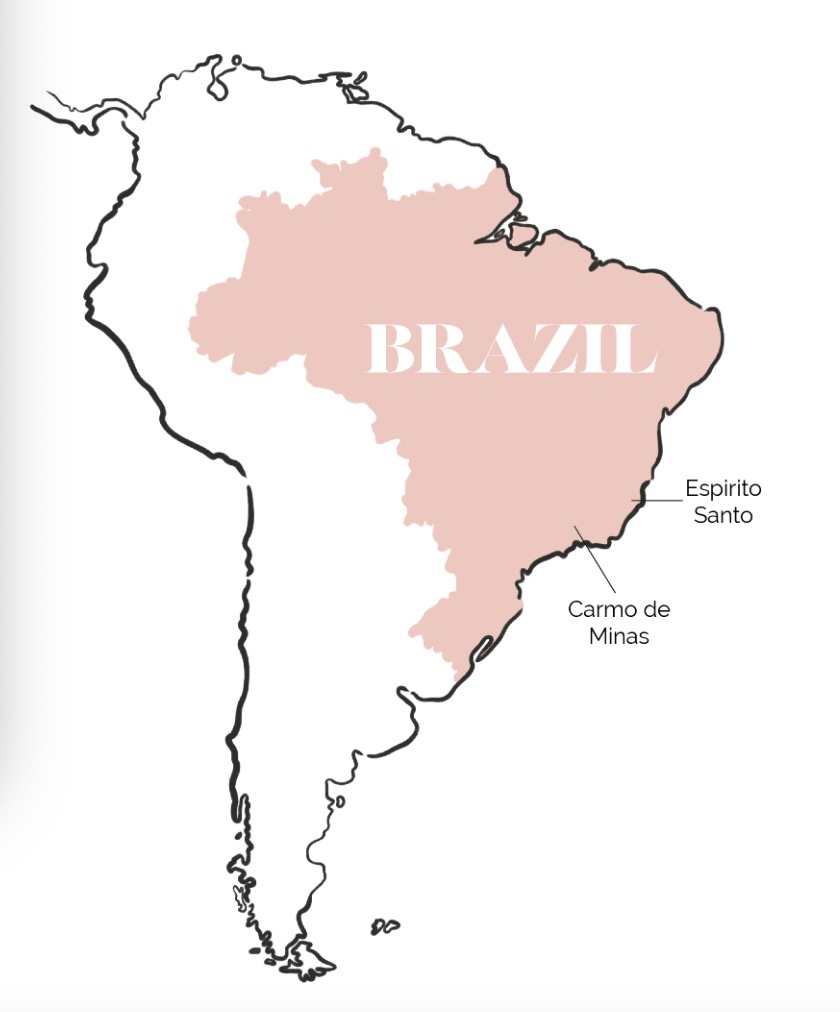
Brazil's principal Arabica regions are Minas Gerais, São Paulo, Bahia, and Espírito Santo, which together account for 90% of national exports. Mogiana in São Paulo is the name most familiar to everyday drinkers, while Cerrado and Sul de Minas in Minas Gerais, sitting at higher altitudes, produce many of Brazil's premium beans.
Minas Gerais
Sul de Minas (Southern Minas) sits at higher elevations, with an average altitude of 1100m and an annual temperature of around 22°C. Varied topography, clearly marked wet and dry seasons, wide day-night temperature swings, and fertile microclimates make the region ideal for growing flavorful Bourbon and Yellow Bourbon - and it has naturally become a heartland of Brazilian specialty coffee.
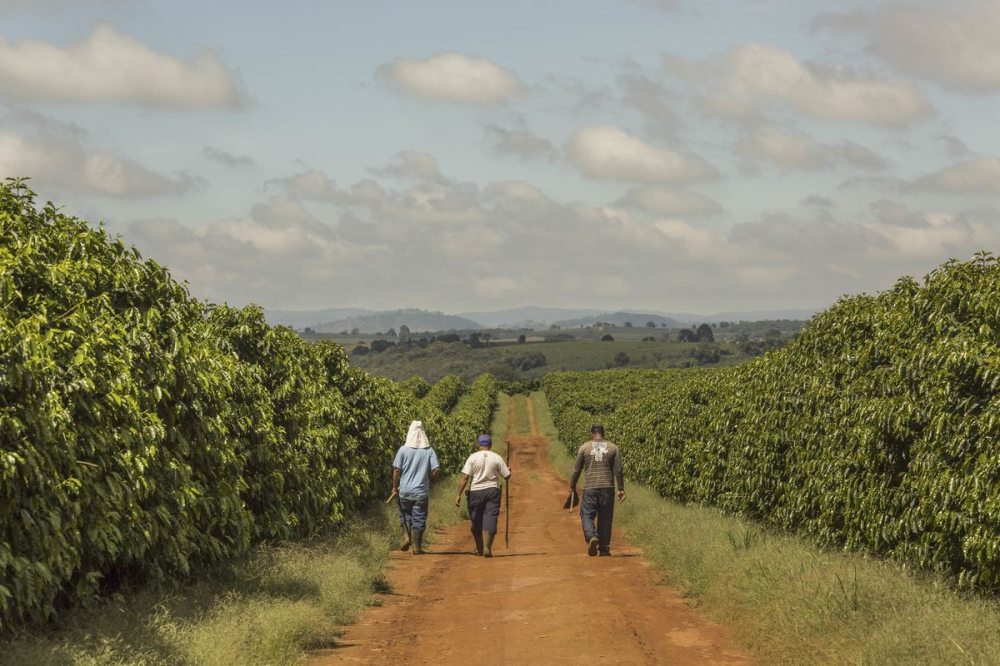
The main varieties here are Catuaí, Mundo Novo, and Icatu. In FrontStreet Coffee's cupping comparisons, beans from Sul de Minas typically show a rich body with gentle lemon acidity and fruit aroma.
Cerrado
Mention Cerrado and most people picture the vast Cerrado savanna, home to some of the most complex biodiversity on the planet. But not every coffee grown on the savanna earns the name Cerrado coffee - only beans raised at altitudes between 1100-1300m, on the highest and most fertile ground the savanna offers, may carry the designation.
The main varieties grown here are Catuaí and Mundo Novo. Cupping comparisons by FrontStreet Coffee have found that Cerrado beans typically deliver sweet flavors of nuts, caramel, and chocolate.
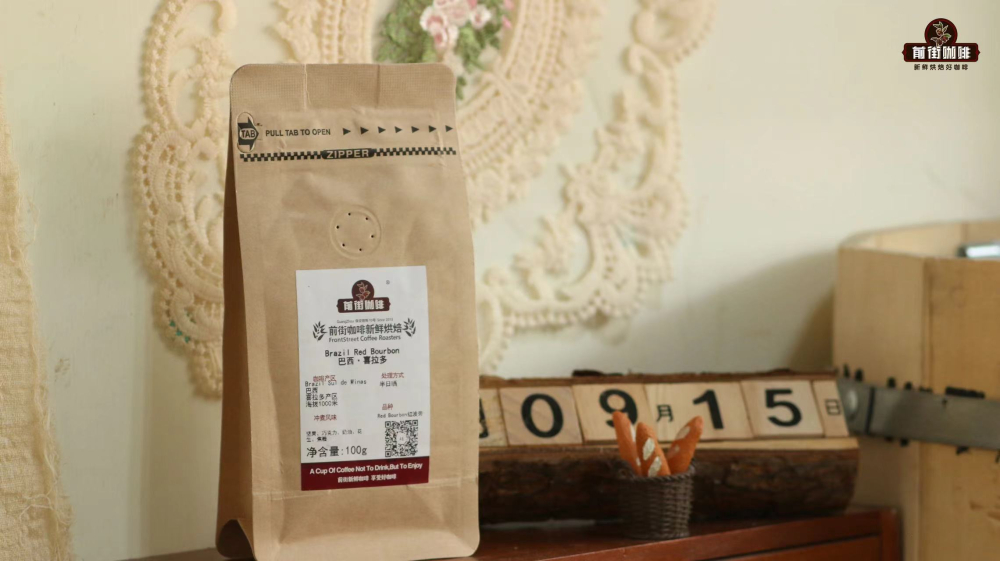
In FrontStreet Coffee's everyday-drinker lineup, the Brazilian entry is a pulped natural (semi-dry processed) Red Bourbon from Cerrado. The flavor here is highly representative of classic Brazil - nutty, caramel-like, low in acidity, and full-bodied - at excellent value for money.
Mogiana
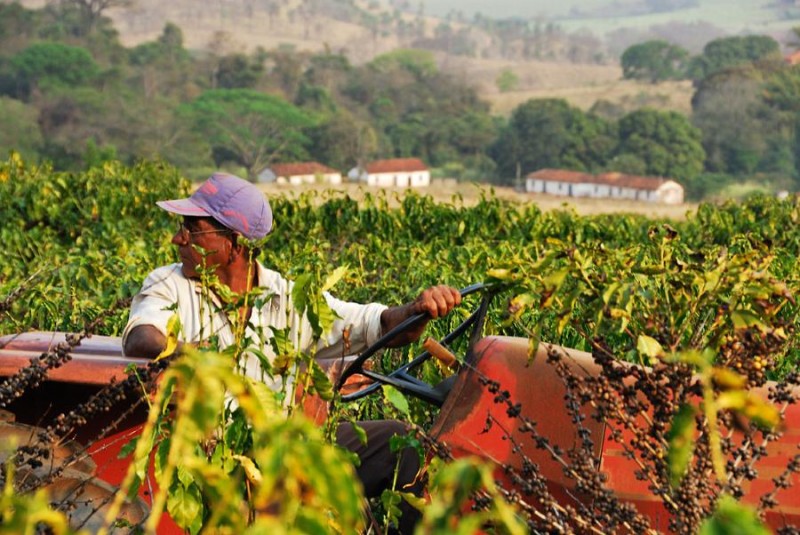
Mogiana lies very close to Southern Minas, with coffee planted among shrubs, grassland, and other vegetation. The area is dotted with farming families: some run traditional large estates while others operate on a small, modern scale, and the marriage of modern technology with the local mountain coffee culture has produced outstanding green coffee.
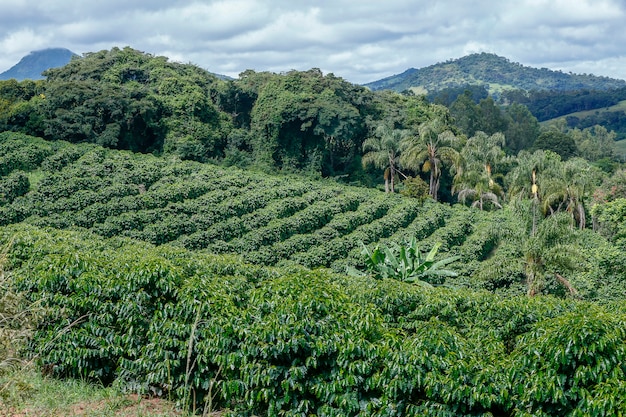
Here too the leading varieties are Catuaí and Mundo Novo. FrontStreet Coffee's cupping comparisons show Mogiana beans carrying nutty aromas and a sucrose-like sweetness - and FrontStreet Coffee's own pulped natural Yellow Bourbon comes from Queen's Farm in this region.
Queen's Farm (Fazenda Rainha) is managed by José Renato G. Dias, an agricultural engineer specializing in coffee production. The estate covers 280 hectares, of which 200 hectares grow Yellow Bourbon, Catuaí, Yellow Catuaí, Mundo Novo, and Acaiá. It holds both BSCA and Utz certifications.
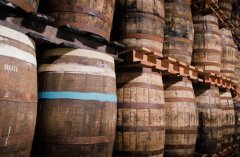
At harvest time the ripe cherries are picked with handheld mechanical harvesters onto cloths, so the fruit never touches the ground. The cherries are then depulped and spread on patios, drying slowly in the sun until they reach 11% humidity. Once dry, the coffee is stored in wooden granaries - steps that give this farm's Brazilian beans their notably stable quality.
Bourbon Coffee Varieties
Attentive readers will notice that both of FrontStreet Coffee's Brazilian beans are Bourbon varieties - just in different colors. Bourbon is a subspecies that mutated from Typica, and together with Typica it belongs to the oldest coffee varieties still in cultivation. Ripe cherries turn bright red, hence the name Red Bourbon - which is simply Bourbon at normal maturity.
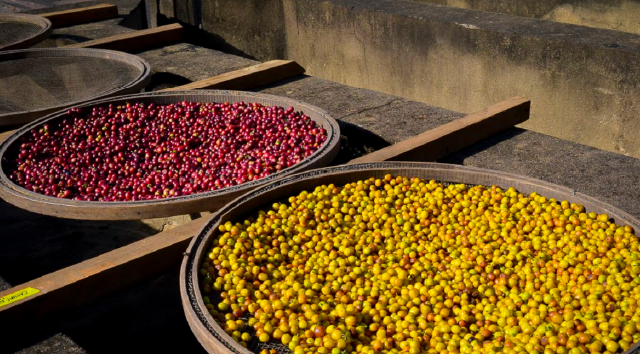
Yellow Bourbon is a Bourbon variant unique to São Paulo state. The name comes from the fruit's habit of turning orange-yellow rather than red when ripe. Grown at higher altitudes, Yellow Bourbon shows an excellent flavor profile: nuts and chocolate, balanced smooth acidity, faint and clean bitterness, and an overall bright, refreshing character.
Semi-Dry Processing Method
Before 1990, Brazil relied almost entirely on the rough natural process, which left beans prone to woody or earthy flavors - the fruit had to sun-dry for two to three weeks, and any rain and reabsorbed moisture could easily invite moldy taints. To break free of that dependence on the weather, Brazil leveraged its relatively dry climate in 1990 and developed the semi-dry method, also known as Pulped Natural, to shorten processing time. The two methods are similar; the difference lies in whether water is used to assist. The semi-dry approach sharply reduces quality-control problems, cuts defects, yields a uniform and attractive appearance, and boosts sweetness.
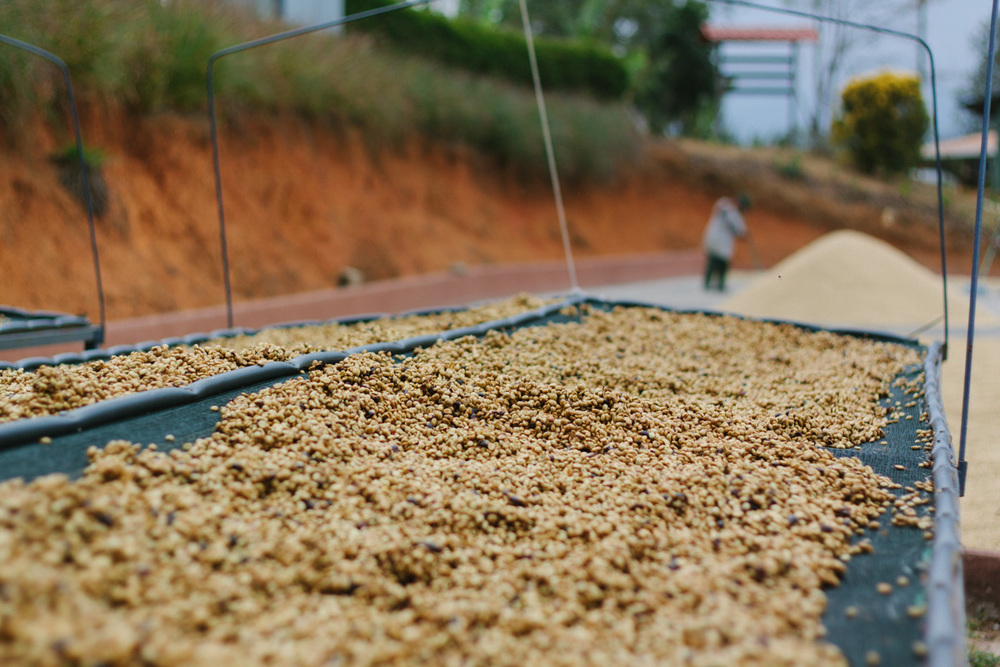
Semi-dry processing unfolds in two stages: first the cherries are sun-dried until the moisture content falls to 20-25%, then they finish in a mechanical dryer down to 10-14%.
How to Brew Brazilian Coffee Beans for Great Taste?
FrontStreet Coffee's brewing parameters: Kono dripper, water temperature 88°C, coffee amount 15 grams, coffee-to-water ratio 1:15, grind size medium-fine (70-75% pass-through rate on the Chinese standard #20 sieve).
FrontStreet Coffee brews in segments, also called three-stage pouring: bloom with 30g of water for 30 seconds, then pour in small circles up to 125g for the first stage. When the water level drops and the coffee bed is about to be exposed, pour on up to 225g and stop. Once the level drops again and the bed is about to break the surface, remove the dripper. (Timing starts from the bloom.) Total extraction time is 2'05"-2'15".
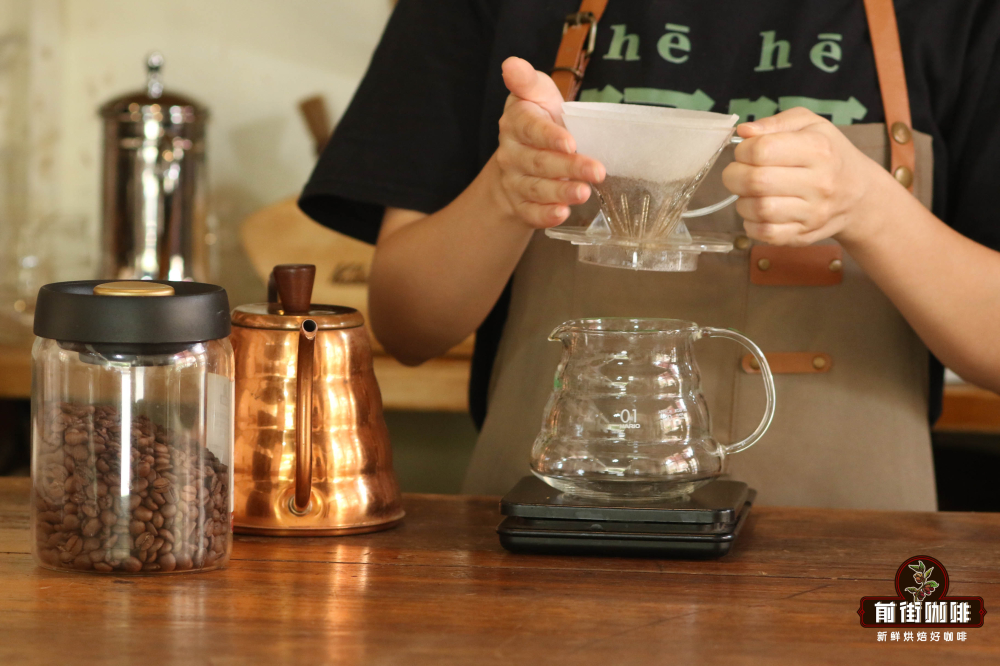
FrontStreet Coffee - Brazilian Queen's Farm Coffee Brewing Flavor:
The sweetness of fresh sugarcane juice, black tea, and smooth fruit sweetness, with distinct nutty notes, balanced gentle acidity, faint and clean bitterness, a rich chocolate-and-nut character, and a bright, refreshing cup with a silky, delicate texture.
FrontStreet Coffee - Brazilian Cerrado Coffee Brewing Flavor:
Obvious sweetness on the first sip, a whisper of lemon aroma, plenty of nutty flavor, and distinct dark chocolate in the finish, all wrapped in an overall rounded mouthfeel.
FrontStreet Coffee Recommendation
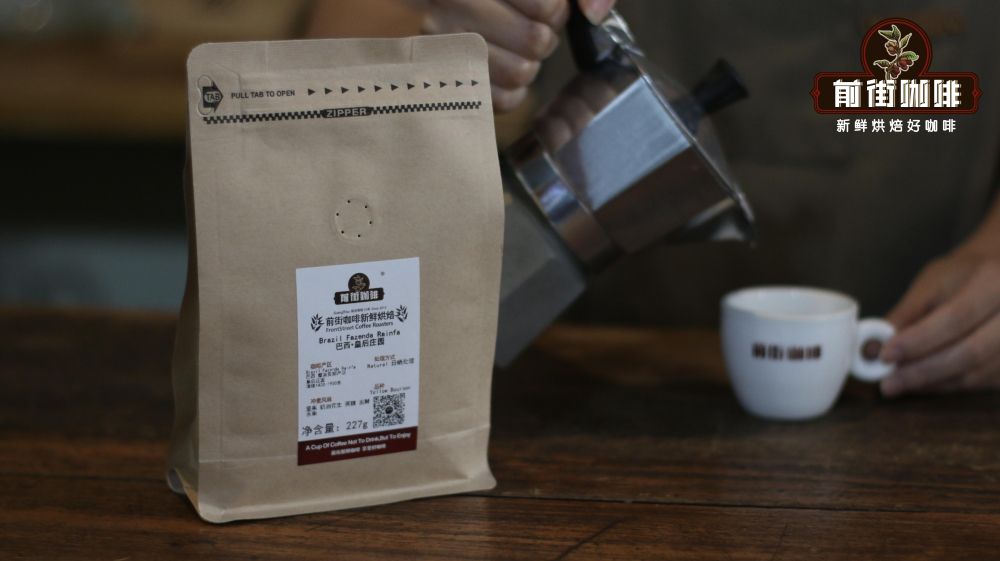
For a true taste of Mogiana, FrontStreet's Fazenda Rainha (Queen's Farm) Yellow Bourbon is the bean to try. This rare Yellow Bourbon, grown in the region's fertile red volcanic soil, stays remarkably clean and sweet - expect sugarcane-like sweetness, fruit aromas, and chocolate notes whether you brew it as pour-over, in a moka pot, or on a home espresso machine.
Important Notice :
FrontStreet Coffee is a long-established specialty coffee roaster in Guangzhou China, selling freshly roasted beans from its own farm in Yunnan as well as dozens of carefully selected single-origin beans from around the world for both pour-over and espresso. The products deliver consistently excellent quality and great value, with shipping within 24 hours. Guangzhou's FrontStreet Coffee shop is recommended by many coffee lovers, and the beans are now available online at the Tmall 。
FrontStreet Coffee has moved to a new address:
FrontStreet Coffee Address: 315,Donghua East Road,GuangZhou
Tel:020 38364473
 Scan and follow the En Gafei WeChat official account. Please indicate that the reprint comes from "En Gafei".