Characteristics and Flavor Profiles of Brazilian Coffee Varieties: The History and Story of New World Catuai and Bourbon Coffee Beans
As the world's largest producer of Arabica coffee, Brazil underpins the entire coffee chain, from commercial to specialty. Brazilian coffee is also the main force that sets the price of Arabica futures on the ICE exchange.
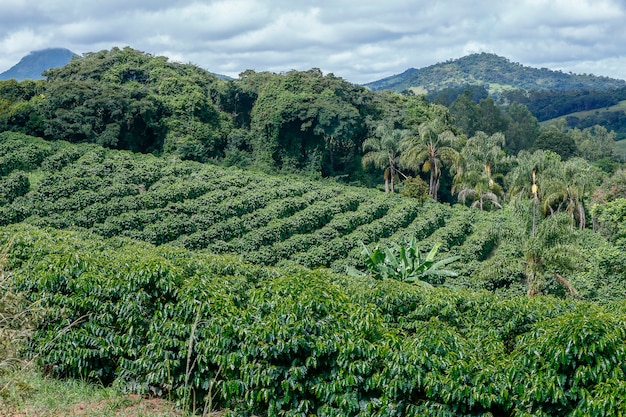
The high yield of Brazilian Arabica is also thanks to the country's warm northern climate and flat terrain. The climate suits Arabica beans, and the flat land allows machine harvesting, which lifts overall output.
Main Brazilian Coffee Regions
Brazil's main coffee-producing regions are Minas Gerais, São Paulo, Bahia, and Espírito Santo. Together these four account for 90% of the country's total exports. The Mogiana name many people know comes from São Paulo. Cerrado and South Minas in Minas Gerais, along with Mogiana, are the higher-altitude areas that produce more of Brazil's specialty beans.

Flavor Characteristics of Brazilian Coffee Beans
Brazil's relatively low altitude, flat and monotonous terrain, and lack of microclimates—combined with the traditional practice of sun-drying—shape Brazil's signature soft-bean flavor. After cupping Brazilian beans from different regions, FrontStreet Coffee finds that Brazilian coffee has low acidity, a medium nutty character, the sweet aroma of chocolate, and a rich, mellow mouthfeel.
Main Brazilian Coffee Varieties
Three main varieties are cultivated in these regions: Red Bourbon, Yellow Bourbon, and Mundo Novo.
Red Bourbon Variety
Bourbon originated as a natural mutation of the Typica variety and is a long-established cultivar; both belong to the Arabica species. Typical Bourbon trees bear green fruit that ripens to bright red—the coffee we know as "Red Bourbon."
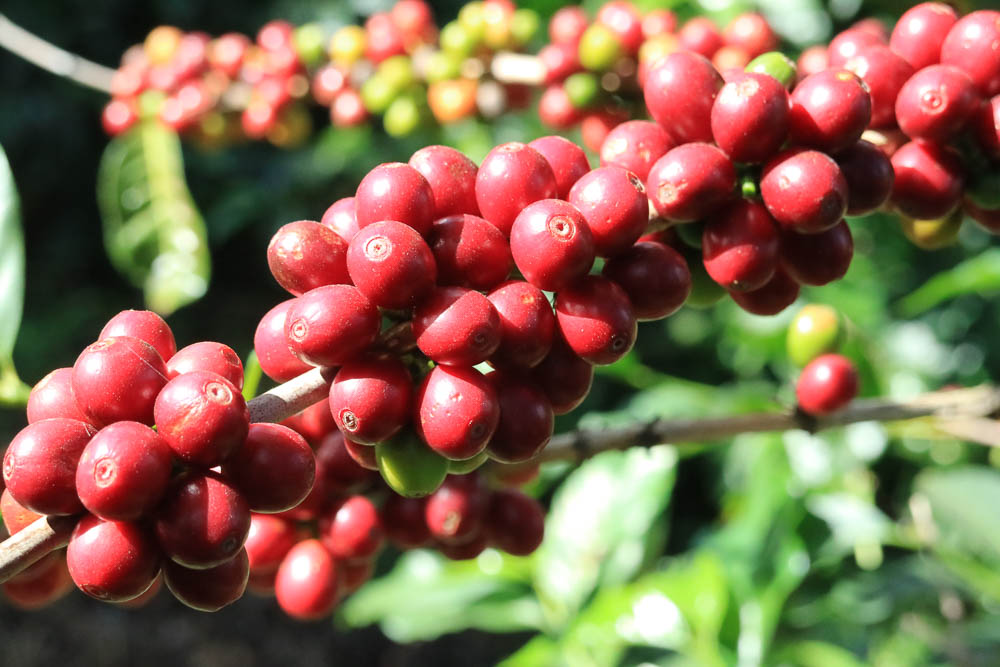
Through cupping, FrontStreet Coffee has found that Red Bourbon grown at high altitude shows a better aroma and bright acidity, with noticeable sweetness and a wine-like character.
FrontStreet Coffee believes the most basic element of specialty coffee is being able to taste the unique flavor of a producing region. Each region's terroir, climate, and altitude let coffee express different but representative flavors. That is why FrontStreet Coffee launched seven regional daily-drinker beans, so everyone can experience the flavor of well-known regions at the best possible value.
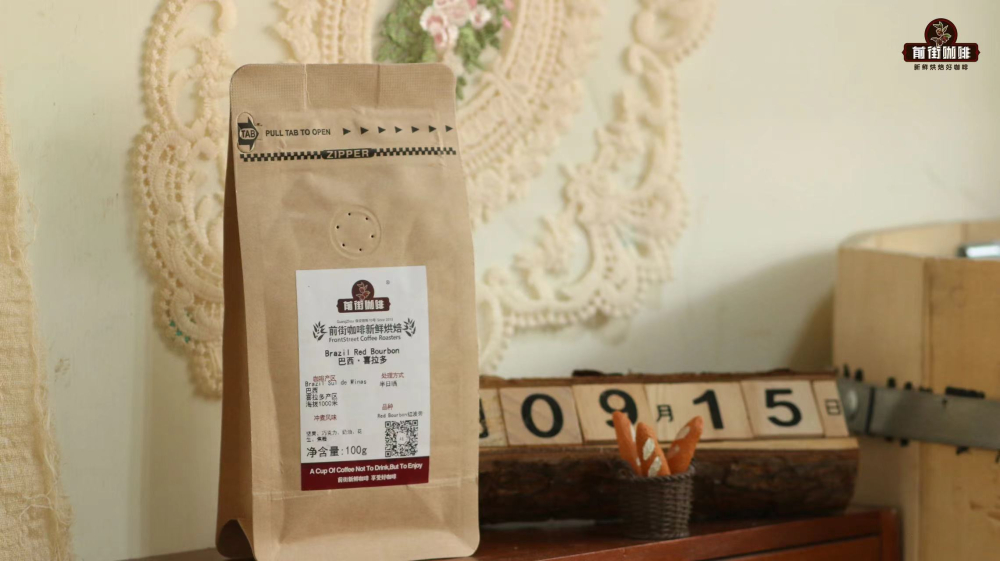
Among them, FrontStreet Coffee selected a FrontStreet Brazilian Red Bourbon from the Cerrado region of Minas Gerais, grown at 1,100 meters and processed using the pulped natural method. Under suitable drip-extraction parameters, this FrontStreet Brazilian Cerrado bean shows distinct sweetness, a subtle lemon aroma, rich nutty flavor, and pronounced dark chocolate in the finish. The overall cup is well-rounded and truly representative of Brazilian regional character.
Yellow Bourbon Variety
Yellow Bourbon is a unique Bourbon variant found in São Paulo state, Brazil. Its name comes from the fact that the fruit ripens to an orange-yellow rather than red. Grown at high altitude, Yellow Bourbon can perform exceptionally well. The beans have balanced, smooth acidity and a weak, clean bitterness, giving an overall bright and refreshing character.
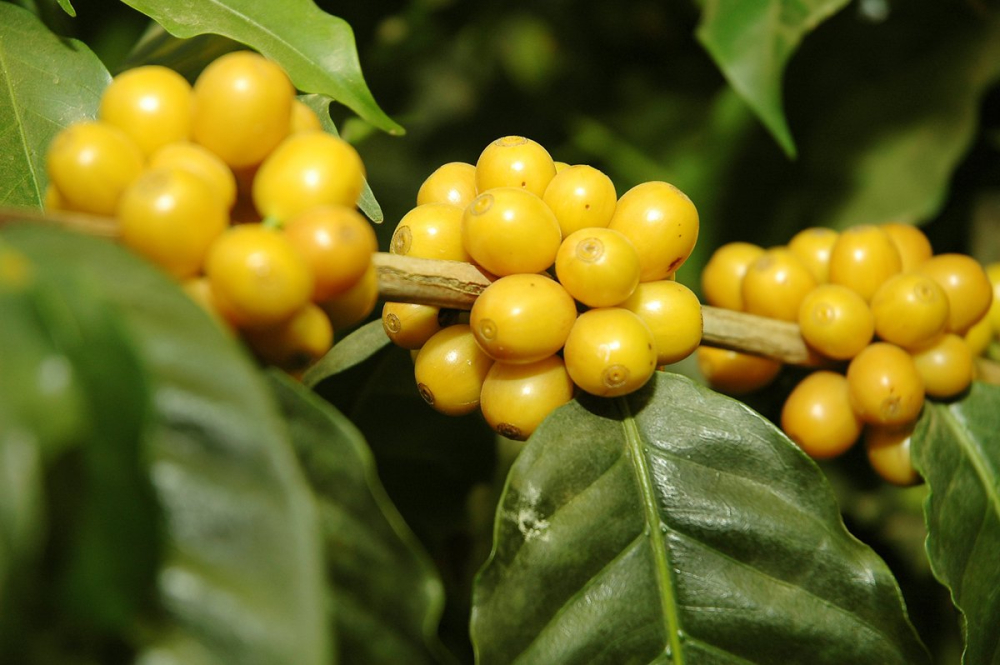
Brazil's most famous place for Yellow Bourbon is Fazenda Rainha, in the Mogiana region of São Paulo state. Fazenda Rainha is run by José Renato G. Dias, an agricultural engineer who specializes in coffee production. The farm covers 280 hectares, with 200 hectares planted mainly to Yellow Bourbon, Icatu, Yellow Catuai, Mundo Novo, and Acaiá. It holds BSCA and Utz certifications.
When the coffee ripens, handheld mechanical harvesters pick the fruit onto cloth to keep it off the ground. After harvesting, the cherries are pulped and spread on patios to dry. The coffee dries slowly in the sun until it reaches 11% humidity. It is then stored in wooden granaries, which helps keep the quality of this estate's beans more stable.
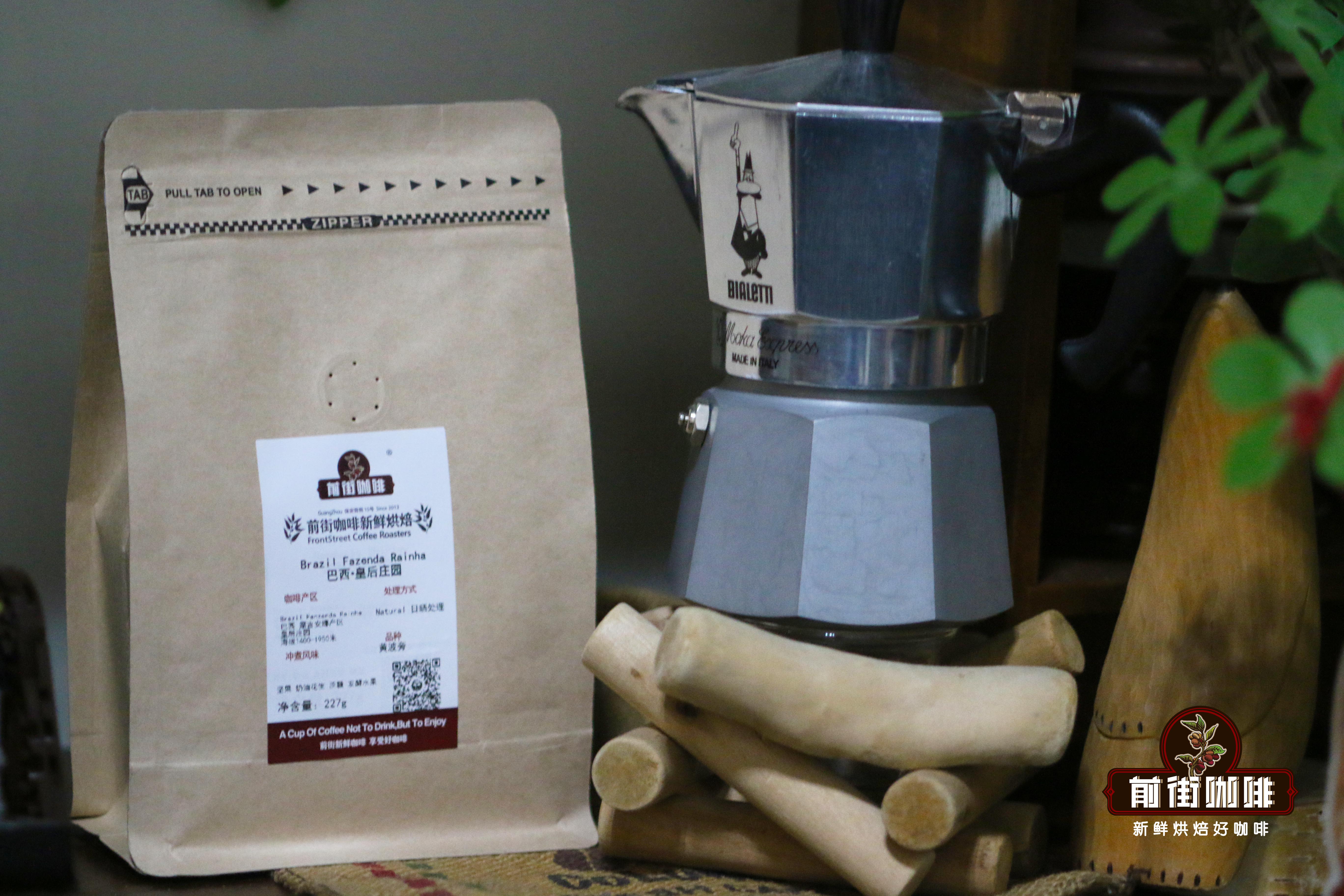
The FrontStreet Brazilian Yellow Bourbon currently sold by FrontStreet Coffee comes from Fazenda Rainha. Under suitable drip-extraction parameters, this FrontStreet Brazilian Fazenda Rainha Yellow Bourbon shows the fresh sweetness of sugarcane juice, with tea-like, mellow, and pleasant fruit sweetness, distinct nutty flavor, balanced and smooth acidity, a weak and clean bitterness, rich chocolate aroma, and a bright, refreshing, smooth, and delicate mouthfeel.
Mundo Novo Variety
Mundo Novo is a natural hybrid of Bourbon and Typica, first discovered in 1943 in Itapetininga, São Paulo, Brazil. It was originally planted in the town of Novo Mundo, which is now Urupês.
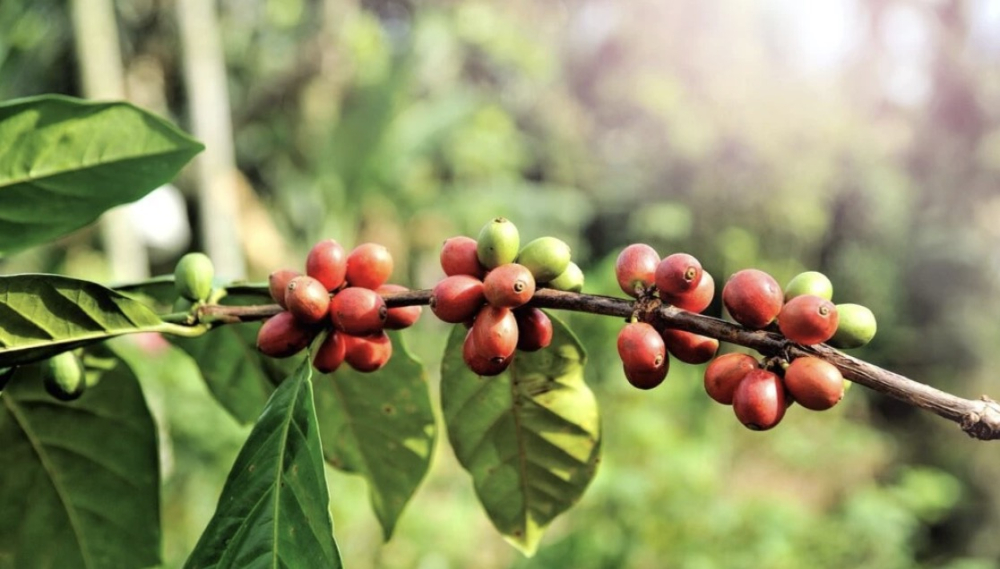
The first selection of Brazilian Mundo Novo was completed between 1943 and 1952, and the variety was distributed to growers starting in 1952. In the 1960s, Mundo Novo was widely planted across Brazil and hailed as the new hope of the Brazilian coffee industry. Later, in 1977, the Agronomical Institute of Campinas (IAC) released new selections. In Brazil and other South American countries, Mundo Novo has very high commercial value. It spread to other countries as well but, for various reasons, never reached wide cultivation there.
How to Brew Brazilian Coffee Beans for the Best Taste
First, choose freshly roasted beans. FrontStreet Coffee ships all its coffee within five days of roasting, so the beans are always 100% fresh-roasted.
To let Brazilian coffee express its signature nutty, mellow character, FrontStreet Coffee roasts the two FrontStreet Brazilian beans on its menu to a medium-dark level. Medium-dark beans have a looser structure, which makes the compounds inside easier to extract. That is why FrontStreet Coffee recommends brewing Brazilian coffee with lower-temperature water and a medium-coarse grind.
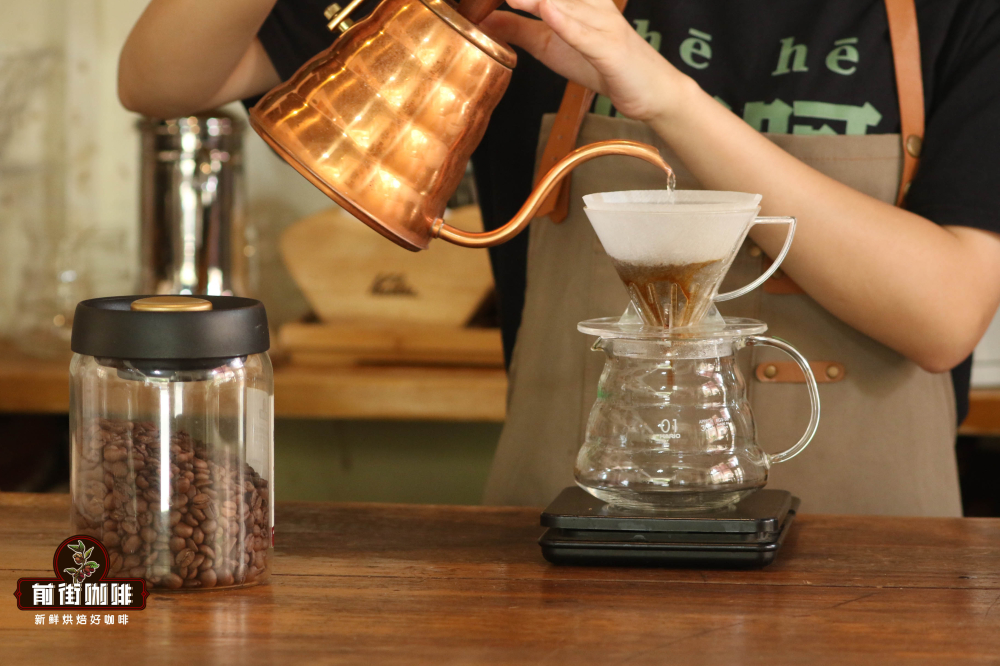
The extraction method is simple: first pour 30g of water for the bloom, with a bloom time of 30 seconds. Then pour to about 125g and let the coffee drain. When the level drops halfway, pour the rest to reach 225g. End the extraction after all the coffee has dripped through. Total extraction time is generally around 2 minutes and 10 seconds.
FrontStreet Coffee Recommendation
If you want a gentle introduction to Brazilian flavor, the FrontStreet Brazil Cerrado Red Bourbon is a classic single-origin pick. Cerrado is one of Brazil's best-known regions for high-quality beans, and this lot uses the common South American Red Bourbon variety. Roasted to a medium level, it shows creamy peanut, toasted bread, caramel, and hazelnut, with a round body, little acidity, and a light bitter edge—equally good as pour-over, moka pot, espresso SOE, siphon, or French press.
For a rarer Brazilian variety, the FrontStreet Brazil Queen Estate Yellow Bourbon comes from Mogiana, near South Minas, where fertile red volcanic soil helps the cherries develop full aroma. Yellow Bourbon is a natural mutation of Red Bourbon with a cleaner fruit profile, and this lot is prized for a sugarcane-like sweetness that other regions rarely offer, alongside fruit and chocolate notes.
Brazil also anchors many of FrontStreet Coffee's espresso blends, where its low acidity, balanced body, and gentle chocolate-and-cream sweetness add stability and sweetness to the cup—worth exploring if you brew espresso at home.
Important Notice :
FrontStreet Coffee is a long-established specialty coffee roaster in Guangzhou China, selling freshly roasted beans from its own farm in Yunnan as well as dozens of carefully selected single-origin beans from around the world for both pour-over and espresso. The products deliver consistently excellent quality and great value, with shipping within 24 hours. Guangzhou's FrontStreet Coffee shop is recommended by many coffee lovers, and the beans are now available online at the Tmall 。
FrontStreet Coffee has moved to a new address:
FrontStreet Coffee Address: 315,Donghua East Road,GuangZhou
Tel:020 38364473
 Scan and follow the En Gafei WeChat official account. Please indicate that the reprint comes from "En Gafei".