Panama Hartman Estate Geisha Flavor: Characteristics of Slow-Dried Natural Red Wine Processing
Panama Hartmann Estate Geisha Slow-Dried Natural
Region: Ojo de Agua & Palo Verde
Altitude: 1,400-2,000 meters
Variety: Geisha
Soil Type: Volcanic soil
Grade: SHB
Processing: Slow-Dried Natural Processing
Harvesting: Hand-picked
Certifications: Bird Friendly
Estate Founded: 1912
Cultivation Area: 16 hectares
Estate Size: 110 hectares
Annual Temperature/Rainfall: 20°C/2,500-3,000 mm
Golden Roast
Dry Aroma: Berries, cranberry, cherry, grape candy
Wet Aroma: Cocoa, blueberry, floral notes, bergamot, black tea
Cupping: Jackfruit, pineapple, passion fruit, tropical fruits, fermented rice wine flavor, high sweetness, balanced and harmonious flavor
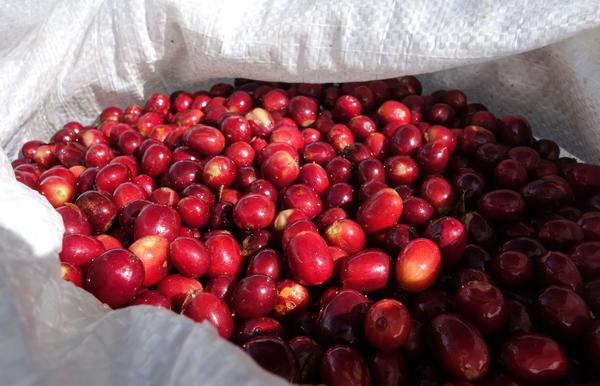
Slow-Dried Processing:
Regarding the slow-dried processing method, FrontStreet Coffee offers the following explanation.
Typical natural processing methods sun-dry coffee cherries for two to three weeks. The slow-dried method extends the sun-drying time. Compared with other methods, it provides optimal air convection and a relatively dry environment, and it must be coordinated with climate conditions. The drawback is the longer time required, but the reward is sweeter cherries with better, more uniform flavor development and storage that is less prone to deterioration. This processing method brings out intense fruit aromas and a thick, smooth mouthfeel.
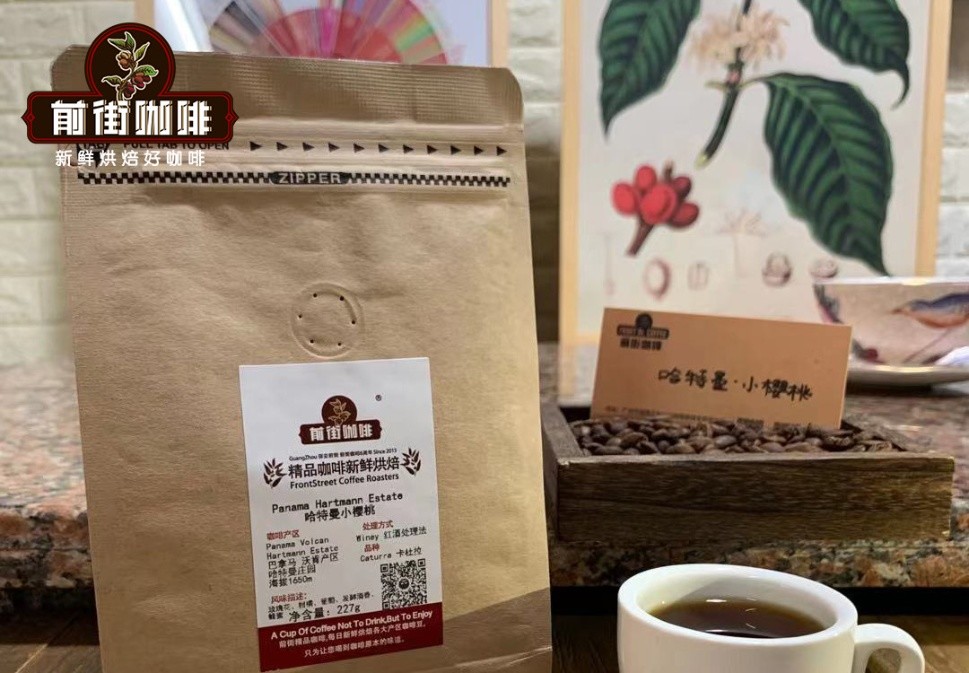
Hartmann Estate also uses the "Black Wine" processing method, which actually starts with very ripe cherries picked later than usual, then dried on raised beds with the pulp still intact. The result is an incredibly complex, juicy, fruit-forward coffee with delicate floral notes and a sweet finish. This method is typically used for various Caturra and Typica coffees. Using a light roast for this coffee reveals aromas of guava, blueberry jam, and honey, with a full, juicy body. It has medium acidity. It leaves a finish of gummy candies, dried fruits, melon, apricot, malt, and wine.
Of course, in addition to these special processing methods, the Hartmann family also uses traditional methods. The Geisha variety, for example, is still produced from the trees of the Hartmann family's rare Ethiopian plant variety Gesha (also known as Geisha). With its characteristically elongated coffee beans and unique floral notes and crispness, often with chocolatey cups, the Gesha variety continues to be one of the world's most distinctive coffees. This is a dry-processed, or "natural," Gesha, which means the coffee beans are dried inside the fruit rather than after the fruit is removed, as in wet-processed, or "washed," coffee.
The cupped flavors are also exceptionally rich, which is exactly why the Gesha variety continues to stand apart from everything else.
FrontStreet Coffee Recommendation
Hartmann's naturally processed Geisha is one of the most expressive Geishas in Panama, and it sits alongside the range of Geisha styles worth exploring. At the top of the well-known hierarchy, FrontStreet's Esmeralda Red Label Geisha grows at 1600-1800 meters, cups above 90 points, and comes from a single small plot, so buyers can choose a batch by the fine differences in flavor.
For a more affordable way into the same estate's character, FrontStreet's Esmeralda Green Label Geisha, originally named Private Collection, is a blend of batches from several plots rather than a single one. It expresses the estate's signature high-altitude Geisha profile at a more accessible price, which makes it excellent value - though because it is a blend without detailed plot specifications, one batch may taste very close to a Red Label while the next may differ.
Beyond Panama, Ethiopia is where Geisha originated, and FrontStreet's Granada Estate Geisha comes from the Genlana Gesha farm at the border of Kochere and Genlena abaya. The processing station was founded in 2014 and the surrounding growing area covers 700 hectares, much of it uncultivated, with fertile soil and abundant shade trees. Hand-picked at full ripeness and dried on raised beds for 14-20 days depending on the weather, it is best given a medium-light roast, showing bright citrus acidity, elegant ginger flower aroma, and the ripe-fruit sweetness and fine, silky mouthfeel that mark a Geisha.
Important Notice :
FrontStreet Coffee is a long-established specialty coffee roaster in Guangzhou China, selling freshly roasted beans from its own farm in Yunnan as well as dozens of carefully selected single-origin beans from around the world for both pour-over and espresso. The products deliver consistently excellent quality and great value, with shipping within 24 hours. Guangzhou's FrontStreet Coffee shop is recommended by many coffee lovers, and the beans are now available online at the Tmall 。
FrontStreet Coffee has moved to a new address:
FrontStreet Coffee Address: 315,Donghua East Road,GuangZhou
Tel:020 38364473
 Scan and follow the En Gafei WeChat official account. Please indicate that the reprint comes from "En Gafei".