Coffee Lists
-
Kenya 72-Hour Fine Washed Coffee Beans Flavor Characteristics_What is 72-Hour Fine Washed Processing
Professional coffee knowledge exchange more coffee bean information please follow Coffee Workshop (WeChat public account cafe_style) Kenya Coffee - Jamoney Kenya coffee trees mostly grow in the mountainous areas north and west of the capital Nairobi, with the main producing area extending southward from the southern slope of Kenya's highest peak Kirinyaga

2025-06-26 Kenya 72-hour fine washed coffee beans flavor characteristics what processing -
Kenya Neri Region Refined Washed Process Plum Grape Flavor Premium Coffee
For more professional coffee knowledge and coffee bean information, please follow Coffee Workshop (WeChat official account: cafe_style). This coffee can be recognized at a glance as a representative work of Kenyan premium coffee. Bright, perfect citrus aroma, with lemon and lime accompanied by the flavors of fresh tomato, cranberry, black tea, and white grape
2025-06-26 Kenya Neri Region Refined Washed Process Plum Grape Flavor Premium -
Kenya Nyeri Windrush Estate AA+++ Microbatch Fine Washed Processing
For professional coffee knowledge exchange and more coffee bean information, please follow Coffee Workshop (WeChat public account: cafe_style). Kenya's coffee-producing regions are most famous for seven major regions: Thika, Kirinyaga, Mt. Kenya West, and others.
2025-06-26 Kenya Nyeri Windrush Estate AA+++ Microbatch Fine Washed -
Ethiopia - Sidamo from Premium Estates with Refined Washed or Natural Processing
Ethiopian Sidamo from premium estates grows in the southernmost Ethiopian highlands at altitudes between 4,600-7,200 feet in the Sidamo region, southeast of Jimma and directly south of the capital. Characterized by prominent sweetness and widely appreciated for its flavor profile, with an annual production of approximately 225,000 bags.
2025-06-26 Ethiopia Sidamo estate washed natural processing African coffee -
The 4 Most Common Processing Methods: What's the Difference Between Natural, Washed, Semi-Washed, and Honey Processing?
Coffee beans commonly undergo four processing methods: natural, washed, semi-washed, and honey processing. Natural method: Producing intense wine-like flavors through the most affordable, simplest, and traditional coffee bean processing technique, which involves drying the entire coffee cherry. There are also many variations in implementing this process, depending on the farm's cultivation practices
2025-06-26 common processing methods natural washed honey coffee beans -
The Differences Between Natural, Washed, and Honey Processing - What Are the Coffee Processing Methods? What's the Difference Between Pulped Natural and Semi-Washed Processing?
As we all know, "natural processing" is the earliest coffee processing method, bar none. Before other processing methods were developed, natural processing was the only way coffee beans were processed worldwide. At that time, it wasn't even called "natural processing" because the concept of coffee bean processing methods didn't exist. It was much like how we commonly sun-dry peanuts today.
2025-06-26 coffee processing natural processing washed processing honey processing pulped natural semi-washed coffee methods -
Colombian Coffee Beans | Introduction to Double Anaerobic Washed Process Coffee Beans' Flavor Profile | Are Colombian Sakura Coffee Beans Delicious
Today, we're introducing a coffee bean from Colombia, produced at El Paraiso farm in the Cauca region of Colombia, named Sakura. Colombia is the world's third-largest coffee-producing country, and Cauca province is an important coffee-producing region in Colombia, with an average altitude of 1750 meters. Its temperature and rainfall are extremely favorable for coffee cultivation.
2025-06-26 Colombian coffee beans double anaerobic washed coffee El Paraiso farm Cauca Colombia Sakura coffee specialty coffee coffee flavor profile -
Honduran Coffee Beans: What are the Flavor Differences Between Sherry Cask Coffee Beans and Lychee Orchid Coffee Beans
What are the flavor differences between Sherry Cask and Lychee Orchid? First of all, both of these coffee beans come from Honduras. Both Lychee Orchid and Sherry Cask are produced in Masaguara, which is a municipality located in the Intibucá province of Honduras, situated in JessdeOto
2025-06-26 Honduras coffee beans sherry cask lychee flavor characteristics what difference -
Litchi Orchid Coffee Bean Brandy Barrel Flavor Characteristics Honduras Mocha Coffee Estate Story
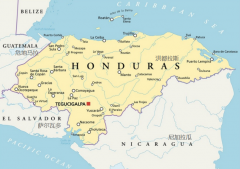
Professional coffee knowledge exchange For more coffee bean information, please follow Coffee Workshop (WeChat public account cafe_style) Honduras is a mountainous country in Central America, located between the Pacific Ocean and the Caribbean Sea, bordering Guatemala, El Salvador, and Nicaragua. It has a tropical climate with an average annual temperature of 23°C
2025-06-26 Honduras Litchi Coffee Barrel Coffee Bean Professional Knowledge Exchange -
Introduction to Honduras Lychee Lan Coffee Bean Wine Barrel Processing - Lychee Lan Coffee Brewing Parameters and Flavor Description
For more professional coffee knowledge and coffee bean information, please follow Coffee Workshop (WeChat public account: cafe_style). The origin of 90+ Lychee Blue ly-cell-o. Lychee and cello showcase soft lemon, enchanting muscat, memorable basil, and rose jasmine Geisha flower flavors. 2
2025-06-26 Honduras Lychee 90+ Coffee What Different Professional Knowledge -
Beta Estate Ethiopia Coffee Beans Ethiopian Kaffa Forest
For professional coffee knowledge exchange and more coffee bean information, please follow Coffee Workshop (WeChat public account: cafe_style). The coffee beans from Ethiopia's Beta Estate are selected and processed using the natural dry method. We are delighted to offer another coffee bean processed using the washed method this year. In 2015
2025-06-26 Beta Estate Ethiopia coffee beans Kaffa Forest -
Flavor Profile Introduction: Ethiopia Kaffa Forest Region Kuti Cooperative Washed G2
From Ethiopia's most primitive forest Kaffa Region in southwestern Ethiopia, the Kaffa Forest region maintains its traditional Ethiopian original forest appearance to this day, while preserving numerous native coffee varieties. Many cuppers who have tasted coffees from the Kaffa region agree
2025-06-26 Ethiopia Kaffa Forest Region Kuti Cooperative Washed Flavor Characteristics -
Characteristics of Ethiopia's Kaffa Forest Coffee Region and Flavor Profile of Washed Sidamo G1 Coffee Beans
For more professional coffee knowledge and coffee bean information, please follow Coffee Workshop (WeChat official account: cafe_style). What are the characteristics and flavor profile of Ethiopia's Kaffa Forest coffee region? How would you describe washed coffee beans from Ethiopia's Kaffa Forest? The coffee used is mostly sourced from nearby wild forests, which
2025-06-26 Ethiopia Kaffa Forest Coffee Region Characteristics Flavor Taste Washed -
Where is the homeland of Arabica? How does coffee from Ethiopia's Kaffa Forest taste? How to brew heirloom varieties?
We often hear that Ethiopia is the homeland of Arabica coffee. To be more precise, Ethiopia's Kaffa Zone is where coffee was first discovered. To this day, countless wild Arabica coffee mother trees still grow in the misty forests here.
2025-06-26 Arabica coffee Ethiopia Kaffa Forest coffee origin heirloom varieties coffee brewing -
Where is the birthplace of Ethiopian coffee? What are the characteristics of Kaffa Forest coffee?
In Ethiopia, coffee cultivation can be divided into three main methods: garden cultivation, estate cultivation, and forest cultivation. Garden cultivation involves coffee farmers planting coffee trees in their own backyards or intercropping them with other agricultural crops in farmland, with the final harvest being sent to nearby processing stations or cooperatives for processing and export. These cultivation methods in
2025-06-26 Ethiopian coffee Kaffa Forest coffee origins coffee cultivation -
Sidamo Shantawene G1 Pour-Over Parameters Recommendation_Is Sidamo Red Cherry Project Coffee Delicious
For professional coffee knowledge and more coffee bean information, please follow Coffee Workshop (WeChat official account: cafe_style) Ethiopia Sidamo coffee Shantawene processing station Red Cherry Project fine washed processing Origin: Sidamo Zone SNPP Processing Plant: Shantawenne W
2025-06-26 Sidamo peach Shantawene pour-over parameters recommendation cherry project coffee -
How is the Ethiopia Santa Vini Processing Station Red Cherry Coffee? Ethiopia Santa Vini
Professional coffee knowledge exchange for more coffee bean information please follow Coffee Workshop (WeChat official account cafe_style) FrontStreet Coffee Ethiopia Santa Vini Processing Station Red Cherry Washed introduction origin. SIDAMO ZONE, SNNP, ETHIOPIA processing plant. Santa Vini Processing Station
2025-06-26 Ethiopia Santa Vini processing station red cherry coffee how is it professional -
Ethiopia Sidamo - Full Red Cherry Natural - Santawani Coffee Beans
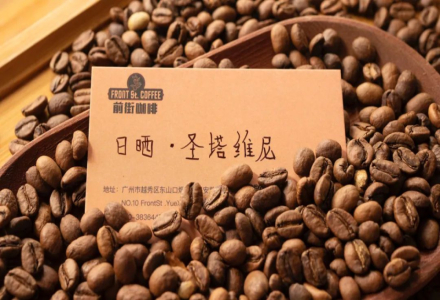
FrontStreet Coffee: Ethiopia Sidamo Santawani 74158 Coffee Beans. Origin: Ethiopia. Grade: G1. Region: Sidamo. Processing Station: DWD Santawani Station. Altitude: 2050 meters. Process: Full Red Cherry Natural. Variety: 74158. Flavor Notes: Pineapple, Mango, Blueberry, Sweet Orange. DWD
2025-06-26 Ethiopia Sidamo Santawani 74158 Natural Process Red Cherry Coffee G1 Coffee Beans Specialty Coffee -
Ethiopia Sidamo · Full Red Cherry 96-Hour Anaerobic Natural · Santa Venezi Coffee Beans
FrontStreet Coffee: Ethiopia Sidamo Santa Venezi 74158 Coffee Beans Origin: Ethiopia Grade: G1 Region: Sidamo Processing Station: DWD Santa Venezi Processing Station Altitude: 2050 meters Processing Method: Full Red Cherry 96-Hour Anaerobic Natural Variety: 74158 Flavor Notes: Citrus, Pineapple, Papaya
2025-06-26 Sidamo Anaerobic Natural Ethiopian Coffee Santa Venezi Red Cherry 74158 Variety -
The Development History of Anaerobic Coffee Processing Methods, Anaerobic Natural Processing, and Introduction to Santa Venia Coffee Beans
In recent years, the coffee market has continuously evolved with the emergence of numerous coffee processing methods, collectively known as specialty processing methods. These specialty processing techniques enable coffee beans to develop more varied and distinctive flavors with rich mouthfeel, gaining popularity among many coffee enthusiasts. Currently, newer processing methods include anaerobic washed/natural processing...
2025-06-26 coffee processing anaerobic processing anaerobic natural specialty coffee Santa Venia coffee coffee flavor profiles