The 4 Most Common Processing Methods: What's the Difference Between Natural, Washed, Semi-Washed, and Honey Processing?
There are four most common processing methods for coffee beans: natural, washed, semi-washed and honey. So what specific procedures does each method use, and what flavor characteristics do they give the beans? In this article, FrontStreet Coffee walks you through them.
Natural Process
Natural process, as the name suggests, means drying under the sun. It is the most cost-effective, simplest and most traditional way to process coffee beans, and it is most common in producing regions that lack water but have abundant sunlight, such as Ethiopia in Africa. For example, FrontStreet Coffee's Ethiopia Guji Coffee, FrontStreet Coffee Panama Emerald Red Geisha Coffee, FrontStreet Coffee Brazil Queen Estate Coffee and FrontStreet Coffee 2013 Typica Coffee are all produced using natural processing, presenting a full sweetness after brewing.
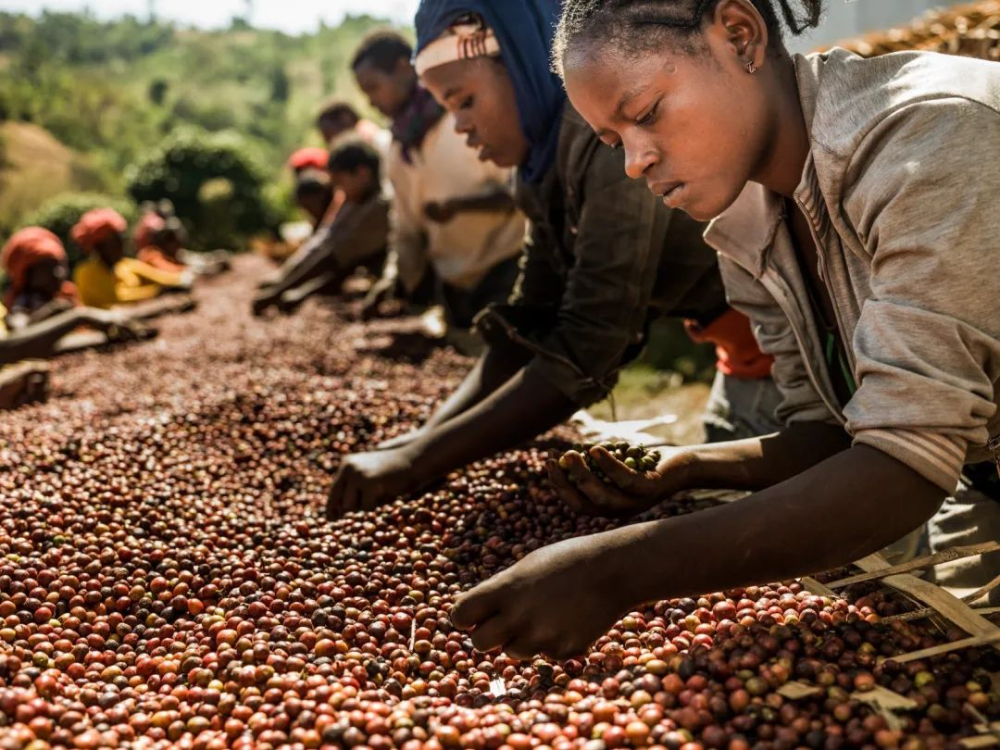
Naturally processed cherries are first sorted to remove unripe fruit and impurities such as stones, then spread in the sun so the sunlight evaporates moisture from the pulp surrounding the beans. Once the target moisture content is reached, machines can crush the shell and extract the coffee beans along with their parchment. Because natural processing needs no advanced technical skill, essentially every smallholder can do it. The whole drying process needs nothing but sunny daylight, so production costs are lower, which makes the method most common in high-altitude coffee regions.
Regions pursuing refined flavors first float the cherries to remove unripe fruit and gravel debris, then spread them evenly on raised drying beds to dry, keeping them off the ground to avoid crawling insects, dust and bacteria. During natural drying, dedicated workers check the drying degree of the cherries and pick out worm-damaged, cracked and moldy fruit so those bad cherries do not affect the rest of the coffee.
Because the inner beans of natural coffee stay wrapped in pulp throughout drying, the cherries ferment longer and the reaction between microorganisms and pulp is more intense. As the fruit ferments, microorganisms produce more volatile compounds, especially esters. These aromatic substances give roasted beans more floral and tropical-fruit fermentation aromas - furan compounds, for instance - so natural coffee has a wider flavor range and tastes sweeter.
Washed Process
Producers first use machines to remove the skin and pulp from the harvested cherries, then put the depulped beans into fermentation tanks to break down the mucilage layer. The fermented beans are washed repeatedly with clean water to rinse away the decomposed mucilage, and finally dried in the sun for one to two weeks. The dried beans can then be stored and shipped.

Because every step removes impurities and defective beans, the raw beans are more uniform in quality. Because regions using the washed process must build washing tanks and maintain a continuous supply of fresh water, the final price is also higher than that of naturally dried coffee. Washing not only greatly reduces the defect rate but also lends high-quality beans a clean, delicate taste. For example, FrontStreet Coffee Ethiopia Gedeb Cooperative Coffee, FrontStreet Coffee Kenya Asalia Coffee and FrontStreet Coffee Emerald Estate Green Geisha Coffee on FrontStreet Coffee's bean list are all washed, presenting bright, full acidity.
Semi-Washed Process
Semi-washed processing begins by picking leaves, stones and other off-flavors out of the harvested cherries, then pouring them into water tanks to remove unripe fruit by flotation. Machines remove the skin, the pulp and part of the mucilage layer, after which the beans are washed for one hour. Because soaking and fermentation are short, the mucilage is not easily washed away completely. The parchment beans, still carrying some mucilage, are spread on drying grounds. The semi-washed method saves both water and labor, and because it takes less time than traditional natural drying it is widely used in Brazil.
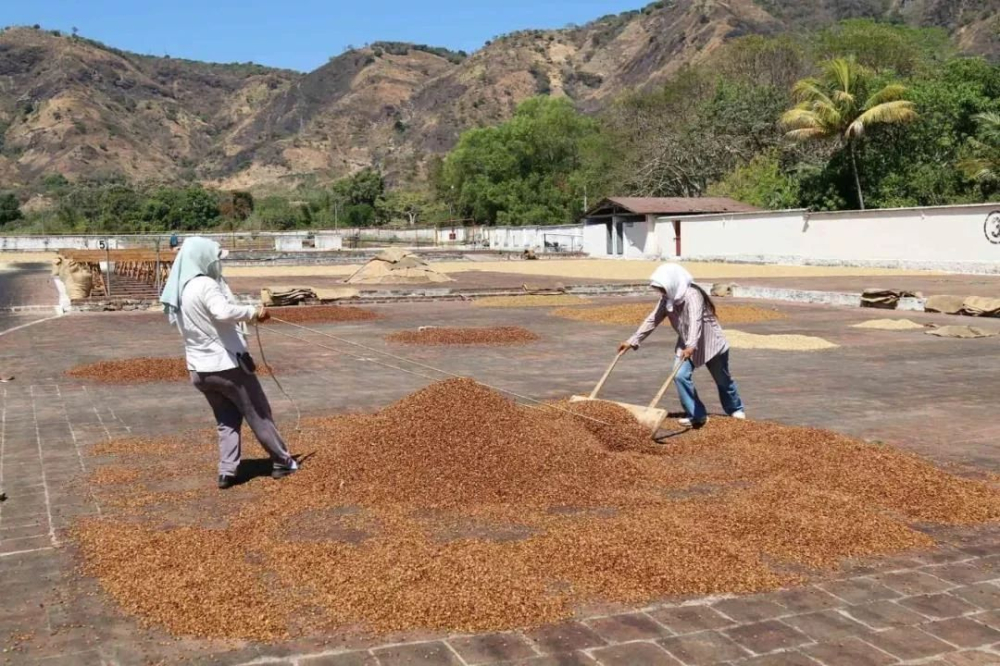
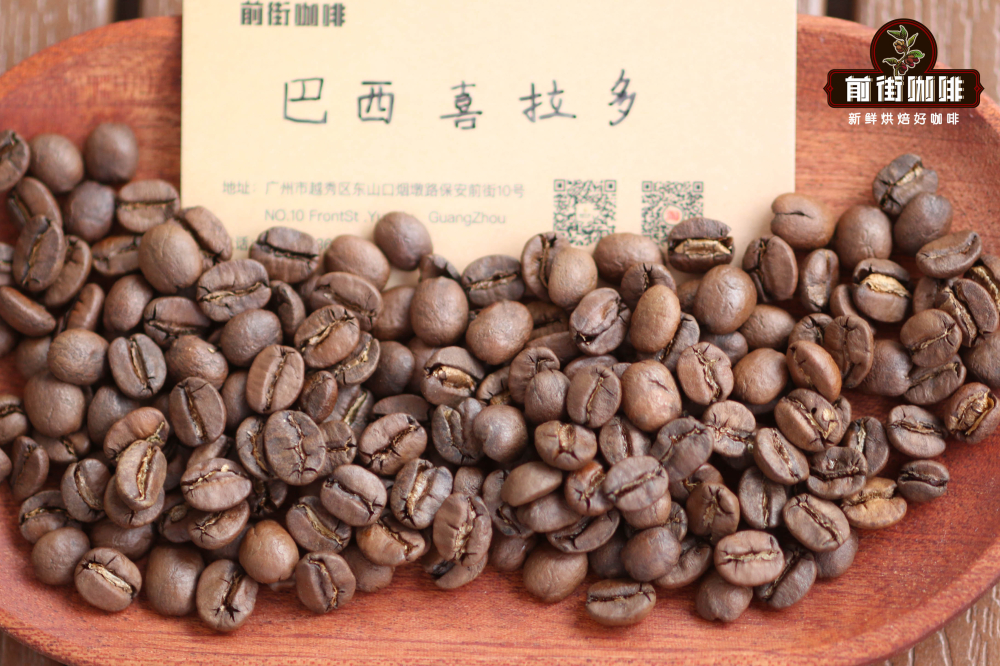
FrontStreet Coffee's Brazil Cerrado Daily Bean is processed this way, and multi-stage screening greatly improves its cleanliness. Another FrontStreet Coffee offering, FrontStreet Coffee Brazil Queen Estate Coffee, uses refined small-batch natural processing. Large-scale production can over-ferment when turning is delayed, producing unwanted fermented flavors; at Queen Estate the entire drying process takes place in small batches on African raised beds, avoiding earthy and fermented off-flavors and lifting sweetness a step above traditional semi-washed processing.
Honey Process
The honey process is a middle ground between natural and washed, which is why it is also called semi-washed, and it is more common in Central and South America.
Producers first pour fresh cherries into water tanks to remove unripe fruit and impurities by flotation, then use a pulper to remove the outermost layer of fruit. Unlike the washed process, once the skin is off, the cherries are not rinsed with large amounts of clean water to remove the mucilage - instead the mucilage is kept for drying. Because the mucilage contains sugars and is sticky, it easily reminds people of honey, hence the name.
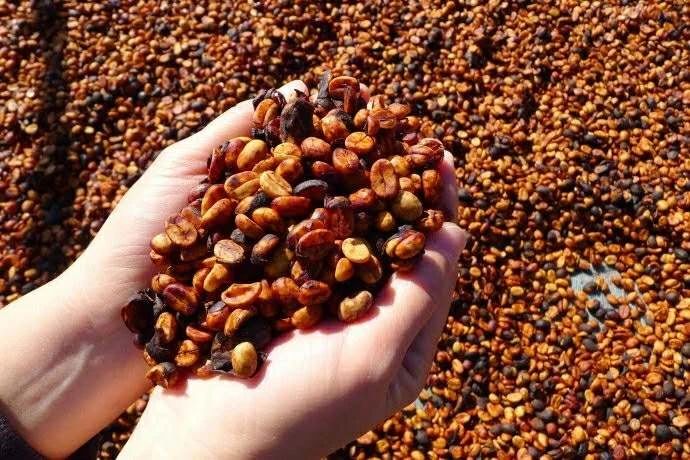
The later steps of honey processing ferment the coffee seeds while the viscous mucilage is still present. Depending on the sugar content and fermentation state of the cherries, producers give the coffee different names - white honey, yellow honey, red honey and black honey. Darker colors mean the seeds ferment longer in the mucilage and the mucilage oxidizes more deeply. Compared with washing, honey processing needs no large amounts of fresh water or related equipment, and it also reduces the defect-negative flavors that come from long sun exposure. Honey-processed coffee generally presents rich tropical-fruit flavors and fermented sweetness in the cup, with an overall refreshing taste and clean acidity.

There is also the raisin honey processing method, in which cherries are dried on raised beds for at least three days before the skin and pulp are removed, letting the fruit dehydrate and shrivel into a "raisin" state before the subsequent honey steps continue.
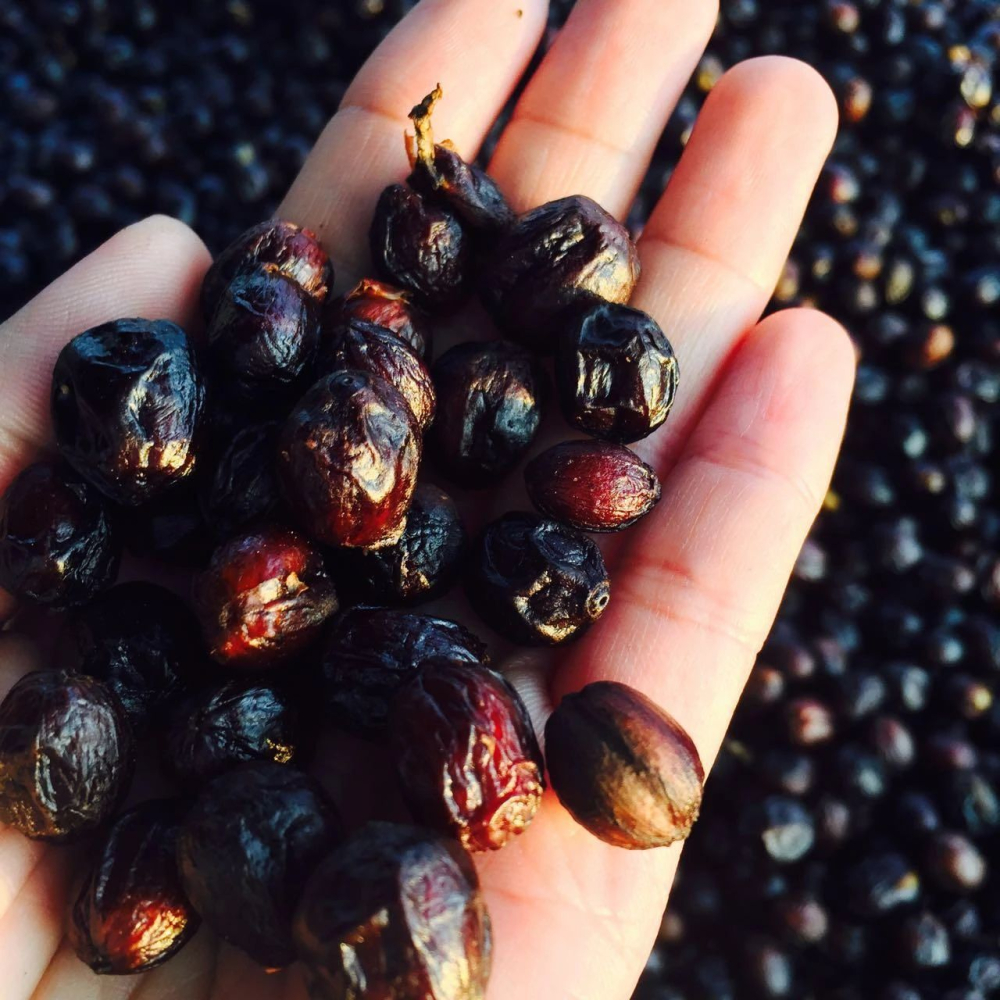
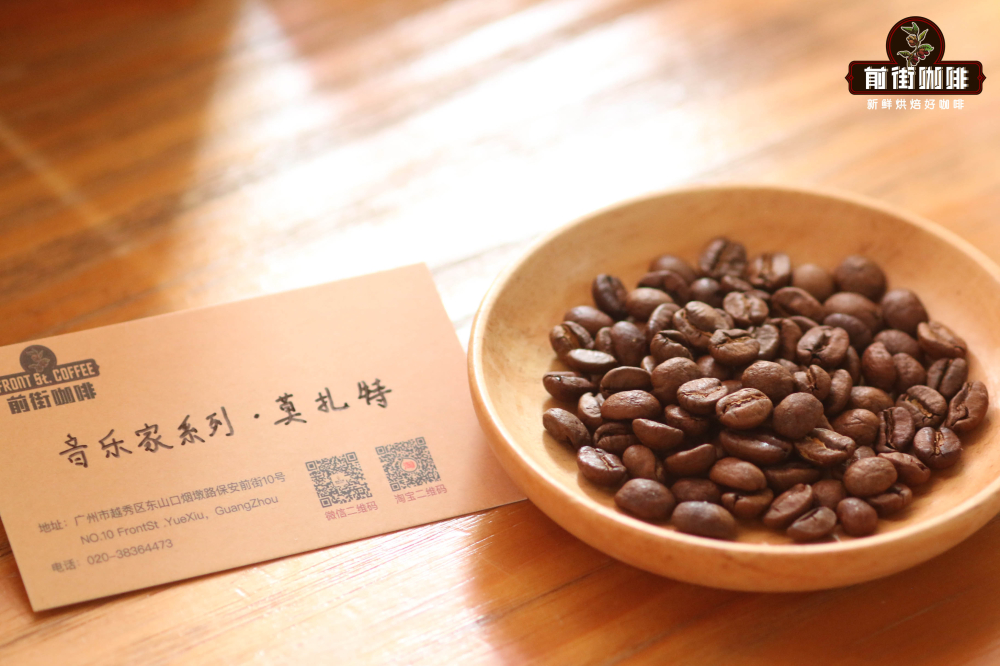
The hallmarks of raisin honey processing are "retaining 100% mucilage" and "zero water processing," which raises its difficulty. According to FrontStreet Coffee's analysis, it requires strict time control, making it more difficult than black honey processing. The initial drying step lets the aromatic flavors of the pulp penetrate the raw beans under the sun's heat, so coffee made this way has not only rich floral and fruity sweetness but also a clear sweet-and-sour profile. FrontStreet Coffee's Costa Rica Mozart Coffee Beans are processed using the raisin honey method.
For professional coffee knowledge exchange and more coffee bean information, please follow Coffee Workshop (WeChat official account: cafe_style).
FrontStreet Coffee Recommendation
If these processing methods have made you curious about Geisha, the FrontStreet Coffee Emerald Estate Red Label Geisha is the top of the line. Officially named "Esmeralda Special," this Red Label lot is grown at 1,600-1,800 meters, cuppings at 90 points or above, and each lot carries its own number and comes from a single small plot - ours, for instance, hails from the Jaramillo parcel. Red Label lets buyers pick the exact lot that matches their flavor preference.
The FrontStreet Coffee Emerald Estate Green Label Geisha, originally "Private Collection" and named for its green label, blends several plots rather than emphasizing one. It still expresses the estate's signature high-altitude Geisha character and costs less, making it excellent value. For a first taste, FrontStreet Coffee usually points newcomers to the entry-level FrontStreet Coffee Boquete Geisha, which delivers classic Panamanian "orange-blossom and honeyed" Geisha flavor, an oolong-tea sensation and fine fruit sweetness at an accessible price.
And if you want the Geisha experience without the Geisha price, the FrontStreet Coffee Strawberry Candy blends a Costa Rican honey-processed coffee with a Panamanian Geisha. It is easy to brew - pour-over, moka pot, espresso machine or a refreshing cold brew all work. For cold brew, use 30 g of beans ground to fine-sugar size (EK43s setting 9, or C40 setting 24 by hand), add 360 g of room-temperature water at a 1:12 ratio, stir, cover and refrigerate. After 8 hours, filter out the grounds and let the liquid rest sealed in the fridge for another 3 hours; the cup then shows grape juice, rose, sweet orange and fruit-wine notes.
Important Notice :
FrontStreet Coffee is a long-established specialty coffee roaster in Guangzhou China, selling freshly roasted beans from its own farm in Yunnan as well as dozens of carefully selected single-origin beans from around the world for both pour-over and espresso. The products deliver consistently excellent quality and great value, with shipping within 24 hours. Guangzhou's FrontStreet Coffee shop is recommended by many coffee lovers, and the beans are now available online at the Tmall 。
FrontStreet Coffee has moved to a new address:
FrontStreet Coffee Address: 315,Donghua East Road,GuangZhou
Tel:020 38364473
 Scan and follow the En Gafei WeChat official account. Please indicate that the reprint comes from "En Gafei".