
The Development History of Anaerobic Coffee Processing Methods, Anaerobic Natural Processing, and Introduction to Santa Venia Coffee Beans
The Rise of Special Processing Methods in Coffee
In recent years the coffee market has kept evolving, and many new processing methods have emerged. These are collectively known as special or experimental processing methods: they can create more varied and distinctive flavors in the beans while delivering rich textures, which has won them a following among enthusiasts. The relatively new methods currently making the rounds include anaerobic washed and anaerobic natural, enzyme washing, lactic acid fermentation, and barrel aging.
The Anaerobic Processing Revolution
Of these, anaerobic processing has become comparatively common. In 2015, Australian competitor Sasa Sestic — that year's World Barista Championship (WBC) winner — kicked off the anaerobic fermentation trend and sent ripples through the coffee world. Because of the fermented character it imparts, the method has sparked plenty of discussion ever since.

Understanding Fermentation in Coffee Processing
Fermentation, to varying degrees, is part of any green coffee processing, and it shapes the flavor direction of the beans. It comes in two broad types: aerobic and anaerobic. In aerobic processes there are many environmental variables and they are hard to monitor or control; anaerobic processes, by contrast, are more uniform and controllable. Many traditional processing methods have relied primarily on aerobic fermentation.
The Wine Connection: Carbonic Maceration
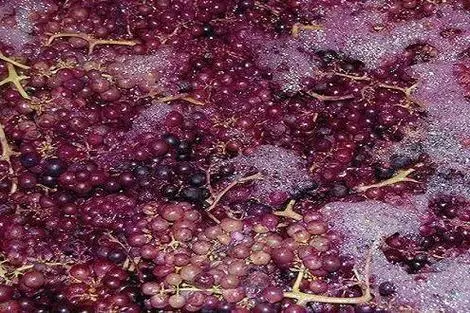
Anaerobic fermentation is also known as carbon dioxide maceration, and because it borrows from red winemaking, it is sometimes called the "wine process." In red wine production, grapes are placed in a carbon dioxide environment and enter an anaerobic state. With no yeast involved, the enzymes within the grapes metabolize some of the sugars and convert them to alcohol, yielding a wine with gentle aromas and rich texture.
Anaerobic Processing in Coffee
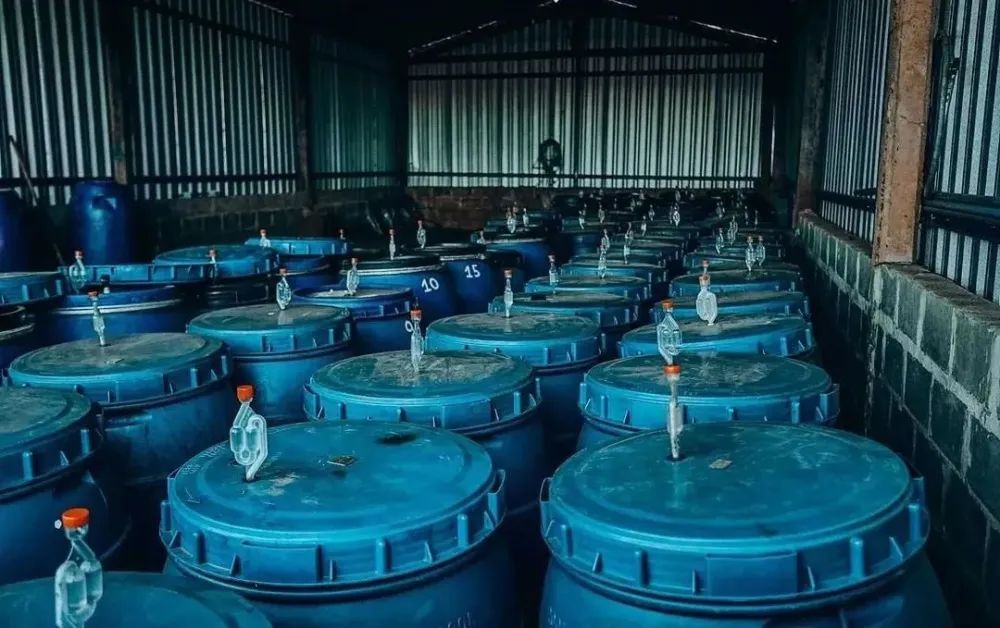
Likewise, in green coffee processing, freshly harvested cherries are loaded into sealed tanks, carbon dioxide is injected, and the oxygen is purged to create an anaerobic fermentation environment. This slows the breakdown of sugars in the cherry's mucilage and the decline in pH. In an anaerobic tank, pH, humidity, temperature, gas composition, and the types and quantities of microorganisms driving the fermentation can all be precisely and effectively controlled — allowing the beans to reach higher sweetness and distinctive flavors.
Variations of Anaerobic Processing
The anaerobic-style fermentations now emerging are all refinements of this base method. In anaerobic natural processing, freshly harvested cherries go straight into sealed tanks to ferment, with the temperature held at 10-15 degrees Celsius. After three days of anaerobic fermentation the cherries are dried as a natural process would be, and finally the pulp and other layers are removed to extract the beans.
In anaerobic washed processing, freshly harvested cherries first undergo 12 hours of dry fermentation, then machines remove the pulp before the beans go into sealed tanks for 24-48 hours of anaerobic fermentation. Once fermentation is complete, the beans are dried.
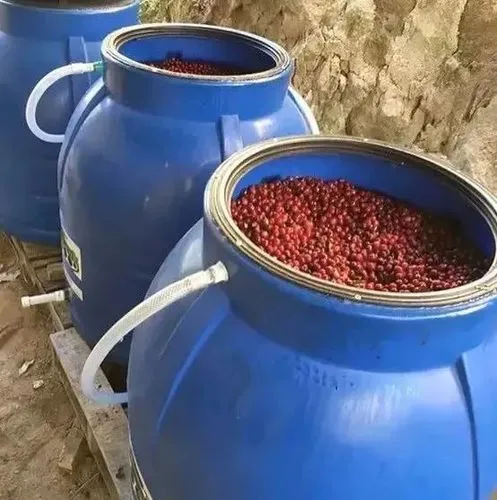
Double anaerobic washed fermentation, as the name suggests, involves two anaerobic passes. After harvest, the cherries are placed in sealed tanks for a first anaerobic fermentation. Following fermentation, skin and pulp are removed in the washed manner while the mucilage is kept, and the beans return to the sealed tanks for a second anaerobic fermentation. Finally they are dried until the moisture content reaches 11%, completing the process.
FrontStreet Coffee's Anaerobic Offerings
FrontStreet Coffee also works with anaerobically fermented beans. One entry on its bean list is the FrontStreet Frontera Estate Sidra from Colombia, a double anaerobic natural. Brewed on a V60 at a 1:15 ratio, it reveals grape, passion fruit, and citrus with a slight fermented note and a rounded texture. There is also FrontStreet Coffee's Ethiopia Santa Ana Wet Mill, which uses 96-hour anaerobic natural processing: it offers a fermented wine aroma with tropical fruit flavors such as pineapple and citrus, soft fruit acidity, and a rich, full body.
FrontStreet Coffee Recommendation
Washed processing is the traditional way of using water to transform coffee cherries: the steps typically include flotation, pulping, soaking and fermenting to remove the mucilage, washing or further soaking, drying, and hulling. The long soak drives chemical changes inside the bean and consumes a large share of the simple sugars (fructose and glucose), lowering sugar content while raising various organic acids. Washed coffees therefore retain more of the bean's own character while showing bright fruit acidity and a clean, fresh cup.
FrontStreet Coffee Ethiopia Yirgacheffe Worka Cooperative: Many people know Yirgacheffe, but fewer know that because local farmers' harvests are small, cherries are pooled and processed by cooperatives. FrontStreet Coffee's Worka Cooperative lot comes from an outstanding processing team in the village of Worka with polished, experienced technique; it was discovered and made famous precisely because its coffee is exceptionally refined and clean. The washed process lets it show jasmine florals and bright citrus acidity to the fullest, and a medium-light roast adds notes of green tea and honey. It suits pour-over, cold brew, and espresso alike.
FrontStreet Coffee Kenya Cherry Tomato: When it comes to washed processing, FrontStreet Coffee's Kenya Cherry Tomato is one of the best-known representatives, because Kenya excels at double-washing its green coffee. The extra wash — flotation, soaking, washing off residual mucilage, soaking again, drying, hulling, storage — expresses the coffee's juiciness to the extreme: cherry tomato, dried dark plum, snow pear, black plum, and golden sugar in a sweet-tart, juicy cup that many coffee enthusiasts adore.
FrontStreet Coffee Jamaica Blue Mountain No. 1: Jamaica, once among the world's most famous coffee origins, suffered from insufficient sunshine — its island climate brings shorter hours of sun than most regions. To reduce the chance of beans spoiling, the washed method was born there. Its key difference from natural processing is that skin, pulp, and mucilage are all removed before drying, cutting the moisture wrapped around the bean and shortening drying time; the result is beans of luminous color and low defect rates. Washed processing keeps Blue Mountain coffee's aroma rich and concentrated: hazelnut, cream, chocolate, and caramel in a pure, balanced cup where no single flavor dominates or falls short.
Important Notice :
FrontStreet Coffee is a long-established specialty coffee roaster in Guangzhou China, selling freshly roasted beans from its own farm in Yunnan as well as dozens of carefully selected single-origin beans from around the world for both pour-over and espresso. The products deliver consistently excellent quality and great value, with shipping within 24 hours. Guangzhou's FrontStreet Coffee shop is recommended by many coffee lovers, and the beans are now available online at the Tmall 。
FrontStreet Coffee has moved to a new address:
FrontStreet Coffee Address: 315,Donghua East Road,GuangZhou
Tel:020 38364473
 Scan and follow the En Gafei WeChat official account. Please indicate that the reprint comes from "En Gafei".

