
Can Metal Filters Replace Paper Filters for Pour-Over Coffee Brewing?
Introducing Metal Mesh Filters: A Different Approach to Coffee Brewing
In yesterday's article, FrontStreet Coffee looked at the material used for filter paper. That got me thinking: among all the tools we use to filter coffee, paper and cloth are the soft options, but there is another kind that behaves quite differently, the metal mesh filter.
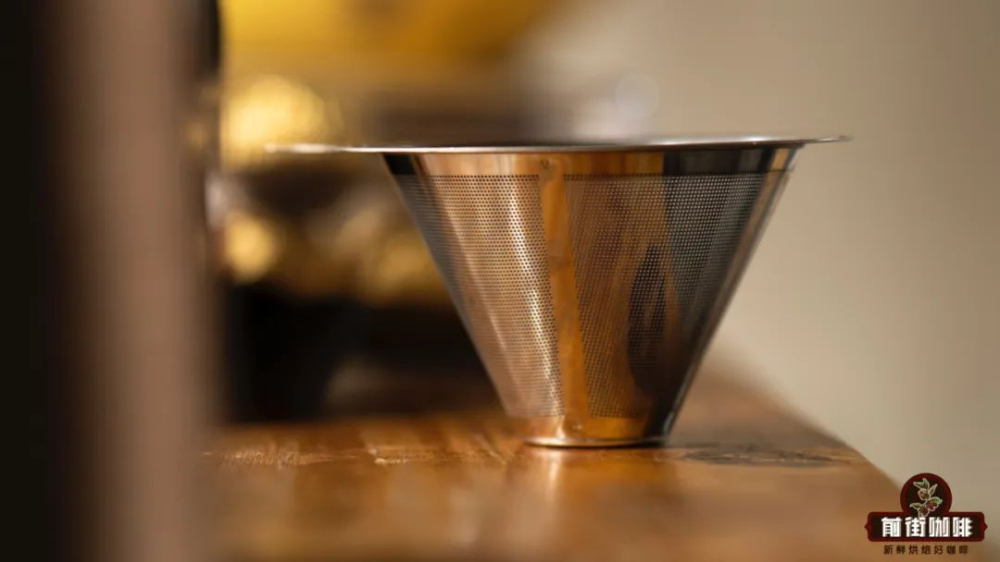
Coffee brewed through virgin wood-pulp filter paper tastes very clean, while coffee brewed through a flannel filter comes across as heavier and richer. So what kind of character would a metal mesh filter give a cup? FrontStreet Coffee dug out a metal mesh filter that had originally served as a tea strainer, bought last year from a high-volume shop on Taobao. In shape it is conical, with a flat-bottom filter cup design.
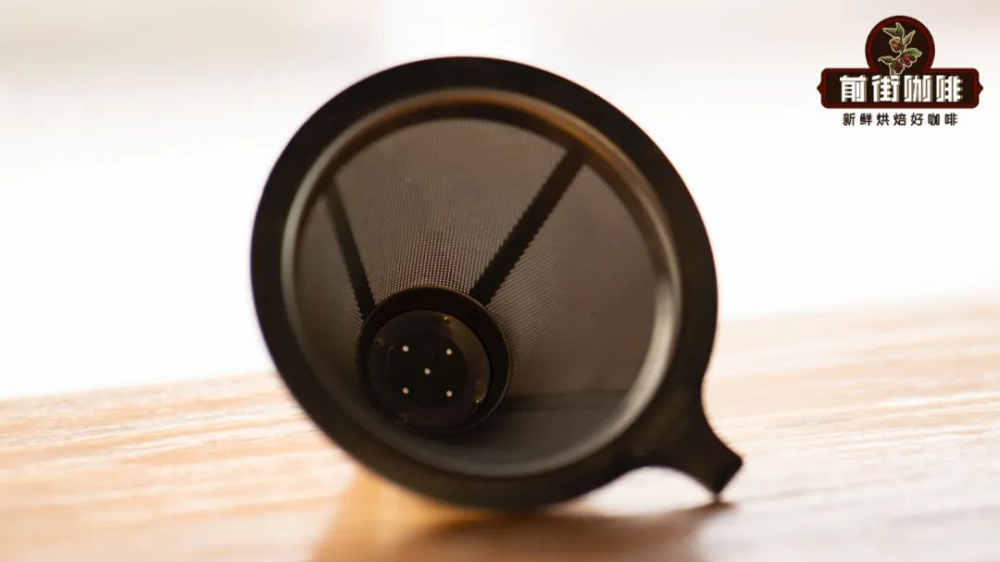
Its structure is simple, just two layers of mesh. The inner layer is a 400-mesh metal screen, while the outer layer mainly holds the filter's shape. Next, FrontStreet Coffee compared it against filter paper to see what difference it makes in the cup.
Brewing Experiment Setup
For this experiment, FrontStreet Coffee used:
- Bean: FrontStreet Coffee's Ethiopia Santa Weni
- Dose: 15g
- Grind setting: 9.5 on Ek43
- Ratio: 1:15
- Water temperature: 92°C
- Pouring method: Three-stage pour
Before brewing, FrontStreet Coffee first tipped the grounds into the filter and shook it to check whether any coffee particles would fall through the visible 400-mesh holes. With a cup placed underneath and the lid on, FrontStreet Coffee demonstrated a lifetime skill: shaking.
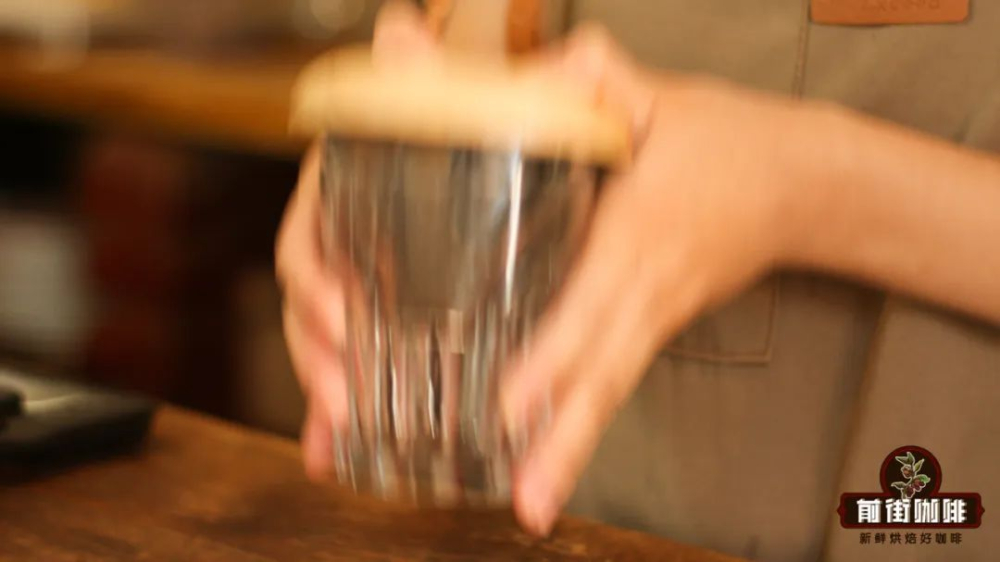
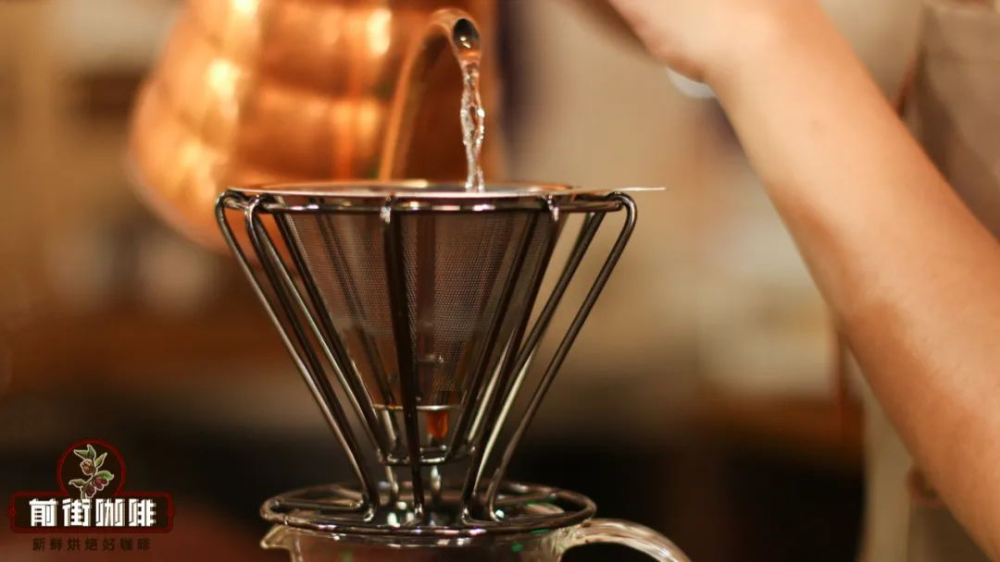
(With technique that polished, it is hard not to be a little suspicious.) After removing the filter, there were no coffee particles at the bottom of the cup, which proves that 400 mesh is fine enough to handle a regular grind. By then the water had reached its target temperature, so the brewing began. FrontStreet Coffee used the usual method to test the filter, still starting with twice the coffee's weight in water (30ml) for the bloom. After the bloom, the second stage of 120ml of hot water was poured slowly in large circles. As the water level was about to bottom out, the remaining 75ml of hot water went in slowly in small circles. Once the water had finished dripping through, the filter cup was removed and the brew was finished.
First Brew Results and Analysis
Total brewing time with the metal filter was 2 minutes 9 seconds, not far off the 2 minutes 5 seconds with filter paper. As for flavor, FrontStreet Coffee's Santa Weni brewed with paper showed full tropical fruit, with the bright, lifting acidity of pineapple and citrus, a faint fermented wine note in the aftertaste, and sweet-and-sour mango and starfruit notes as it cooled down. Delicious.
The Santa Weni brewed with the metal filter, on the other hand, was visibly less clean, and you could see it in the liquid. That is exactly how it tasted, too.
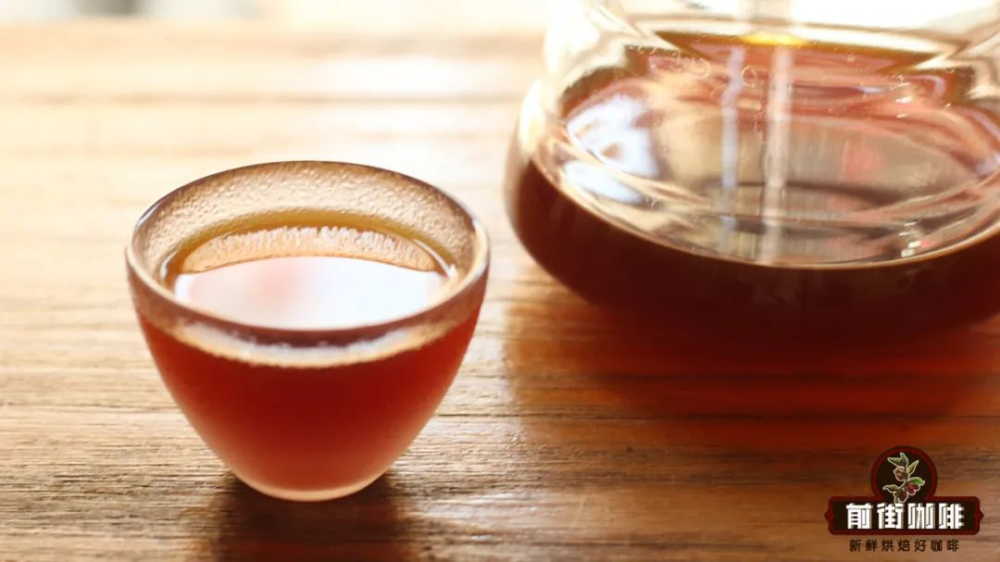
Second, a thin film of oil floated on the surface, which tells us that, like flannel, the larger gaps let oils pass through and join the coffee liquid. FrontStreet Coffee did not feel those oils contributed much to mouthfeel, though, because on the whole this cup was a bit of a letdown. Apart from some citrus acidity, it was dominated by the negative flavors of under-extraction.
The cause was clear right there during the brew. Because of the large circular pours and the strong impact of the water, a lot of hot water never extracted anything at all. It ran straight through the filter cup and dripped into the pot below, causing severe under-extraction.
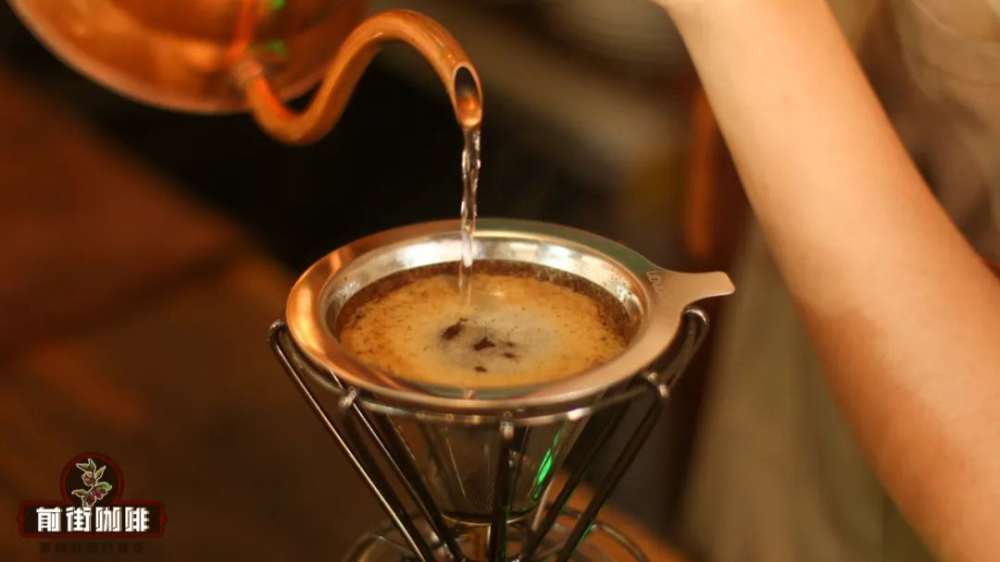
Adjusting Brewing Technique for Metal Filters
So the conventional method clearly does not work well with a metal filter. The fix is to cut down how much hot water passes straight through the filter cup. FrontStreet Coffee therefore switched from large circles to small circles around the center, and lowered the pouring height to soften the water's impact. During this brew, far less hot water ran straight through the mesh, and the total time came to 2 minutes 10 seconds.
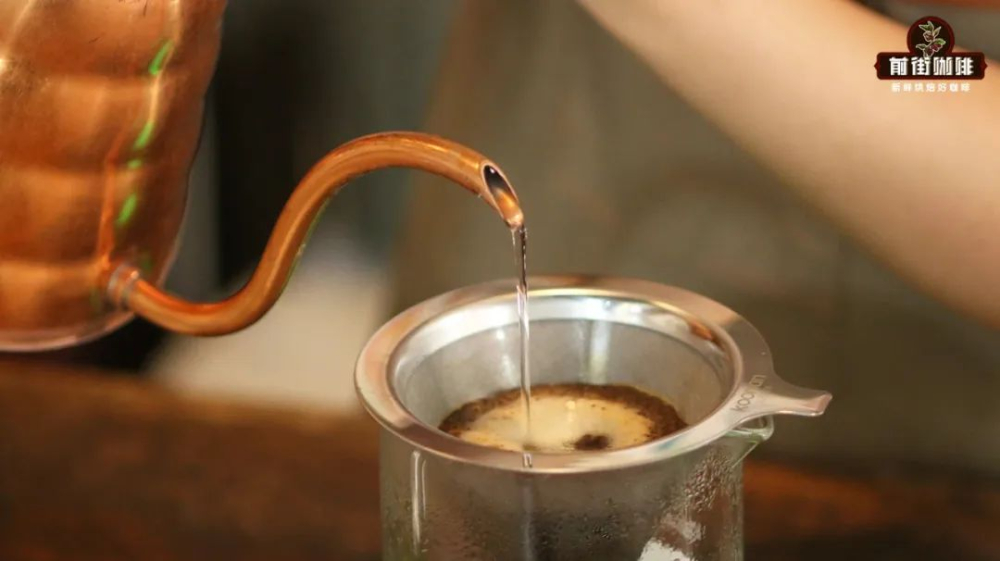
As expected, the overall flavor of FrontStreet Coffee's Santa Weni improved a great deal: full and smooth mouthfeel, with the pineapple and citrus well expressed. There was still a little bitterness late in the cup, but far less than in the previous pot. So when using a metal filter, it is not enough just to change the pouring pattern. You also need some skill in controlling the water to get a properly flavored cup. As for its truly distinctive character, FrontStreet Coffee will need more observation.
- END -

FrontStreet Coffee Recommendation
Ethiopia is the birthplace of coffee, and it is home to countless native varieties. That is exactly why so many drinkers find themselves drawn back to its flavors again and again. The easiest way in is FrontStreet's washed Yirgacheffe: clear jasmine florals and a bright citrus acidity, the cup that most people mean when they talk about Yirgacheffe. The town itself sits in southern Ethiopia, mild all year round and often wreathed in mist, and the cool, damp conditions let thousands of coffee trees thrive. The result is light and elegant, flowers and fruit acidity woven together with a tea-like clarity, like a clean glass of lemon tea.
If you would rather taste how much fruit a natural process can add, try FrontStreet's Ethiopia Huakui, a natural-processed lot from the Hambella area of Guji, Sidama. The farm covers 200 hectares and dries the cherries on raised beds for 21 days, turning the fruit regularly so it dries evenly and picking out moldy or defective beans every three to five days. Because the fruit and skin stay on through the whole drying period, a light-to-medium roast gives the cup a gentle fermented wine note, florals, citrus and mango, with honey sweetness, a cocoa edge and a hint of spice, plus a thick body and a long finish.
Important Notice :
FrontStreet Coffee is a long-established specialty coffee roaster in Guangzhou China, selling freshly roasted beans from its own farm in Yunnan as well as dozens of carefully selected single-origin beans from around the world for both pour-over and espresso. The products deliver consistently excellent quality and great value, with shipping within 24 hours. Guangzhou's FrontStreet Coffee shop is recommended by many coffee lovers, and the beans are now available online at the Tmall 。
FrontStreet Coffee has moved to a new address:
FrontStreet Coffee Address: 315,Donghua East Road,GuangZhou
Tel:020 38364473
 Scan and follow the En Gafei WeChat official account. Please indicate that the reprint comes from "En Gafei".

