
What Does a "Shot" Mean in Espresso Coffee?
What Is a "Shot" in Coffee?
If you spend much time in cafes, you have probably overheard an order that does not sound like anything on the menu: "I'll have a shot" or "Add a shot, please." It makes you wonder, naturally, what exactly this "shot" is. Since it is not listed among the drinks, could it be some newer specialty beverage, along the lines of a Flat White or a Dirty?
So What Exactly Is a "Shot"?
The word "shot" is not the exclusive property of coffee shops. It is common behind the bar as well, where a shot normally means a small glass of spirits.
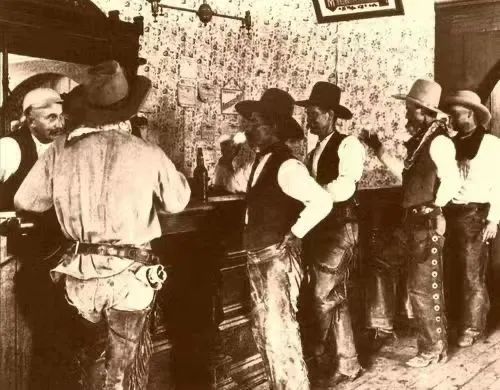
That drinking term caught on around the middle of the 20th century. When you order a shot, the bartender sets down a one-ounce glass, a shot glass, filled with spirits, and the customer knocks it back quickly before leaving. The point is to enjoy the stimulant effect of the alcohol faster and more affordably.
As an aside, a bar's shot glass refers to a one-ounce capacity, but British and American ounces differ slightly. One British ounce equals 28.41ml, while one American ounce equals 29.57ml. Because the international system uses milliliters for capacity, 30ml is used to stand in for one ounce. In practice, then, one ounce is roughly 30ml.
In coffee, "shot" actually means espresso, and one shot equals one serving of espresso. That makes sense, since espresso carries a comparable sort of "effect" to spirits. Fittingly, Italian espresso was originally positioned as a quick, affordable way to take in caffeine, an almost perfect parallel.
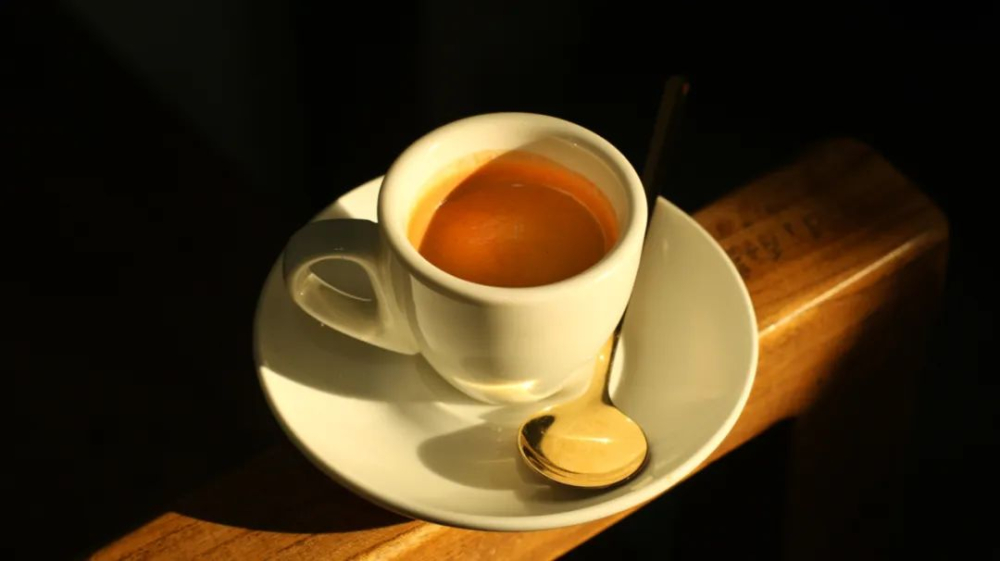
From this we can see that "shot" works not only as a noun but also as a unit of liquid measurement. In coffee, though, a shot is not only about volume and vocabulary.
How Much Espresso Is in One Shot?
For a long stretch of the past, a coffee shot also referred to the standard extraction formula of its day, such as pulling 30ml of espresso from 7g of grounds. Besides "one shot," there is another term, "double shot," meaning double espresso. If a customer ordered a double shot, the shop would swap the portafilter, replacing the single basket with a double one, then extract 60ml of espresso from 14g of grounds.
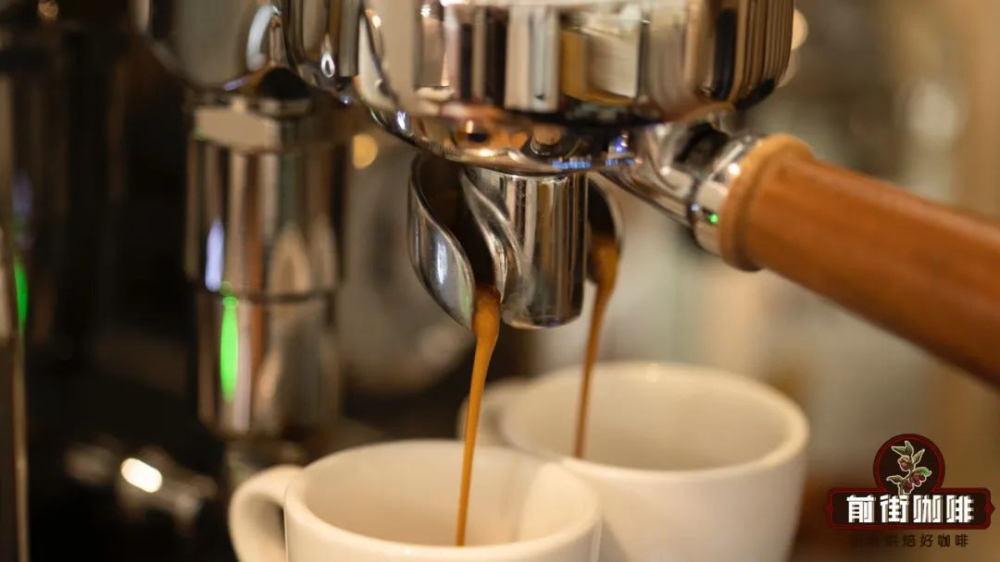
As FrontStreet Coffee noted in an earlier article, modern cafes generally take the double portafilter as their standard for espresso, and hardly any shops still use a single basket. On top of that, the coffee-to-liquid ratio has fallen markedly. Where 14g once yielded 60ml of espresso, today 19-20g of grounds is commonly used to extract about 40ml, which is tied to the pressure used.
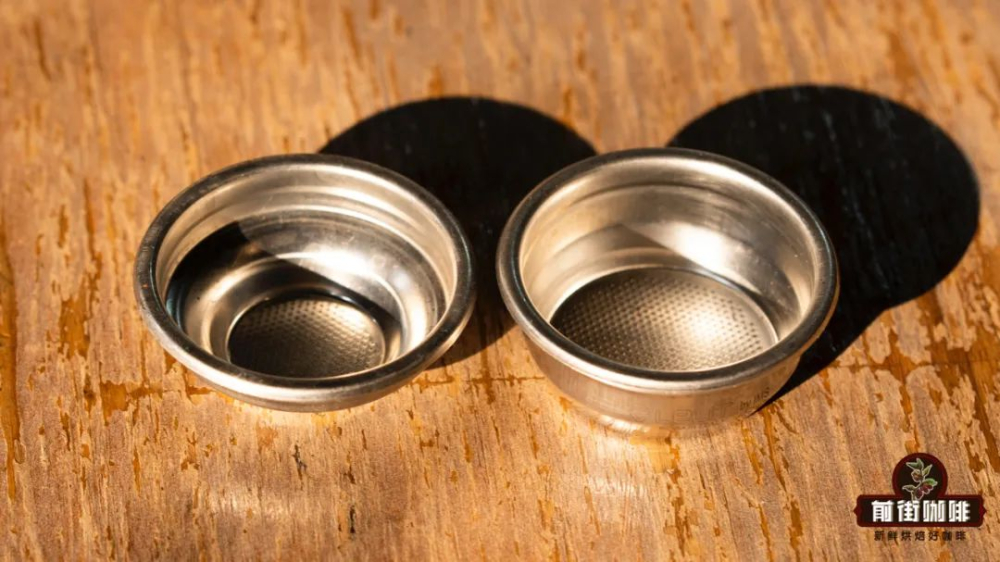
This leaves a slightly awkward situation. If we count shots by the portafilter, the basket now used for service is a double, so every serving would technically be a double shot. If a customer orders a single shot, then under reasonable extraction conditions it would come to roughly 20ml, making an already small amount of espresso look almost pitifully small.
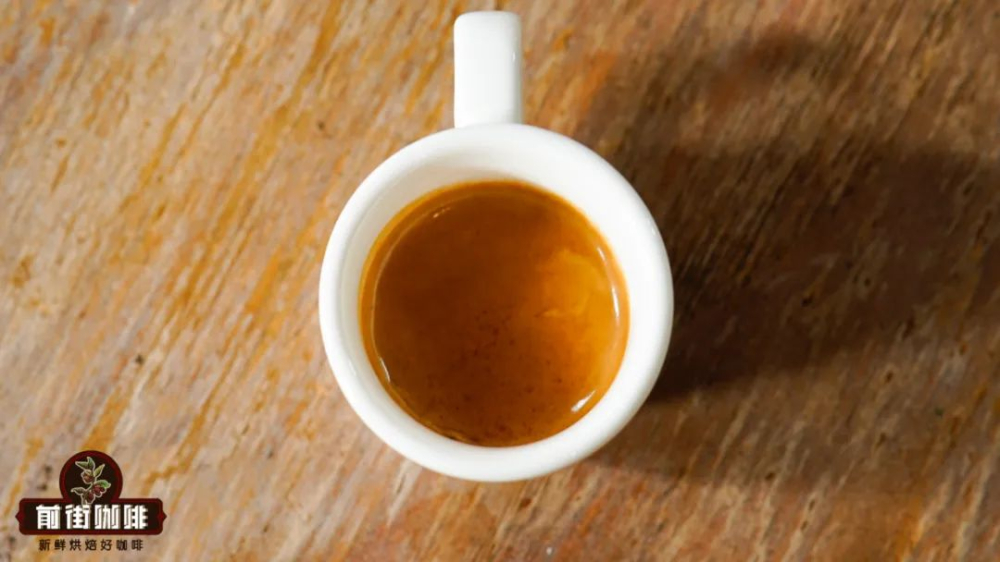
And if we measure by liquid volume, 30ml for a single shot and 60ml for a double, then a customer ordering a single shot would force the shop to discard part of the espresso before serving. A customer ordering a double would force the shop to extract twice and then pour most of it away. Either way, it is enormously troublesome.
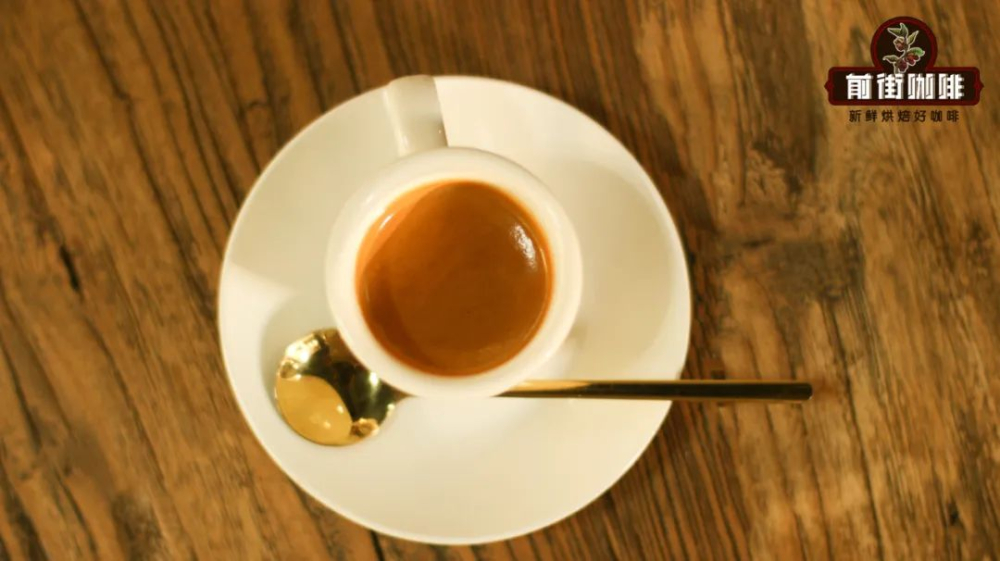
So everyone settled on a consensus. The old measurement methods no longer apply to current extraction practice. When a customer orders a shot, they are simply served a complete espresso extracted with a double portafilter. If they order a double shot, two separate espressos are extracted and given to them.
- END -
FrontStreet Coffee
No. 10, Bao'an Qianjie, Yandun Road, Dongshankou, Yuexiu District, Guangzhou, Guangdong Province
FrontStreet Coffee Recommendation
Once the shot is settled, the bean behind it decides how the drink tastes. For milk coffees built on a ristretto-style base, a blend with real presence makes all the difference. FrontStreet Classic Blend is a longtime favorite for exactly this: a traditional Mamba-style recipe of Mandheling and Brazil with a touch of Robusta, giving a low-acid, full-bodied shot with a rich, fine crema and the butter, toast, and caramel notes that shine through milk.
If you prefer something brighter, FrontStreet Strawberry Sugar espresso blend keeps bitterness very low and brings a full grape and blueberry character at extraction, so the same shot pairs beautifully with fresh chilled milk. Pulled as a ristretto, roughly 20g of grounds to 32g of liquid in 22-25 seconds, and topped with about 160ml of chilled fresh milk, it lands somewhere between a strawberry milkshake and a creamy flat white, with the milk frothed lightly to around 0.3cm and finished at 50-55°C.
Whichever you choose, the rule is the same: a well-pulled shot is the foundation, and the milk only gets to amplify what is already there.
Important Notice :
FrontStreet Coffee is a long-established specialty coffee roaster in Guangzhou China, selling freshly roasted beans from its own farm in Yunnan as well as dozens of carefully selected single-origin beans from around the world for both pour-over and espresso. The products deliver consistently excellent quality and great value, with shipping within 24 hours. Guangzhou's FrontStreet Coffee shop is recommended by many coffee lovers, and the beans are now available online at the Tmall 。
FrontStreet Coffee has moved to a new address:
FrontStreet Coffee Address: 315,Donghua East Road,GuangZhou
Tel:020 38364473
 Scan and follow the En Gafei WeChat official account. Please indicate that the reprint comes from "En Gafei".

