
How to Choose Filter Paper for Pour-Over Coffee?

Drippers with their myriad shapes and designs are constantly compared against one another. That comparison tends to obscure one crucial element: the filter paper — the true workhorse of filtration.
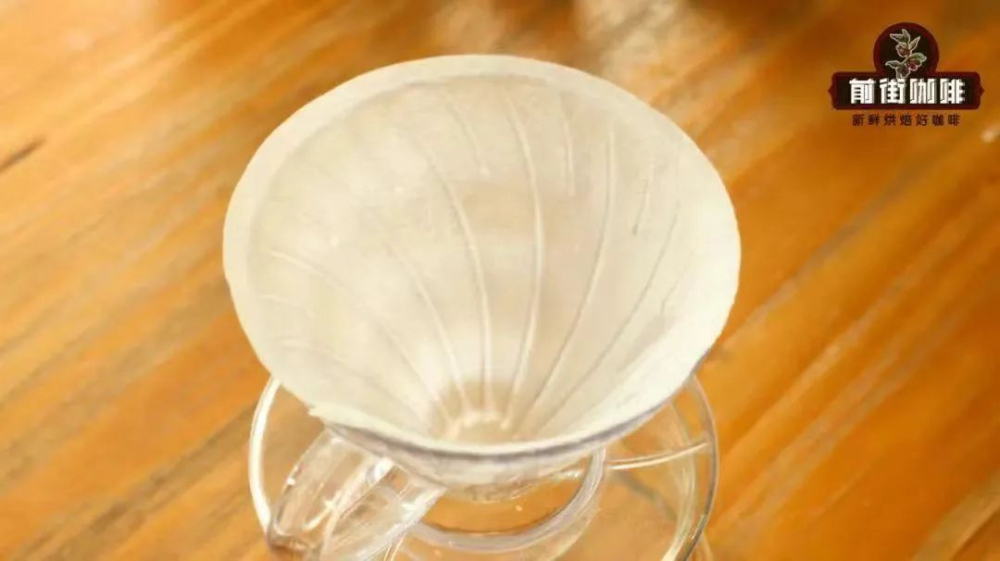
Filter paper is a small part of your pour-over budget, yet the right sheet has an outsized effect on flavor. The buzzwords you hear all the time — "fit" and "paper taste" — are both closely tied to it. Today FrontStreet Coffee shares how to choose the right filter paper.
Filter Paper Shapes and Styles
The market currently splits into three main styles: conical, fan-shaped (wave/wavy), and flat-bottom (wave) filter papers.
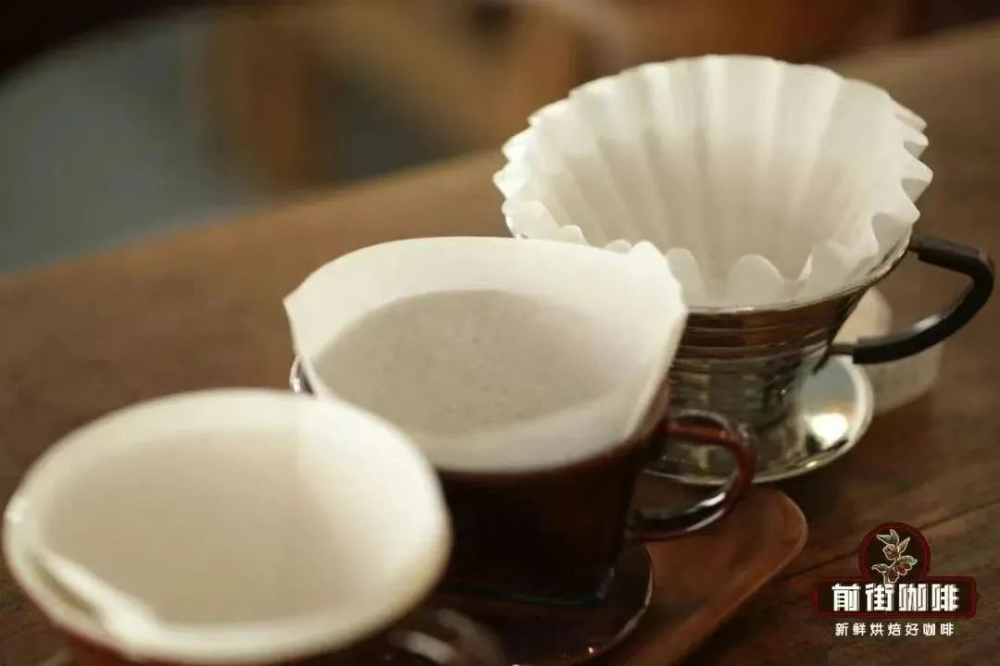
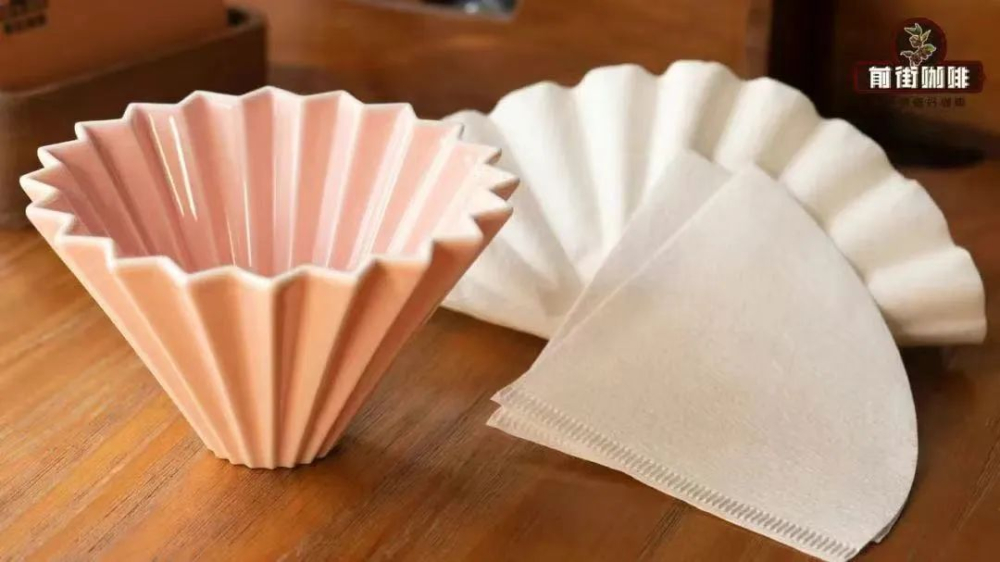
Match the paper to your dripper. Conical drippers like the V60 and Kono take conical papers; fan-shaped drippers such as Melitta and Kalita take fan-shaped papers; flat-bottom drippers take flat-bottom papers. Special designs like the Origami can accommodate both conical and flat-bottom papers.
Filter Paper Sizes
When buying drippers and papers you will see numbers like 01 and 02 — these correspond to equipment size. 01 is the small size for 1–2 servings; 02 is the large size for 3–4 servings.
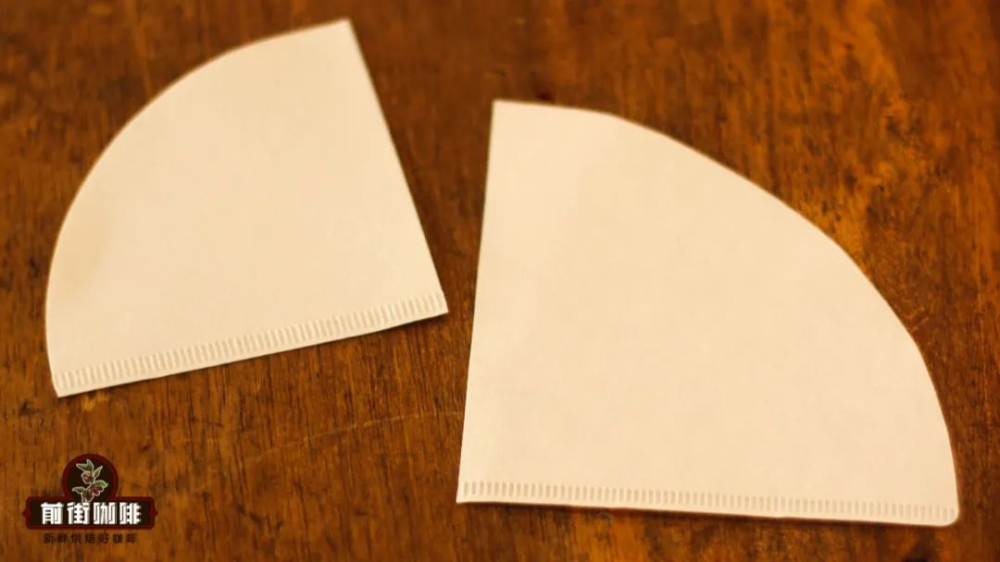
Using a small paper in a large dripper easily leads to overfilling during the brew, sending coffee liquid and grounds over the paper's edge and straight into the server. A large paper in a small dripper, meanwhile, interferes with your pouring. Always buy paper to match your dripper's size.
Unbleached vs. Bleached
This is the most contested choice when buying filter paper. Both kinds are made from virgin wood pulp — one bleached, one not. Unbleached paper comes straight off the production line without bleaching. Using it poses no health concern, but it has one big drawback: too much paper taste. Without a very thorough hot-water rinse, that taste leaches into the coffee and creates off-flavors. To protect coffee's "original taste," most people steer clear of unbleached paper.
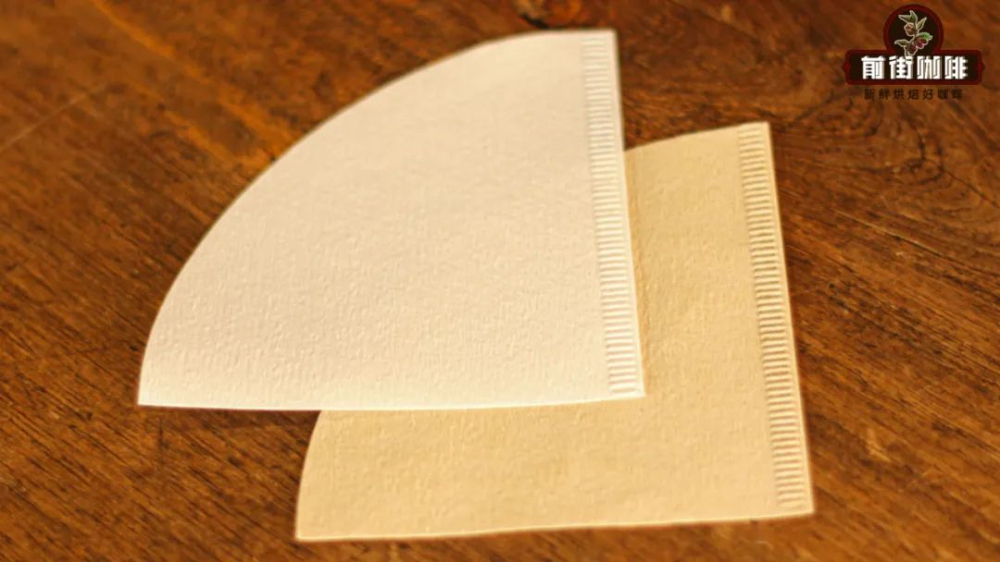
Bleached paper is also virgin wood pulp, but with little to no paper taste, so it preserves the coffee's original flavor far better. People worry about toxicity because of the bleaching, but in reality most major brands now use advanced enzymatic bleaching — bioactive enzymes do the work, a technique widely used in the medical field — so the risk is negligible.
Filter Paper Texture
Textures vary from brand to brand. FrontStreet Coffee once bought a Spanish-made paper costing about 3 yuan per sheet — ten times the price of a common Kono paper — and the two differed noticeably in softness and flow rate.
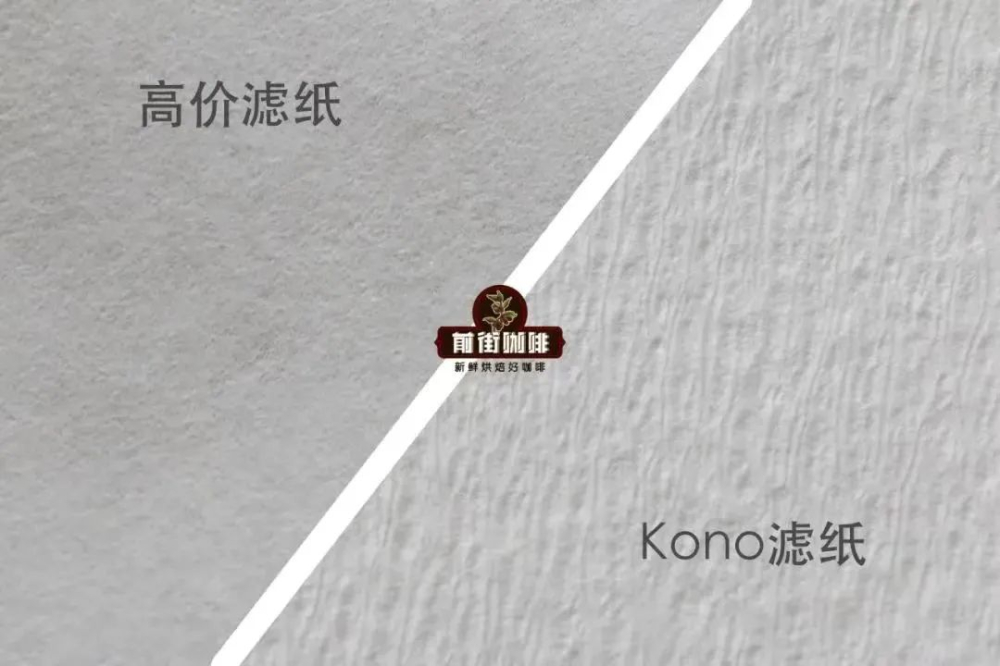
If you are curious, buy a few popular papers and compare them to find the texture that suits your brewing style. FrontStreet Coffee leans toward softer papers with faster flow rates — but follow your own preferences.
- END -
FrontStreet Coffee Recommendation
Good paper deserves good beans. For the fast-flowing conical setup FrontStreet Coffee favors, try the washed Yirgacheffe Worka — white florals, citrus, and a green-tea finish — or the tropical-fruit-packed Huakui, whose strawberry and passion fruit sweetness shows off just how clean a well-rinsed paper can keep your cup. If you prefer a mellower profile in a flat-bottom dripper, the PWN Golden Mandheling brings dark chocolate, caramel, and herbal depth with a full, low-acid body.
Important Notice :
FrontStreet Coffee is a long-established specialty coffee roaster in Guangzhou China, selling freshly roasted beans from its own farm in Yunnan as well as dozens of carefully selected single-origin beans from around the world for both pour-over and espresso. The products deliver consistently excellent quality and great value, with shipping within 24 hours. Guangzhou's FrontStreet Coffee shop is recommended by many coffee lovers, and the beans are now available online at the Tmall 。
FrontStreet Coffee has moved to a new address:
FrontStreet Coffee Address: 315,Donghua East Road,GuangZhou
Tel:020 38364473
 Scan and follow the En Gafei WeChat official account. Please indicate that the reprint comes from "En Gafei".

