
Brewing Great Coffee with a French Press: As Simple as Making Tea!

French press coffee may look simple to make—and it genuinely is! No exacting technique required: add the ingredients, let them steep, and the pot shows you just how easy delicious coffee can be. Drop the grounds in, add hot water, stir gently, press down, and the filtered coffee is ready. That's why the French press is the essential tool for lazy brewers like us at FrontStreet Coffee.
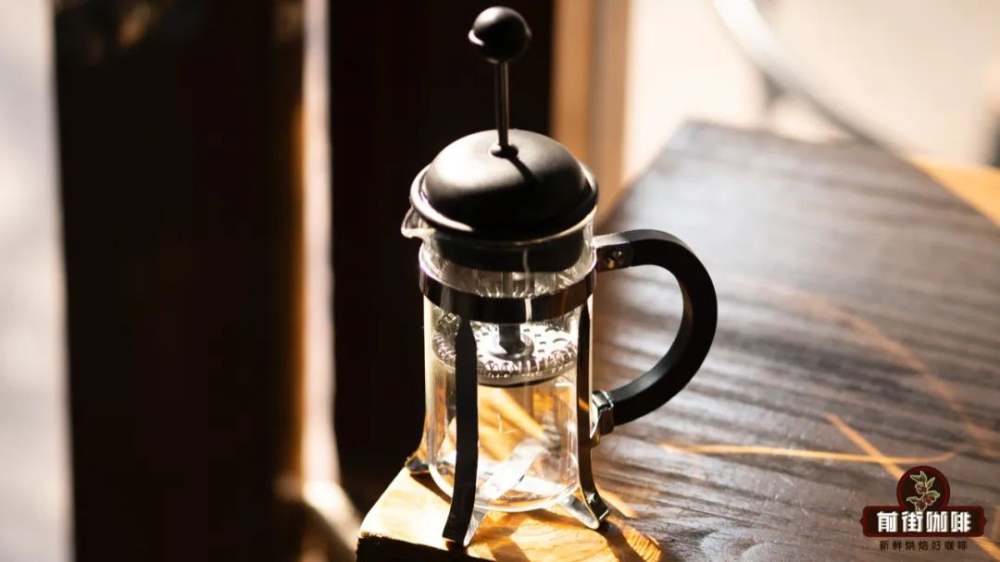
The History of the French Press
The French press traces back to 1850s France, when two Frenchmen, Mayer and Delforge, jointly invented the "piston-filter coffee device." They patented it, named it, and sold it as the French press.

That early version had a flaw, though: when pressing down, the filter screen couldn't stay level, so grounds slipped through the gaps—every sip came with a mouthful of grit, and sales were dismal. It wasn't until the 20th century that the Italians fixed the bug by adding a spring set to the screen, keeping it level under pressure while improving its slide. The improved press delivered clean coffee, and its convenience and efficiency won people over instantly. That's essentially the version we use today.
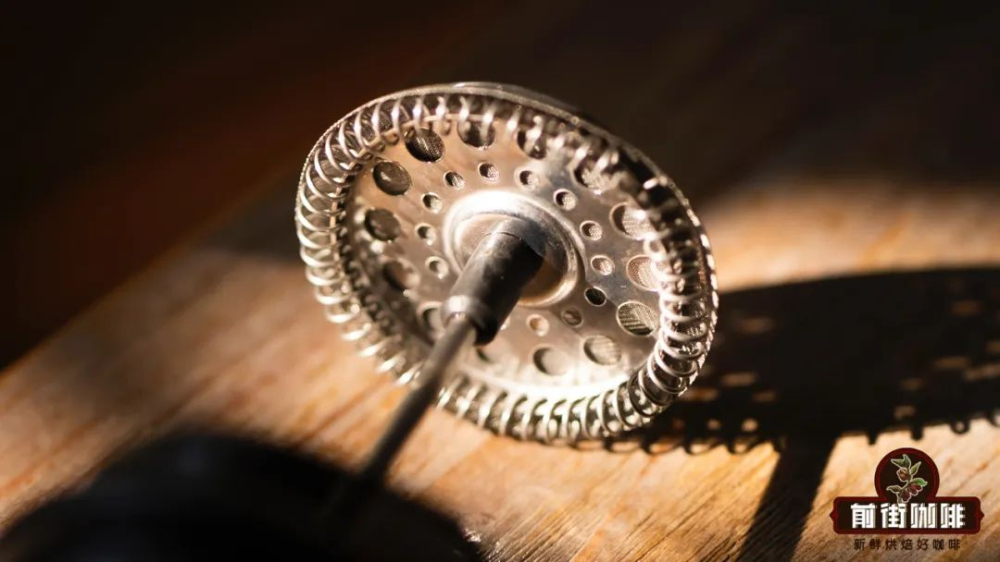
French Press Structure and Brewing Process
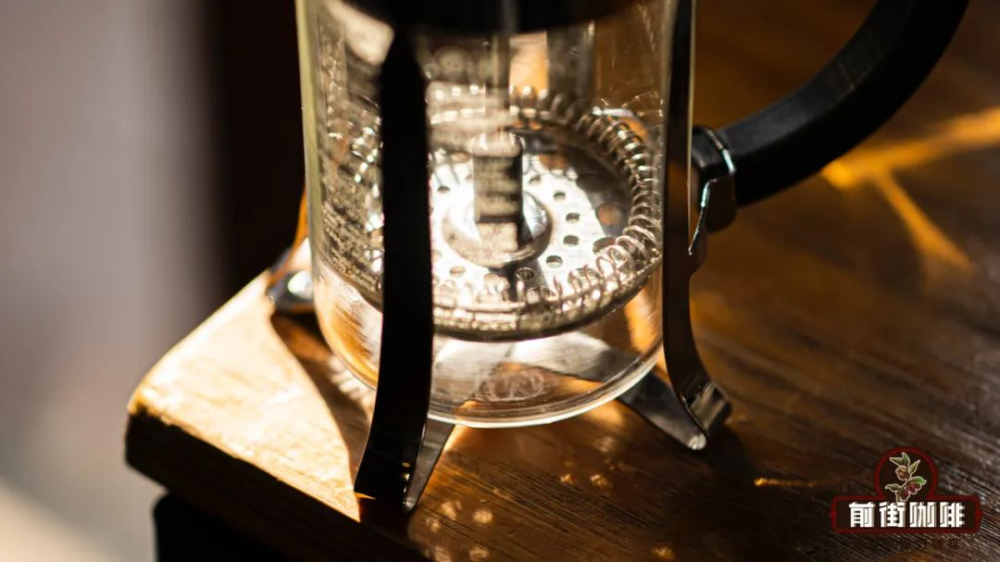
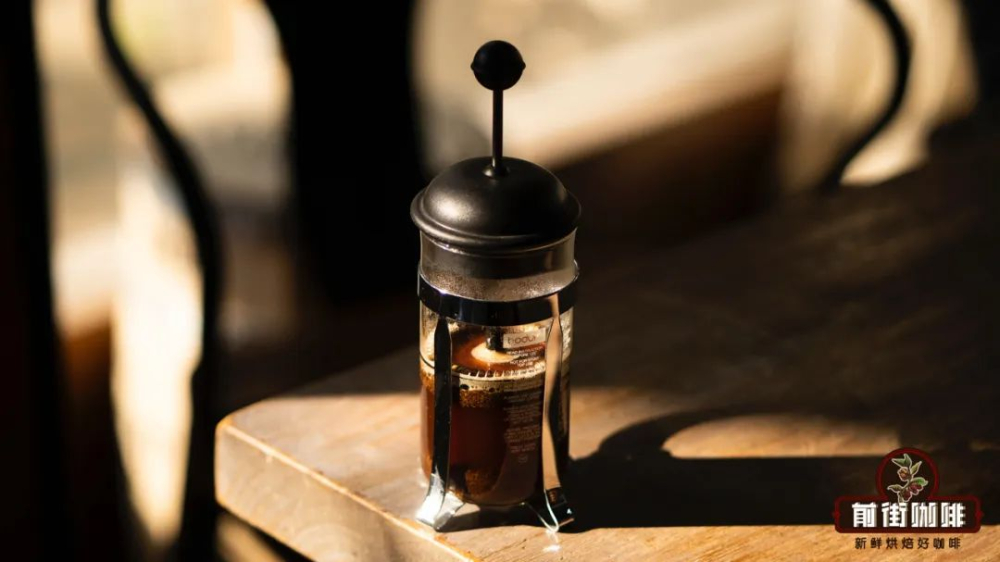
Structurally it couldn't be simpler: a pot body plus a plunger fitted with a metal filter screen and spring plate. The steps: add grounds → pour water → wait → press → done! Yet beginners sometimes end up with coffee that disappoints.
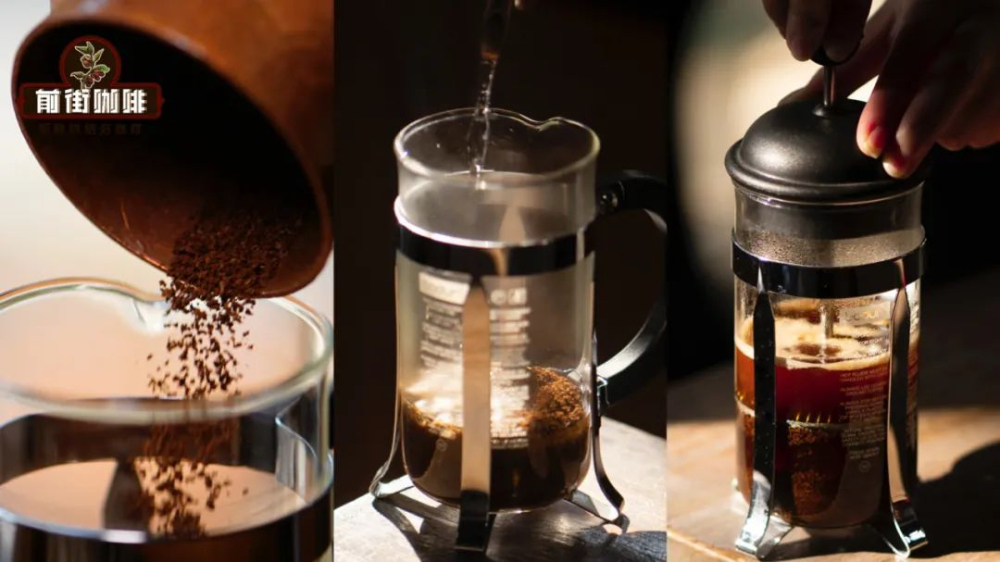
Since nothing you do mid-steep dramatically affects extraction, once human error is ruled out, the problem must lie in the parameters.
Key Brewing Parameters
Grind Size
First, the grind. Most tutorials recommend coarse grinding, and FrontStreet Coffee agrees: a 70% pass-through rate on a #20 sieve suits French press steeping—think coarse granulated sugar, closer to small pebbles than fine sand. On an EK43s that's about setting 10.5; on a C40 hand grinder, about 26. Grind too fine and water extracts too fast; worse, fine particles pierce the metal mesh and settle as sludge at the bottom of your cup.
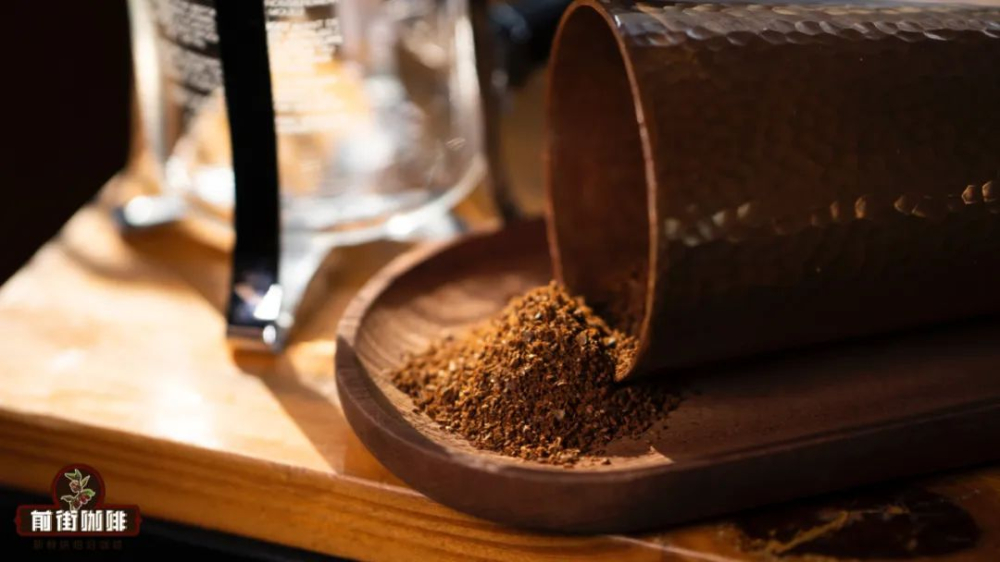
Fine grinding isn't forbidden—it's a double-edged sword: done well, the flavor is remarkably rich; done poorly, it's all bitterness. Besides the over-extraction risk, fine grounds flood through the mesh gaps (which, unlike filter paper, are not tiny), adding some body but sacrificing a great deal of clarity. If you do grind finer for more layered flavor, shorten the steeping time to avoid over-extraction.
Water Temperature
Because the water is poured all at once and nothing stirs during the steep, we bump the temperature slightly—1–2°C above regular pour-over. For medium-light roasts, use 92–94°C; for medium-dark roasts, 89–90°C is plenty. No thermometer? Let boiled water rest 2–3 minutes to land around 90°C, or invest in a temperature-controlled kettle.
Coffee-to-Water Ratio
Concentration comes down to ratio. The common 1:15—15g of coffee to 225g of water—produces a concentration of roughly 1.1–1.2%, full and rich. (A 1:16 is also popular and lands in the same range.) Start there, then adjust coffee or water in future brews until you find your favorite.
Steeping Time
Finally, steeping time. With no manual agitation, extraction must be made up elsewhere, and time is the other lever. Longer steeping raises the extraction rate—and with it, the risk of over-extraction. From FrontStreet Coffee's tests: with medium-light roasts and the parameters above, about 4 minutes is right; with medium-dark roasts, about 3.5 minutes. Deeper roasts turn bitter and astringent if pushed to 5 minutes, while light roasts may need a bit more than 3 to open up. Four minutes is the safe starting point.
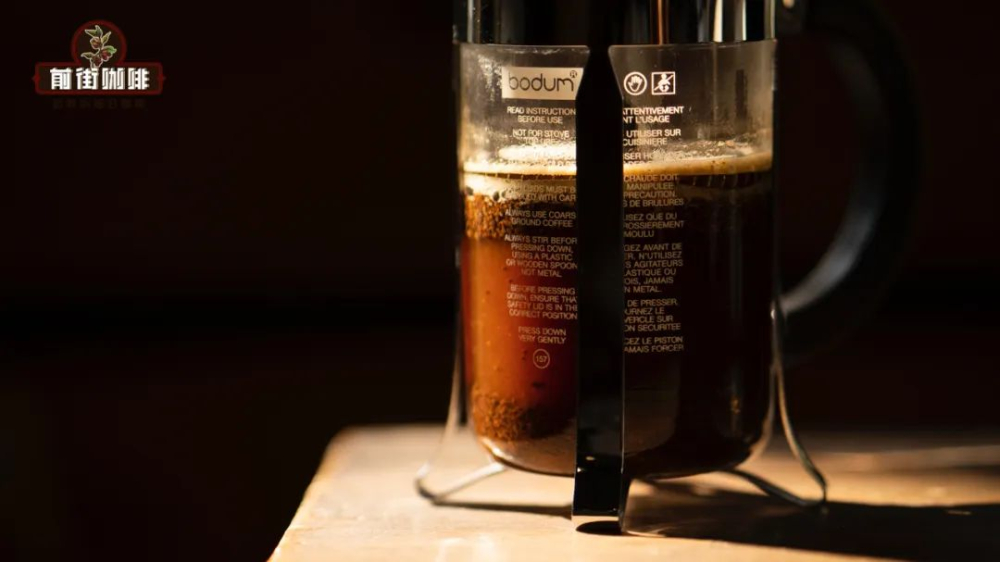
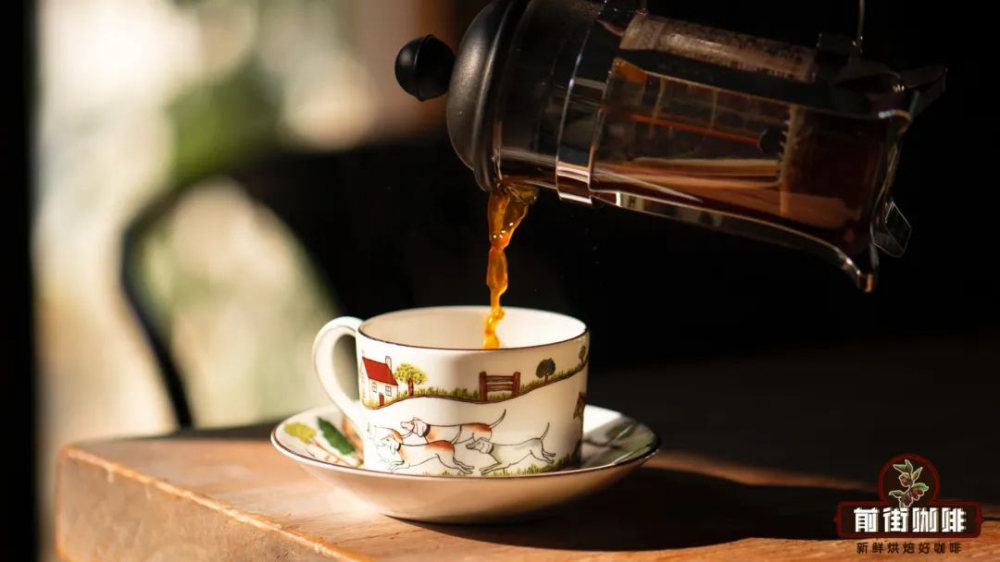
To brew: remove the plunger, add the grounds, pour in 15 times their weight in hot water, stir gently a few times, and rest the plunger on top without pressing. After 4 minutes of steeping, press slowly to the bottom and pour carefully, leaving the bed undisturbed.
Final Thoughts
Don't forget to deep-clean the press after use! Coffee oils cling to the metal screen after steeping, and if left uncleaned they oxidize quickly.
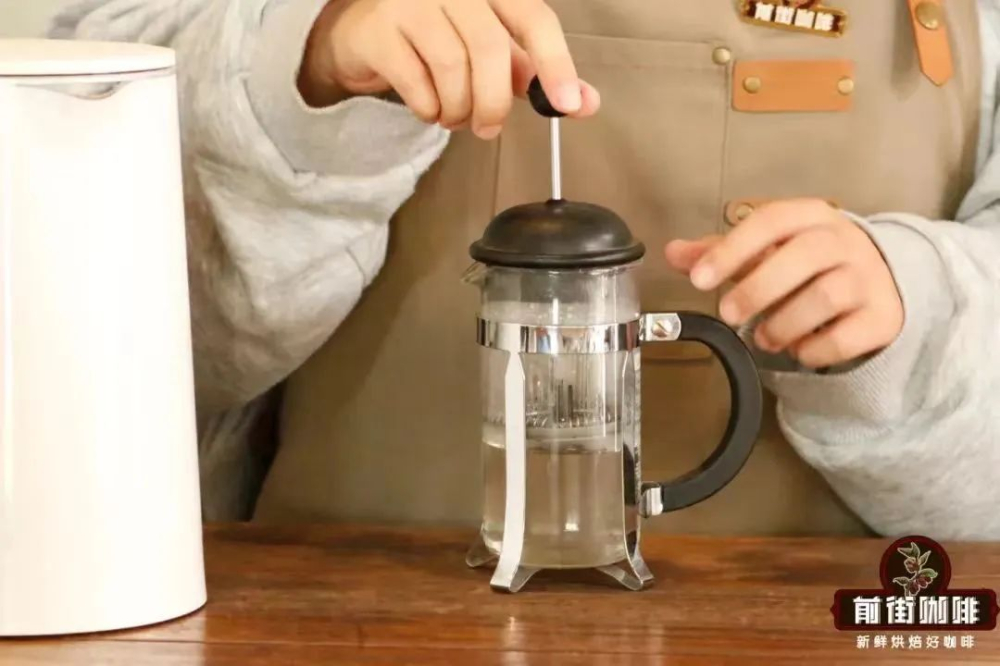
So disassemble and wash each part after use—it keeps the coffee delicious and is good for your health too. Beyond coffee, the press steeps tea and froths hot or cold milk for latte art: many tools in one, and the price is unbeatable.
- END -
FrontStreet Coffee
No. 10, Bao'an Qianjie, Yandun Road, Dongshankou, Yuexiu District, Guangzhou, Guangdong Province

FrontStreet Coffee Recommendation
The French press's full-immersion, metal-filter design yields richer oils and a heavier, fuller body—but its long hot-water contact suits medium to dark roasts best, which express sweetness and caramel character well; light roasts can come out overly acidic, their florals and delicacy masked. Also fair warning: if you dislike sediment or the texture of fines, the French press may not be your pot.
For a fragrant, aromatic cup, go for FrontStreet Coffee's Strawberry Candy, a Geisha blend custom-built from honey-processed Costa Rica and washed Panama Geisha combining Central America's finest flavors. Steeped in a French press it releases rose, citrus, grape, and dried blueberry aromas, and with milk it turns into strawberry taffy. For a low-acid black coffee with plush body, the first choice is the FrontStreet PWN Golden Mandheling—one of Asia's most famous specialty coffees, triple hand-sorted plus machine-sorted for uniform, luminous beans. Roasted medium-dark, its large beans carry intense spice, caramel, cedar, and dark chocolate aromas, and the press draws out a mellow cup with respectable crema.
Important Notice :
FrontStreet Coffee is a long-established specialty coffee roaster in Guangzhou China, selling freshly roasted beans from its own farm in Yunnan as well as dozens of carefully selected single-origin beans from around the world for both pour-over and espresso. The products deliver consistently excellent quality and great value, with shipping within 24 hours. Guangzhou's FrontStreet Coffee shop is recommended by many coffee lovers, and the beans are now available online at the Tmall 。
FrontStreet Coffee has moved to a new address:
FrontStreet Coffee Address: 315,Donghua East Road,GuangZhou
Tel:020 38364473
 Scan and follow the En Gafei WeChat official account. Please indicate that the reprint comes from "En Gafei".

