
Ethiopia Sidamo · Full Red Cherry 96-Hour Anaerobic Natural · Santa Venezi Coffee Beans

FrontStreet Coffee: Ethiopia Sidamo Santa Weni 74158 Coffee Beans
Country: Ethiopia
Grade: G1
Region: Sidamo
Processing Station: DWD Santa Weni Processing Station
Altitude: 2050 meters
Processing Method: 96-hour anaerobic natural processing of fully red cherries
Variety: 74158
Flavor Notes: Citrus, Pineapple, Guava, Red wine aftertaste
The Santa Weni Processing Plant and the Red Cherry Project
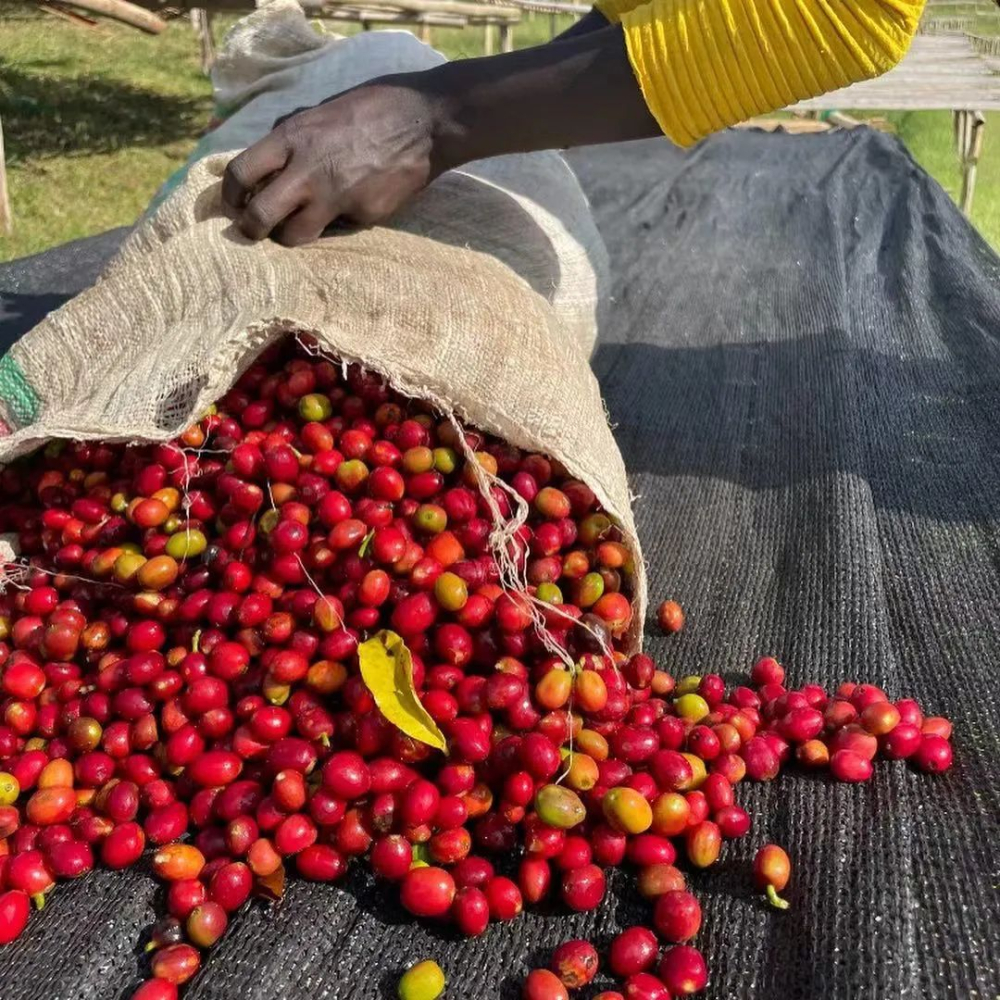
DWD Company's Santa Weni processing plant is about 40 minutes from Santa Weni town. It is one of the high-altitude processing stations owned by DWD, which operates 17 processing plants in total. Visit the Santa Weni plant and you will see farmers handling large quantities of freshly harvested fully red coffee cherries. The practice has its roots in the "Red Cherry Project" that began in 2007.
In 2007, Dutch green bean traders proposed the "Red Cherry Project" in order to obtain higher-quality Ethiopian coffee beans. The project means using manual labor instead of mechanical harvesting, picking only ripe cherries. Ripe coffee cherries are red, while unripe ones are mostly green. Mechanical harvesting typically mixes unripe cherries in, which can create negative flavors in the brewed cup.
Processing Method and Variety Characteristics
Compared with the Gause processing station, which also belongs to DWD, Santa Weni has a drier climate and lower average temperatures. That lets the coffee cherries grow more slowly and take in more abundant nutrients over a longer period.
After harvesting, the cherries are sorted, and qualified cherries go into fermentation tanks. Carbon dioxide is then injected for 96 hours of anaerobic fermentation. When fermentation ends, the cherries are placed on raised beds to dry and regularly turned to ensure even drying. When temperatures climb too high, they are covered with shade to prevent over-drying. After about 20-24 days of drying, once moisture content falls to 12%, the coffee can go into the warehouse.

The bean size is medium, and the variety is "74158." The "74" indicates that the variety was discovered in 1974, while "158" is its number. The 74158 variety owes much of its fame to Ethiopia's Cup of Excellence (COE), and FrontStreet Coffee's 96-hour anaerobic natural Ethiopia Santa Weni is one of the outstanding winners that earned that ranking.
Cup of Excellence (COE) is a national coffee green bean competition held once a year, bringing together excellent estates large and small from across the country. It carries a special restriction: flavored beans are strictly prohibited from entering. Because of that ban, drinkers can more directly experience the high-quality natural flavors of the production regions.

Brewing Recommendations
FrontStreet Coffee's brewing recommendations for FrontStreet Coffee Ethiopia Santa Weni:
Filter: V60
Water Temperature: 92°C
Coffee Amount: 15g
Coffee-to-Water Ratio: 1:15
Grind Size: Fine sugar size (sieved through a #20 sieve to 80%)
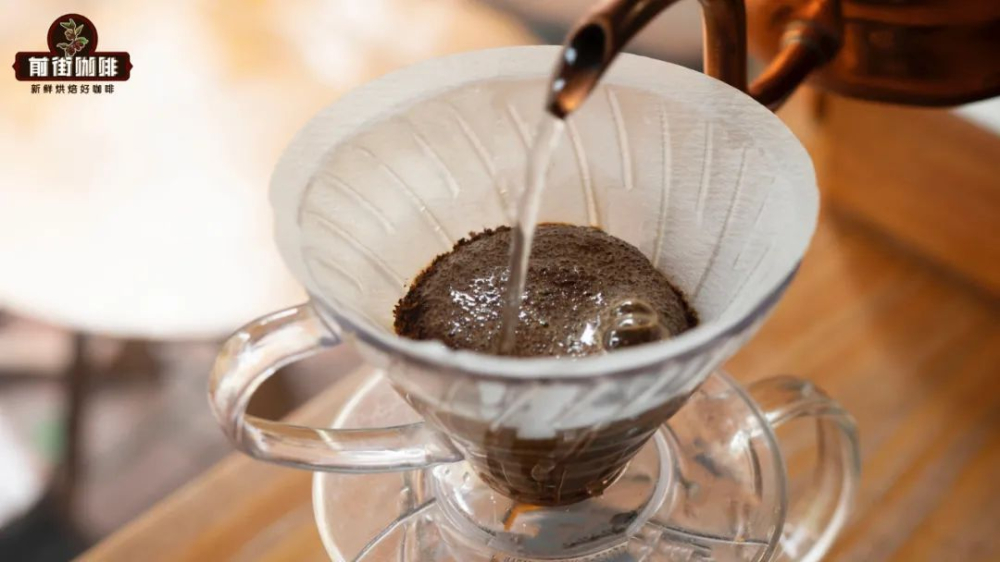
After folding the filter paper to fit the dripper, use a small amount of water to wet the paper so it sits properly, then pour out the water from the server. Add the coffee powder and tap gently to level the bed. For the first pour, gently inject 30 grams of water to bloom, with a blooming time of 30 seconds. For the second pour, inject to about 135 grams of water, circling evenly and steadily outward. Then wait for the coffee liquid to drop; when it falls to half, make the final pour to 225 grams. Once all the coffee has dripped through, the total extraction time is generally about 2 minutes.
Flavor Profile
Dry Aroma: When ground, it releases a rich aroma of ripe fruit and fermentation.
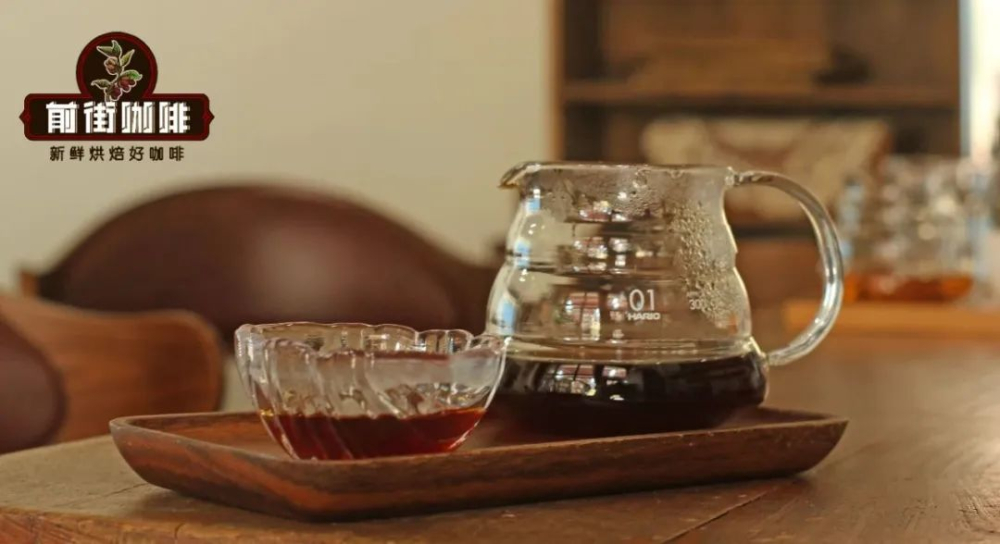
Brewing Flavor: High Temperature: Compared with a natural process, it enters with more fermented wine aroma, still full of pineapple, citrus and other tropical fruit flavors. The aftertaste is a passionate red wine aroma, while richness and fullness are the most immediate impressions after drinking. At medium to low temperatures, the sip has a soft acidity and a hint of guava sweetness.
FrontStreet Coffee Recommendation
Ethiopia is the world's best-known specialty coffee region and, as the birthplace of coffee, home to countless native varieties — a treasure trove for anyone who wants to follow its flavors faithfully. A natural starting point is FrontStreet Washed Yirgacheffe, an entry-level washed coffee with clear jasmine florals and a bright citrus acidity. Yirgacheffe is a small town in southern Ethiopia, cool and misty year-round, where thousands of coffee trees flourish and give rise to a delicate, elegant cup that weaves florals with fruity acidity and carries a tea-like quality, drinking like a clean, refreshing lemon tea.
For the same 74158 variety, FrontStreet Sidamo Sun-dried Hamasho is a close relative of this Santa Weni lot. The Hamasho processing plant has earned a regular place on Ethiopian green bean competition winner lists through its quality and distinctive flavor. Its coffee is mainly the disease-resistant 74-series varieties released by JARC (Jimma Agricultural Research Center). The 74158 beans are on the smaller side, with prominent floral and fruity aromas. FrontStreet Hamasho 74158 has an alluring fragrance reminiscent of perfume lemon, strawberry and star fruit; on the palate come clear sweet notes of strawberry, star fruit and green grape, with a gentle floral note gradually emerging.
FrontStreet Gutingding Cooperative is another way into Ethiopia's washed profile. Gutingding sits at the southeastern edge of Yirgacheffe, in the Worka region; it was originally part of the Worka cooperative under the Yirgacheffe Coffee Farmers' Cooperative Union (YCFCU). As demand for green bean traceability grew, independent single-origin lots were uncovered by coffee hunters around the world, and in 2012 Gutingding, with about 300 member farmers, was established as its own cooperative. Because the fruit is stripped before drying, FrontStreet Gutingding's inherent aromas come through more clearly, showing citrus and lemon notes with elegant white florals and a bright, delicate overall profile.
Important Notice :
FrontStreet Coffee is a long-established specialty coffee roaster in Guangzhou China, selling freshly roasted beans from its own farm in Yunnan as well as dozens of carefully selected single-origin beans from around the world for both pour-over and espresso. The products deliver consistently excellent quality and great value, with shipping within 24 hours. Guangzhou's FrontStreet Coffee shop is recommended by many coffee lovers, and the beans are now available online at the Tmall 。
FrontStreet Coffee has moved to a new address:
FrontStreet Coffee Address: 315,Donghua East Road,GuangZhou
Tel:020 38364473
 Scan and follow the En Gafei WeChat official account. Please indicate that the reprint comes from "En Gafei".

