
What to Do When Drip Coffee Bag Gets Clogged and Won't Drain? How to Brew Drip Coffee Bags Without Waste?
Reading this title, plenty of coffee lovers will nod in recognition and scroll down eagerly to solve a puzzle they know all too well. You followed every step from the tutorial: tear the packet, hang the bag, pour in hot water, wait for it to drip. Yet after what feels like an eternity, the water is still sitting on top while the grounds stay submerged at the bottom. Should you grab a stirrer and mix it, or keep waiting patiently for the drip to finish?
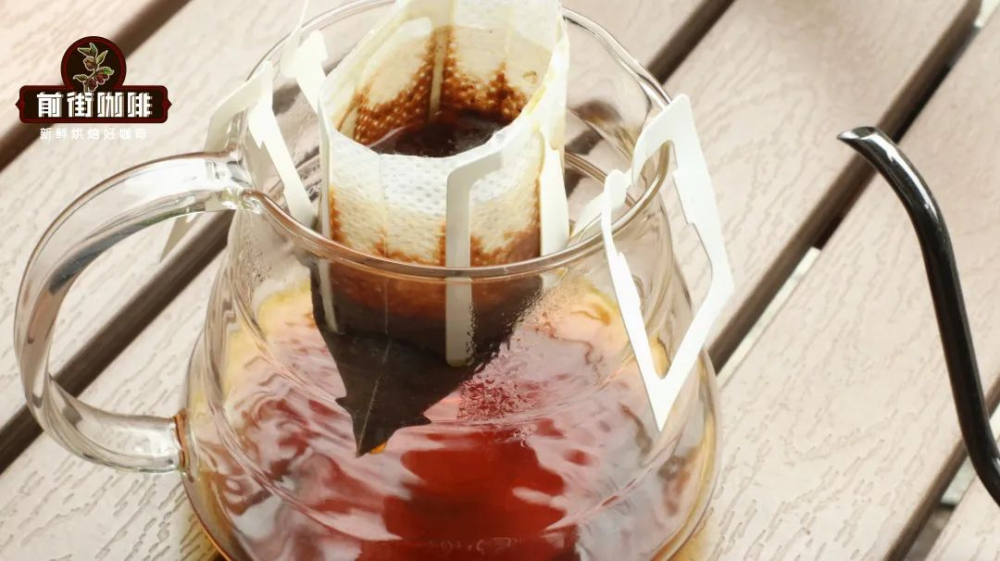
Why Do Drip Coffee Bags Get Clogged?
Like pour-over coffee, a drip bag uses a filtration extraction method. The beans are pre-ground and sealed in a non-woven fabric filter bag, which is opened for brewing when needed. The whole bag consists of only the main component, the grounds, and the supporting element, the filter bag, where the bag acts as both filter holder and filter paper. The flow rate depends directly on the resistance the hot water meets. To understand why your drip bags so often get clogged, we can look at a few key factors.
1. Filter Material
Drip bags typically use non-woven fabric, structured much like a metal mesh screen: a layer of coarse non-woven fabric and a layer of fine non-woven fabric. The bag filters the coffee liquid through fine pores around its surface.
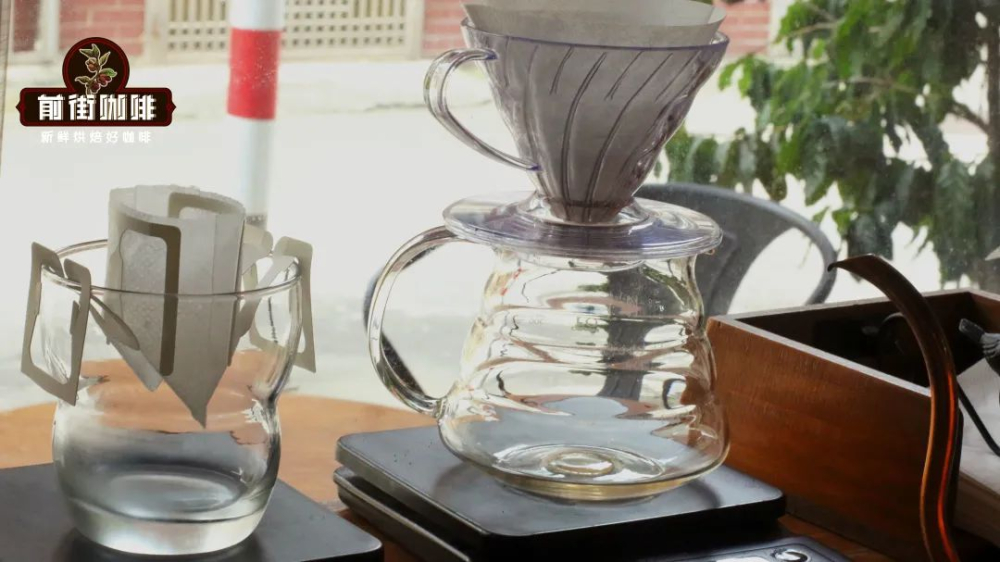
FrontStreet Coffee ran a comparison test, pouring 50g of water at the same time into both an empty drip bag filter and a #01 pour-over cone fitted with KONO filter paper. The regular filter paper group finished dripping in about 35 seconds, while the water in the filter bag took a full 2 minutes to drain. This shows that using a filter bag slows filtration considerably, which does provide a better steeping effect during brewing.
2. Water Pouring Technique
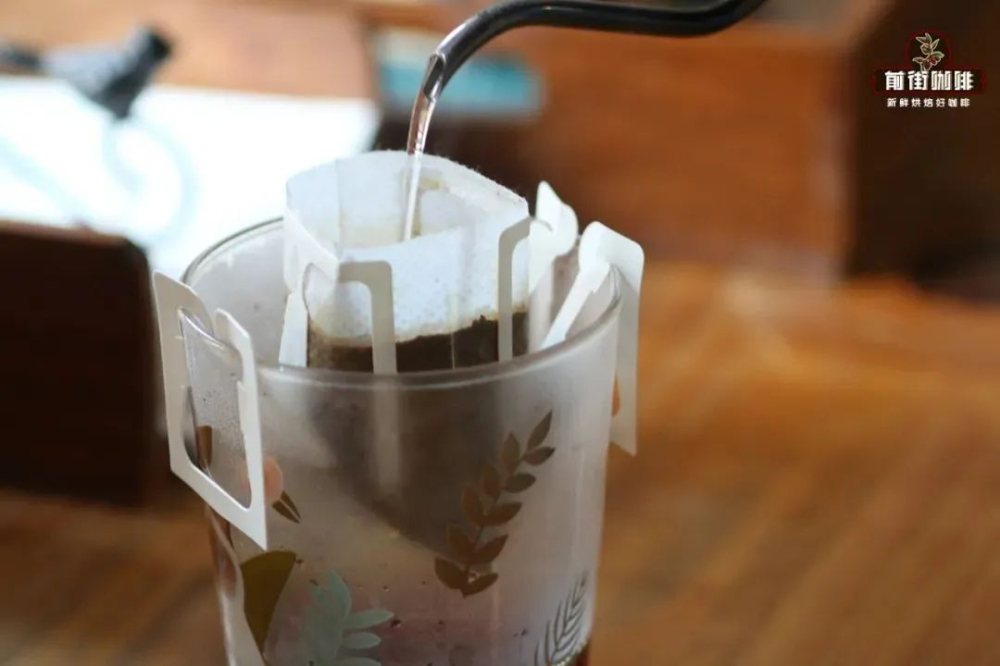
In actual brewing, the bottom is cushioned by ground coffee, so when the water level is higher, water flows out through the surrounding pores and the liquid reaches the lower pot more quickly. If the water level is too low, the coffee-and-water mixture mostly pools at the bottom of the bag. Pulled by gravity, most of the hot water can only drip down along the pointed corners at either end, so the water descends more slowly.
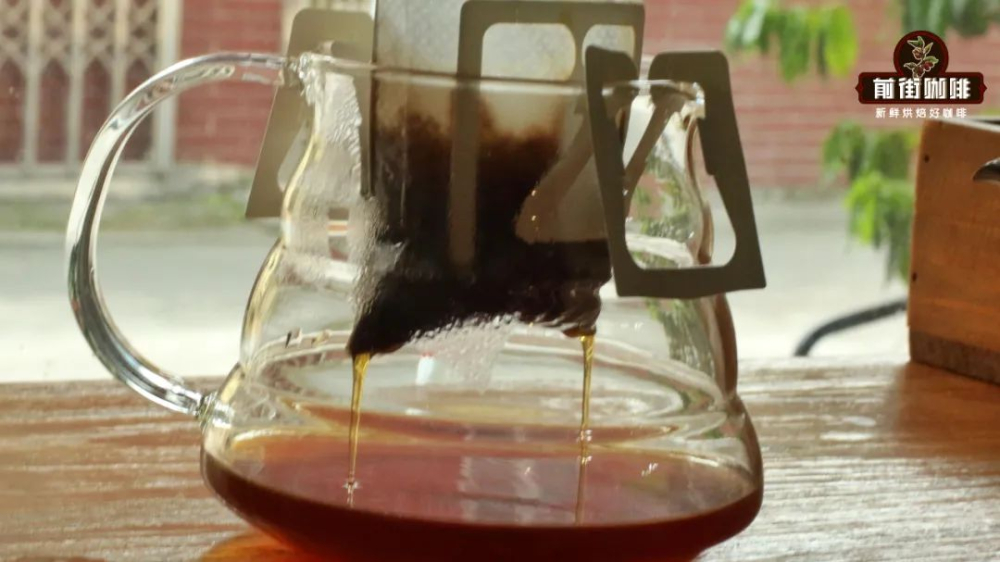
Besides water level, improper circular pouring can also cause a "flooding" effect. Many guides suggest imitating the circular pour used in pour-over coffee to rinse all the grounds thoroughly and ensure even extraction. But if the flow during the final circle is not controlled properly and "splashes" onto the filter bag, washing all the grounds to the bottom, it will naturally clog the bag and stop the drip. At that point the coffee often carries bitter notes from over-extraction.
3. Excessively Fine Grind
If you have some pour-over experience, you already know that one of the biggest factors affecting drip speed is how coarse the grind is. Coarser particles offer less resistance to water, while finer particles make it hard for water to pass through smoothly. If your drip bags always leave a mud-like residue after brewing, the coffee is ground too finely and drainage is being choked off.

4. Excessive Shaking
When discussing pour-over details, FrontStreet Coffee has analyzed before that the more you tap the filter holder, the more likely fine particles are to fall through the gaps to the bottom and clog things during brewing. The same applies to drip bags. Some people habitually shake the packet vigorously before opening it. The more the filter bag is shaken, the greater the chance that fine particles settle at the bottom, making a blockage more likely in the final stages.
How to Solve Drip Bag Drainage Problems?
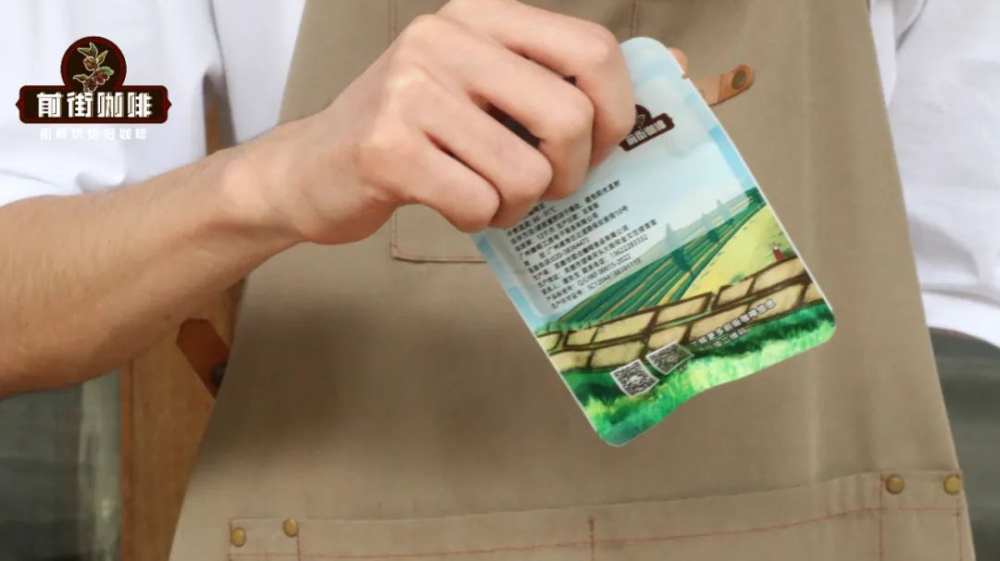
When you take out a drip bag, try to avoid shaking the packet vigorously. Just tear the non-woven bag open along the dotted line, pull open both "ears," gently shake to level the powder, then hang it on the rim of your cup or sharing pot.

If the drip bags you buy consistently clog in the final stages of brewing, and the used grounds clearly look muddy with a taste trending toward the dull and flat, you can be fairly sure the vendor has set the grind too fine. Consider explaining the situation and asking for a coarser grind setting.
As for pouring technique, a drip bag gives the grounds far less room to tumble than a pour-over dripper, so we need extra agitation to keep the particles moving. FrontStreet Coffee recommends a large water flow throughout, with several small circular pours or center injections. This rinses the grounds sufficiently and raises the water level to about 90% full. With this approach the flavor compounds extract fully while more pores stay open for the coffee to seep out, avoiding the over-extraction that comes with an excessive steeping time.
- END -
FrontStreet Coffee
No. 10 Bao'an Front Street, Yandun Road, Dongshankou, Yuexiu District, Guangzhou, Guangdong Province
FrontStreet Coffee Recommendation
Drip bags forgive a lot of mistakes when the beans underneath are aromatic and freshly roasted, so it helps to pick coffees that show well even from a simple steep. FrontStreet Yirgacheffe Gudingding comes from a washed Yirgacheffe cooperative and is the most representative bean of its kind: bright, layered notes of berry and honey with a clean finish, and, thanks to its approachable price, a natural everyday choice for drip bags, pour-over, siphon, French press, and cold brew alike.
For a more dramatic cup, FrontStreet Ethiopia Huakui is a star of the specialty market, and because it is sun-dried the beans absorb a great deal of sweetness from the fruit and skin, so a drip bag yields generous strawberry, passion fruit, and jackfruit aromas with very low bitterness.
If you like a fuller, low-acid profile, FrontStreet PWN Golden Mandheling is deep-roasted and offers a thick, lingering cup of herbal and dark chocolate notes with a faint earthy edge, a dependable choice for anyone who wants body rather than brightness from a drip bag.
Important Notice :
FrontStreet Coffee is a long-established specialty coffee roaster in Guangzhou China, selling freshly roasted beans from its own farm in Yunnan as well as dozens of carefully selected single-origin beans from around the world for both pour-over and espresso. The products deliver consistently excellent quality and great value, with shipping within 24 hours. Guangzhou's FrontStreet Coffee shop is recommended by many coffee lovers, and the beans are now available online at the Tmall 。
FrontStreet Coffee has moved to a new address:
FrontStreet Coffee Address: 315,Donghua East Road,GuangZhou
Tel:020 38364473
 Scan and follow the En Gafei WeChat official account. Please indicate that the reprint comes from "En Gafei".

