
decompose Learn more about decompose
-
How is Chlorogenic Acid Decomposed During the Roasting Process? The Relationship Between Moisture and Chlorogenic Acid? What is Produced?

Professional coffee knowledge exchange For more coffee bean information Please follow Coffee Workshop (WeChat official account cafe_style) FrontStreet Coffee briefly describes the roasting process and the decomposition of chlorogenic acid. After moisture is heated, chlorogenic acid will begin to decompose, but during the roasting process, moisture is continuously lost. The speed and amount of moisture loss will affect the generation of flavor (Maillard reaction).
2019-12-17 roasting process chlorogenic how decompose moisture between relationship produce professional -
Solutions to Latte Milk Foam Decomposition Problems and Illustrated Guide to Perfect Latte Milk Frothing

Have you ever ordered a takeaway latte and found yourself opening the lid to examine the milk foam? At first, I would habitually open the lid to admire the latte art, but later, I began observing the fineness and stability of the milk foam itself. Sometimes, the foam in the cup isn't puffed up but sunken in; other times, the
2022-01-26 latte coffee milk foam coffee art barista techniques coffee tutorial -
Colombian Specialty Coffee: Why Does Colombian Coffee Taste More Acidic Than Other Coffees?

Professional Coffee Knowledge Exchange For more coffee bean information, please follow Coffee Workshop (WeChat public account: cafe_style) Colombian coffee beans, geographically speaking, belong to the Central and South American coffee belt, where the coffee flavor should be relatively balanced. However, when I drink it, at the moment the coffee liquid touches my tongue, I can't help but say: Wow, Colombian coffee is quite acidic!
2021-06-09 Colombia specialty coffee why taste other professional knowledge -
How Long Does Latte Foam Last? How to Slow Down the Dissolution of Latte Foam

A freshly made latte has an incredibly delicate surface, but if left undrunk, the fine milk foam on top will decompose, becoming collapsed, rough, and uneven. This process is called 'foam dissipation,' which actually begins gradually after the milk foam is properly steamed. After making a latte, the milk foam and crema
2023-01-01 latte foam latte art foam stability coffee techniques -
Where Does Coffee's Bitterness Come From? Does Roasting Increase Coffee's Bitterness?

Professional coffee knowledge exchange. For more coffee bean information, please follow Coffee Workshop (WeChat public account: cafe_style). FrontStreet Coffee briefly describes where coffee's bitterness comes from and whether roasting increases coffee's bitterness. During roasting, chlorogenic acid undergoes changes and decomposes. Although the main bitterness in coffee comes from chlorogenic acid, in fact, chlorogenic acid itself is not bitter! Chlorogenic acid during roasting
2019-12-17 coffee bitterness roasting green coffee beans chlorogenic acid professional coffee knowledge -
What Coffee Beans to Use for Drip Coffee? Is Ethiopian Yirgacheffe Cold Brew Delicious? Flavor Description

Professional coffee knowledge exchange, more coffee bean information please follow Coffee Workshop (WeChat public account cafe_style). Cold drip coffee is fundamentally different from iced coffee, and the coffee beans used for cold drip coffee are also different from those used for regular iced coffee. It's common to see some coffee friends confusing cold drip (or cold brew) coffee with hot coffee that has been cooled
2025-06-14 cold drip coffee what coffee beans single origin cold different flavors comparison -
How Coffee Aroma is Developed - The Rich Fragrance of Coffee Beans Comes from Technical Roasting

Professional coffee knowledge exchange For more coffee bean information please follow Coffee Workshop (WeChat official account: cafe_style) FrontStreet Coffee - Introduction to Coffee Bean Aroma Sources Acids and sugars determine coffee flavor Acids affect coffee quality and complexity Raw coffee beans naturally contain some acids such as citric acid and malic acid as well as some acetic acid (which is formed from the decomposition or reaction of sugars and other compounds)
2020-02-17 coffee aroma how developed coffee beans rich fragrance technical roasting professional -
Where Does Coffee's Acidity Come From? Why Does Coffee Become More Acidic When It Cools?
Professional coffee knowledge exchange For more coffee bean information, please follow Coffee Workshop (official WeChat account: cafe_style ) FrontStreet Coffee briefly explains: Where does coffee's acidity come from? The acidic components in raw coffee beans include citric acid, malic acid, quinic acid, phosphoric acid, etc., but these are not the acidic flavors we taste when drinking coffee. The acidity we taste mainly comes from compounds produced during the roasting process
2019-12-17 coffee why cool down after cooling becomes more acidic professional knowledge exchange -
Introduction to Arabica Coffee Bean Origin Characteristics and the Substances Behind Coffee's Aroma

Professional coffee knowledge exchange. For more coffee bean information, please follow Coffee Workshop (WeChat official account: cafe_style). FrontStreet Coffee - Arabica varieties and aromatic components overview. I. Types of Coffee: Coffee beans can be broadly divided into three main categories: (1) Arabica coffee trees, (2) Robusta coffee trees, and (3) Liberica coffee trees.
2020-02-01 Arabica coffee beans origin characteristics introduction substances aroma reasons -
What is the Roast Level for Yirgacheffe Coffee Beans? Light Roast Flavor Characteristics of Yirgacheffe Coffee

Professional coffee knowledge exchange For more coffee bean information please follow Coffee Workshop (WeChat public account cafe_style) Ethiopia has eight major producing regions: Ekempti, Limu, Illubabor, Djimma, Harrar, Teppi/Bebeka, Sidamo, and Yirgacheffe. Yirgacheffe is located in the Gedeo region of southern Ethiopia.
2018-09-03 Yirgacheffe coffee roast level flavor characteristics professional knowledge Ethiopia -
[FrontStreet Coffee Roaster's Notes] Different Flavor Expressions of Costa Rica Black Soul at Various First Crack Times
![[FrontStreet Coffee Roaster's Notes] Different Flavor Expressions of Costa Rica Black Soul at Various First Crack Times](https://en.gafei.com/uploads/allimg/190423/17-1Z42314050M15-lp.jpg)
Today, FrontStreet Coffee wants to discuss the timing of first crack in coffee roasting. What is first crack? First crack occurs when coffee beans, after experiencing the dehydration phase, produce carbon dioxide as water and other substances heat up, causing the beans to continuously expand, break through their cell walls, and emit loud cracking sounds. Today, FrontStreet Coffee uses Costa Rica Black Soul to explore this topic.
2025-08-21 FrontStreet Coffee roasting roaster's notes Costa Rica Black Soul first crack time different flavor -
What is Chlorogenic Acid and What is Its Relationship with Coffee Roasting? The Acidity in Coffee Comes from Chlorogenic Acid
Professional coffee knowledge exchange For more coffee bean information Please follow Coffee Workshop (WeChat public account cafe_style ) FrontStreet Coffee briefly explains what chlorogenic acid is and what is its relationship with coffee roasting? Chlorogenic acid is formed through esterification reaction and dehydration condensation of quinic acid and caffeic acid. This is a reversible reaction. That is, chlorogenic acid can undergo hydrolysis reaction when encountering water and decompose into qu
2019-12-17 what chlorogenic acid roasting relationship coffee professional knowledge -
Why Does Freshly Made Latte Foam Collapse? Causes and Solutions

When evaluating the quality of a latte, in addition to taste, texture, blending uniformity, and the smoothness of the surface, another important criterion is the stability of the milk foam. The decomposition of foam on a latte's surface begins at the very moment the espresso extraction is complete and the milk foam is properly frothed. Measuring the stability of latte foam is therefore
2022-10-07 latte foam coffee stability espresso extraction milk frothing -
What Causes Ice Drip Coffee to Stop Dripping? | Why Isn't Ice Drip Coffee Bitter?
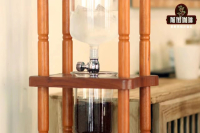
For professional coffee knowledge exchange and more coffee bean information, please follow Coffee Workshop (WeChat public account: cafe_style). Ice drip coffee originated in Europe, initially invented by the Dutch, also known as Dutch Coffee. Through natural osmotic water pressure, adjust the water drip speed, use cold
2025-07-01 ice drip coffee stop dripping reasons why not bitter professional -
Introduction to Three Major Coffee Bean Processing Methods - Characteristics of Natural Process Coffee Beans: Yellowish Color and Higher Sweetness

Professional coffee knowledge exchange. For more coffee bean information, please follow Coffee Workshop (WeChat public account: cafe_style). FrontStreet Coffee - Introduction to Three Major Processing Methods. Natural Process: Commonly known as natural process beans, the English name is Natural. It is naturally dried, also known as dry processing, not necessarily dried in the sun. Any method that allows it to dry naturally is called Natural. It's ready when dried to the state shown in the picture below.
2020-02-07 three major coffee beans processing methods introduction natural process characteristics color yellowish sweetness -
Why Does Panama Pour-Over Coffee Taste Too Sour? How to Control Acidity in Pour-Over Coffee

Professional coffee knowledge exchange. For more coffee bean information, please follow Cafe_Style (WeChat public account). FrontStreet Coffee's Panama Butterfly Pour-Over Introduction: Panama is located in the typical coffee belt. Panama's neighboring countries are all world-renowned coffee-producing regions, and together they tell the world about their origins with coffee. The microclimate there is particularly suitable for coffee growth, with high altitudes
2019-12-09 Panama pour-over coffee too sour what are the reasons how to control acidity professional -
Washed and Natural Coffee Processing, How to Properly Drink Washed Coffee, Characteristics of Washed Coffee Beans
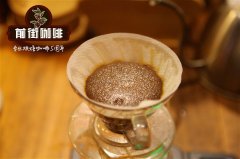
Professional coffee knowledge exchange. For more coffee bean information, please follow Coffee Workshop (WeChat official account: cafe_style). Washed method: The focus is on fermenting coffee fruits after removing the peel, then washing away the mucilage with water. One of the processing methods used involves picking coffee fruits, removing unripe fruits and leaves, and taking the fruit
2025-06-19 washed natural coffee regular beans characteristics professional knowledge exchange -
How to Distinguish Between Semi-Dry and Honey Processing: The Difference Between Semi-Dry Processed and Honey Processed Coffee Beans
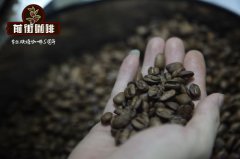
Professional coffee knowledge exchange. For more coffee bean information, please follow Coffee Workshop (WeChat official account: cafe_style). Semi-dry processing is an improved processing method in traditional sun-drying regions to enhance the quality of sun-dried beans. 1. Remove floating beans (same as sun-drying and washed methods). 2. Remove pulp (same as washed method). 3. Sun-drying: Move the depulped seeds with mucilage to outdoor sun-drying for several days.
2018-07-27 sun-drying processing how distinguish coffee beans difference professional coffee knowledge exchange -
An Introduction to the Three Main Varieties of Coffee Beans and Does Chlorogenic Acid Affect Coffee Flavor?
Professional coffee knowledge exchange. For more coffee bean information, please follow Coffee Workshop (WeChat public account: cafe_style). FrontStreet Coffee - Introduction to the three main coffee bean varieties and chlorogenic acid components. 1. Arabica Species. The origin of Arabica species is the Abyssinian plateau in Ethiopia (now the Ethiopian plateau). Initially used mainly as medicine, it was cultivated for roasted drinking in the 13th century.
2020-02-01 coffee beans varieties major categories introduction coffee chlorogenic acid effects flavor influence -
How to Drink Cold Drip Coffee, What Coffee Beans to Use? The Taste Characteristics of Cold Drip Coffee

Professional coffee knowledge exchange For more coffee bean information, please follow Coffee Workshop (WeChat public account cafe_style) Although the extraction speed is slow at low temperatures, in terms of flavor, high temperatures are more likely to cause tannic acid in coffee to decompose into pyrogallic acid, producing acidity and bitterness. Cold-extracted coffee is comparatively more mellow and popular in flavor. Common cold brew coffee, iced American coffee
2018-09-08 cold drip coffee how to what coffee beans make correct drinking method professional
Editor's Pick Today

Most Read This week
Hot Tags
-
drip coffee
Blue Mountain Coffee
Specialty coffee beans
moka pot
Flat white coffee
Coffee Latte
iced drip coffee
ICE-DRIP
Water Drip Coffee
ice drip coffee
Dutch Coffee
Huakui coffee
Yunnan Coffee
hand ground coffee
ground coffee
Yirgacheffe
pour-over coffee
geisha coffee
coffee bean
Coffee website
You May Like
- Guatemala | Huehuetenango | Finca El Injertal Mixed Variety Washed
- How Many Classifications Are There for Gesha Coffee Beans? What Do the Different Grades Like Gold Label, Red Label, Green Label, and Blue Label Mean?
- Are Cold Brew and Cold Drip the Same Thing? Recommended Single-Origin Coffee Beans for Cold Brew
- How to make bubble ice American so that it will not spill over? Share 5 tips for making bubbly coffee! How to make cold extract sparkling coffee? Do I have to add espresso to bubbly coffee?
- luckin Coffee Calorie Ranking - Luckin New Product Review: Are the Green Grape Oat Latte and Thick Milk Latte Delicious?
- Washed Geisha vs Natural Geisha: Flavor Differences Between Panama Hacienda La Esmeralda's Washed and Natural Geisha
- Natural Geisha Comparison: What's the Difference Between Panama Hacienda La Esmeralda's Natural Blue Label and Green Label?
- Yirgacheffe Coffee Bean Grading Standards, Variety Characteristics, Flavor Description, Growing Regions, and Pour-Over Coffee Taste Profile