Solutions to Latte Milk Foam Decomposition Problems and Illustrated Guide to Perfect Latte Milk Frothing
Observing Latte Milk Foam
Have you ever ordered a takeaway latte and lifted the lid just to study the milk foam? I used to open the lid out of habit to check the latte art, but over time I found myself paying attention to something else: how fine and how stable the foam actually is.
Sometimes the foam in the cup is not domed up but sunken in; sometimes the foam looks stiff and hard, and no matter how you swirl the cup, it refuses to move. Sometimes the foam is incredibly fine the moment you open the lid, but within 2 minutes you can watch it visibly breaking down. In a quiet room you can even hear a faint "hisss... hisss..." — the sound of bubbles popping, like dish soap foam collapsing. Of course, I have not been that unlucky. Most of the time the latte I receive is still fine and silky, and when I finish the cup, that layer of microfoam and the latte art remain intact at the bottom.
Anatomy of Collapsing Milk Foam
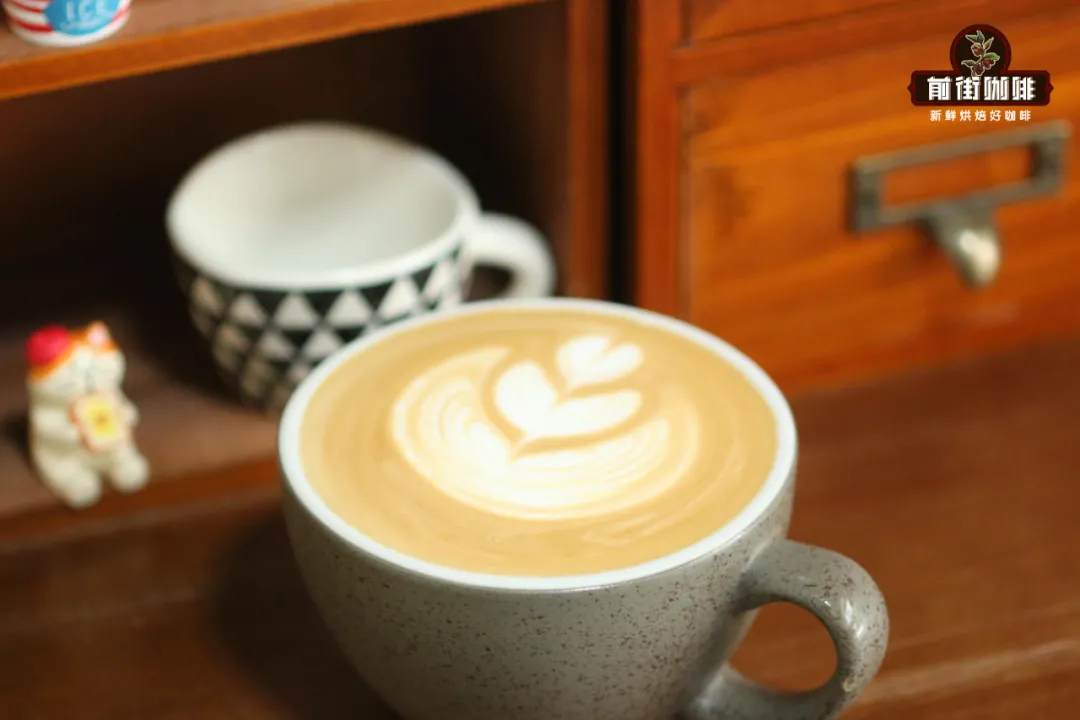
With so many possible latte-foam behaviors on display, FrontStreet Coffee thinks it is worth breaking down the causes one by one. First, the sunken foam: this means the foam has collapsed, and it is mainly caused by milk foam that is too thick sitting on top of a relatively thin crema. FrontStreet Coffee has mentioned before, in our article on latte art with a moka pot, that coffee can still be blended and patterned even without crema. But careful readers may notice that foam blended without crema looks paler in color — crema actually acts as a stabilizer for milk foam. The result may look fine at first, but without crema the foam easily breaks down into visible large bubbles.
Once the bubbles can no longer carry the weight above them, they burst. And when the foam layer is relatively thick, the whole surface collapses — which is exactly the sunken surface we see on the cup.
Stiff Foam and Severe Separation
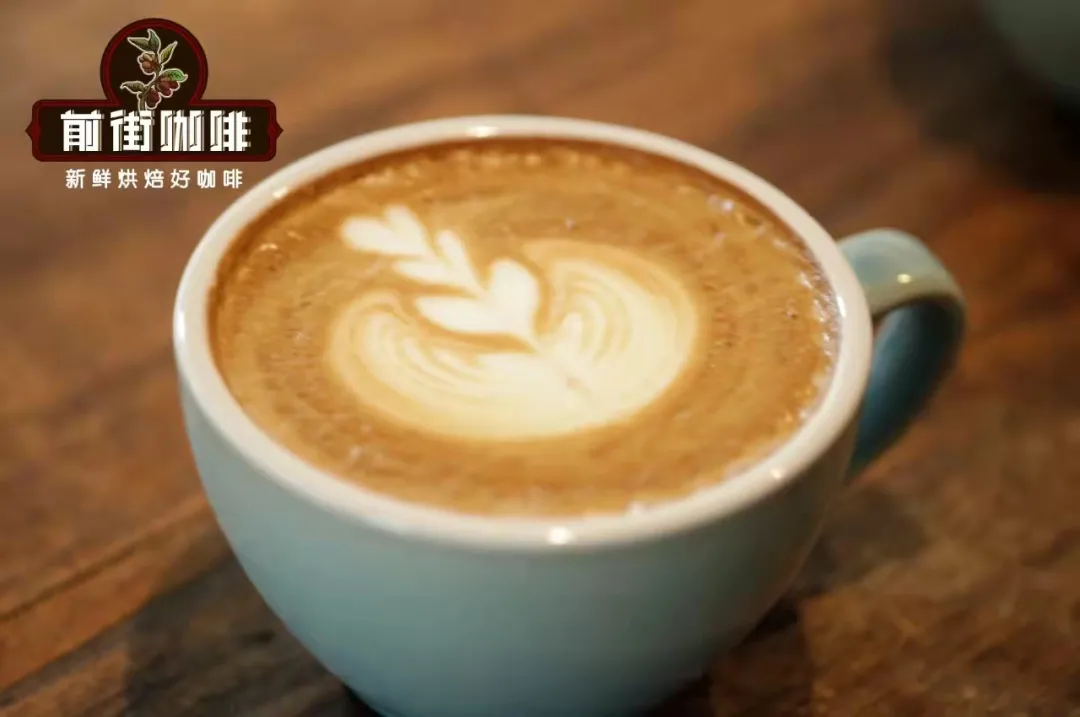
Next: hard, stiff foam and heavy separation. In truth, every latte eventually reaches this state — but a well-made latte slows the separation way down. Over-thick milk foam also causes severe layering in the finished drink.
Try this: sip a latte immediately after it is made, and the surface foam flows along with the sip. But if you wait about 5 minutes before your first sip, your straw or lip only punches a small hole through the foam, and you drink the latte underneath it. If the foam is too thick or poorly blended, the same effect appears in as little as 2 minutes.
Breaking Down on the Surface
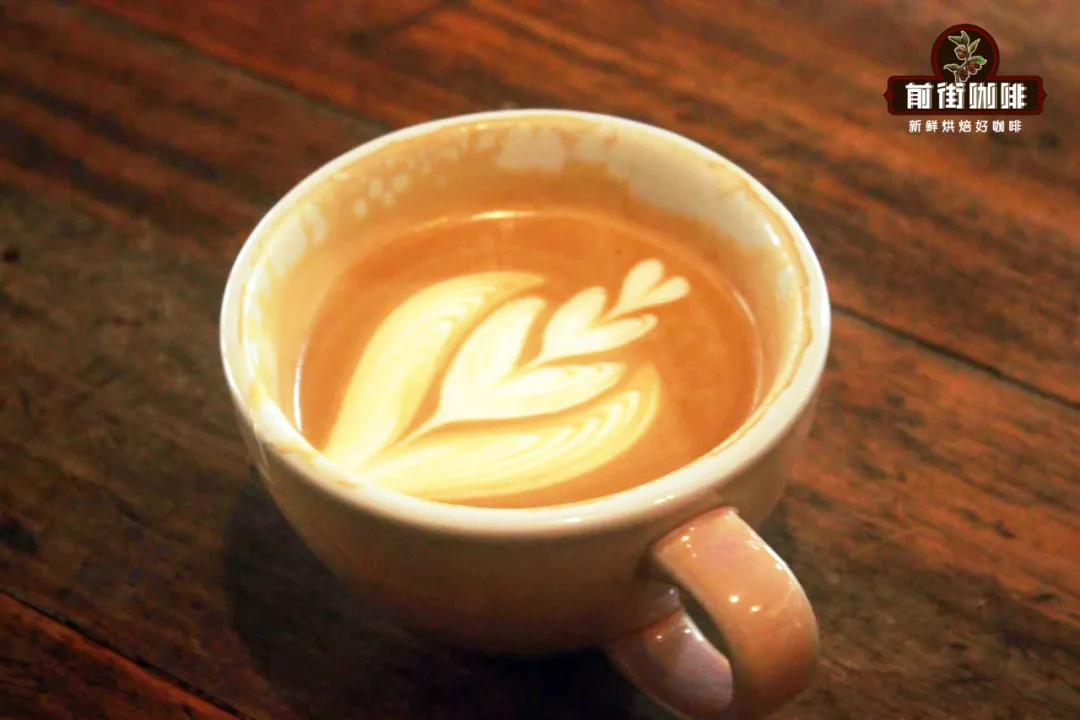
The main culprit here is unstable (coarse) crema. Crema helps stabilize milk foam, so when the crema itself is unstable, it readily drags the otherwise stable foam down with it, leaving a lumpy texture or clusters of dense bubbles on the latte's surface.
Why Crema Goes Unstable
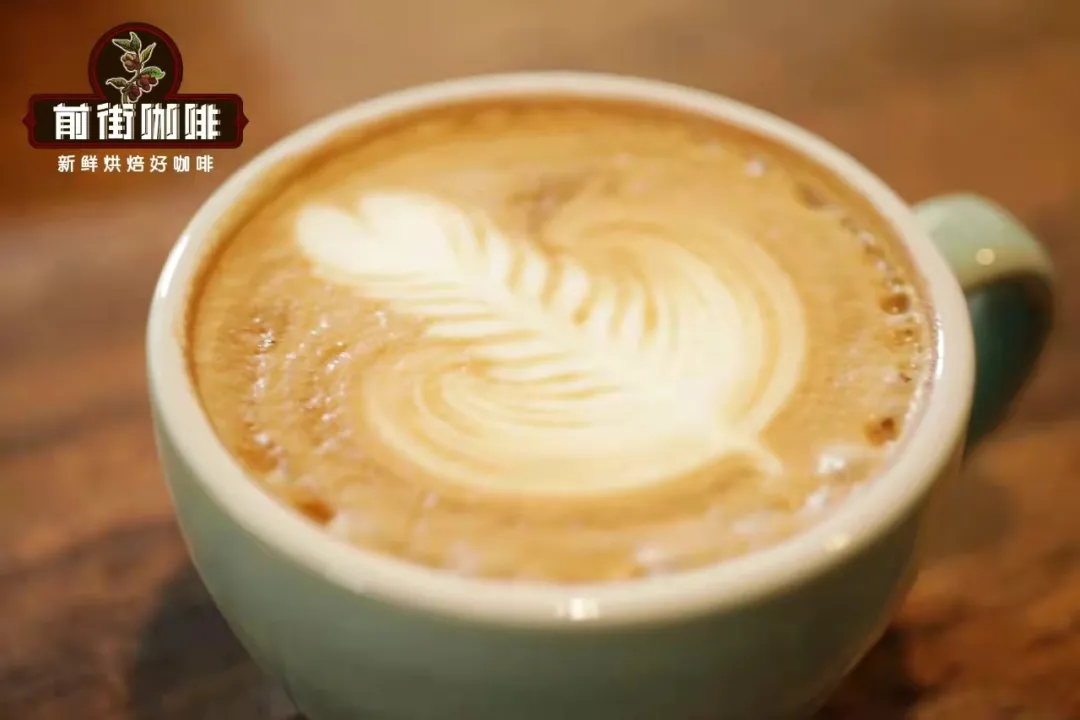
There are two main possibilities. The first is beans that are too fresh — that is, fewer than 7 days between roasting and use. At that point the coffee beans still hold a lot of carbon dioxide, which makes the crema unstable during extraction, so it easily breaks into large bubbles. The second is improper extraction.
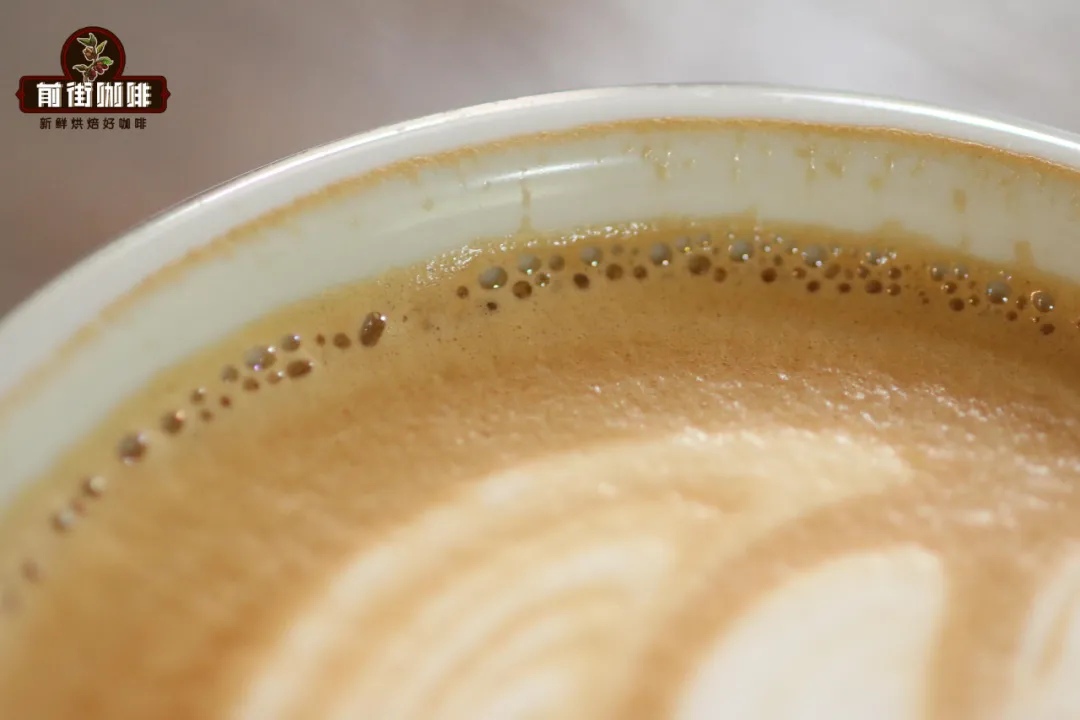
There is also a subtler case: the crema is fine, the milk foam is fine, and the finished latte looks smooth and delicate all over. But a short while later, large bubbles ring the rim of the cup while the center stays fine. This is usually caused by water droplets on the cup. Wherever water touches, the foam near the cup wall destabilizes and breaks down, while the center remains intact.
FrontStreet Coffee Recommendation
Unstable crema is often a bean problem as much as a technique problem — and if you also brew with a moka pot at home, the right beans make all the difference. Here are the coffees FrontStreet Coffee recommends:
Blends first: as a rule, a moka pot works beautifully straight off a blend.
FrontStreet Coffee Classic Blend: designed specifically for espresso-style brewing and the moka pot, its greatest strength is outstanding crema — even a beginner with a non-professional home machine can pull dense, velvety crema from it. Lattes, cappuccinos and Dirty drinks all depend on good crema, and this blend nails the need. It uses the traditional Mamba (Mandheling + Brazil) formula for a rich, mellow cup that both seasoned coffee drinkers and newcomers take to easily — the go-to first choice for home or commercial use.
FrontStreet Coffee Dark Cocoa Blend: 100% Arabica beans. Not everyone chases maximum crema — for beginners, or cafe owners watching costs, "great taste, honest price" is what matters. This blend delivers exactly that: ample crema, a full-bodied mouthfeel and a friendly price, balancing quality and value.
FrontStreet Coffee Autumn Chestnut Blend: a balanced-style 100% Arabica blend of select Honduras Caturra and Papua New Guinea Typica, fusing warm, delicate roasted aromas. The cup opens with roasted-chestnut nuttiness and a caramel-and-dark-sugar sweetness; the mid-palate brings soft chocolate and rounded acidity, full and smooth, with a clean, lingering finish of nuts, cocoa and gentle spice. Roasted to FrontStreet Coffee's sweet, layered style, it suits drinkers who love a mellow cup with low acidity and plenty of sweet aftertaste.
FrontStreet Coffee Commercial Blend: before the Dark Cocoa Blend launched, this was the workhorse for cafe use. Priced below the specialty blend, its formula skips the extreme-crema goal but is still purpose-optimized — keeping taste while controlling cost — which is why it remains a perennial favorite for shops of every kind.
FrontStreet Coffee Specialty Blend: 100% Arabica, and the espresso blend FrontStreet Coffee's own stores have used the longest — nearly 10 years — powering core menu drinks like Americanos and lattes. Built on Brazil Cerrado and Colombia Huila beans, its flavor is the classic, familiar taste of Italian-style coffee; equally suited to home and commercial use.
Single-origin options:
FrontStreet Coffee PWN Indonesian Golden Mandheling: dark roasted, very low acidity, with a rich, long-lasting body full of herbal and dark chocolate aromas and just a faint earthy note — layered and complex, ideal for drinkers who like it bold and never sour. Mandheling and Blue Mountain remain the top picks for lovers of a mellow cup.
FrontStreet Coffee Brazil Queen Estate: very low acidity and beautifully balanced, with pronounced nut and cocoa aromas plus clear caramel sweetness. Smooth and never astringent, warm and lingering, it suits pour-over, espresso, and moka pot extraction alike.
FrontStreet Coffee Papua New Guinea Bird of Paradise: a FrontStreet Coffee single origin from Bird of Paradise Estate in the Sigri region, so close in flavor and texture to Jamaica Blue Mountain that enthusiasts call it "Little Blue Mountain." It uses Blue Mountain's sister Typica variety, grown at 1600 to 1800 meters in volcanic rock soil, and meets the high AA grade standard — plump beans with an extremely low defect rate — finished with a triple washed-fermentation process for a clean, pure cup and standout sweetness.
For floral-and-fruit character:
FrontStreet Coffee Colombia Pink Bourbon (Xigua): grown at Finca Frontera in Colombia at 1650–1800 meters, a competition-champion variety. Double anaerobic natural processing plus a medium-light roast preserves its native fruit character: jasmine and citrus on the dry aroma, then a lush juice of passion fruit, blueberry, grape and apricot, with bright yet gentle acidity, a whisper of spice mid-cup, and a long cocoa finish. Works as pour-over, espresso SOE or cold drip — iced pour-over best shows off its fresh, smooth grape-juice character.
FrontStreet Coffee Strawberry Candy: a popular fruit-toned espresso blend whose Arabica beans from multiple origins meld to recreate the unmistakable sweetness of strawberry gummy candy — perfect for daily home brewing or for cafes wanting a distinctive milk-coffee offering. A great everyday all-rounder for anyone who loves fruity coffee and fears bitterness.
Important Notice :
FrontStreet Coffee is a long-established specialty coffee roaster in Guangzhou China, selling freshly roasted beans from its own farm in Yunnan as well as dozens of carefully selected single-origin beans from around the world for both pour-over and espresso. The products deliver consistently excellent quality and great value, with shipping within 24 hours. Guangzhou's FrontStreet Coffee shop is recommended by many coffee lovers, and the beans are now available online at the Tmall 。
FrontStreet Coffee has moved to a new address:
FrontStreet Coffee Address: 315,Donghua East Road,GuangZhou
Tel:020 38364473
 Scan and follow the En Gafei WeChat official account. Please indicate that the reprint comes from "En Gafei".